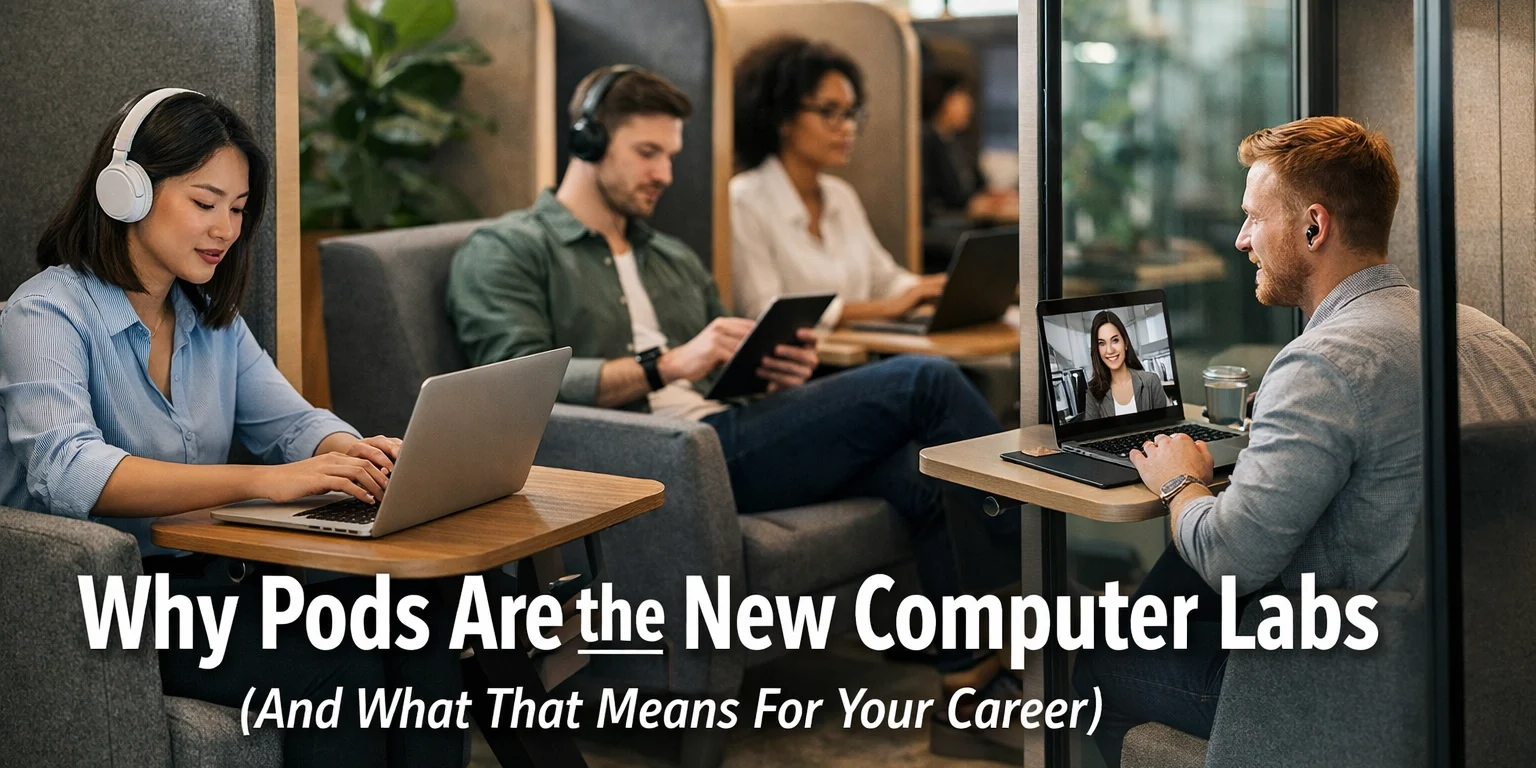
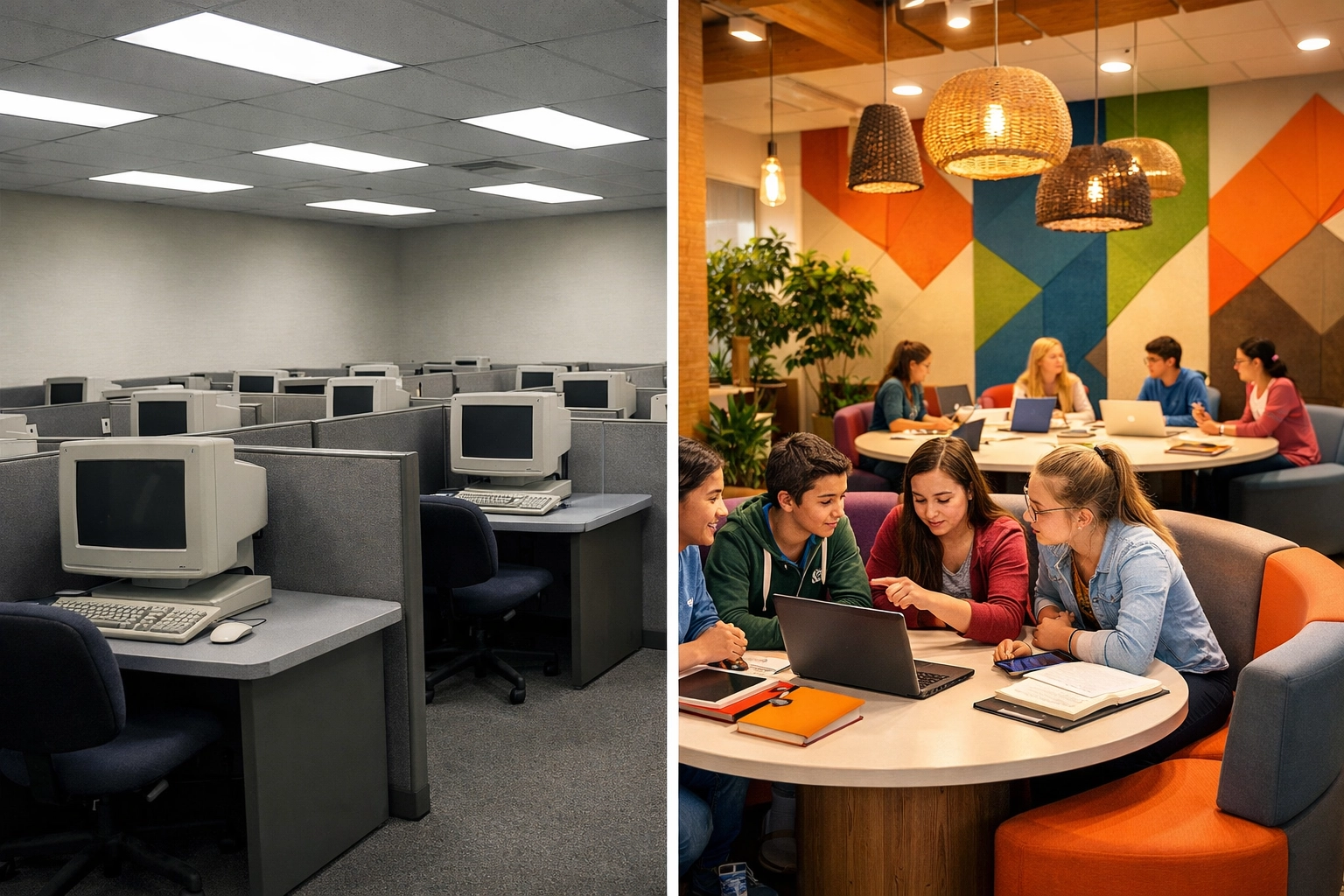
Remember those rows of beige desktop computers in fluorescent-lit rooms where you'd awkwardly wait for a machine to boot up? Those traditional computer labs are going the way of floppy disks and dial-up internet. In their place, a new learning infrastructure is emerging: specialized pods designed around specific career pathways rather than generic computing access.
This shift represents more than just a facilities upgrade. The physical infrastructure of learning shapes how students develop professional competencies, and as the workplace evolves toward cross-functional collaboration and specialized expertise, the environments where people train matter more than ever.
The Quiet Death of the Traditional Computer Lab
Data from major universities confirms what many suspected: traditional computer labs no longer serve student needs effectively. Penn State and Grand Valley State University tracked significant declines in overall lab visits over the past decade, though time spent per session increased. This pattern reveals something important: students weren't avoiding labs because they didn't need computers, but because they needed different kinds of computing environments.
Traditional labs imposed a learning model fundamentally misaligned with professional work environments. Students worked independently on general-purpose machines loaded with generic software suites. This setup neither reflected the collaborative nature of actual workplaces nor prepared students for the specialized tools they'd encounter in specific careers. A business student might use the same computer setup as an engineering student, despite needing entirely different software stacks and collaborative workflows.
The isolated nature of traditional lab work also created a problematic disconnect. Students would learn project management theory in one classroom, technical skills in a lab, and collaboration through separate group assignments: never integrating these capabilities the way they'd need to in professional settings.
What Makes Pods Different
Pods integrate several capabilities that traditional labs couldn't provide. Rather than offering generic computing access, pods are purpose-built workspaces organized around specific career pathways and skill development.
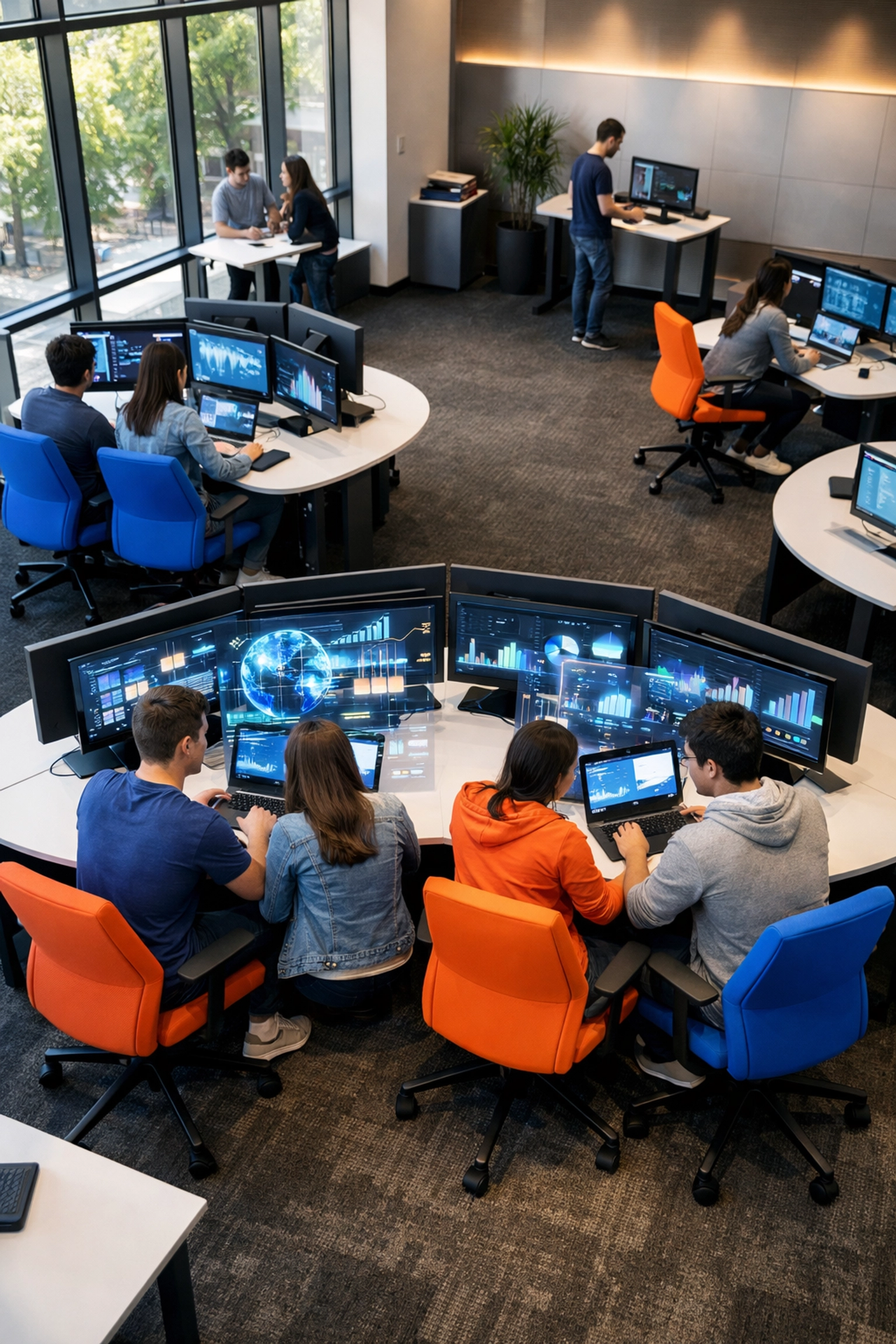
Collaborative infrastructure sits at the core of pod design. These spaces feature configurable work surfaces, multiple display options, and technology that supports team-based projects rather than isolated individual work. This mirrors how modern professionals actually operate: in cross-functional teams working toward shared objectives.
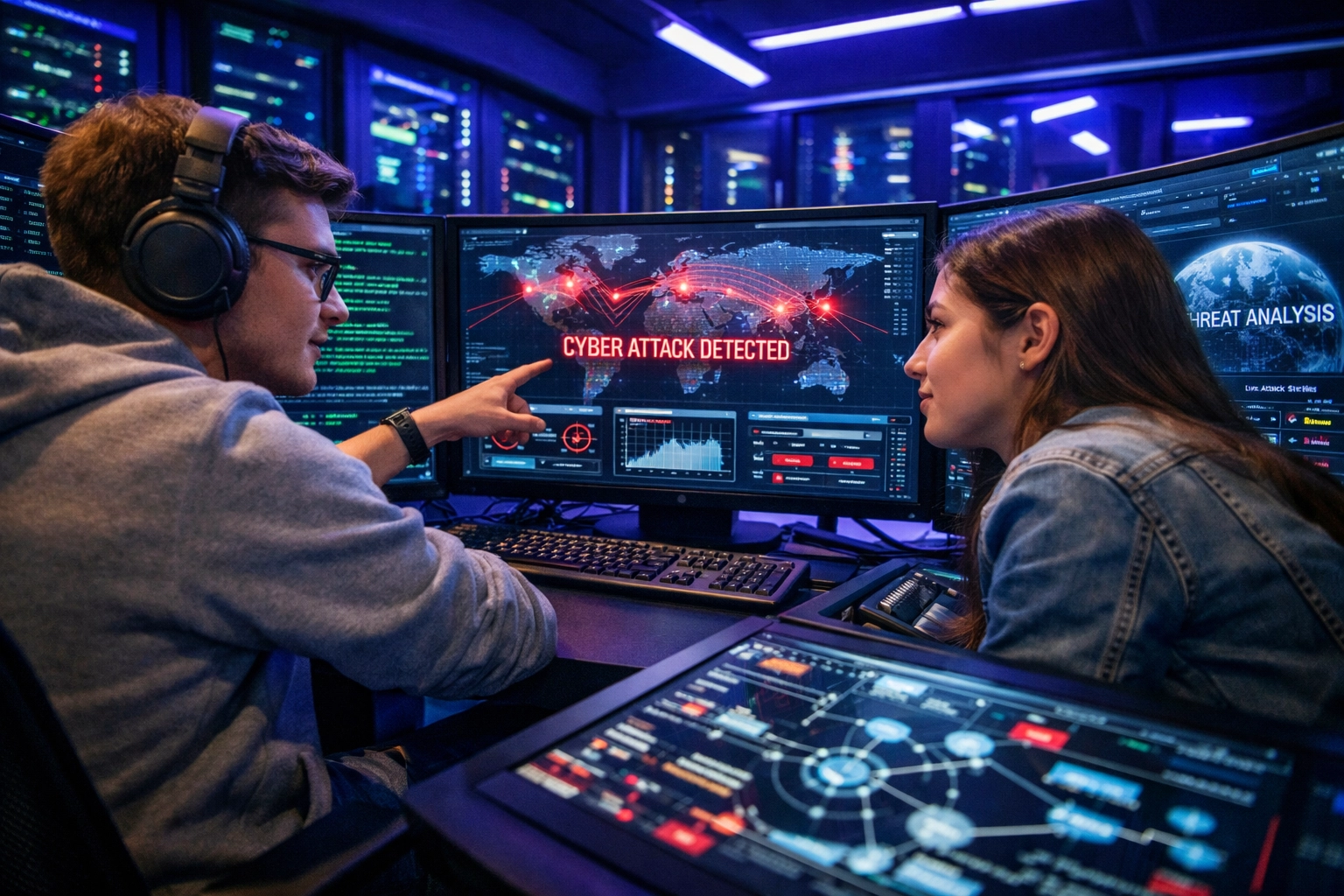
Industry-aligned technical stacks replace the one-size-fits-all software approach. A cybersecurity pod provides network monitoring tools, vulnerability scanning platforms, and safe environments for penetration testing that wouldn't make sense in a general lab. A logistics pod offers supply chain simulation software, inventory management systems, and data analytics platforms specific to operations management.
Specialized tools for specific fields enable students to develop genuine professional competencies rather than abstract technical literacy. Content creation pods, for instance, include streaming studio capabilities, professional-grade audio equipment, video editing workstations, and multimedia production tools that recognize digital communication as a universal professional requirement.
The infrastructure itself teaches principles students need to understand. Hybrid systems combining local computing resources with cloud connectivity demonstrate resilient system design while ensuring learning continues even with inconsistent internet access: a crucial consideration for equitable education in underserved areas.
Career Pathway Implications
The pod model creates distinct advantages for students pursuing specific career paths. Three areas illustrate how specialized infrastructure directly impacts professional readiness.
Logistics and Operations Management
Logistics pods transform how students understand supply chain dynamics. Rather than studying inventory management through textbook examples, students work with actual logistics software platforms used by Fortune 500 companies. They simulate distribution networks, optimize routing algorithms, and analyze supply chain vulnerabilities using the same analytical tools they'll encounter as operations managers.

Real-time analytics dashboards provide immediate feedback on decisions, helping students develop the iterative, measurement-driven mindset effective project managers require. They learn to balance competing priorities: cost efficiency versus delivery speed, inventory levels versus warehouse capacity: within systems that behave like actual supply chains rather than theoretical models.
This hands-on experience with professional tools creates a significant advantage when entering the workforce. Employers consistently report that new hires struggle most with translating academic knowledge into practical application. Pods bridge that gap by embedding students in workflows and toolsets that mirror professional environments from the start.
Cybersecurity
Cybersecurity education particularly benefits from specialized pod infrastructure. Traditional labs posed inherent limitations: students couldn't practice network penetration testing without risking institutional systems, couldn't simulate actual attack scenarios without compromising security, and couldn't work with enterprise-grade security tools due to licensing and safety constraints.
Cybersecurity pods solve these problems through isolated network environments where students can safely practice offensive security techniques, learn defensive strategies by responding to simulated attacks, and work with professional security operations center (SOC) tools without endangering production systems.
The collaborative aspects matter here too. Modern cybersecurity work requires team coordination during incident response, threat hunting, and vulnerability assessment. Students who learn these skills in isolated environments miss crucial professional competencies. Pods enable students to practice coordinated incident response, collaborate on threat analysis, and communicate security findings to non-technical stakeholders: all essential professional skills that traditional labs couldn't adequately support.
Content Creation and Digital Communication
Content creation pods recognize a fundamental shift in professional requirements. Every industry now requires digital communication competency, from engineers documenting technical processes through video tutorials to business analysts presenting data through multimedia dashboards.
These specialized spaces provide streaming studio setups, professional audio recording capabilities, video editing workstations, and collaborative production workflows. Students learn not just how to use these tools, but how to integrate them into larger communication strategies: planning content calendars, managing multi-platform distribution, analyzing engagement metrics, and iterating based on audience response.
The integration of project management within technical domains proves particularly valuable. Rather than learning video editing separately from project planning, students manage content production projects from conception through distribution, developing integrated skill sets that match how professional creative teams actually operate.
Why This Matters Beyond the Classroom
The pod model fundamentally changes how students transition into professional environments. Traditional education often created a significant adjustment period where new hires needed to learn workplace tools, collaborative practices, and industry-specific workflows after arriving at their first job. Pods compress this learning curve by embedding professional tools and practices into the educational experience itself.
This shift benefits both students and employers. Students graduate with demonstrable experience using industry-standard tools rather than just theoretical knowledge. Employers can evaluate candidates based on practical competencies rather than hoping academic credentials translate into workplace performance.
The specialized nature of pods also helps students make more informed career decisions. Working in a cybersecurity pod reveals whether you actually enjoy threat analysis and incident response, or just liked the idea of cybersecurity. Spending time in a logistics pod demonstrates whether supply chain optimization genuinely interests you before committing to that career path.
Looking Forward
The transition from computer labs to specialized pods reflects broader changes in how skills development intersects with physical infrastructure. As remote work becomes standard in many fields, the value of physical learning spaces increasingly depends on providing capabilities students can't easily replicate at home: collaborative workflows, specialized equipment, and immersive professional environments.
This evolution will likely accelerate. Universities tracking space utilization data consistently show that specialized, purpose-built environments see higher engagement than general-purpose facilities. As institutions renovate aging infrastructure, expect to see more investments in career pathway pods rather than traditional computer labs.
For students and career-changers, this shift creates both opportunities and considerations. The availability of specialized pods can significantly impact the quality of technical education, making facilities and infrastructure legitimate factors when evaluating educational programs. The goal isn't just access to computers, but immersion in professional environments that develop integrated competencies employers actually need.
The physical infrastructure of learning has always shaped educational outcomes more than we typically acknowledge. As that infrastructure evolves toward specialized, collaborative, career-aligned spaces, it creates genuine advantages for those who engage with it intentionally. Pods aren't just the new computer labs: they represent a fundamentally different approach to professional skill development, and understanding that difference matters for anyone navigating modern career pathways.