
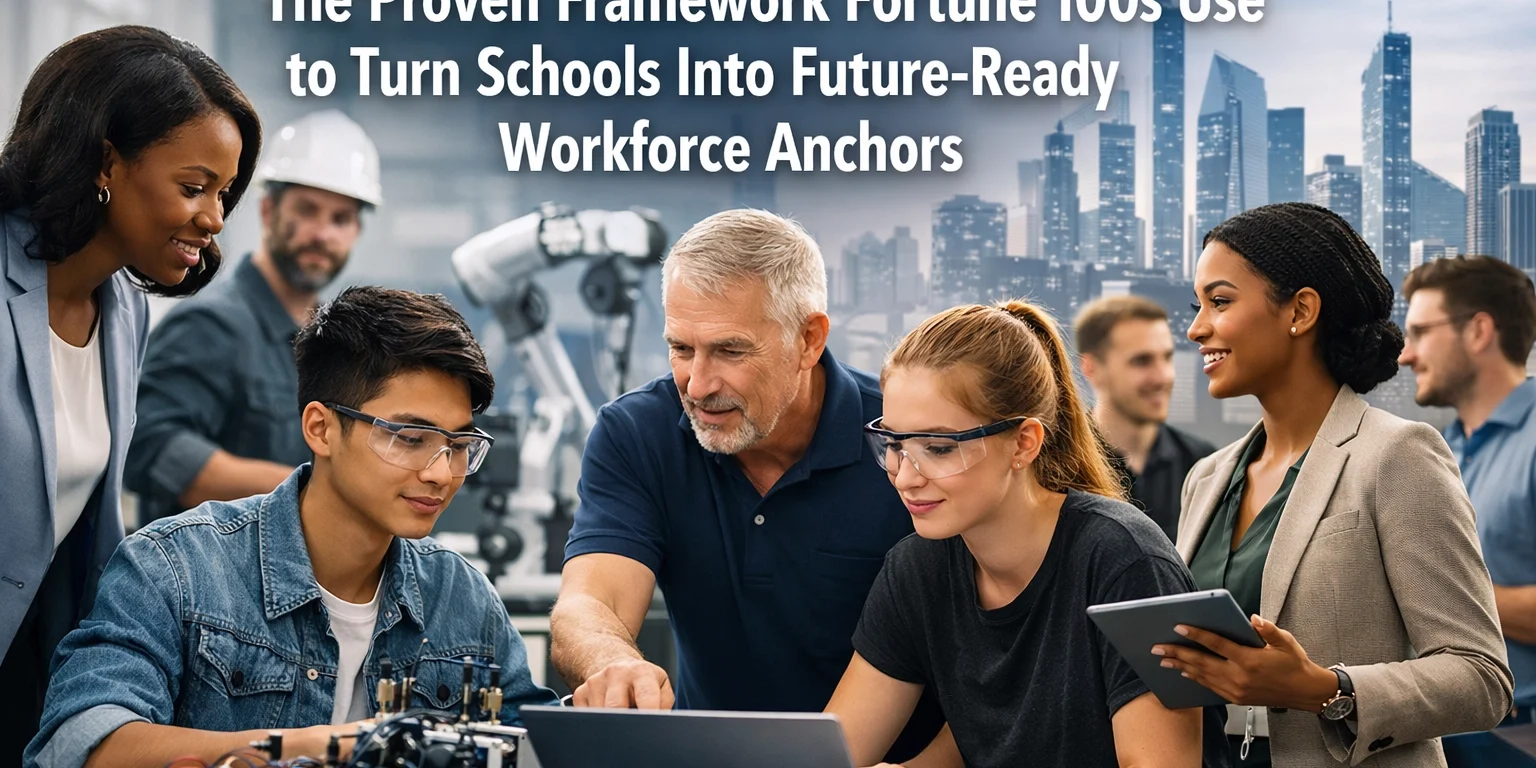
Fortune 100 companies have quietly abandoned traditional academic metrics as predictors of workforce readiness. Standardized test scores, graduation rates, and college acceptance numbers no longer provide the visibility these organizations need to assess talent pipelines. Instead, leading corporations now rely on a framework of ten specific data points that measure operational readiness and real-world competency.
This shift represents a fundamental change in how major employers evaluate educational institutions. Rather than waiting until recruitment to discover skills gaps, these companies track workforce signals throughout students' academic careers. The result is a new standard for what constitutes a future-ready school: one that prepares students for the realities of modern professional environments.
The Limitation of Traditional Metrics
Traditional education metrics were designed for a different era. They measure inputs and academic outcomes but fail to capture the skills that determine workplace success. A student can achieve high test scores while lacking the digital literacy, collaborative abilities, and adaptive capacity that employers require.
Fortune 100 leaders recognized this disconnect and developed an alternative measurement system. This framework focuses on operational indicators that predict whether graduates can function effectively in contemporary work environments. The data points reveal competencies that traditional assessments cannot measure, from cloud platform proficiency to collaborative project execution.

The Ten Core Data Points
The proven framework consists of ten specific measurements that provide comprehensive visibility into workforce readiness:
NIL Education Participation Rates track structured curriculum teaching personal brand management, intellectual property ownership, and commercial value of creative output. These metrics reveal whether students understand the economic dimensions of their work: essential knowledge for portfolio careers and content creation roles that define modern employment.
Cloud Platform Proficiency Levels measure student capabilities across major cloud platforms, from basic file management to collaborative workflow tools. Rather than anecdotal assessments, schools use standardized evaluations aligned with industry certifications, providing quantifiable data on digital literacy.
Real-Time Engagement Analytics capture digital interaction depth, collaboration patterns, and content creation velocity across learning platforms. These measurements provide early indicators of workplace compatibility and communication preferences, revealing how students engage with digital environments they will encounter professionally.

Portfolio Development Metrics quantify the public-facing work students produce, including written content, coded projects, design work, and video production. The framework measures both quantity and quality, assessing presentation standards and professional positioning that employers evaluate during recruitment.
Collaborative Project Success Ratings track success rates on team-based projects, measuring process efficiency, conflict resolution, and equitable work distribution. These ratings identify students who elevate collective performance: a critical distinction in team-oriented work environments.
Adaptive Technology Learning Curves measure how quickly students master unfamiliar tools when introduced to them. The framework tracks time from introduction to functional proficiency, predicting adaptability to organizational systems that evolve continuously.
The remaining four data points address media literacy competency, cross-platform communication consistency, digital citizenship indicators, and professional network development patterns. Together, these ten measurements create a comprehensive profile of workforce readiness that traditional metrics cannot capture.
Implementation Through Integrated Dashboards
The framework's power comes from integration rather than isolated data points. Future-ready schools aggregate these measurements into executive-level dashboards that update daily, providing real-time visibility into talent pipeline health.
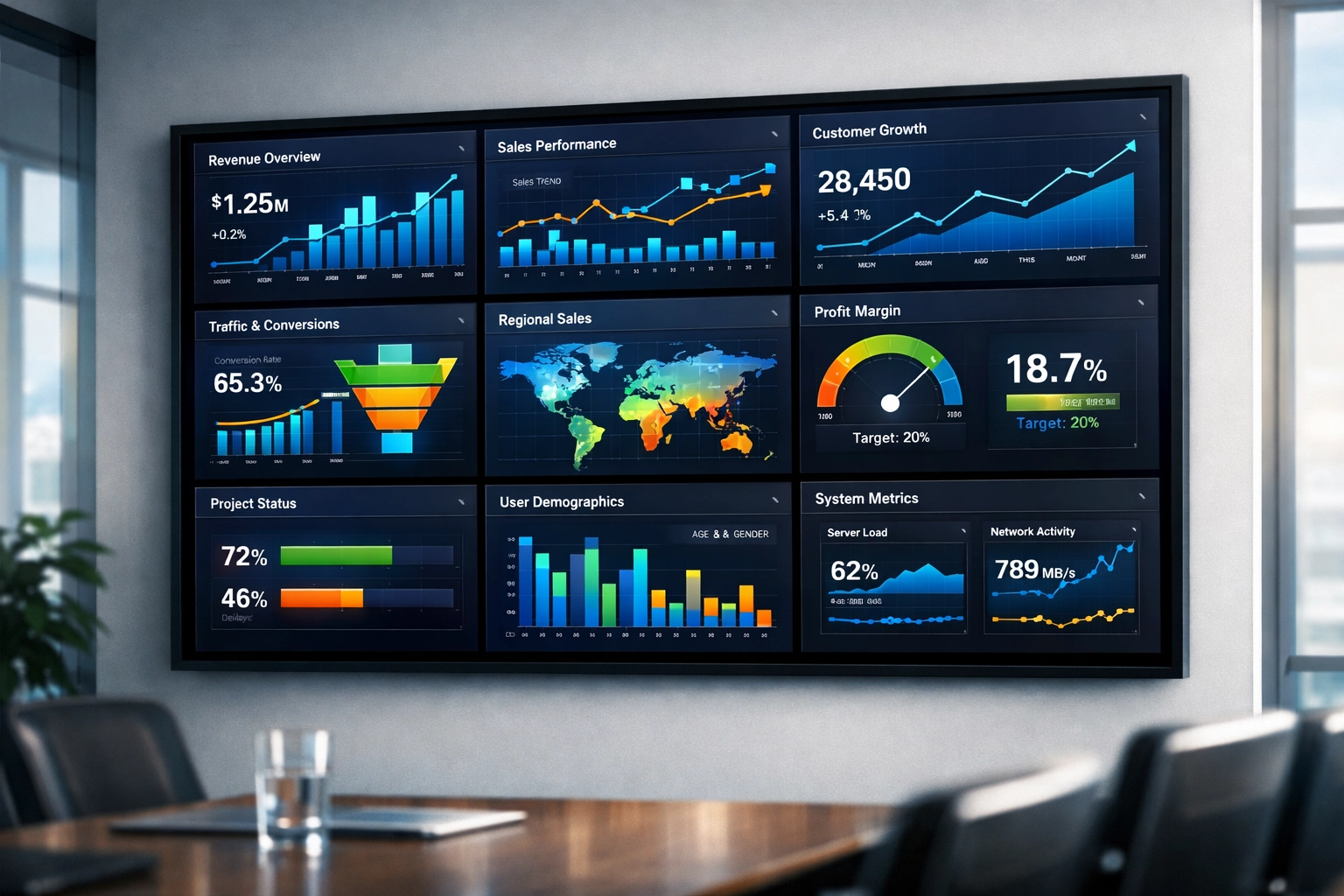
This integrated approach transforms how Fortune 100 leaders assess educational partnerships. Rather than waiting for traditional hiring metrics to reveal problems: which often occurs months after issues develop: executives monitor workforce signals continuously. When cloud platform proficiency scores decline in a particular cohort, leaders identify the gap immediately and adjust training partnerships accordingly.
The daily dashboard model also enables schools to benchmark performance against workforce requirements. Educational institutions gain visibility into which programs produce the competencies employers value most, allowing strategic resource allocation and curriculum adjustments based on labor market signals rather than academic conventions.
Strategic Workforce Development Alignment
Beyond the data framework, future-ready schools establish direct partnerships with employers to ensure curriculum remains current. These collaborations address the fundamental challenge that traditional education faces: the lag between skill emergence in the marketplace and curriculum adaptation.
The Workforce Pell Grants expansion, expected to roll out in 2026, will accelerate this alignment by funding short-term job training programs that complement traditional degree pathways. This federal initiative recognizes that workforce readiness requires both foundational education and targeted skill development aligned with current market needs.
Standardized microcredentials represent another complementary development. These credentials verify specific, job-ready skills through consistent assessment frameworks that employers recognize across institutions. Rather than evaluating candidates based on institutional reputation alone, hiring managers can review verified competencies that predict job performance.
Career and Technical Education partnerships between companies and school systems further strengthen the workforce development ecosystem. These programs address talent shortages while providing companies access to diverse talent pools earlier in the development pipeline.

The Business Case for Future-Ready Investment
Fortune 100 adoption of this framework reflects clear economic rationale. Companies investing in future-ready school partnerships reduce recruitment costs, decrease onboarding time, and lower early-career attrition rates. The ten-point assessment system allows employers to identify candidates who require minimal transition support when entering the workforce.
For schools, the framework provides competitive differentiation. As employers increasingly prioritize workforce readiness over traditional academic credentials, institutions demonstrating strong performance on these ten metrics gain advantages in attracting students, funding, and corporate partnerships.
The framework also addresses equity considerations. Traditional metrics often correlate with socioeconomic background, creating barriers for talented students from underserved communities. Workforce readiness measurements focus on developed competencies rather than testing performance, expanding opportunity for students who demonstrate practical skills regardless of demographic factors.
Implementation Considerations
Schools adopting this framework must address several implementation requirements. First, they need digital infrastructure capable of capturing and aggregating the ten core data points. This typically involves learning management systems with robust analytics capabilities and integration with cloud platform providers.
Second, faculty require training to understand workforce signals and adjust instruction accordingly. The shift from traditional academic outcomes to operational readiness represents a significant change in educational philosophy that requires comprehensive professional development.
Third, schools must establish governance frameworks for data privacy and appropriate use. The detailed student information these systems capture requires careful stewardship to protect individual privacy while providing aggregate insights that serve educational improvement.
The Future of Educational Assessment
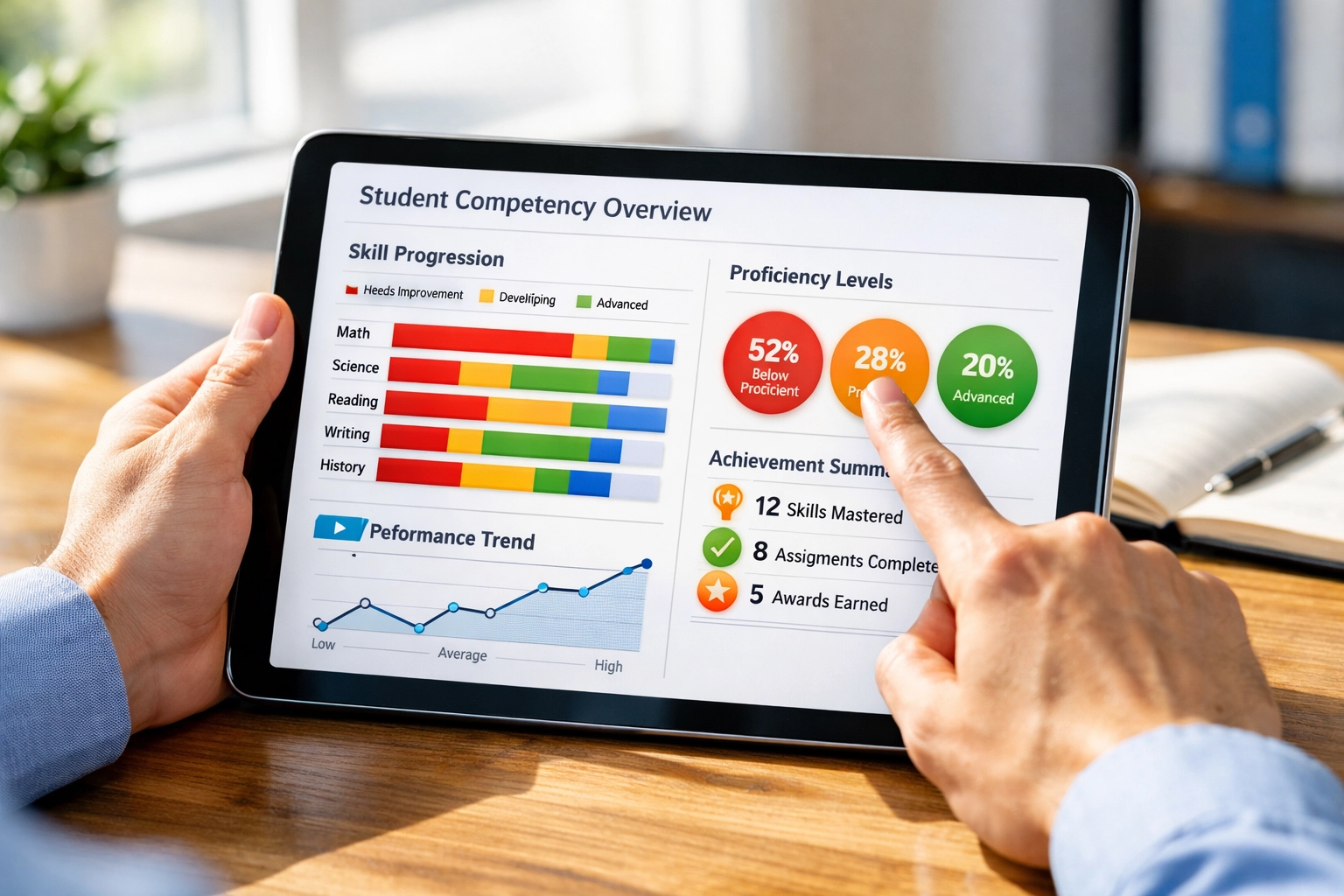
The Fortune 100 framework represents the beginning of a broader transformation in educational assessment. As more employers adopt workforce readiness metrics, traditional academic measurements will likely become supplementary rather than primary evaluation criteria.
This shift creates opportunities for educational institutions willing to adapt. Schools that implement the ten-point framework now will establish advantages as the broader market adopts workforce readiness standards. Early movers gain time to refine their approaches, develop faculty expertise, and demonstrate outcomes that attract both students and employer partners.
The framework also suggests how artificial intelligence and advanced analytics will shape educational assessment. Real-time dashboards updating daily represent just the current state of technology. Future iterations will likely incorporate predictive analytics that identify skill gaps before they impact workforce readiness, enabling proactive intervention rather than reactive correction.
Positioning for Workforce Readiness
Fortune 100 companies have established a new standard for evaluating educational institutions. The ten-point framework provides visibility into workforce readiness that traditional metrics cannot deliver. For schools seeking to position themselves as future-ready workforce anchors, implementation of this proven framework represents the clearest path forward.
The shift from academic outcomes to workforce signals is already underway. Educational institutions that recognize this transition and adapt their assessment systems accordingly will define the next generation of talent development. Those that maintain focus on traditional metrics risk obsolescence as the labor market increasingly values operational readiness over academic credentials alone.
The framework exists. The technology enables it. The question facing educational leaders is whether to adopt these proven standards now or wait until market pressure makes the transition more difficult and competitive positioning more challenging.





