
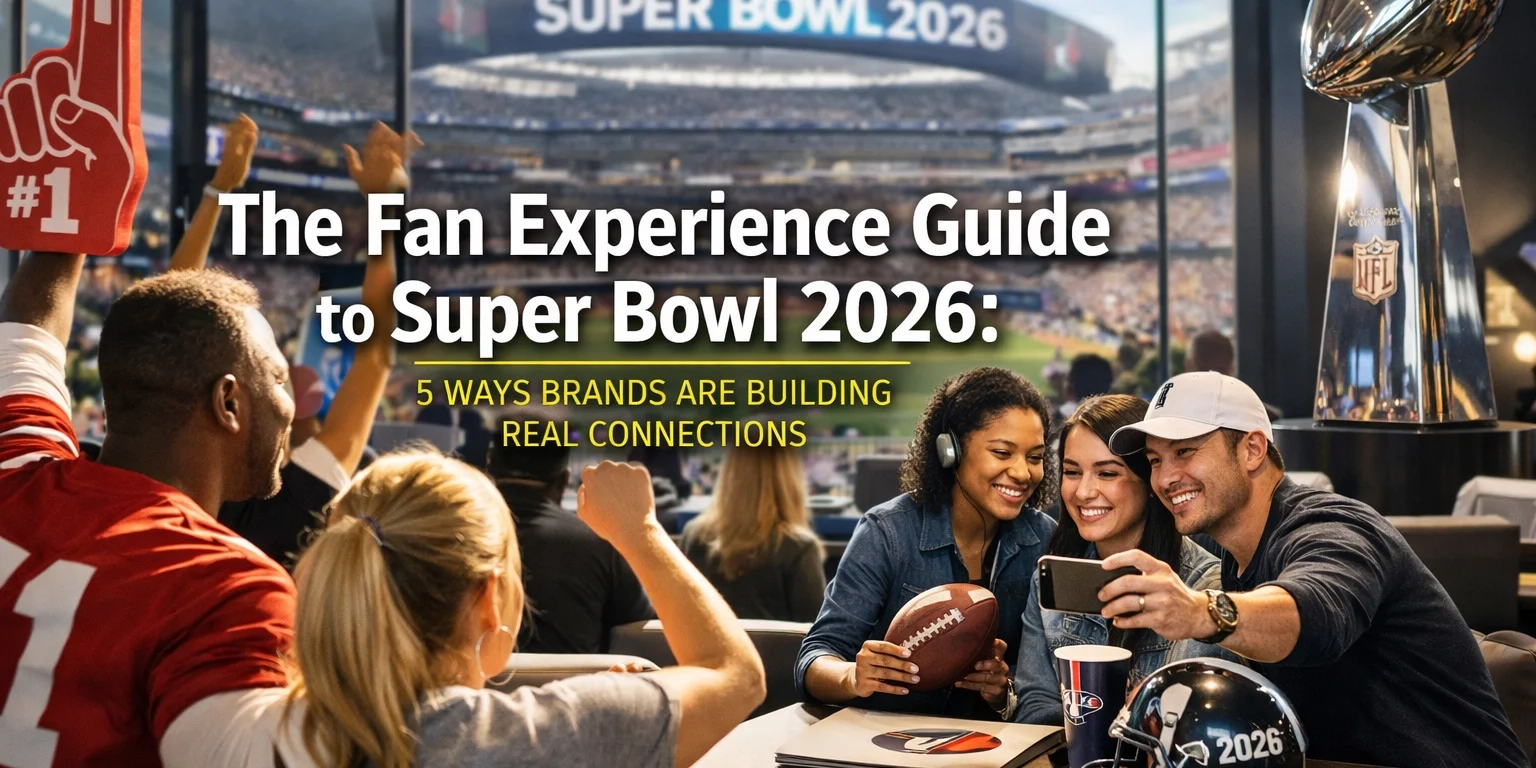
The Super Bowl has always been more than just a game. It's a cultural phenomenon, a marketing spectacle, and increasingly, a proving ground for how brands connect with fans in meaningful ways. As we look toward Super Bowl LX in 2026, something interesting is happening: brands are moving away from passive advertising and building experiences that fans can actually touch, feel, and remember.
The shift is clear. Gone are the days when a 30-second commercial was enough to make an impact. Today's fans: especially those who invest time and money to attend Super Bowl events: expect more. They want to be part of the story, not just spectators watching from the sidelines.
1. Get Your Hands Dirty: Interactive Experiences That Let Fans Play
The most effective brand activations at Super Bowl 2026 aren't asking fans to watch: they're inviting them to participate. At the Super Bowl Experience, brands are sponsoring interactive challenges that transform ordinary attendees into participants. Think 40-yard dash challenges where weekend warriors can test their speed against NFL standards, obstacle courses that simulate game-day conditions, and vertical jump measurements that reveal just how athletic (or not) you really are.
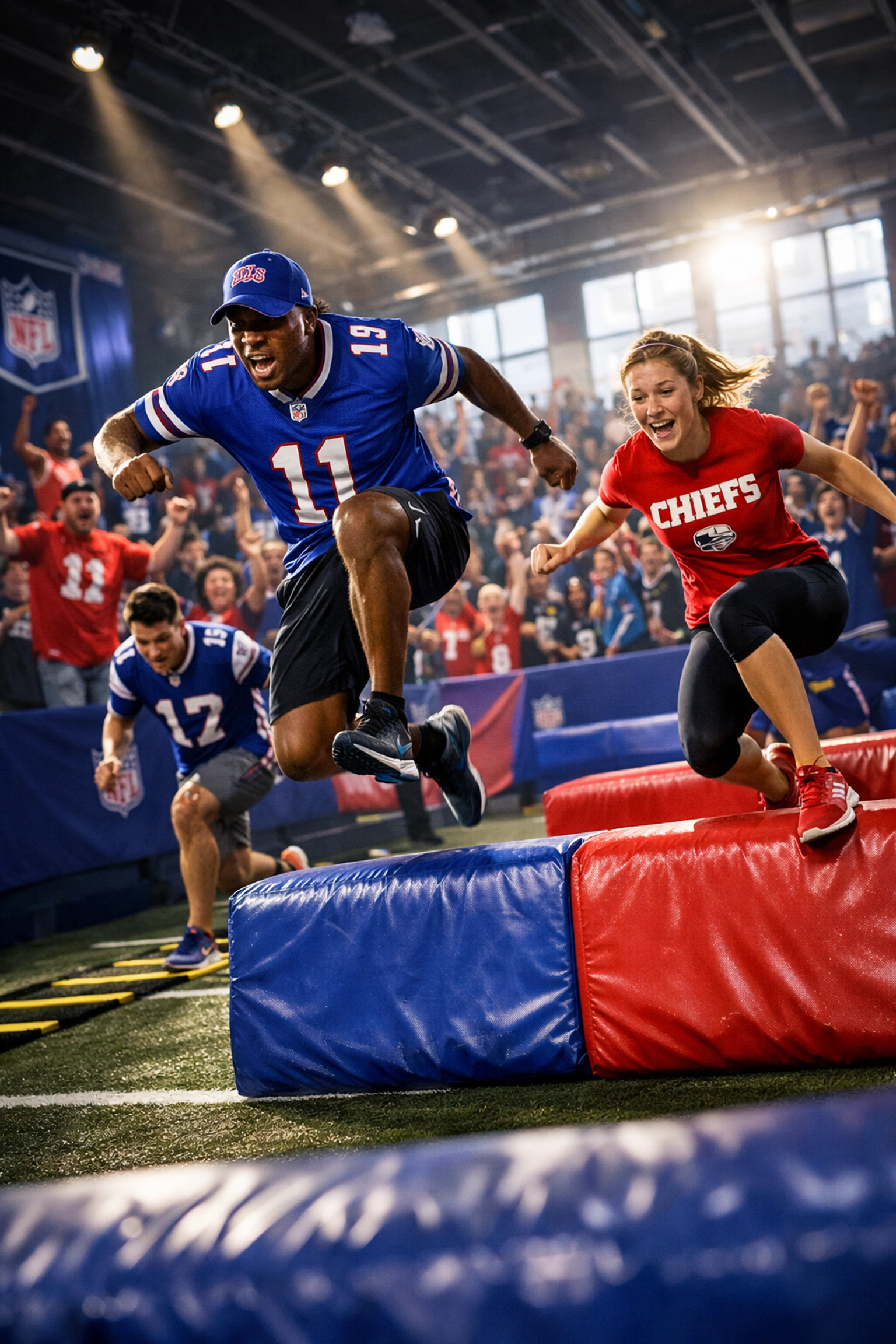
These aren't gimmicks. They're genuine engagement opportunities. When a fan completes a bench press challenge at a branded station, they're not just engaging with a product: they're creating a memory. That photo opportunity becomes social media content, which extends the brand's reach organically. According to event research, experiential activations generate significantly higher recall rates than traditional advertising because they activate multiple senses and create emotional connections.
The takeaway for brands? Stop telling fans what you do and start letting them experience it. Interactive elements transform passive observers into active participants, and that shift changes everything about how people remember your brand.
2. Access to Icons: Bringing Fans Face-to-Face With Their Heroes
One of the most powerful ways brands are building connections is by facilitating access to NFL players and legends. At Super Bowl Experience events, autograph stages featuring current players and Hall of Famers create moments that fans will remember for years. These aren't chance encounters: they're carefully orchestrated brand activations that associate company names with once-in-a-lifetime experiences.
Consider the impact: a fan waits in line at a sponsor-branded stage, meets a legendary quarterback, gets a signed jersey, and takes a photo with the Vince Lombardi Trophy replica. That entire experience: start to finish: is wrapped in brand messaging. But it doesn't feel like advertising because the value proposition is crystal clear. The brand delivered something money alone can't easily buy: genuine access.
Smart brands are extending this concept beyond just autographs. Photo opportunities with all 32 team helmets, interactive coaching sessions with former players, and Q&A formats create multiple touchpoints where fans feel genuinely closer to the game they love. When brands facilitate these connections, they position themselves as enablers of dreams rather than interruptive advertisers.
3. Technology Meets Tradition: Immersive Experiences That Wow
Super Bowl 2026 activations are leveraging technology in ways that feel magical rather than gimmicky. The BAHC Live! San Francisco Fan Zone exemplifies this approach with its "Tech Playground": a space that celebrates Bay Area innovation while delivering genuinely impressive fan experiences.
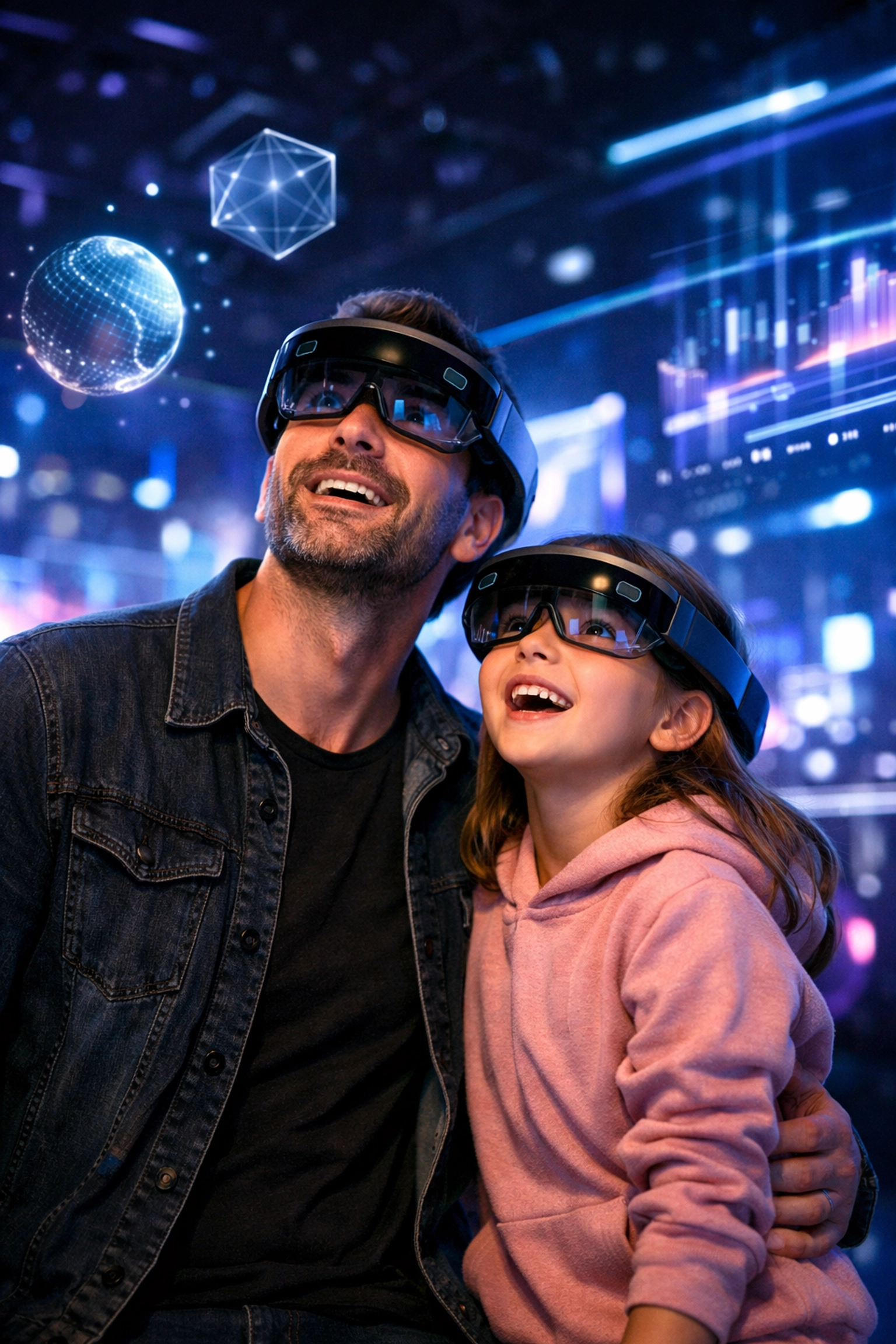
Interactive coaching rooms allow fans to call plays using professional-grade technology. Immersive viewing experiences place attendees inside game scenarios through AR and VR technology. 3D-printed championship rings let fans walk away with personalized souvenirs that feel exclusive and high-tech. These activations work because they balance novelty with genuine value.
Here's what makes tech-driven experiences effective: they create shareability. When someone tries on an AR headset and suddenly finds themselves on the 50-yard line, they're going to tell that story. When they walk away with a 3D-printed ring customized with their name, they're going to post it online. The technology becomes a conversation starter, and the brand attached to that technology gets amplified far beyond the physical footprint of the activation.
Want to see how brands are approaching immersive fan experiences in action? Check out this deep dive into Super Bowl activation strategies: https://www.youtube.com/watch?v=l6J-0zileKE
4. Everyone's Invited: Family-Inclusive Activations That Broaden Reach
The smartest brand activations at Super Bowl 2026 aren't just targeting die-hard football fans: they're designing experiences that welcome entire families. This strategic shift recognizes a simple truth: Super Bowl week is increasingly a family destination event, not just a trip for hardcore fans.
Arts and crafts stations where kids customize miniature helmets with team colors. NFL Play60 dance floors where families can burn energy together. Gear-testing zones where parents and children try out the latest football equipment. These family-friendly touchpoints serve dual purposes: they keep younger attendees engaged while their parents enjoy other activations, and they introduce brand messaging to the next generation of consumers.
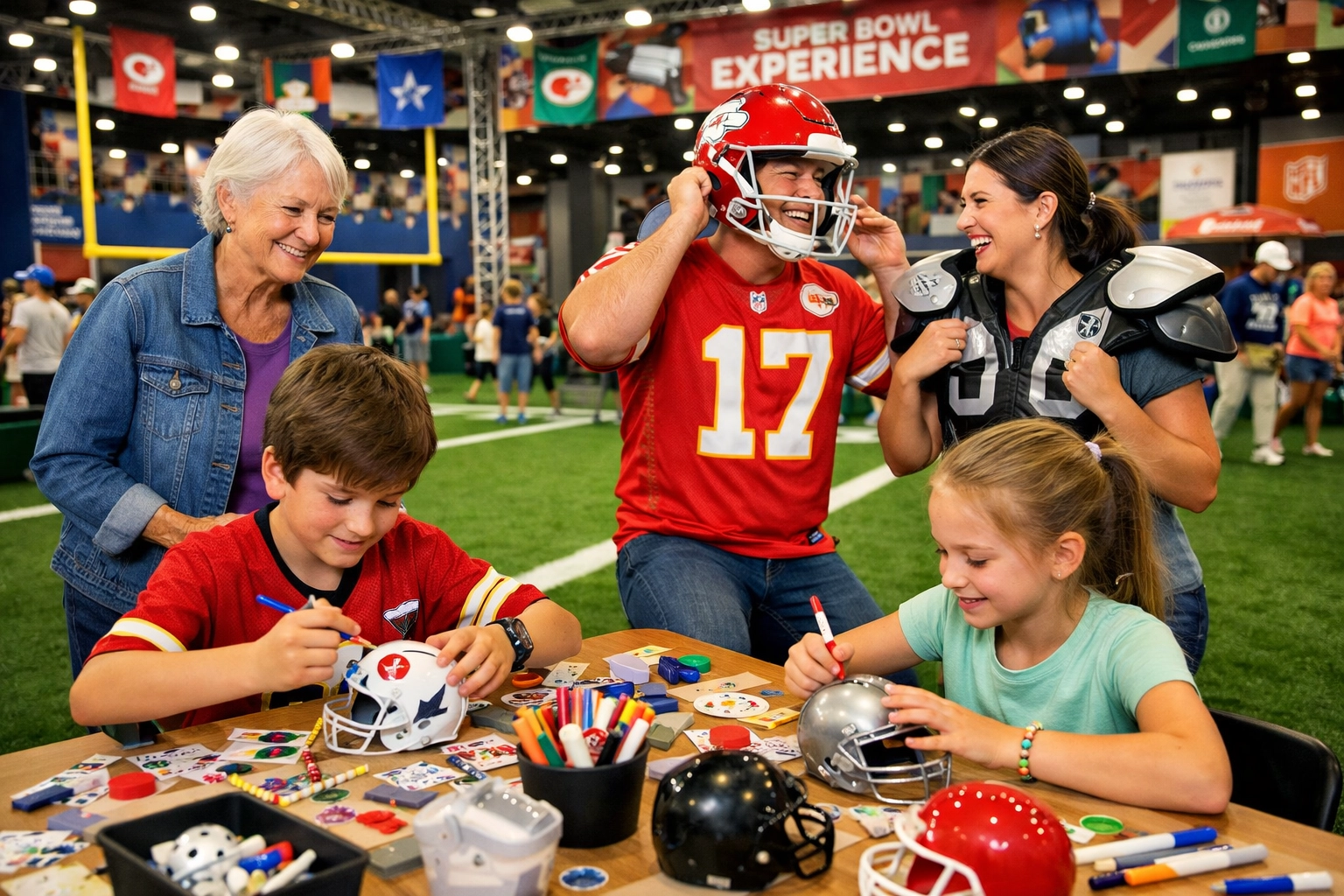
The demographic expansion this creates is significant. A brand that only appeals to 35-year-old male football fans reaches a limited audience. A brand that creates experiences where a father, mother, and their eight-year-old can all find something engaging? That brand just tripled its potential reach: and created positive associations across multiple age groups simultaneously.
5. Local Culture Integration: Connecting Place With Purpose
Perhaps the most sophisticated approach brands are taking involves deep integration with local culture and community identity. Super Bowl 2026's Bay Area location presents unique opportunities that smart brands are already exploiting. By celebrating regional innovation, technology leadership, and distinctive cultural elements, brands create activations that feel locally relevant rather than generically imported.
This approach works because it demonstrates respect for the host community. When a national brand acknowledges Bay Area innovation culture in its activation design, it signals awareness and appreciation. When experiential elements reference local landmarks, cuisine, or history, they create opportunities for residents to take pride in their city while out-of-town visitors gain authentic insights into the region.
The business logic is sound: localized activations generate more organic media coverage because they give journalists regional angles to cover. They create stronger word-of-mouth because attendees feel like they experienced something unique to this particular Super Bowl, not a cookie-cutter activation that could happen anywhere.
The Bigger Picture: Why Tangible Experiences Matter Now
All these strategies share a common thread: they prioritize tangible, memorable experiences over transactional advertising. In an era where digital ads are skipped, blocked, and ignored, physical experiences cut through the noise. They create stories that fans tell organically. They generate content that spreads authentically. They build emotional connections that transcend typical brand-consumer relationships.
For brands and businesses considering activation strategies: whether at Super Bowl-scale events or smaller regional opportunities: the lesson is clear. Today's audiences don't just want to be marketed to. They want to participate, to access, to experience, and to belong. The brands that understand this shift are building connections that last far beyond game day.
The 2026 Super Bowl represents a culmination of years of evolution in experiential marketing. As fans descend on the Bay Area, they won't just be watching a game: they'll be living experiences that brands carefully crafted to be memorable, shareable, and genuinely valuable. That's the future of sports marketing, and it's arriving right on schedule.





