
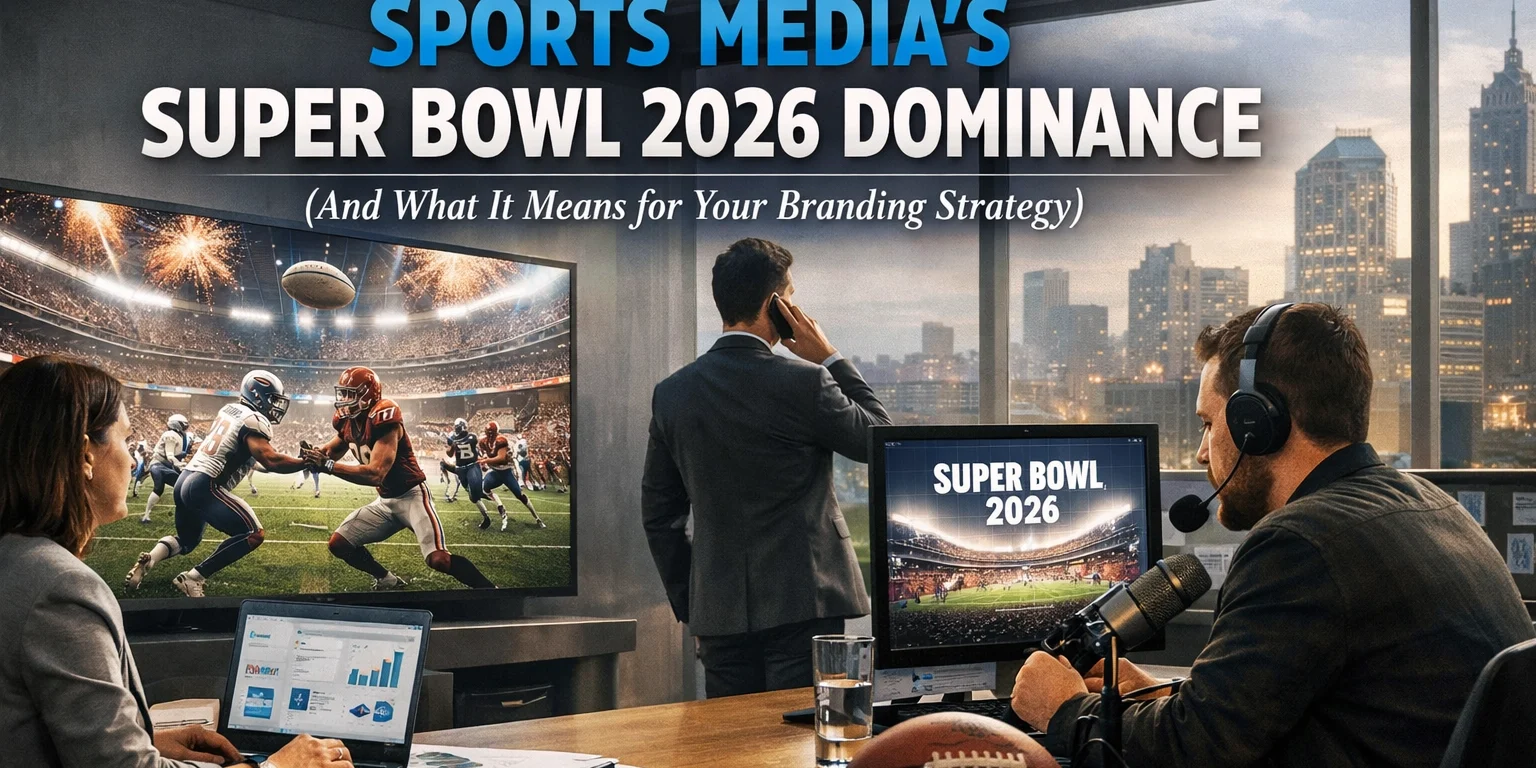
Super Bowl LX didn't just break viewership records: it revealed something fundamental about the current state of sports media and advertising strategy. The game became a proving ground where four decades of media expertise collided with modern branding demands, creating a blueprint that business leaders and marketing professionals cannot afford to ignore.
The 40-Year Legacy That's Reshaping the Arena
When discussing sports media's dominance at Super Bowl 2026, the conversation inevitably returns to veteran precision. This isn't simply about broadcasting a football game; it represents the culmination of 40 years of strategic media positioning, technical innovation, and audience understanding that few industries can match.
The numbers tell part of the story. Advertisers paid between $8 and $10 million for just 30 seconds of national television airtime during Super Bowl LX. This investment reflects confidence built over decades: confidence that comes from proven return on investment and measurable brand lift that extends well beyond game day. These aren't speculative marketing dollars; they're strategic allocations based on documented results from nearly four decades of Super Bowl advertising data.
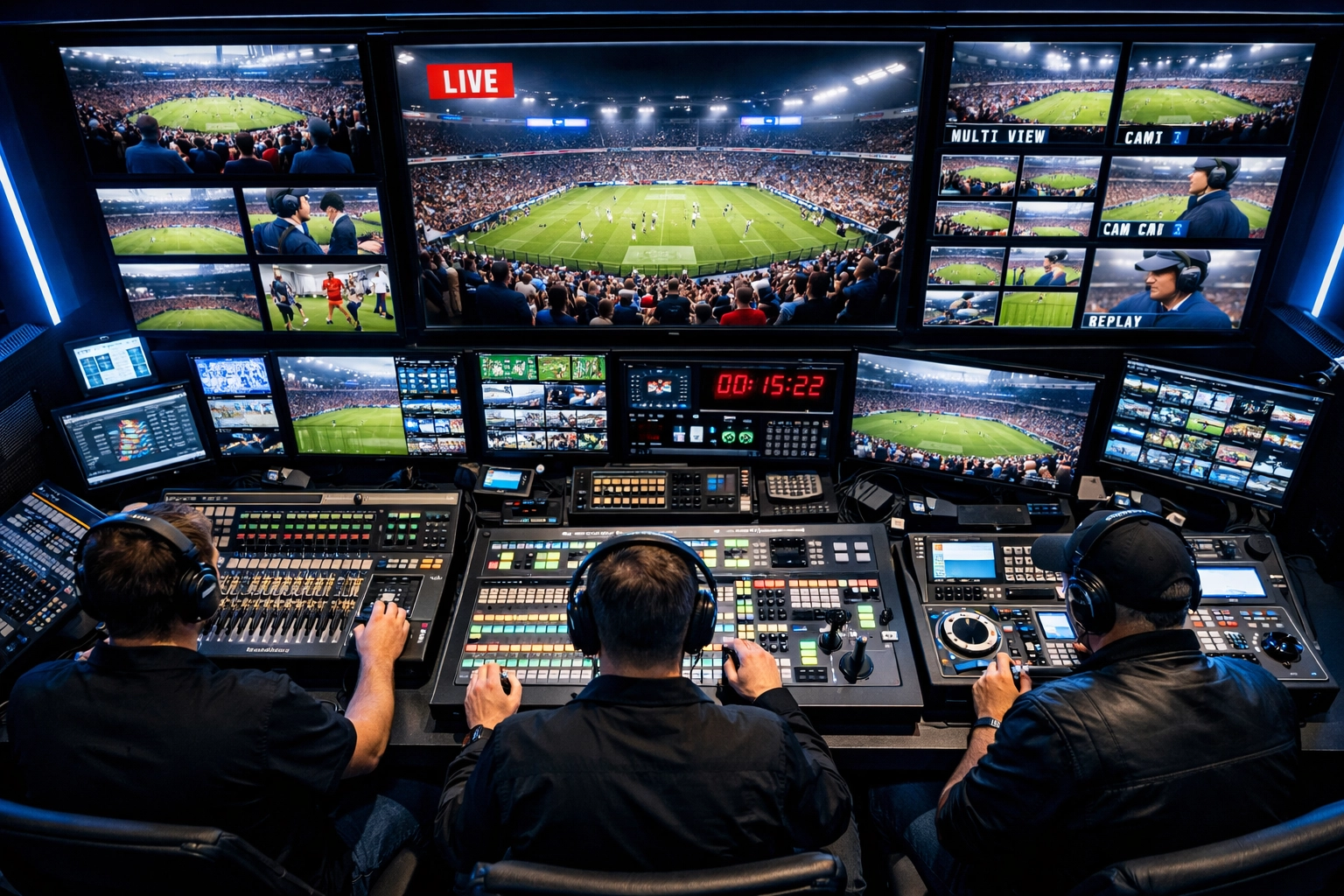
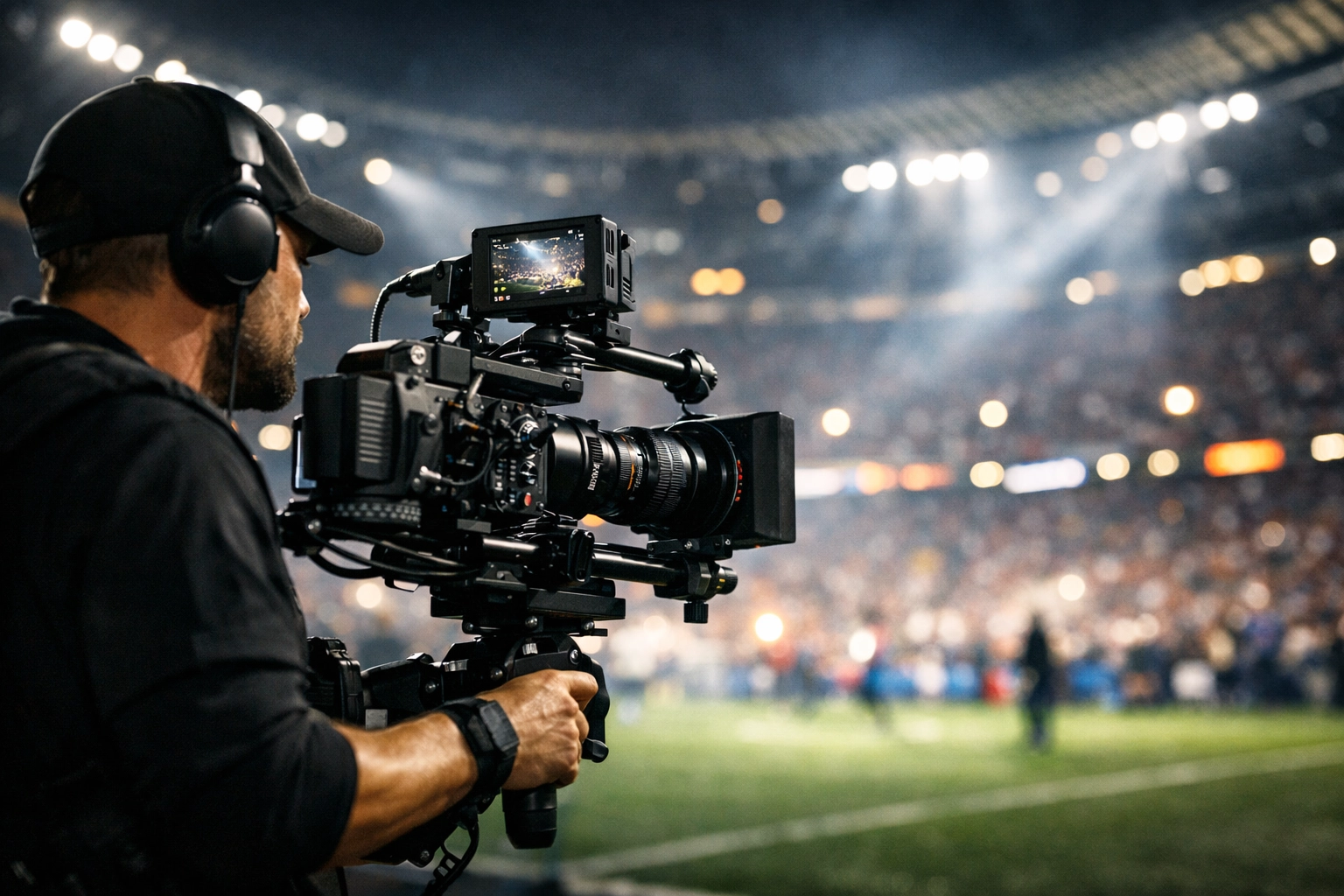
What separates this year's event from previous iterations is the convergence of traditional broadcast excellence with modern digital amplification. NBC Sports deployed nearly 100 cameras throughout the venue, supported by extensive replay channels and enhanced graphics that created multiple simultaneous viewing experiences. This production infrastructure didn't materialize overnight: it evolved through 40 years of incremental improvements, each building on the lessons learned from previous broadcasts.
ROI That Speaks Louder Than Hype
For business consultants and brand strategists, the Super Bowl 2026 media landscape offers clear evidence of what drives authentic return on investment in today's fragmented attention economy. Michigan State University's annual ad-ranking exercise, now in its 29th year, introduced a significant change this year by including advertising and public relations students alongside faculty as judges. This expansion provides insight into how different demographic segments evaluate advertising effectiveness.
The evaluation criteria used by MSU reveal what actually moves the needle: creative messaging, storytelling quality, brand authenticity, memorability, emotional engagement, social and cultural relevance, inclusivity and representation, plus assessment of celebrity endorsements and artificial intelligence use. These aren't arbitrary metrics: they represent the evolved understanding of what creates lasting brand impression and measurable business outcomes.
According to MSU faculty involved in the rankings, the Super Bowl continues to "draw television's largest audience each year and showcase the industry's leading ads," with both the game and advertisements expected to dominate conversations long after the event concludes. This sustained conversation represents the multiplier effect that extends the value of initial advertising investment far beyond the game's four quarters.

The Precision Behind the Performance
Veteran precision in sports media manifests in multiple dimensions. Production teams don't just capture a game: they orchestrate a multimedia experience designed to maximize engagement across every available platform. The technical execution visible during Super Bowl 2026 reflects decades of refinement in camera placement, switching patterns, replay selection, and graphic integration.
This precision extends to advertising strategy as well. The top-ranked advertisements from Super Bowl LX demonstrated sophisticated understanding of audience psychology and cultural moment. Lay's and Michelob Ultra, recognized as top performers by faculty and students respectively, succeeded not through product-centric messaging but through authentic storytelling that resonated with diverse audience segments.
The shift toward authenticity and cultural relevance in Super Bowl advertising represents a fundamental evolution in branding strategy. Where previous eras emphasized product features or celebrity spectacle, current leaders in advertising ROI focus on genuine emotional connection and social consciousness. This evolution didn't happen accidentally: it emerged from 40 years of testing, measuring, and refining messaging approaches.
What This Means for Your Branding Strategy
The lessons from Super Bowl 2026's media dominance translate directly to actionable branding strategies regardless of industry or budget scale. The core principles remain consistent: understand your audience deeply, invest in authentic storytelling, and recognize that brand building extends far beyond initial messaging.
First, consider the evaluation criteria that distinguished successful Super Bowl advertisements. Creative messaging and storytelling quality ranked alongside technical execution: suggesting that narrative craftsmanship matters as much as production value. Businesses seeking to improve brand presence should audit their current messaging against these established criteria, asking whether their communications demonstrate genuine emotional engagement and cultural awareness.
Second, the production scale deployed by NBC Sports illustrates the value of technical excellence in message delivery. While few organizations command resources for 100-camera productions, the underlying principle applies universally: presentation quality affects message credibility. Businesses should evaluate whether their current communication channels: websites, social media, video content: reflect the professionalism and attention to detail that builds audience trust.
Third, the sustained conversation generated by Super Bowl advertising demonstrates the multiplier effect of strategic media investment. Effective branding doesn't end when an advertisement concludes or a campaign launches: it generates ongoing discussion that amplifies initial reach. This suggests that businesses should design communications with shareability and conversation potential in mind, creating content that invites audience participation and extends message lifespan.
The Data-Driven Future of Brand Building
Sports media's Super Bowl 2026 dominance validates a data-driven approach to brand strategy that prioritizes measurable outcomes over creative intuition alone. The 40-year legacy that supports current media excellence stems from continuous measurement, analysis, and strategic adjustment based on documented results.
For business leaders and marketing professionals, this offers a clear roadmap. Success in contemporary branding requires commitment to measurement frameworks that track not just initial impressions but sustained engagement, brand lift, and eventual conversion. The willingness to invest $8-10 million for 30 seconds of airtime reflects confidence built on decades of data showing that strategic media placement generates quantifiable returns.
The inclusion of student perspectives in MSU's ad rankings also signals an important evolution: effective branding strategies must account for generational differences in media consumption and message evaluation. What resonates with established decision-makers may not connect with emerging consumer segments. Businesses that build audience insight across demographic groups position themselves for sustained relevance as market composition evolves.
Moving Forward With Veteran Precision
The conversations surrounding sports media's Super Bowl 2026 performance will continue shaping branding strategies throughout the year and beyond. The event demonstrated that sustained excellence requires both historical perspective: the wisdom gained from 40 years of media evolution: and forward-looking adaptation to changing technologies and audience expectations.
For organizations seeking to strengthen their brand presence, the Super Bowl 2026 media landscape offers validated principles worth implementing. Invest in authentic storytelling that demonstrates genuine understanding of audience values. Commit to production quality that signals professional credibility. Design communications that generate sustained engagement beyond initial exposure. Measure results rigorously and adjust strategies based on documented outcomes rather than assumptions.
The dominance visible during Super Bowl 2026 wasn't accidental: it emerged from decades of disciplined investment in excellence. That same discipline, scaled appropriately to organizational resources and market position, can elevate branding effectiveness across industries. The question isn't whether these principles apply to your business; it's whether you're prepared to implement them with the veteran precision that separates enduring brand value from temporary visibility.
As media landscapes continue fragmenting and audience attention becomes increasingly difficult to capture, the lessons from Super Bowl 2026 become more relevant rather than less. The organizations that will dominate their respective arenas in coming years are those implementing proven strategies with the same commitment to excellence visible in sports media's 40-year Super Bowl legacy.





