
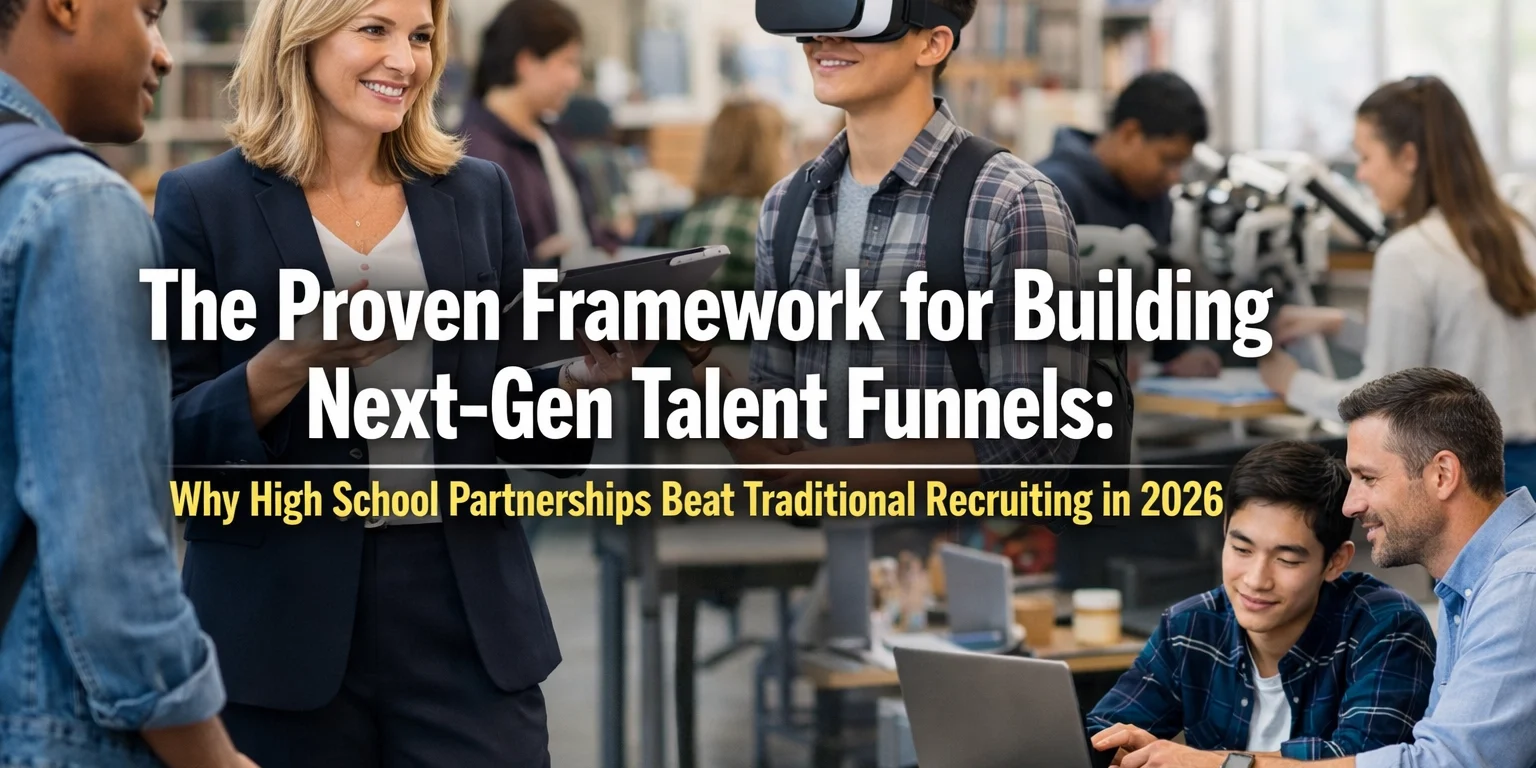
The traditional recruiting model is collapsing under its own weight. Companies post job openings, sift through hundreds of applications, conduct rounds of interviews, and still struggle to find qualified candidates in Cloud, AI, and Data Analytics. By the time a position is filled, the technology landscape has already shifted, and the cycle begins again.
The reality facing organizations in 2026 is stark: waiting until candidates graduate from college to begin the recruitment process means competing for an increasingly small pool of talent with every other company in the market. The skills gap in emerging technology fields continues to widen, and the competition for experienced professionals has reached unsustainable levels.
A growing number of forward-thinking organizations have recognized this fundamental flaw and shifted their approach entirely. Instead of competing for fully-formed talent, they are building relationships with students years before they enter the workforce. These high school partnerships represent a strategic reorientation of talent acquisition: one that addresses the skills gap at its source rather than attempting to patch it on the back end.
The Structural Problem with Traditional Recruiting
Traditional recruiting operates on a reactive model. A need emerges, a job description is created, and the search begins. This approach worked adequately when the supply of qualified candidates exceeded demand. In 2026, that equation has reversed, particularly in high-demand technical fields.

The Bureau of Labor Statistics projects continued double-digit growth in data science, cloud architecture, and AI-related roles through 2030, while the pipeline of qualified candidates remains constrained. Universities produce graduates with foundational knowledge, but the pace of technological change means that by graduation, much of their formal education requires immediate updating.
More critically, the traditional model fails to account for a basic reality: the most innovative minds in Cloud, AI, and Data Analytics are often self-taught or learned through non-traditional pathways. These individuals begin experimenting with technology in their teenage years, building projects, contributing to open-source initiatives, and developing practical skills that far exceed what any four-year degree program can provide.
By waiting until these individuals reach college graduation, organizations miss the opportunity to identify, nurture, and secure relationships with precisely the candidates they need most.
Why High School Partnerships Create Competitive Advantage
High school partnerships fundamentally change the talent acquisition timeline. Rather than competing for finished products, organizations gain early access to developing talent and the ability to shape that development according to their specific needs.
The advantages manifest across multiple dimensions. First, early identification allows companies to spot natural aptitude and genuine interest before candidates have been funneled into traditional educational pathways that may or may not align with market needs. A high school sophomore demonstrating exceptional abilities in machine learning represents a five-year cultivation opportunity rather than a desperate competition against dozens of other employers.
Second, these partnerships enable organizations to influence curriculum and training in ways that address their specific technical requirements. Rather than hoping universities teach relevant frameworks and tools, companies can directly participate in education, ensuring students gain exposure to the actual technologies and methodologies used in professional settings.
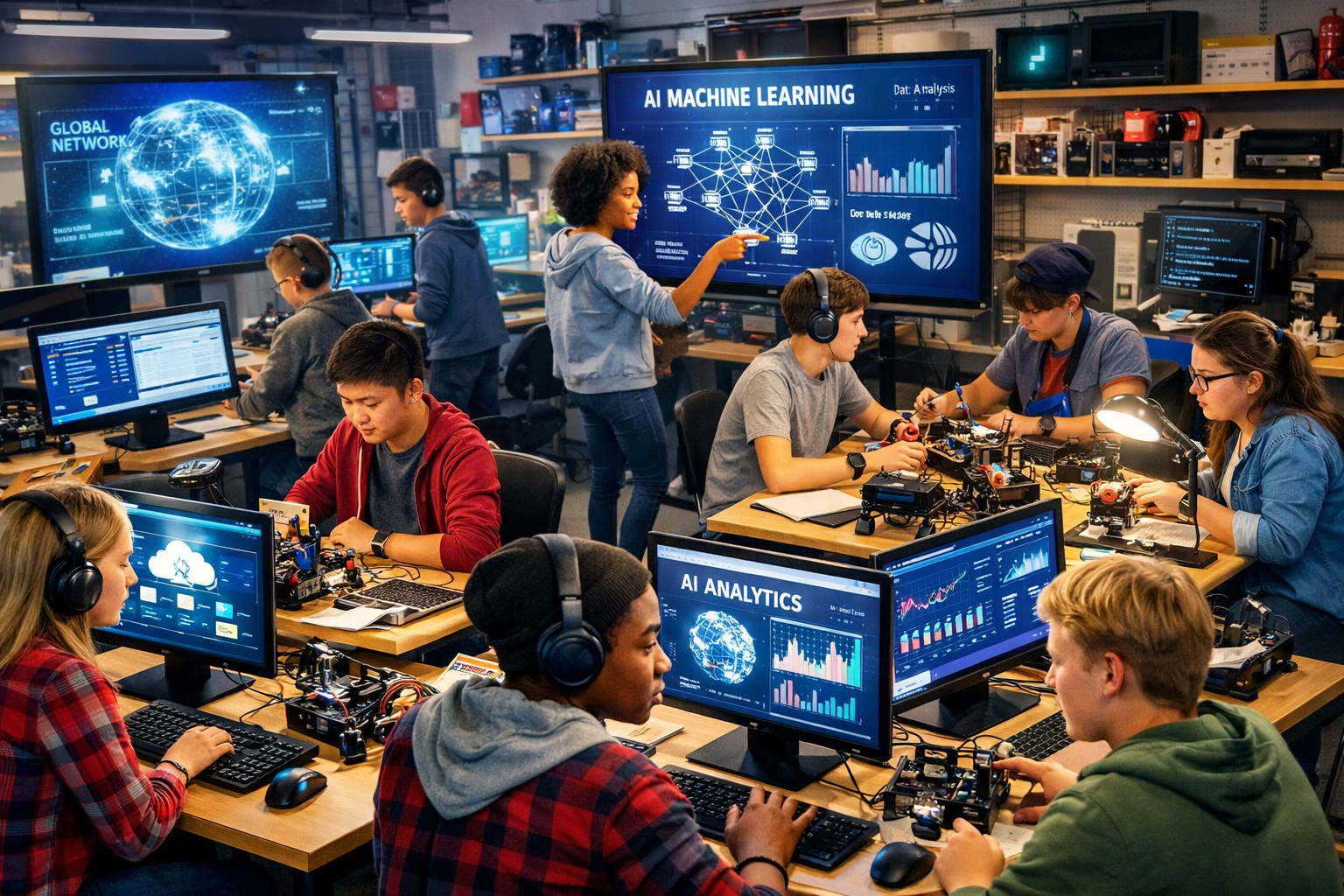
Third, high school partnerships create authentic employer brand recognition among candidates years before they make career decisions. While competitors invest millions in campus recruiting at universities, organizations with established high school programs have already built trust, demonstrated commitment to education, and created positive associations with their brand among future talent.
The return on investment extends beyond individual hires. Organizations that establish sustained high school partnerships report higher retention rates among employees recruited through these channels, likely because the relationship began as educational rather than transactional. Students who participate in multi-year programs develop genuine understanding of company culture and realistic expectations about roles, reducing the likelihood of mismatched expectations that lead to early turnover.
The Framework: Building Effective High School Talent Partnerships
Successful high school talent partnerships require structure, consistency, and genuine commitment to education rather than thinly-veiled recruitment campaigns. The most effective programs incorporate several key components.
Skills-Based Engagement Over Credential Screening
The shift toward skills-based hiring that now defines enterprise talent acquisition applies equally to high school partnerships. Rather than limiting programs to students with perfect grades or specific course completion, leading organizations assess actual capabilities through project-based challenges and practical demonstrations.
This approach broadens the talent pool considerably. Many students with exceptional technical abilities do not excel in traditional academic environments. By evaluating what students can actually build and solve rather than their transcript, organizations access a wider and often more innovative candidate base.
Structured Learning Pathways with Clear Progression

Effective programs establish multi-year learning pathways that introduce increasingly sophisticated concepts and provide clear milestones for progression. A freshman might begin with foundational data literacy and basic programming concepts, progress to cloud architecture fundamentals as a sophomore, and advance to machine learning applications by senior year.
This structured approach serves multiple purposes. It provides students with achievable goals and visible progress, maintains their engagement across multiple years, and allows organizations to assess development and aptitude over time rather than through a single interview or application.
Hybrid Virtual and In-Person Experiences
The pandemic permanently altered expectations around remote work and learning. High school partnerships in 2026 successfully blend virtual and in-person components to maximize reach while maintaining meaningful connection.
Virtual internships, online mentorship programs, and remote project collaboration allow organizations to engage students regardless of geographic location. Strategic in-person experiences: facility tours, hackathons, intensive workshops: provide high-impact touchpoints that create lasting impressions and strengthen relationships without requiring constant physical presence.
Focus on Emerging Technology Areas with Skills Gaps
The most successful high school partnerships concentrate on fields where demand dramatically exceeds supply: Cloud infrastructure, AI and machine learning, and Data Analytics. These areas offer clear career pathways, strong salary prospects, and genuine societal impact: factors that resonate with students making early career decisions.
Organizations that clearly communicate the real-world applications of these technologies and demonstrate their importance in solving meaningful problems attract more engaged and motivated participants. A high school student building an AI model to predict equipment failures or analyzing data to optimize energy consumption understands the practical value of their skills in ways that abstract coursework cannot provide.
Implementation: From Concept to Operating Program
Converting the framework into an operating program requires deliberate planning and resource allocation. Organizations beginning high school partnership initiatives should consider several implementation factors.
Start with pilot programs in select schools rather than attempting immediate scale. Partner with schools that demonstrate commitment to technology education and have existing infrastructure to support technical programs. These early partnerships provide learning opportunities and proof points before expanding.
Assign dedicated program leadership rather than treating high school partnerships as an additional responsibility for existing recruiters. These programs require educational expertise, relationship management with school administrators, and long-term thinking that differs from traditional recruiting cycles.
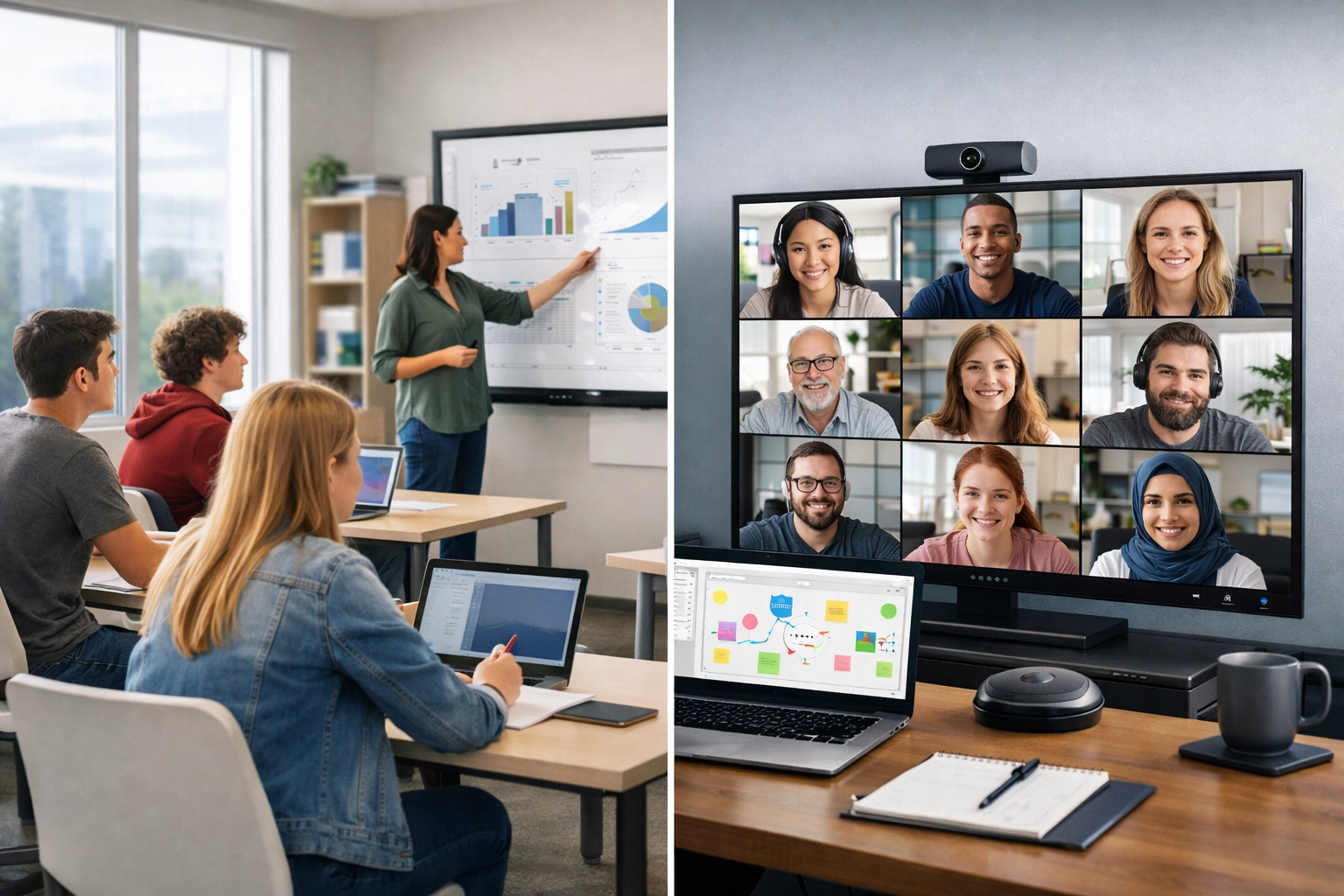
Develop clear measurement frameworks that track both short-term engagement metrics and long-term outcomes. Monitor student participation rates, skill development progression, conversion to internships, and eventual full-time hiring. These metrics justify continued investment and identify opportunities for program refinement.
Establish governance structures that separate educational objectives from recruiting activities. Schools and parents rightfully resist programs that feel primarily transactional. Organizations that genuinely prioritize student learning and skill development, treating future hiring as a natural outcome rather than the primary objective, build stronger school relationships and better programs.
The Competitive Landscape in 2026
Organizations that delay investment in high school partnerships face increasingly unfavorable competitive dynamics. Early movers in this space have already established relationships with top-performing schools, secured mindshare among emerging talent, and created multi-year pipelines of candidates with relevant skills.
The window for establishing these partnerships remains open, but it narrows as more organizations recognize their strategic value. High schools have limited capacity to support external partnerships, and administrators prioritize relationships with organizations demonstrating genuine commitment and delivering clear value to students.
The shift toward high school talent development also aligns with broader movements toward skills-based hiring and alternative credentialing. Organizations building these programs now position themselves advantageously for a future where traditional four-year degrees represent one pathway among many rather than the default requirement.
Building for the Long Term
High school talent partnerships require patience and sustained investment. The return materializes over years, not quarters. Organizations must commit to programs even when immediate hiring needs are met, recognizing that these partnerships create structural advantage in talent acquisition over extended time horizons.
The most successful programs evolve based on feedback from students, educators, and internal stakeholders. Regular assessment and refinement ensure programs remain relevant as technology and educational needs change. Organizations that treat high school partnerships as living initiatives rather than fixed programs maintain effectiveness as circumstances shift.
The future of talent acquisition in technical fields increasingly depends on relationships formed years before candidates enter the traditional recruiting funnel. High school partnerships represent a fundamental reimagining of how organizations identify, develop, and ultimately hire the next generation of Cloud, AI, and Data Analytics professionals. Companies that embrace this model gain access to talent competitors never see and build capabilities that compound over time.





