
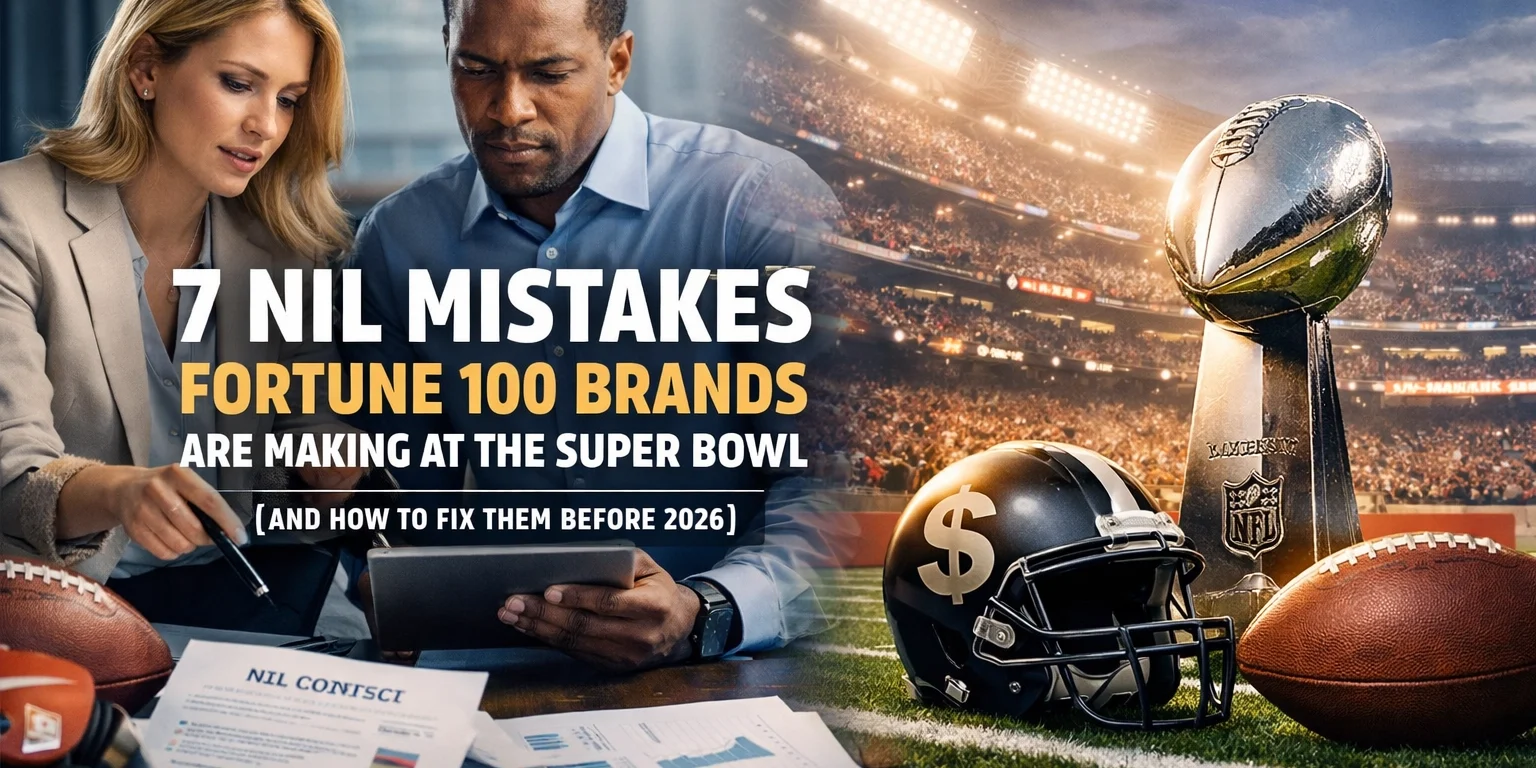
The Super Bowl represents the single largest advertising opportunity in American sports, with brands spending upwards of $7 million for a 30-second spot in 2025. Yet despite these massive investments, Fortune 100 companies are leaving significant value on the table by mishandling: or outright ignoring: one of the most transformative shifts in sports marketing: Name, Image, and Likeness (NIL) deals.
Since NIL regulations changed in 2021, college athletes have become legitimate brand ambassadors with engaged, authentic followings. The Super Bowl, watched by over 115 million viewers annually, should be a showcase for innovative NIL partnerships. Instead, most major brands are making costly mistakes that undermine both their immediate campaign effectiveness and their long-term market positioning.
The NIL Revolution at the Super Bowl
To understand why these mistakes matter, it's essential to recognize what NIL represents. College athletes: many with followings rivaling professional players: now offer brands access to passionate, highly engaged audiences across demographics that traditional celebrity endorsements often miss. This shift creates unprecedented opportunities during tentpole events like the Super Bowl, where brand messaging reaches its maximum potential audience.
Mistake #1: Ignoring NIL Talent Entirely
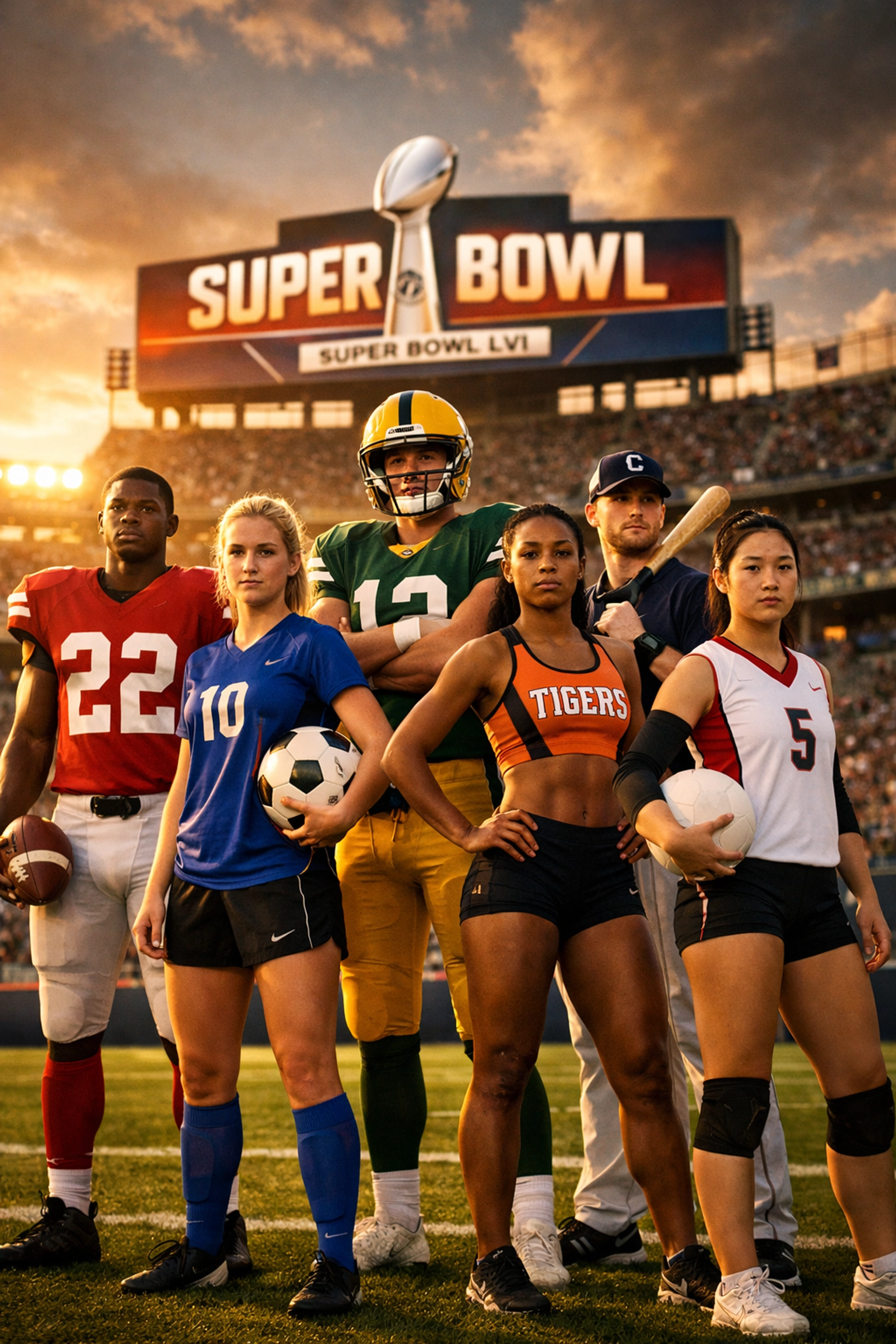
The most fundamental error Fortune 100 brands make is treating NIL athletes as irrelevant to Super Bowl strategy. While companies eagerly pay premium rates for retired NFL legends or A-list celebrities, they overlook college athletes who command genuine influence with younger demographics.
Current data shows that Gen Z consumers: those aged 18-27: trust peer recommendations and relatable figures significantly more than traditional celebrity endorsements. NIL athletes represent this authenticity. They're students, they're accessible, and their endorsements feel less transactional than those of established millionaires.
The Fix: Integrate NIL athletes into Super Bowl campaigns as supplementary voices, not replacements for established talent. Use them in digital extensions, social media activations, and regional market campaigns that amplify the main Super Bowl message. This approach leverages their authentic connection while maintaining big-game production values.
Mistake #2: Product Clarity Gets Lost in Star Power
Marketing experts consistently identify lack of product clarity as the most damaging mistake in Super Bowl advertising. Tim Calkins from Kellogg's School of Management emphasizes: "Ultimately, a Super Bowl spot is about building the business and building the brand: you have to be clear about what the product is and why someone should buy it."
This problem intensifies when brands use NIL athletes without clear strategic purpose. Companies that feature college athletes simply because they're trendy, without connecting them to genuine product benefits, create confusion rather than conversion.
Recent Super Bowl analyses revealed that advertisements from companies like Coinbase and ai.com received failing grades specifically because viewers didn't understand what these companies offered, despite celebrity appearances. When NIL athletes are added to already unclear messaging, the problem compounds.
The Fix: Deploy NIL athletes specifically to demonstrate product use cases or solve relatable problems. Their strength lies in authenticity: show them actually using your product in contexts that resonate with their audience. If a college quarterback partners with a fintech company, show him managing real financial decisions, not just holding up a logo.
Mistake #3: Treating NIL Athletes Like Traditional Celebrity Endorsers
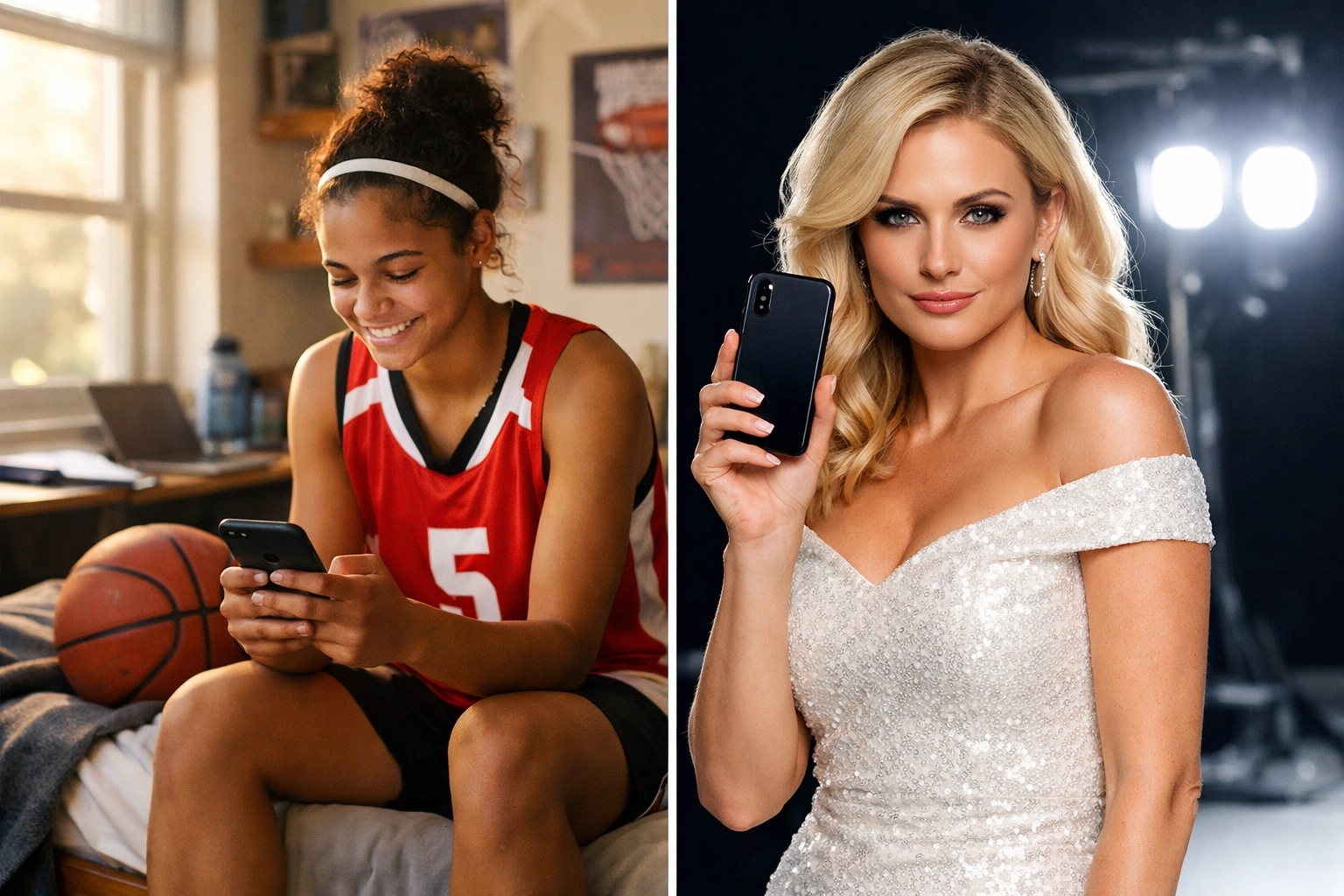
Fortune 100 brands often make the critical error of applying traditional celebrity endorsement playbooks to NIL athletes. This fundamentally misunderstands what makes NIL partnerships valuable.
Professional celebrities operate in highly controlled environments with significant legal and PR infrastructure. NIL athletes are students balancing academics, athletics, and newfound business opportunities. They require different support structures, communication approaches, and creative freedom to maintain the authenticity that makes them effective brand ambassadors.
Additionally, NIL athletes typically have much shorter windows of peak influence: often just 2-4 years. Brands that treat them like long-term celebrity partners miss opportunities for timely, relevant activations.
The Fix: Develop NIL-specific partnership frameworks that account for academic calendars, athletic schedules, and compliance requirements. Create modular content that can be produced efficiently during athlete availability windows. Most importantly, grant NIL partners creative input: their voice is their value.
Mistake #4: Missing the Regional Advantage
Super Bowl advertising traditionally focuses on national reach, which makes sense given the broadcast footprint. However, this national focus causes brands to overlook one of NIL's most powerful attributes: regional influence.
College athletes command intense loyalty within specific geographic markets: particularly in college towns and throughout states with major athletic programs. A top quarterback at a major Southern university holds more influence in that region than most national celebrities.

The Fix: Design tiered Super Bowl campaigns that pair national creative with region-specific NIL activations. Run your main Super Bowl spot nationally, then deploy NIL athletes in targeted digital campaigns within their regions of influence. This approach maximizes both broad reach and deep engagement without fragmenting your core message.
Mistake #5: Generic Messaging Without Differentiation
The 2025 Super Bowl saw multiple AI and tech companies create virtually interchangeable advertisements showing generic product interactions. As one industry analyst noted: "If your entire value prop is AI, and your ad just shows someone typing into an interface, you haven't differentiated at all."
This problem becomes especially acute when brands use NIL athletes to promote products or services without clear differentiation. Simply placing a college athlete in a generic scenario adds little value.
The Fix: Leverage what makes each NIL athlete unique. Their sport, their school, their personal story: these elements create differentiation. Rather than generic product demonstrations, develop narratives that connect the athlete's authentic experience to your brand positioning. Specificity creates memorability.
Mistake #6: Short-Term Thinking in a Long-Term Market
Fortune 100 brands often approach Super Bowl advertising as a one-time event: create the spot, run it during the game, measure immediate response, and move on. This short-term approach particularly undermines NIL strategies because these partnerships build value over time through repeated, authentic interactions.
College athletes develop their brands across seasons and years. Fans follow their journeys, celebrate their achievements, and remain invested in their success. Brands that engage NIL athletes only for single campaigns miss opportunities to build lasting associations.
The Fix: Develop multi-year NIL relationships that use the Super Bowl as a spotlight moment within a longer narrative. Sign athletes before their peak visibility, support their development, and allow audiences to see authentic, evolving partnerships. This approach builds deeper brand affinity and often costs significantly less than one-time celebrity appearances.
Mistake #7: Ignoring the Demographic Imperative
Perhaps the most strategic error Fortune 100 brands make is failing to recognize the demographic reality: younger consumers are increasingly difficult to reach through traditional advertising, and NIL athletes represent one of the few remaining authentic pathways to this audience.
Research consistently shows that Gen Z exhibits greater skepticism toward traditional advertising and celebrity endorsements than any previous generation. They value authenticity, social consciousness, and peer influence. College athletes: who are often part of this same generation: speak their language in ways that corporate messaging and established celebrities cannot.
The Fix: Treat NIL strategy not as a Super Bowl tactic but as a fundamental demographic bridge. Use the Super Bowl's massive platform to introduce NIL partnerships, then nurture these relationships across digital and social channels where younger audiences spend their time. The game provides awareness; ongoing NIL content drives conversion.
Looking Ahead to Future Super Bowls
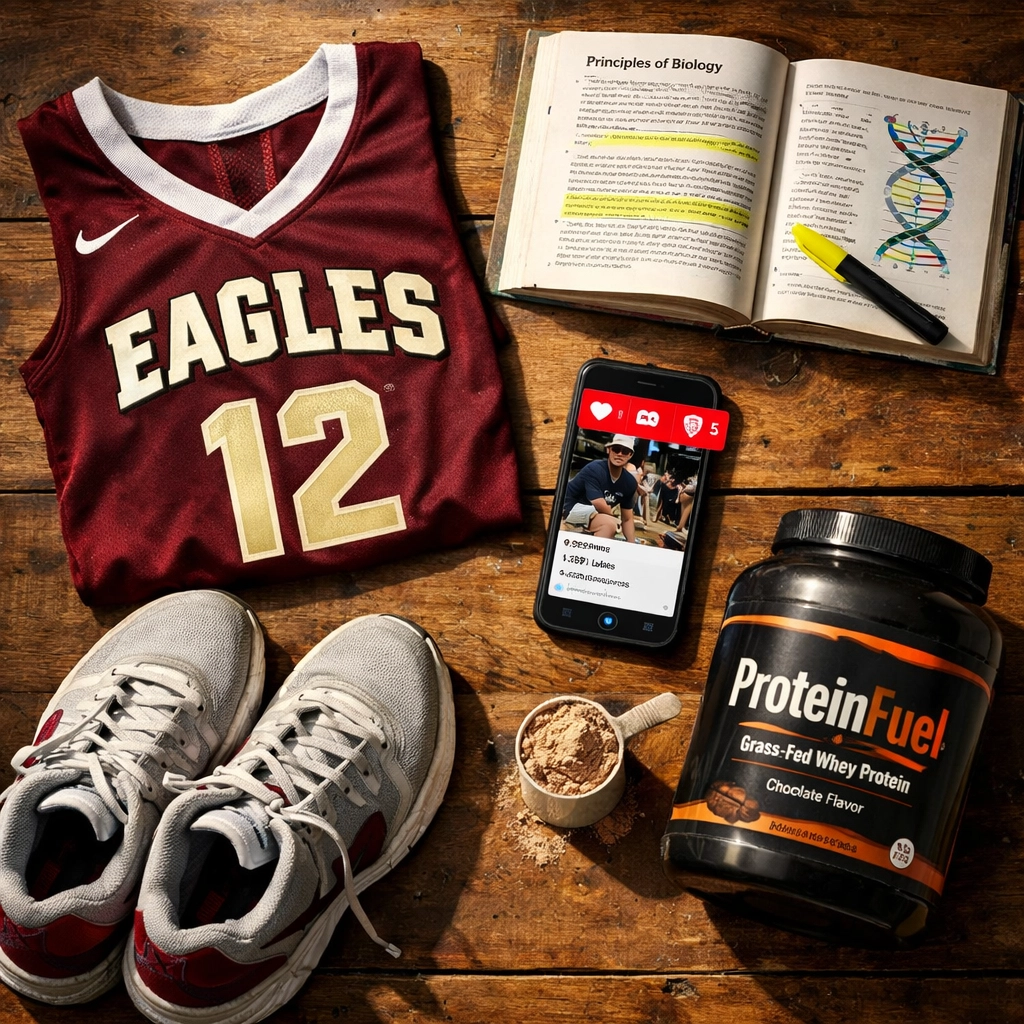
The NIL landscape continues to evolve rapidly, with new opportunities and complexities emerging regularly. Fortune 100 brands that recognize these seven mistakes and implement corrective strategies position themselves to capitalize on one of sports marketing's most significant transformations.
The Super Bowl will always reward creativity, production quality, and strategic messaging. However, the brands that will dominate future Super Bowls won't just master traditional advertising fundamentals: they'll integrate NIL athletes as authentic voices that extend, amplify, and humanize their messages across demographics that traditional approaches increasingly fail to reach.
As we move toward the 2027 Super Bowl and beyond, the question won't be whether Fortune 100 brands use NIL athletes: it will be which brands used them most effectively to build lasting connections with the next generation of consumers.
The NIL revolution is here. The only question is whether your brand will lead it or watch from the sidelines.
For brands ready to develop comprehensive NIL strategies that leverage major events like the Super Bowl, USA Entertainment Ventures LLC provides consulting services designed to navigate this evolving landscape with clarity and results.





