

Traditional academic metrics are losing relevance in corporate America. Graduation rates and test scores no longer tell Fortune 100 companies what they need to know about incoming talent. A fundamental shift is underway: one driven by real-time data, workforce readiness indicators, and predictive analytics that extend far beyond what a transcript can reveal.
The most competitive organizations now deploy sophisticated tracking systems that measure student preparedness across multiple dimensions. These systems generate daily executive-level reporting, transforming education partnerships from abstract investments into operational inputs with quantifiable outputs. For institutions positioning themselves as Future Ready schools, understanding these metrics isn't optional: it's essential infrastructure.
The Fundamental Shift in Talent Assessment
Corporate leaders have recognized a critical gap: standardized test results and college acceptance numbers tell an incomplete story about workforce viability. Students may excel in classroom environments yet struggle when faced with cloud-based collaboration tools, intellectual property decisions in creator economies, or technologies that didn't exist when they began their education.
This reality has prompted Fortune 100 organizations to build analytics dashboards that aggregate workforce-focused data points. These systems provide visibility into talent pipeline health months or years before traditional hiring metrics would reveal problems, enabling rapid intervention when students struggle and strategic positioning when partnership opportunities emerge.

The Ten Core Metrics Driving Decision-Making
1. NIL Education Participation Rates
Name, Image, and Likeness education prepares students to understand personal brand management, intellectual property ownership, and the commercial value of creative output. Companies track not just enrollment but completion rates and demonstrated application of NIL principles in student projects. This signals whether graduates understand the commercial landscape they're entering: a critical differentiator in economies increasingly driven by creator content and digital assets.
2. Real-Time Engagement Analytics
Digital engagement patterns reveal far more than attendance records. Future Ready schools track real-time participation across learning platforms, measuring interaction depth, collaboration patterns, and content creation velocity. These metrics identify struggling students before failure occurs and predict workplace collaboration effectiveness with greater accuracy than any interview process.
3. Project Completion Velocity
Companies measure how quickly students move from assignment to deliverable completion, including iteration cycles, feedback incorporation speed, and collaborative bottlenecks. This metric serves as a proxy for time management, deadline adherence, and productive workflow habits that traditional transcripts fail to capture. Students who demonstrate rapid iteration and feedback responsiveness consistently outperform peers in fast-paced corporate environments.

4. Portfolio Development Metrics
Organizations track the quantity and quality of public-facing work students produce: from published writing to coded projects and design work. This provides immediate insight into work quality and presentation skills that interviews alone cannot reveal. Portfolio velocity and diversity serve as leading indicators of creative problem-solving capabilities and professional polish.
5. Post-Hire Performance Indicators
Beyond college metrics, companies monitor how pipeline participants perform after graduation, including time to full productivity and retention rates. One Fortune 100 organization reported that candidates entering through structured talent pipeline programs reached full productivity 30 percent faster than traditionally recruited employees, with 25 percent higher retention rates after two years. This data validates the entire educational partnership model and justifies continued investment.
6. Media Literacy Skill Development
Students demonstrating strong media literacy skills show greater aptitude for data analysis, strategic communication, and critical thinking: all essential capabilities in modern enterprises. Companies use analytics infrastructure to identify students excelling in these areas, tracking their progression through increasingly complex media analysis challenges. As misinformation and data manipulation become more sophisticated, media literacy emerges as a foundational business competency.

7. Skill Acquisition Rates
Data analytics dashboards monitor student progression through targeted competency areas, tracking measurable skill development over time. Unlike binary pass-fail grading systems, acquisition rate tracking reveals learning velocity and adaptation capacity. Students who demonstrate rapid skill acquisition in unfamiliar domains consistently outperform those with static expertise in narrow fields.
8. Program Completion Percentages
Universities and corporate partners track how many students successfully complete talent development initiatives. Completion rates below 70 percent signal program design issues or misaligned expectations. High completion rates coupled with low post-hire performance suggest credential inflation rather than genuine skill development. The optimal range: 75 to 85 percent completion: indicates appropriate rigor with accessible pathways for motivated students.
9. Student Engagement Levels
Companies measure participation in workshops, certification programs, mentorship initiatives, and project-based assessments. Engagement scoring extends beyond simple attendance, incorporating contribution quality, peer collaboration effectiveness, and mentor feedback responsiveness. Students in the top quartile of engagement metrics demonstrate 40 percent higher workplace satisfaction scores and faster promotion velocity.
10. Partnership Effectiveness Metrics
Fortune 100 organizations evaluate cost per qualified candidate, curriculum alignment with industry needs, and whether graduates from specific programs consistently outperform others in the workplace. These metrics determine which educational partnerships receive expanded investment and which face restructuring or discontinuation. Partnership effectiveness scoring has become a C-suite priority, with quarterly reviews common among organizations investing heavily in talent pipeline development.
The Infrastructure Behind the Data
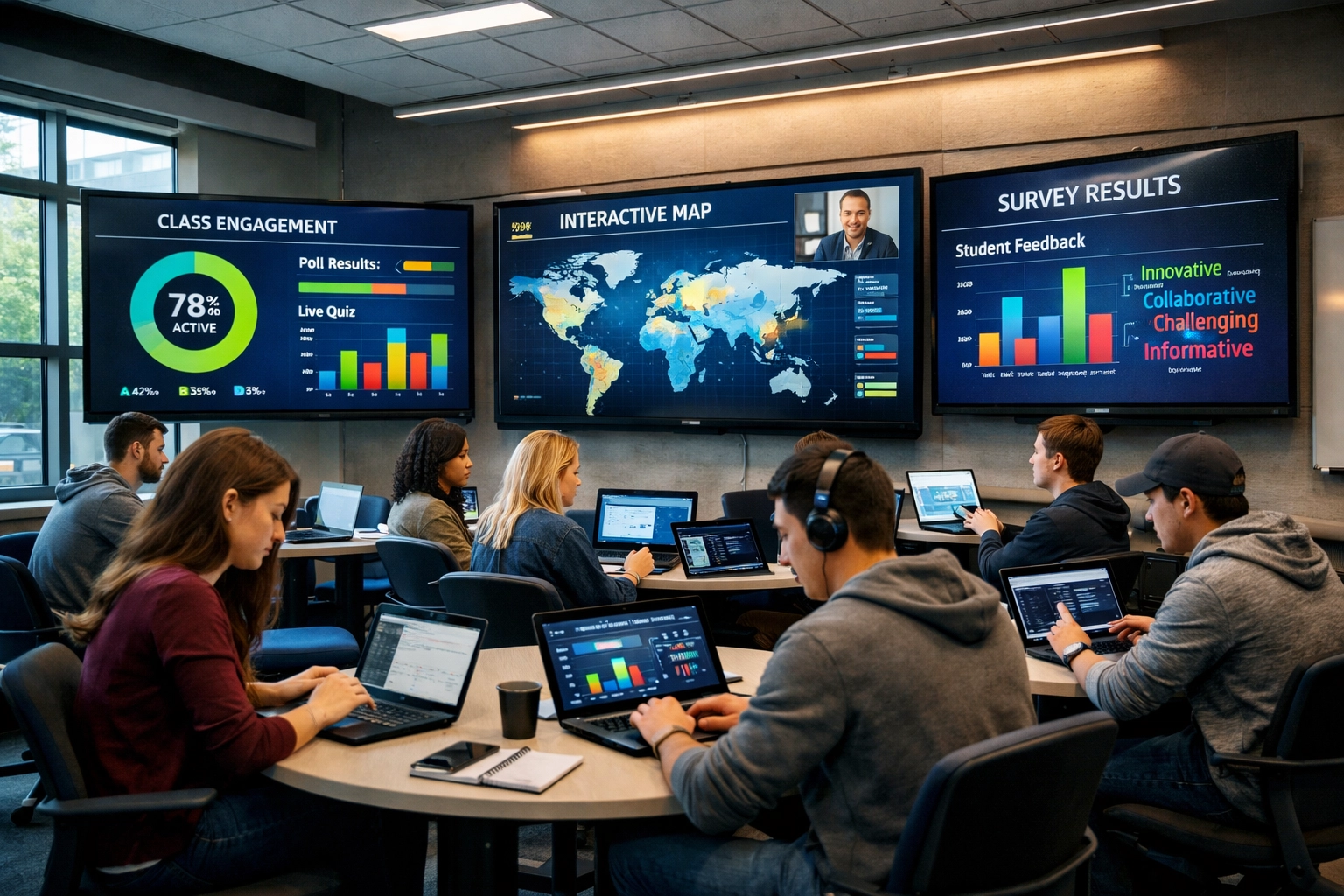
Integrated analytics dashboards aggregate these data points into executive-level reporting that updates daily. This infrastructure represents a significant departure from annual surveys and periodic program reviews. Real-time visibility enables dynamic resource allocation, immediate intervention for struggling students, and rapid identification of emerging skill gaps.
The most sophisticated systems incorporate predictive modeling that forecasts workplace performance based on college engagement patterns. Machine learning algorithms identify correlation patterns between specific behaviors: such as peer tutoring frequency or interdisciplinary project participation: and post-hire success metrics. This predictive capacity transforms educational partnerships from retrospective cost centers into forward-looking strategic assets.
Implications for Future Ready Schools
Institutions positioning themselves as Future Ready schools must build the technical infrastructure to capture and report these metrics. This requires investment in learning management systems with robust analytics capabilities, partnerships with corporate entities willing to share post-hire performance data, and cultural shifts that prioritize measurable outcomes alongside traditional academic values.
The competitive advantage accrues to schools that move quickly. As Fortune 100 companies refine their tracking systems and expand their educational partnerships, institutions demonstrating comprehensive metric reporting gain preferential access to corporate resources, guest speakers, internship pathways, and direct-to-hire programs.
The Path Forward
The transition from traditional academic metrics to workforce-focused data points represents more than operational refinement: it signals a fundamental reconceptualization of education's role in talent development. Fortune 100 companies no longer view colleges as credential providers but as the first stage in continuous workforce development systems.
Schools that embrace this reality and build the infrastructure to support data-driven partnerships will anchor themselves as essential components in corporate talent strategies. Those that resist or delay will find themselves marginalized as companies redirect resources toward institutions willing to measure what matters: genuine workforce readiness demonstrated through quantifiable, predictive indicators.
The data infrastructure exists. The tracking frameworks are proven. The question facing educational leaders is straightforward: Will your institution build the systems that position it as a Future Ready school, or will you watch from the sidelines as more agile competitors capture the partnership opportunities that define the next generation of talent development?





