
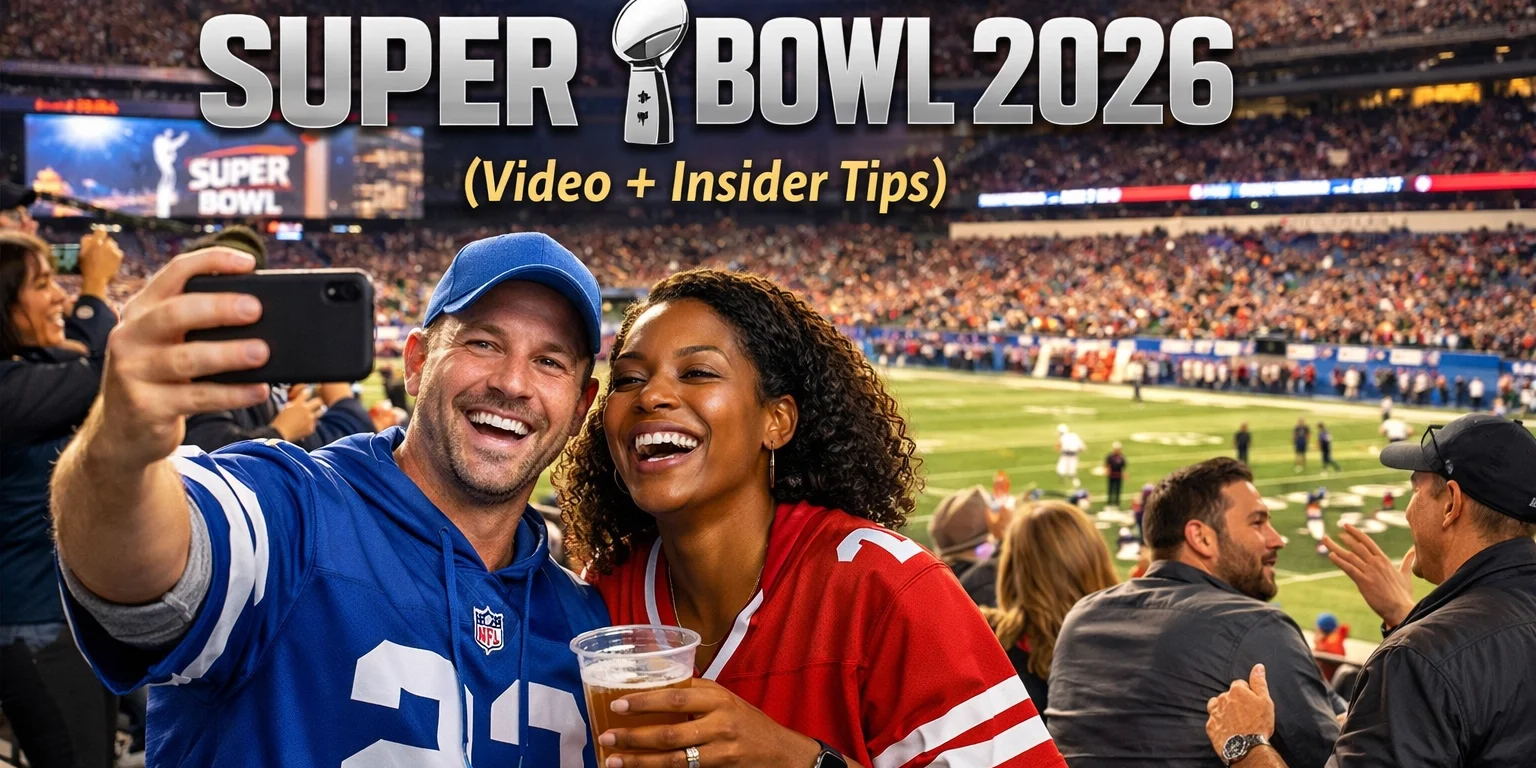
Super Bowl LX just wrapped up at Levi's Stadium in Santa Clara, California, and while the game itself delivered memorable moments, the real story for many attendees was what happened off the field. The week leading up to the February 8th showdown offered fans unprecedented access to players, coaches, and fellow enthusiasts: creating tangible connections that extended far beyond watching from the stands.
For those who experienced Super Bowl Week in the Bay Area, the event demonstrated a fundamental shift in how major sporting events engage their audiences. Rather than treating fans as passive spectators, the NFL created multiple touchpoints designed to foster genuine interactions and lasting memories. Understanding what worked: and why: offers valuable insights for anyone planning to attend future Super Bowl events or seeking to create meaningful experiences at large-scale sporting occasions.
The Evolution of Fan Engagement at Major Sporting Events
The modern sports landscape has moved decisively toward experiential engagement. According to industry analysis, fans increasingly value participatory experiences that allow them to feel like active participants rather than distant observers. This trend has prompted event organizers to reimagine how they structure the days surrounding marquee events like the Super Bowl.
Super Bowl LX Week exemplified this approach through a series of carefully designed events that prioritized accessibility and interaction. The Bay Area hosted experiences that ranged from intimate player encounters to large-scale community celebrations, each serving a distinct purpose in building connections between fans, teams, and the broader football community.
Inside Super Bowl LX Week: Where Connections Happened
Super Bowl Opening Night: The Foundation for Interaction
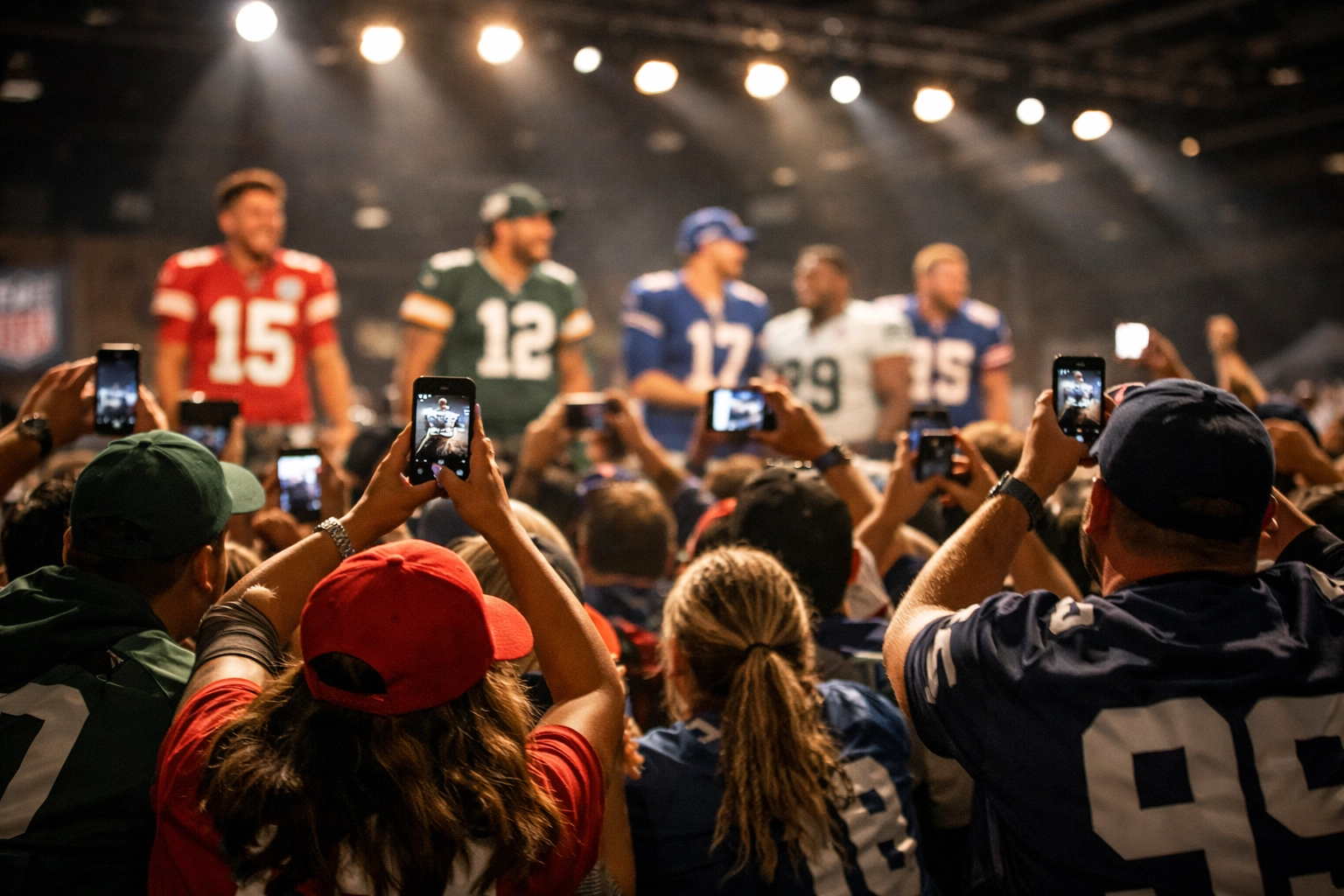
The week's cornerstone event, Super Bowl Opening Night fueled by Gatorade, took place at the San Jose Convention Center and represented the only public appearance by both AFC and NFC champions before game day. This free event featured back-to-back sessions where fans could hear directly from players and coaches, ask questions, and engage in ways that typical game-day attendance doesn't permit.
The format proved particularly effective because it removed many traditional barriers between fans and players. Unlike formal press conferences or tightly controlled media events, Opening Night created an environment where authenticity could flourish. Fans reported feeling genuinely connected to team narratives and individual player stories in ways that highlight reels and social media posts simply cannot replicate.
The Super Bowl Experience: Hands-On Engagement
At Moscone Center, the Super Bowl Experience presented by Jersey Mike's transformed abstract football fandom into concrete, tactile experiences. Current NFL players and Legends participated in autograph sessions, allowing fans to secure personalized memorabilia while engaging in brief but meaningful exchanges.
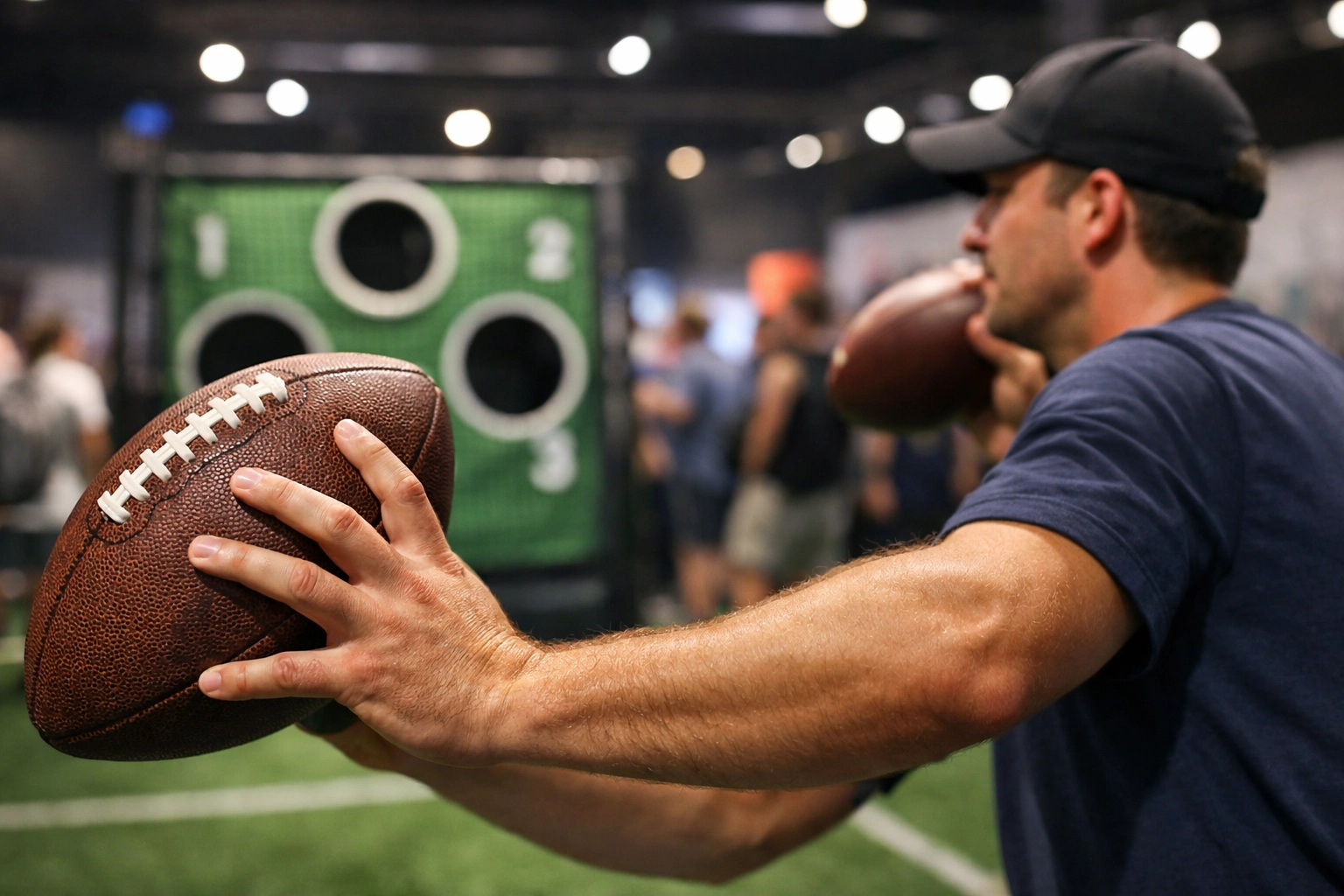
Beyond autographs, the Experience offered interactive games that let attendees test their own skills against NFL-caliber challenges. These activities served dual purposes: they provided entertainment while also deepening fans' appreciation for the athletic demands of professional football. When you've attempted to throw a spiral through a moving target or tested your forty-yard dash time, you gain fresh perspective on what makes NFL athletes exceptional.
The display of all 59 Super Bowl rings alongside photo opportunities with the Vince Lombardi Trophy added historical context to the contemporary experience. These elements connected present-day fans with the sport's rich legacy, creating moments where personal fandom intersects with football's broader narrative.
https://www.youtube.com/watch?v=l6J-0zileKE
Community-Centered Experiences: The Bay Area Difference
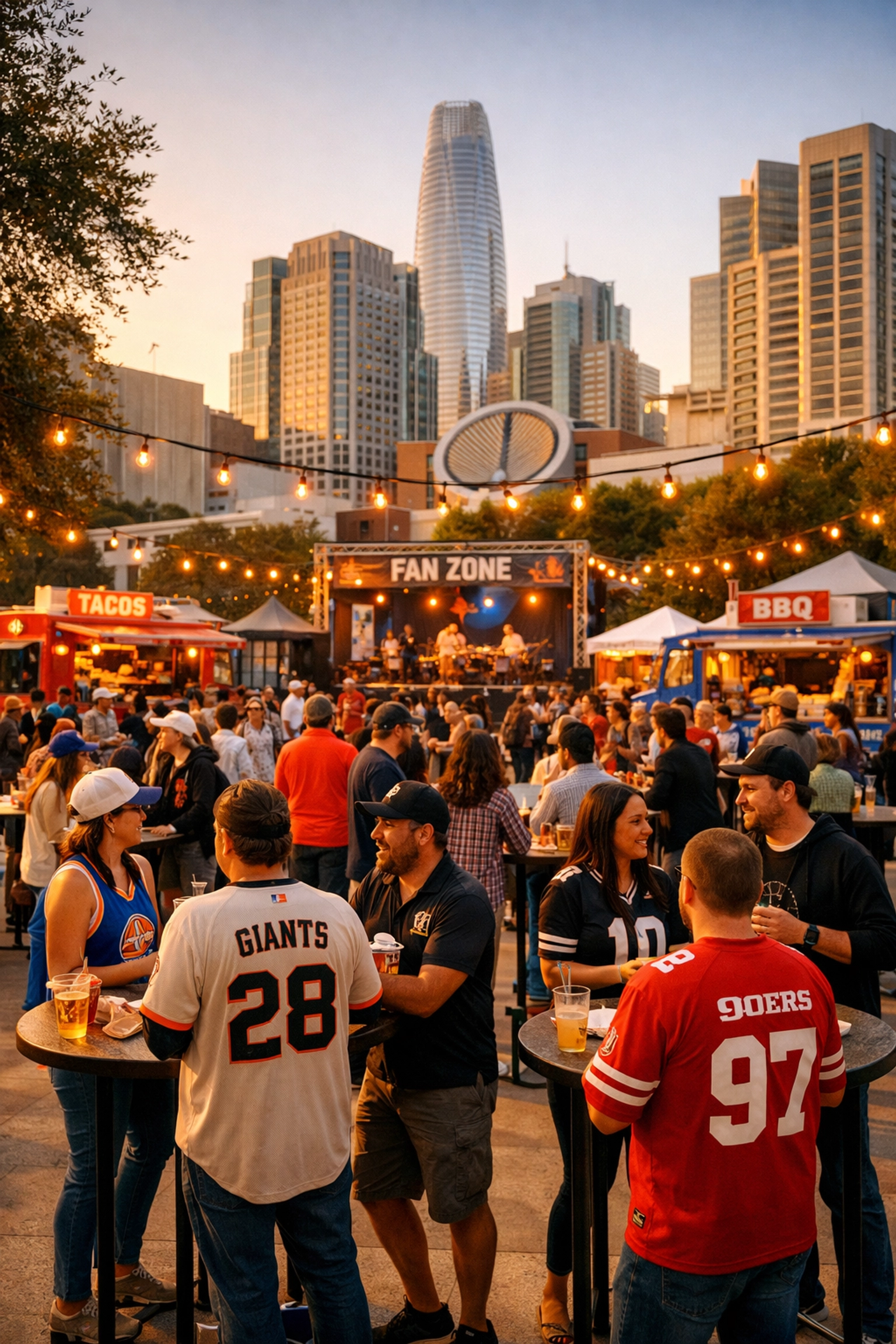
BAHC Live! San Francisco Fan Zone at Yerba Buena Gardens demonstrated how location-specific programming can enhance Super Bowl Week. By integrating local food vendors, regional musical acts, and Bay Area cultural elements, organizers created an experience that honored both football tradition and community identity.
This approach proved particularly valuable for fans who wanted to celebrate the Super Bowl while also exploring their host city's unique character. Rather than treating Super Bowl Week as an isolated bubble separate from its surroundings, the Fan Zone acknowledged that meaningful connections often emerge when events embrace their geographic and cultural context.
Strategic Approaches for Making Real Connections
Timing and Planning
Successful connection-making at Super Bowl Week requires advance planning. Events like Opening Night and the Super Bowl Experience operated on schedules that filled quickly, with prime time slots and popular player appearances commanding significant demand. Fans who secured their spots early generally reported more satisfying experiences than those who attempted last-minute participation.
This reality underscores a broader principle: meaningful engagement at major events doesn't happen by accident. It requires research, coordination, and often some degree of flexibility. Reviewing event schedules as soon as they're announced, identifying priority experiences, and building contingency plans all contribute to maximizing connection opportunities.
Authenticity Over Exhaustion
One common pitfall involves attempting to attend every available event. Super Bowl Week offered such a dense array of programming that comprehensive attendance would have meant sacrificing depth for breadth. The most fulfilled attendees typically chose a focused subset of experiences that aligned with their specific interests rather than trying to check every box.
This selective approach allowed for more meaningful engagement at chosen events. When you're not rushing from one venue to the next, you can have longer conversations with fellow fans, spend additional time at interactive exhibits, or simply absorb the atmosphere more fully.
Leveraging Community Spaces
While marquee events like Opening Night drew significant attention, community-focused gatherings often provided equally valuable connection opportunities with smaller crowds and more relaxed atmospheres. The Fan Zone's emphasis on local culture created natural conversation starters among attendees who might not otherwise have interacted.
These spaces also offered intergenerational appeal, bringing together longtime fans, newcomers to the sport, and families seeking accessible entry points into Super Bowl Week's broader festivities.
What This Means for Future Super Bowl Experiences
Super Bowl LX Week's success in facilitating genuine fan connections establishes a template that future host cities will likely adapt and expand. The proven demand for interactive, accessible programming suggests that subsequent Super Bowls will continue prioritizing experiential elements alongside traditional game-day focuses.
For fans planning to attend future Super Bowls, several lessons emerge clearly. First, the week surrounding the game often provides more intimate connection opportunities than game day itself. Second, free or low-cost events can deliver experiences comparable to premium-priced offerings. Third, the most memorable moments frequently occur in unexpected contexts: conversations with strangers at community events, serendipitous player encounters, or shared experiences that transcend the planned programming.
The NFL's investment in creating these tangible fan experiences reflects broader recognition that modern sports fandom extends beyond consuming games through screens. People seek embodied experiences, personal interactions, and memories rooted in physical presence and genuine human connection.
Applying These Insights Beyond the Super Bowl
While Super Bowl Week represents an exceptional case study, the principles underlying its success translate to other sporting events and large-scale gatherings. Whether attending conference championships, playoff games, or even local team events, fans can create meaningful connections by:
- Researching available programming before arrival
- Prioritizing quality of experience over quantity of activities
- Engaging authentically with both organized events and spontaneous opportunities
- Balancing structured programming with unplanned exploration
- Connecting with fellow attendees through shared passion rather than passive observation
The Bay Area's Super Bowl LX Week demonstrated that when organizers create intentional spaces for connection and fans approach these opportunities with openness and preparation, the result transcends typical event attendance. These experiences become stories that fans carry forward, relationships that extend beyond a single week, and memories that deepen their connection to the sport itself.
As the NFL continues refining its approach to fan engagement and as future host cities contribute their own innovations, the model established in San Francisco and Santa Clara will serve as a valuable reference point. For fans, the message is clear: the real game happens not just on the field, but in the connections we forge in the stands, at community events, and in every space where shared passion for football brings people together.





