
The landscape of sports marketing has fundamentally shifted. As Super Bowl 2026 approaches, Fortune 100 brands are abandoning traditional celebrity endorsement models in favor of a more dynamic, authentic approach: Name, Image, and Likeness (NIL) partnerships with college athletes. This strategic pivot represents not merely a trend but a fundamental restructuring of how corporations engage with athletic talent and, by extension, with younger demographics who increasingly filter out inauthentic marketing messages.
The NIL revolution has bridged a gap that existed for decades: the divide between professional sports marketing and college athletics. With the regulatory changes that enabled college athletes to monetize their personal brands, forward-thinking corporations now possess access to an untapped reservoir of authentic voices who command engaged, loyal audiences across social platforms. However, success in this new terrain requires a structured approach rather than opportunistic deals hastily assembled as the big game approaches.
The Strategic Imperative for Fortune 100 Brands
Before examining the five-step framework, it is essential to understand why NIL partnerships centered around the Super Bowl present such a significant opportunity. Traditional celebrity endorsements, while still valuable, face mounting skepticism from Gen Z and younger millennial consumers. These demographics possess sophisticated filters for detecting inauthentic partnerships, and they increasingly gravitate toward personalities they perceive as genuine and relatable.
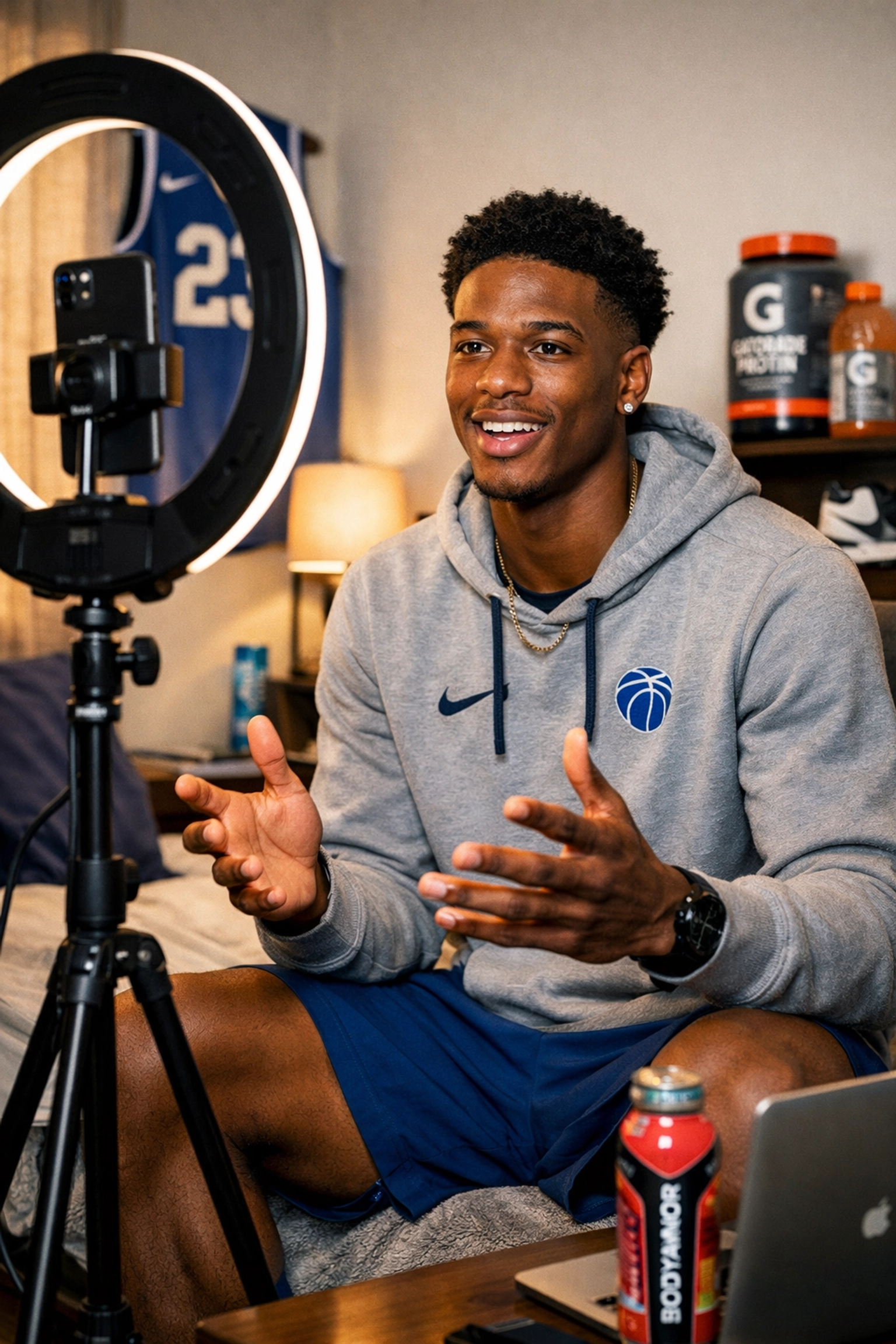
College athletes occupy a unique position in this ecosystem. They maintain strong connections to their universities, local communities, and peer networks while simultaneously building national recognition. Their audiences engage at higher rates than those of many established professional athletes, and their content often feels less polished and more authentic: qualities that resonate powerfully with younger consumers.
https://www.youtube.com/watch?v=l6J-0zileKE
Step 1: Start Early: Cultivate Relationships Six Months in Advance
The most common strategic error brands commit is treating NIL partnerships as transactional arrangements initiated weeks before a major event. Research demonstrates that effective NIL campaigns require a minimum of six months of relationship development prior to major activations like the Super Bowl.
This extended timeline serves multiple purposes. First, it allows athletes to naturally integrate your brand into their existing content ecosystem rather than forcing sudden promotional pivots that audiences immediately recognize as inauthentic. Second, it provides time for both parties to understand expectations, refine messaging, and develop genuine rapport. Third, it enables the brand to assess performance and adjust strategy well before the high-stakes Super Bowl window arrives.
Enterprise brands should view this initial period not as preliminary work but as the foundation upon which all subsequent success rests. Athletes who feel valued as partners rather than temporary promotional vehicles deliver substantially higher engagement rates and more authentic content that resonates with their audiences.
Step 2: Develop a Portfolio Approach: Diversify Beyond Marquee Names
The instinct to secure one or two high-profile college athletes commanding premium rates represents another strategic misstep. While marquee athletes possess obvious appeal, a portfolio approach that combines high-profile talent with a network of mid-tier partners delivers superior results across multiple dimensions.
Mid-tier athletes: those with engaged, niche followings rather than massive national recognition: often represent exceptional untapped value. Their audiences may be smaller, but engagement rates frequently exceed those of more prominent athletes. Additionally, these partnerships reduce risk; if a star athlete faces unexpected challenges or controversies, brands with diversified portfolios maintain continuity and momentum.
This strategic approach also enables broader geographic penetration. Rather than relying exclusively on athletes with national followings, brands can identify college athletes with strong regional influence in markets where the company seeks growth. A portfolio of twenty athletes across key markets often delivers more meaningful business outcomes than a single partnership with a Heisman Trophy candidate.
Step 3: Prioritize Authenticity: Co-Create Rather Than Script
The research is unequivocal on this point: treating NIL athletes like traditional celebrity endorsers with pre-scripted advertisements represents the most consequential mistake brands make in this space. Audiences immediately detect forced messaging that conflicts with an athlete's established persona, and such missteps damage both the athlete's credibility and the brand's reputation.
Successful NIL partnerships operate through co-creation. Brands provide guidelines, brand values, and key messages, but they empower athletes to translate these elements into content that aligns with their authentic voice and existing content style. This approach generates higher engagement rates and stronger brand affinity, particularly among Gen Z consumers who value authenticity above production quality.
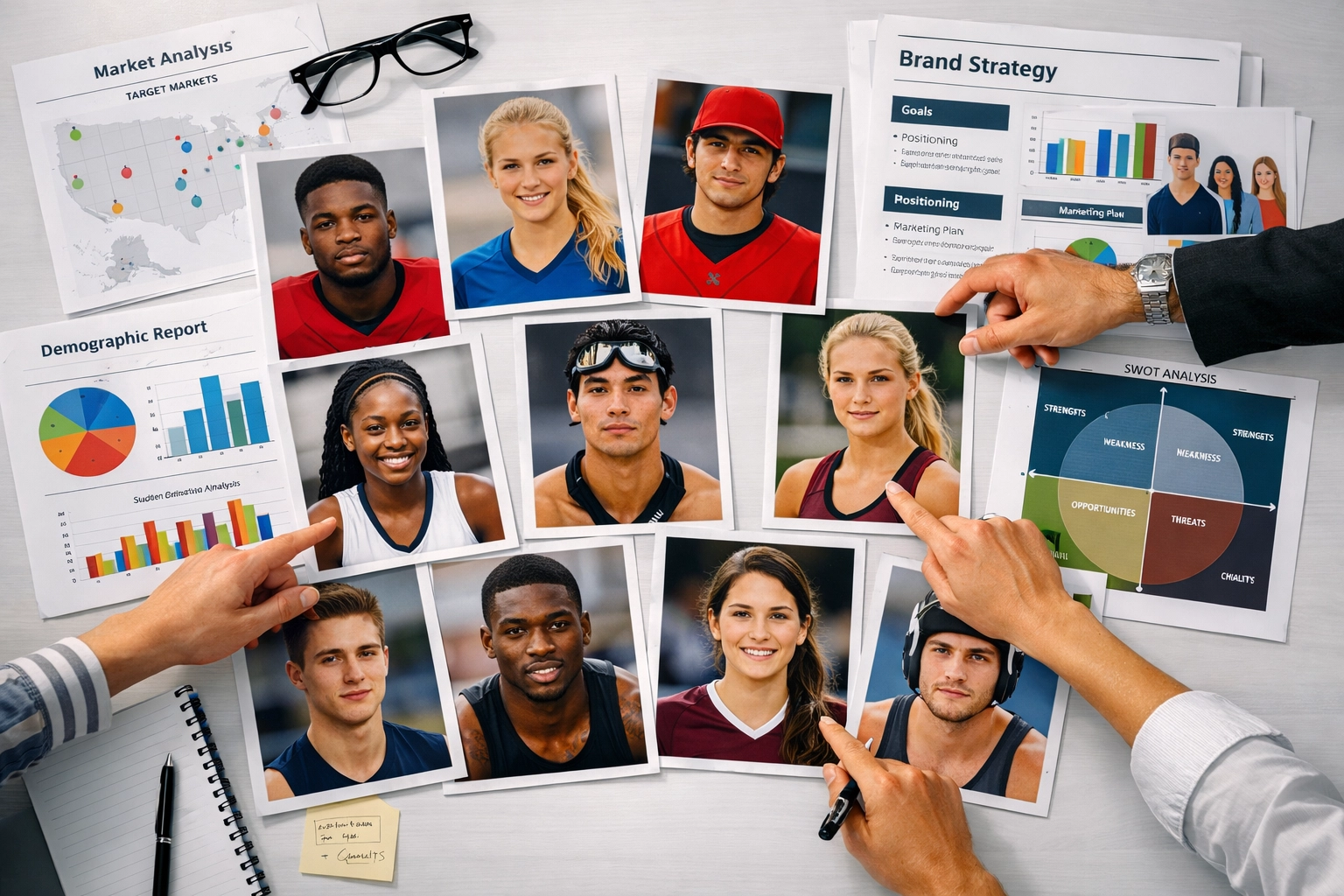
Before finalizing any partnership, conduct thorough assessment of whether the athlete's values, content style, and audience demographics genuinely match your brand identity. Demographic alignment matters, but values alignment matters more. An athlete who naturally embodies your brand's principles will create more effective content than one who possesses perfect demographic reach but must stretch to connect your product with their personal brand.
Step 4: Implement a Dual-Track Strategy: National Campaigns Meet Local Activation
The most sophisticated Fortune 100 brands executing NIL strategies around Super Bowl 2026 employ what researchers term a "dual-track strategy." This approach pairs national Super Bowl campaign elements with localized NIL partnerships designed to drive regional engagement and market-specific growth.
Consider a national automotive brand launching a Super Bowl advertisement. While that ad delivers massive reach, the impact can be amplified through simultaneous activation of NIL partnerships in key markets. College athletes with strong followings in regions where the brand seeks to increase market share create localized content that ties back to the national campaign messaging while adding authentic, regional flavor.
This dual-track approach often delivers better regional engagement than relying solely on national celebrity endorsers. Local consumers see athletes they recognize and follow discussing products in contexts relevant to their communities. The national campaign provides broad awareness; the localized NIL partnerships drive consideration and conversion.
Step 5: Measure Everything: Implement Performance-Based Frameworks
The final step in the framework addresses accountability and optimization. Traditional celebrity endorsements often struggle with attribution: determining precisely what business outcomes resulted from the partnership. NIL campaigns around Super Bowl 2026 must incorporate robust performance measurement from inception.
Performance-based campaigns with comprehensive tracking, attribution, and reporting systems enable brands to measure real outcomes and tie athlete-driven influence directly to revenue. This infrastructure allows enterprise organizations to manage portfolios of dozens or even hundreds of athletes simultaneously while maintaining accountability for results.
Key metrics extend beyond vanity measurements like impressions or follower counts. Effective performance frameworks track engagement rates, click-through rates, conversion rates, brand sentiment shifts, and ultimately, revenue attribution. This data-driven approach enables continuous optimization throughout the campaign lifecycle rather than waiting until after the Super Bowl to assess effectiveness.
Advanced platforms now enable brands to implement these performance measurement systems at scale, providing real-time dashboards that track every athlete partnership across multiple dimensions. This technological infrastructure represents a competitive advantage for organizations willing to invest in proper measurement frameworks.
Looking Forward: The Sustainable Competitive Advantage
As Super Bowl 2026 approaches, the brands that will derive maximum value from NIL partnerships are those that view these relationships not as temporary promotional tactics but as sustainable competitive advantages. The five-step framework outlined here: early relationship cultivation, portfolio diversification, authentic co-creation, dual-track strategy implementation, and comprehensive performance measurement: provides the foundation for success.
The NIL revolution has permanently altered the sports marketing landscape. College athletes now represent powerful voices with engaged audiences, and the brands that learn to partner with these athletes authentically and strategically will capture mindshare among younger demographics increasingly resistant to traditional advertising approaches.
Fortune 100 brands possess the resources to implement this framework at scale. The question is not whether NIL partnerships around major events like the Super Bowl present opportunities, but whether organizations will commit to the strategic, relationship-driven approach these partnerships require to deliver meaningful business outcomes. The evidence suggests that those who do will gain substantial advantages in reaching and resonating with the next generation of consumers.





