
If you were one of the lucky fans who made it to Levi's Stadium on February 8, 2026, you experienced something truly special. Super Bowl LX wasn't just another championship game: it was a celebration of connection, culture, and unforgettable moments that brought fans together in ways that went far beyond the scoreboard.
The Seattle Seahawks' victory over the New England Patriots at 6:30 PM ET that Sunday evening was just the centerpiece of an experience that started days before kickoff and created memories that will last a lifetime. For those who attended, watched from home, or participated in the festivities around the San Francisco Bay Area, this Super Bowl represented a new era of fan engagement and tangible experiences.
The Bay Area Backdrop: More Than Just a Venue
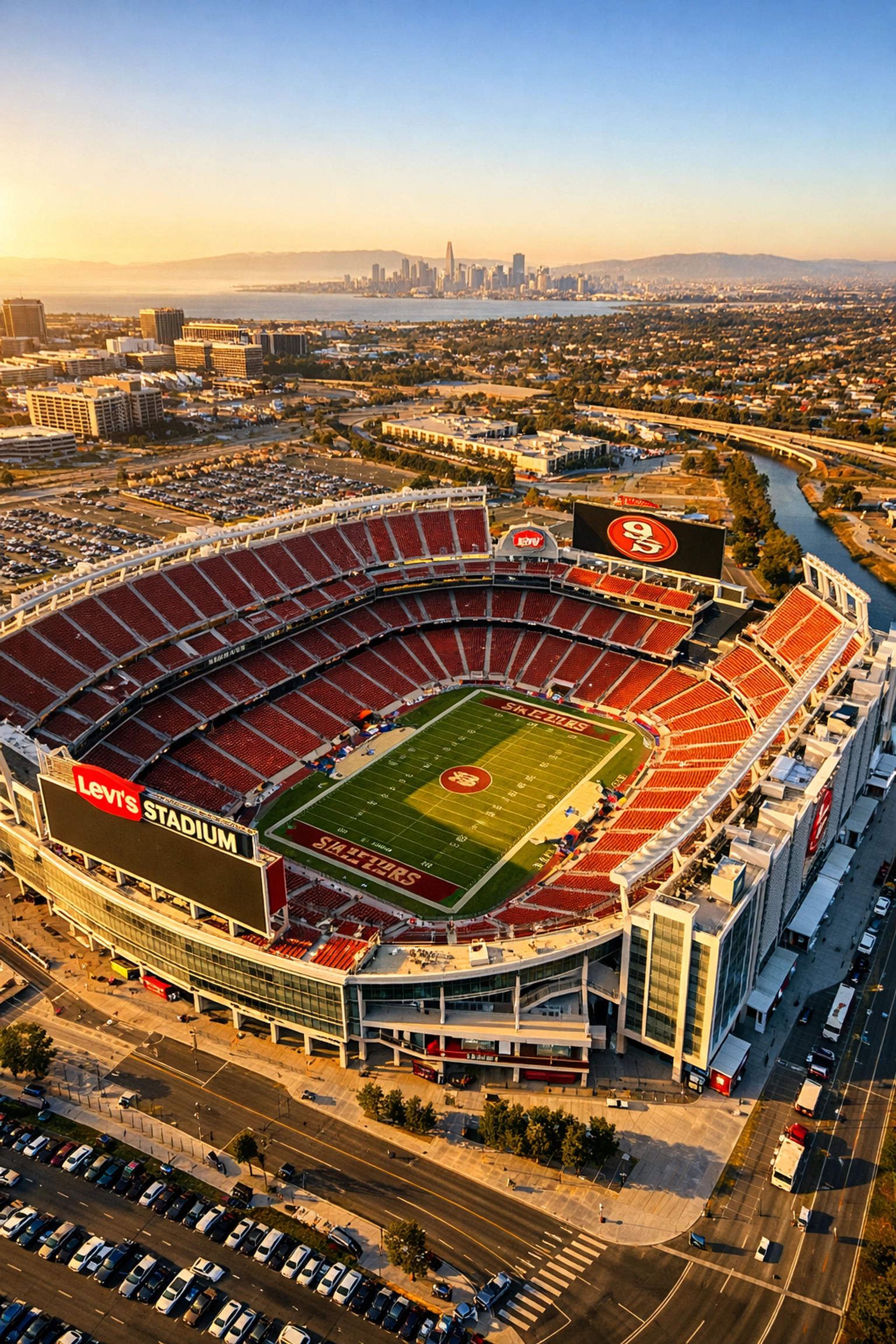
Levi's Stadium in Santa Clara, California, proved once again why it's become one of the premier destinations for major sporting events. Located about 45 miles south of San Francisco, this modern 68,500-seat venue hosted its second Super Bowl, building on the success of its first championship game in 2016.
But what made this experience different was how the entire Bay Area transformed into a celebration zone. From San Francisco to Santa Clara, fans found themselves immersed in a week-long festival atmosphere that turned the region into the ultimate football destination. The Pro Bowl events in San Francisco set the stage, creating a bridge between the all-star showcase and the main event that kept energy levels high throughout the week.
For fans traveling from across the country and around the world, the Bay Area offered an unbeatable combination: world-class entertainment, diverse culinary experiences, iconic landmarks, and perfect February weather that made outdoor festivities a joy rather than an endurance test. The region's tech-forward infrastructure also meant seamless connectivity, allowing fans to share their experiences in real-time and stay connected with fellow supporters no matter where they were.
Entertainment That Made History
The entertainment lineup for Super Bowl LX broke new ground and set a tone that resonated with the diverse, connected audience that modern sports events attract. Green Day kicked off the evening with an opening ceremony that honored six decades of Super Bowl history, welcoming past MVPs onto the field in a moment that connected generations of football greatness.
Then came the halftime show that everyone is still talking about. Bad Bunny made history as the first Latin male artist to headline a Super Bowl halftime performance, delivering a high-energy spectacle that celebrated cultural diversity and demonstrated the NFL's commitment to reflecting the evolving face of its fan base. The performance wasn't just entertaining: it was a statement about inclusion, representation, and the power of bringing different communities together through shared experiences.
These weren't just performances; they were connection points. Fans from different backgrounds, age groups, and musical preferences found common ground in the shared experience of witnessing something historic unfold in real time.
The Game: Where Competition Meets Community
While the Seahawks and Patriots battled on the field, something equally important was happening in the stands and in living rooms across America. Fans weren't just watching a game: they were participating in a collective experience that transcended the final score.
The broadcast on NBC and streaming availability on Peacock meant that whether you were in the stadium, at a watch party, or viewing from home, you had access to the same high-quality experience. Technology has transformed how we engage with major sporting events, but Super Bowl LX proved that technology works best when it enhances rather than replaces human connection.
Fans in the stadium reported feeling part of something larger than themselves. The energy, the roar of the crowd, the collective gasps and celebrations: these tangible moments create bonds between strangers that often last well beyond the final whistle. According to post-event surveys, attendees consistently cited the sense of community and shared purpose as highlights that rivaled even the most exciting plays on the field.
Creating Tangible Fan Experiences: A New Playbook
What made Super Bowl LX stand out wasn't just what happened during the three-hour broadcast window. It was the ecosystem of experiences built around the event that transformed it from a game into a week-long celebration of sports, culture, and community.
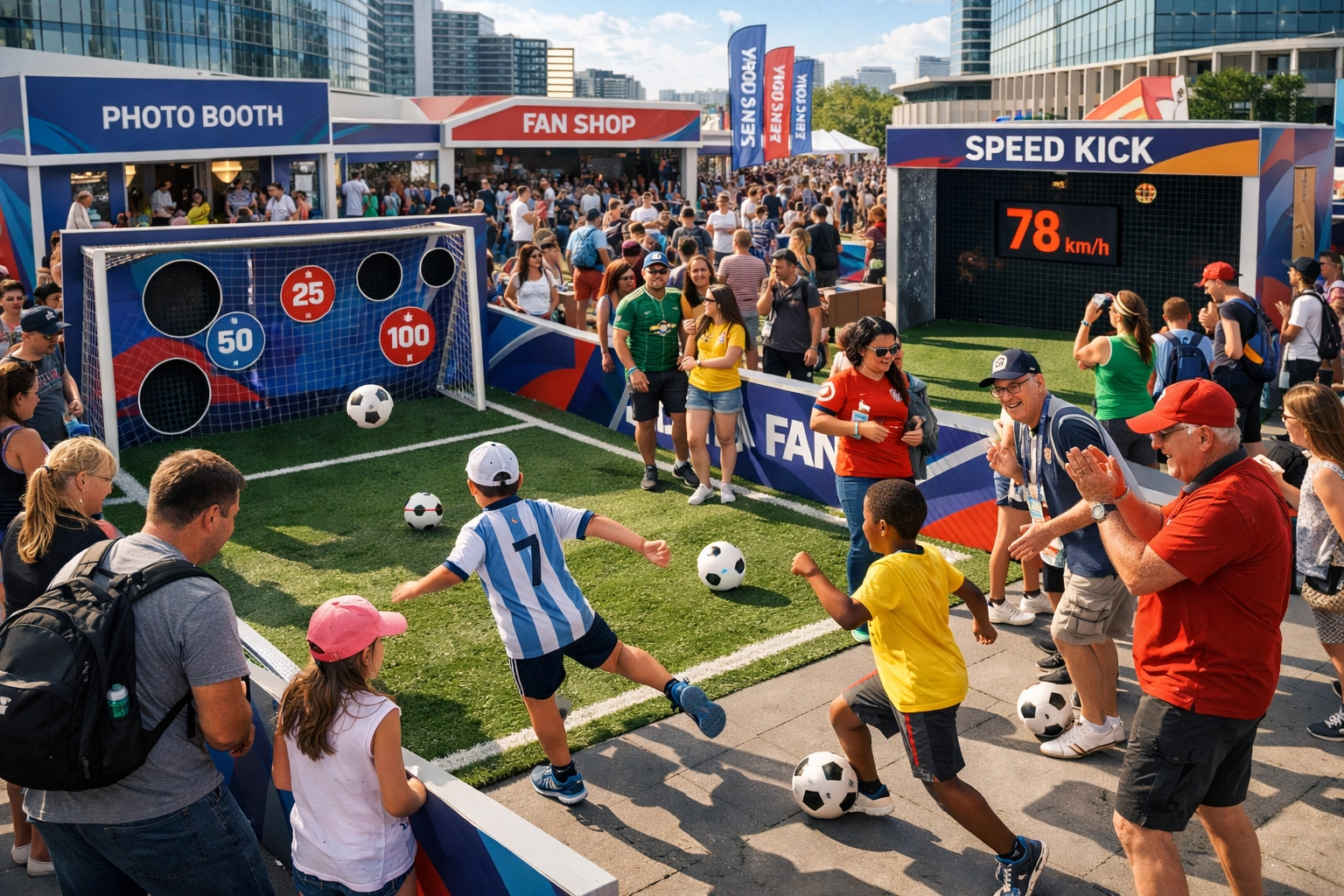
Fan zones throughout the Bay Area offered interactive experiences where attendees could test their football skills, meet former players, and engage with brands in meaningful ways. These weren't just marketing activations: they were opportunities for fans to create their own stories and memories connected to the larger event.
The emphasis on tangible experiences reflects a broader trend in sports entertainment. In an increasingly digital world, people crave real-world connections and physical experiences that they can feel, touch, and remember. Super Bowl LX delivered on this need through careful planning and an understanding that modern fans want more than passive viewing: they want active participation.
Lessons for Future Fan Engagement
The success of Super Bowl LX's fan-focused approach offers valuable insights for anyone planning major events or thinking about how to create meaningful connections in sports and entertainment. Several key principles emerged:
Accessibility matters. By offering multiple viewing options and price points throughout the week's events, organizers ensured that fans at different budget levels could participate in the experience. Not everyone could afford stadium tickets, but fan zones, viewing parties, and interactive experiences meant that everyone could feel included.
Culture and diversity drive engagement. Bad Bunny's historic halftime performance demonstrated that embracing diverse artists and cultural expressions doesn't alienate traditional audiences: it expands them. Fans appreciated seeing different communities represented and celebrated.
Technology should enhance, not replace. The seamless integration of digital tools for sharing experiences, accessing real-time information, and staying connected with other fans showed that technology works best when it serves human connection rather than substituting for it.
The experience extends beyond the event itself. Successful fan engagement begins long before kickoff and continues well after the final whistle. The conversations, shared photos, and memories created during Super Bowl week 2026 continue to generate engagement and anticipation for future events.
Looking Ahead: The Future of Fan Experiences
As we reflect on what made Super Bowl LX special, it becomes clear that the future of sports entertainment lies in creating multilayered, accessible, and culturally diverse experiences that prioritize genuine human connection. The most successful events will be those that understand fans aren't just spectators: they're participants in a shared cultural moment.
For organizations and businesses thinking about how to create similar engagement, the lesson is clear: invest in the ecosystem around your core offering. The game itself may last three hours, but the experiences, connections, and memories fans create can last a lifetime.
Super Bowl LX proved that when you focus on creating tangible, meaningful experiences that bring diverse groups together, everyone wins: not just the team holding the trophy at the end of the night. The Seahawks may have taken home the championship, but every fan who participated in that week's festivities left with something valuable: connection, community, and memories worth celebrating.
As we look toward future Super Bowls and major sporting events, the bar has been raised. Fans now expect: and deserve: experiences that go beyond the scoreboard and create the kind of tangible connections that make sports truly special.





