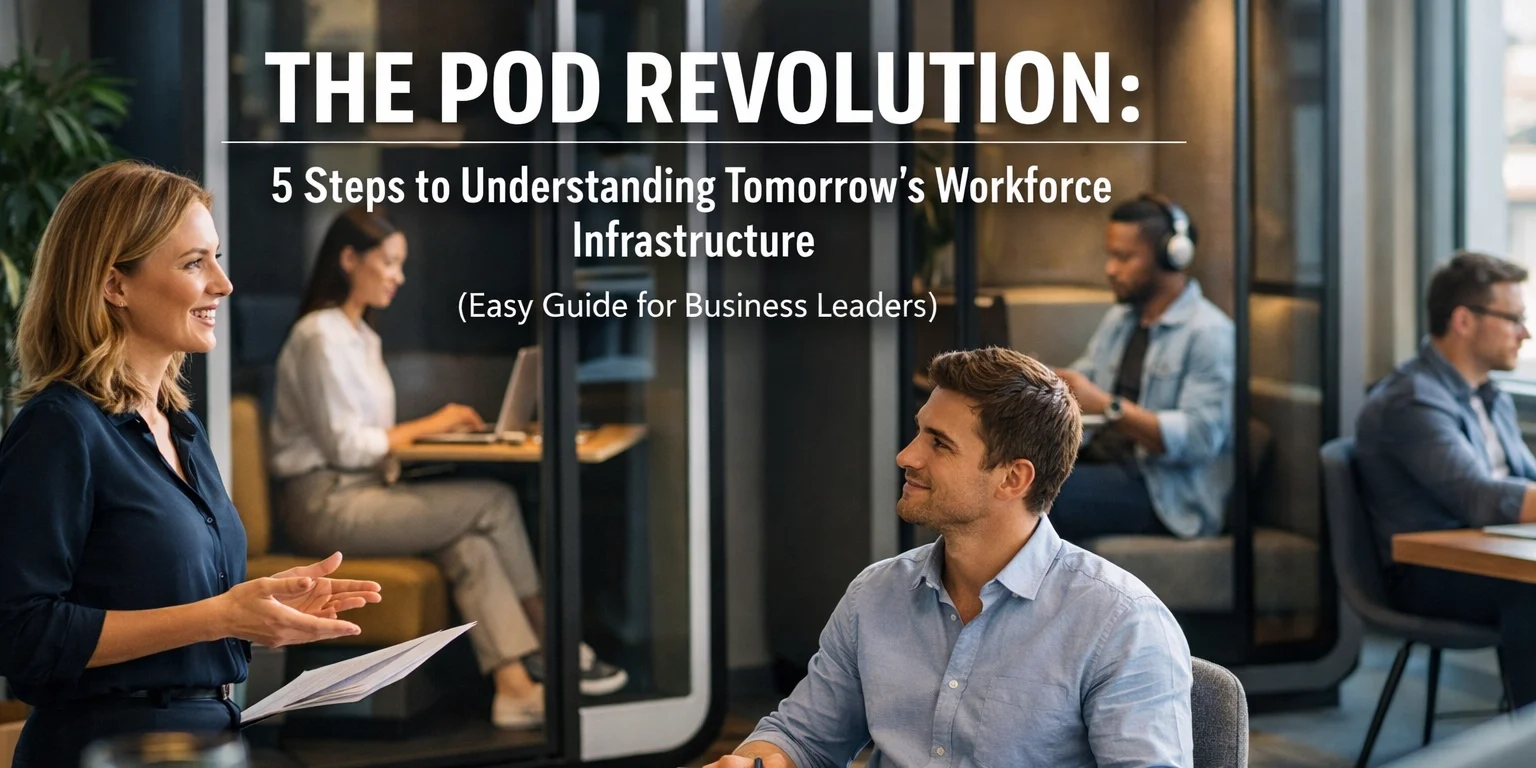
Remember when computer labs meant rows of beige desktop towers and the faint smell of overheated processors? Those days are fading faster than you might think. The workforce infrastructure landscape is transforming, and at the center of this shift sits an unexpected hero: the Pod.
Pods represent a fundamental reimagining of how organizations approach workforce development and physical infrastructure. Unlike traditional computer labs or training centers, Pods are modular, technology-rich environments designed to prepare workers for the demands of tomorrow's economy. They function as hybrid spaces where learning, skill development, and real-world application converge within a single footprint.
For business leaders navigating talent acquisition and workforce development challenges, understanding the Pod model is becoming less optional and more essential. The question is not whether this infrastructure will reshape career pathways, but rather how quickly organizations can adapt to leverage its potential.
Step 1: Understanding What Pods Actually Are
The term "Pod" describes a self-contained, technology-enabled workspace designed for focused skill development and project execution. Think of Pods as the evolution of computer labs: compact environments equipped with hardware, software, and connectivity infrastructure that supports training and real-world work simultaneously.
Unlike traditional training facilities that separate learning from application, Pods blur these boundaries. A logistics professional might use morning hours in a Pod to complete certification coursework on supply chain management software, then spend the afternoon analyzing real-time inventory data for an active project. This dual-purpose functionality makes Pods particularly attractive for organizations seeking to maximize infrastructure investments while minimizing downtime.

The physical characteristics of Pods vary, but most share common elements. Standardized technology stacks ensure consistency across locations. Modular furniture configurations allow rapid reconfiguration based on project needs. High-bandwidth connectivity supports cloud-based applications and remote collaboration. Security infrastructure protects both training materials and proprietary business data. Ergonomic design principles acknowledge that workforce development is increasingly a long-term, ongoing process rather than a one-time event.
Several factors are accelerating Pod adoption. Traditional office space costs continue rising in urban centers, making dedicated training facilities economically challenging. Remote work has normalized distributed teams, but pure work-from-home models struggle with hands-on skill development. Simultaneously, technological change is compressing skill lifecycles, requiring workers to update competencies more frequently. Pods address all three pressures by providing flexible, cost-effective infrastructure that supports both current operations and continuous learning.
Step 2: Career Pathways in Logistics
The logistics sector illustrates Pod infrastructure potential particularly well. Modern supply chain management requires proficiency with tracking systems, inventory management platforms, route optimization software, and data analysis tools. Traditionally, logistics professionals learned these systems piecemeal: perhaps receiving initial training, then developing expertise on the job over months or years.
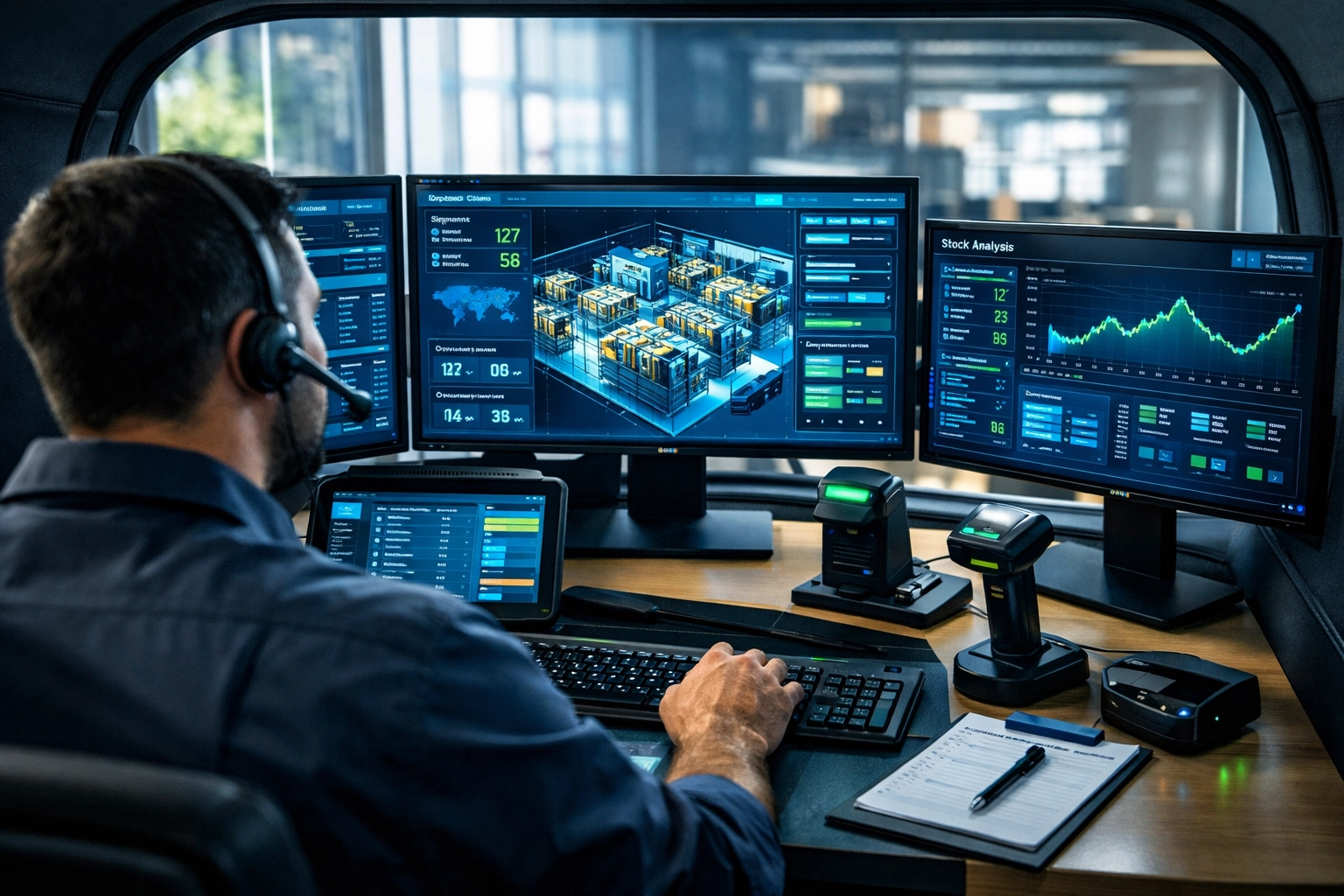
Pods condense and accelerate this timeline. A logistics-focused Pod might house simulation software replicating warehouse management systems used by major retailers. Trainees can practice receiving shipments, managing stock levels, and coordinating outbound deliveries without disrupting actual operations or risking costly errors. The same infrastructure then supports ongoing professional development as workers progress from entry-level coordination roles to analyst positions requiring advanced data interpretation skills.
Career progression in logistics increasingly demands cross-functional knowledge. A transportation coordinator needs basic understanding of customs regulations, freight classification, and carrier networks. An inventory analyst must grasp warehouse automation principles and forecasting methodologies. Procurement specialists benefit from knowledge of supplier relationship management systems and contract compliance tracking. Pods enable workers to explore these adjacent competencies without committing to formal degree programs or extended training absences.
Data from workforce development initiatives suggests that structured, technology-rich learning environments significantly improve skill acquisition rates and retention. When logistics professionals can immediately apply new knowledge within the same environment where they learned it, competency develops faster and more reliably. This matters enormously in an industry where delays, errors, and inefficiencies translate directly to bottom-line costs.
The logistics career pathway through Pod infrastructure typically follows a progression. Entry-level workers begin with foundational software training and process familiarization. Intermediate professionals develop specialization in specific logistics domains: warehousing, transportation, or procurement. Advanced practitioners use Pods for strategic planning, process optimization, and emerging technology evaluation. Throughout this progression, the Pod serves as both classroom and workspace, supporting continuous growth without artificial separation between learning and doing.
Step 3: Career Pathways in Cybersecurity
Cybersecurity represents another domain where Pod infrastructure delivers substantial value. The field faces a well-documented talent shortage, with demand for qualified professionals far exceeding supply. Traditional educational pathways struggle to keep pace with evolving threat landscapes and defensive technologies. Pods offer a more responsive alternative.
Cybersecurity-focused Pods typically include isolated network environments where trainees can practice defensive techniques without risking production systems. These sandboxed environments might simulate corporate networks under attack, requiring learners to detect intrusions, contain threats, and restore normal operations. Unlike purely theoretical instruction, this hands-on approach builds both technical skills and the decision-making capability required during actual security incidents.
Career pathways in cybersecurity through Pod infrastructure often begin with foundational concepts: network architecture, common vulnerabilities, and basic defensive tools. Trainees then progress to specialized domains such as penetration testing, security operations center analysis, or incident response. Advanced practitioners use Pods to evaluate emerging defensive technologies and develop strategies for addressing novel threat vectors.
The Pod model addresses several challenges specific to cybersecurity workforce development. First, it reduces barriers to entry by providing access to expensive security tools and lab environments that individuals cannot easily replicate at home. Second, it enables realistic scenario-based training that builds practical competency rather than just theoretical knowledge. Third, it supports rapid skill updating as the threat landscape evolves: a critical requirement in a field where yesterday's best practices may be inadequate for today's challenges.
Organizations implementing cybersecurity Pods often see faster ramp times for new security analysts and improved retention as professionals can continuously develop skills without leaving the organization. The infrastructure investment pays dividends both in improved security posture and in workforce stability within a notoriously high-turnover field.
Step 4: Career Pathways in Content Creation
Content creation might seem like an unlikely candidate for Pod-based infrastructure, but the field is experiencing its own technological transformation. Modern content creators work with video editing software, audio production tools, graphic design platforms, content management systems, social media analytics, and increasingly, artificial intelligence-assisted creation tools. Mastering this diverse technology stack represents a significant barrier to entry.
Content creation Pods provide access to professional-grade hardware and software that might be prohibitively expensive for individual workers or small organizations. A single Pod might include high-performance computers for video rendering, calibrated monitors for color-accurate editing, audio interfaces for podcast production, and licenses for industry-standard creative software. This democratizes access to tools that were once reserved for established media companies or well-funded agencies.

Career pathways in content creation through Pod infrastructure typically progress from technical skill development to creative specialization to strategic content planning. Entry-level creators learn fundamental software operation: how to edit video, process audio, design graphics, and optimize content for various platforms. Intermediate practitioners develop creative voices and specialized skills in specific content formats. Advanced professionals use Pods for strategy development, trend analysis, and experimentation with emerging content technologies.
The shift toward remote and hybrid work has created particular opportunities in content creation. Organizations increasingly need internal content capabilities for marketing, training, and communication purposes. Simultaneously, the creator economy continues expanding as individuals build audiences and monetize content across multiple platforms. Pod infrastructure supports both paths by providing professional environments where workers can develop marketable skills regardless of their ultimate career destination.
Step 5: Implementation Strategy and Business Considerations
Understanding Pod infrastructure conceptually differs from implementing it effectively. Business leaders evaluating Pod deployment should consider several factors that influence success.
Location strategy matters significantly. Urban Pod locations offer access to larger talent pools but come with higher real estate costs. Suburban or rural locations reduce overhead but may limit workforce accessibility. Many organizations are finding success with hub-and-spoke models: flagship Pod facilities in major markets supplemented by smaller satellite locations in secondary markets.
Technology standardization enables consistency and reduces support complexity. Organizations should establish baseline hardware specifications, software stacks, and connectivity requirements that apply across all Pod locations. This standardization simplifies both initial deployment and ongoing maintenance while ensuring workers can transition between locations without retraining on different systems.

Partnership models can accelerate Pod deployment and reduce risk. Some organizations are collaborating with educational institutions, workforce development agencies, or industry associations to share infrastructure costs and expand reach. These partnerships can provide access to funding sources unavailable to individual companies while distributing the financial burden of establishing and maintaining technology-rich facilities.
Measurement frameworks help demonstrate Pod value and guide continuous improvement. Organizations should track metrics including skill acquisition rates, time-to-competency for new hires, retention rates among workers using Pod infrastructure, and ultimately, performance outcomes in logistics, cybersecurity, or content creation roles. These data points justify ongoing investment and identify opportunities for optimization.
The most successful Pod implementations view infrastructure as enabling rather than constraining. Flexibility remains paramount: the ability to reconfigure Pods for different skill domains, accommodate evolving technology requirements, and serve multiple workforce development objectives simultaneously. Rigid, single-purpose facilities struggle to maintain relevance as organizational needs change and industries evolve.
Looking Forward
Workforce infrastructure is entering a period of significant transformation. The Pod model represents one approach to addressing persistent challenges around skill development, talent acquisition, and workforce adaptability. While not a universal solution for every organization or industry, Pods offer compelling advantages for companies operating in logistics, cybersecurity, content creation, and adjacent fields where technical skills and practical application intersect.
Business leaders who invest time understanding this infrastructure model position their organizations to respond more effectively to talent market dynamics and technological change. The question facing most organizations is not whether workforce development infrastructure needs updating, but rather what form that updated infrastructure should take. For many, Pods offer a practical, proven answer worth serious consideration.