
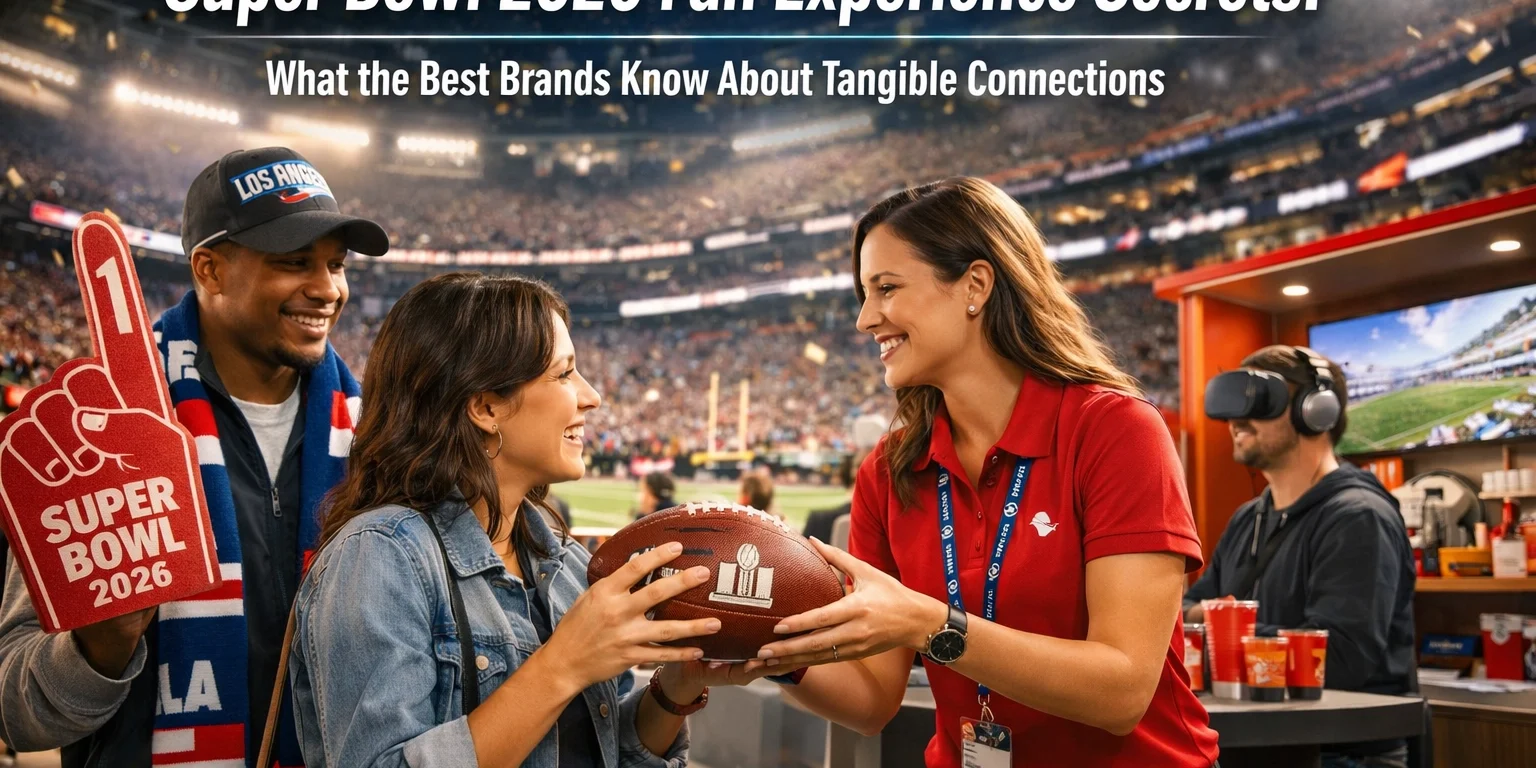
Here's something you might not realize: the brands that won big at Super Bowl 2026 weren't necessarily the ones with the biggest budgets or the flashiest commercials. They were the ones that figured out what modern fans actually want, and it's not what you'd expect.
The game has changed. Fans don't just want to sit in their seats, watch the game, and go home. They want to be part of the action. They want to create, share, compete, and feel like they're connected to something bigger than themselves. The brands that understood this simple truth created experiences that people are still talking about weeks later.
The Big Shift Nobody Saw Coming
Walk through any Super Bowl event in the past, and you'd see pretty standard stuff: branded booths, free samples, maybe a foam finger or two. Super Bowl 2026 flipped the script completely.
The winning brands realized something crucial: fans don't just want to consume content anymore. They want to create it, share it, compete with it, and even build careers around it. This wasn't just marketing talk, it was a fundamental rethinking of what fan engagement actually means.
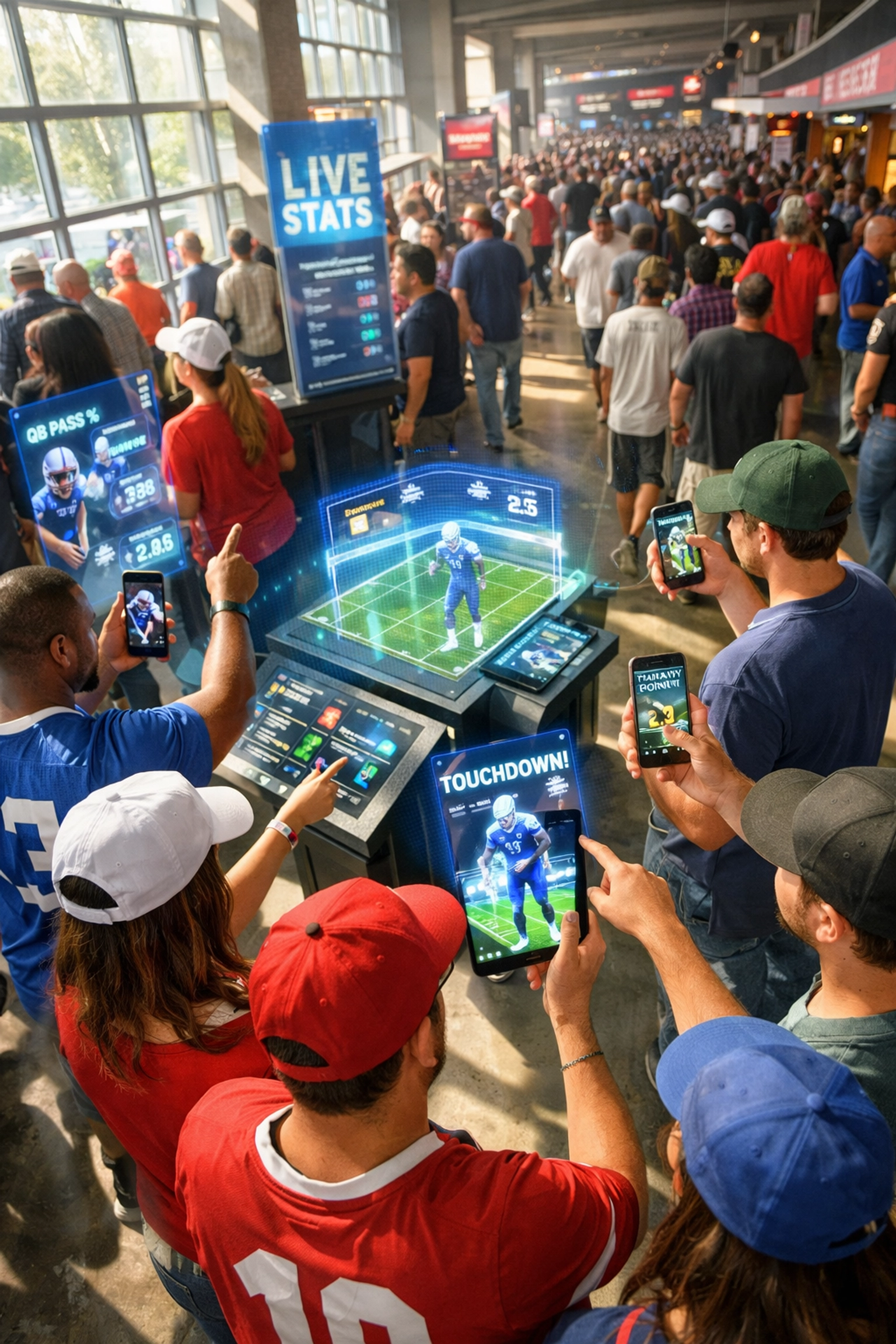
What Actually Worked (And Why)
Let's break down the strategies that separated the winners from the also-rans. These aren't complicated formulas or expensive tricks. They're just smart approaches that treated fans like people instead of targets.
Making It Personal Without Being Creepy
Remember when personalization meant getting a marketing email with your first name in the subject line? Those days are over. The best brands at Super Bowl 2026 deployed AI systems that actually understood what fans wanted based on where they were and what they were doing.
Picture this: you're sitting in your section, and you get a notification on your phone for a deal at the concession stand you visited earlier, the one with the pretzel bites you loved. That's not intrusive. That's helpful. When personalization hits at the exact moment you're receptive to it, it creates genuine emotional connections instead of eye rolls.
Turning Waiting Into Winning
Nobody likes standing in line or killing time before kickoff. Smart brands turned those dead moments into interactive experiences. Augmented reality scavenger hunts, trivia competitions, and football challenge games meant fans were engaged from the moment they arrived until they left.
Jersey Mike's nailed this with their pier-themed activation that combined gaming with actual rewards. Toyota's Touchdown Drive let fans record personalized touchdown dances and get them delivered straight to their phones. These weren't just time-killers, they were memory-makers.
Athletes as Actual Humans
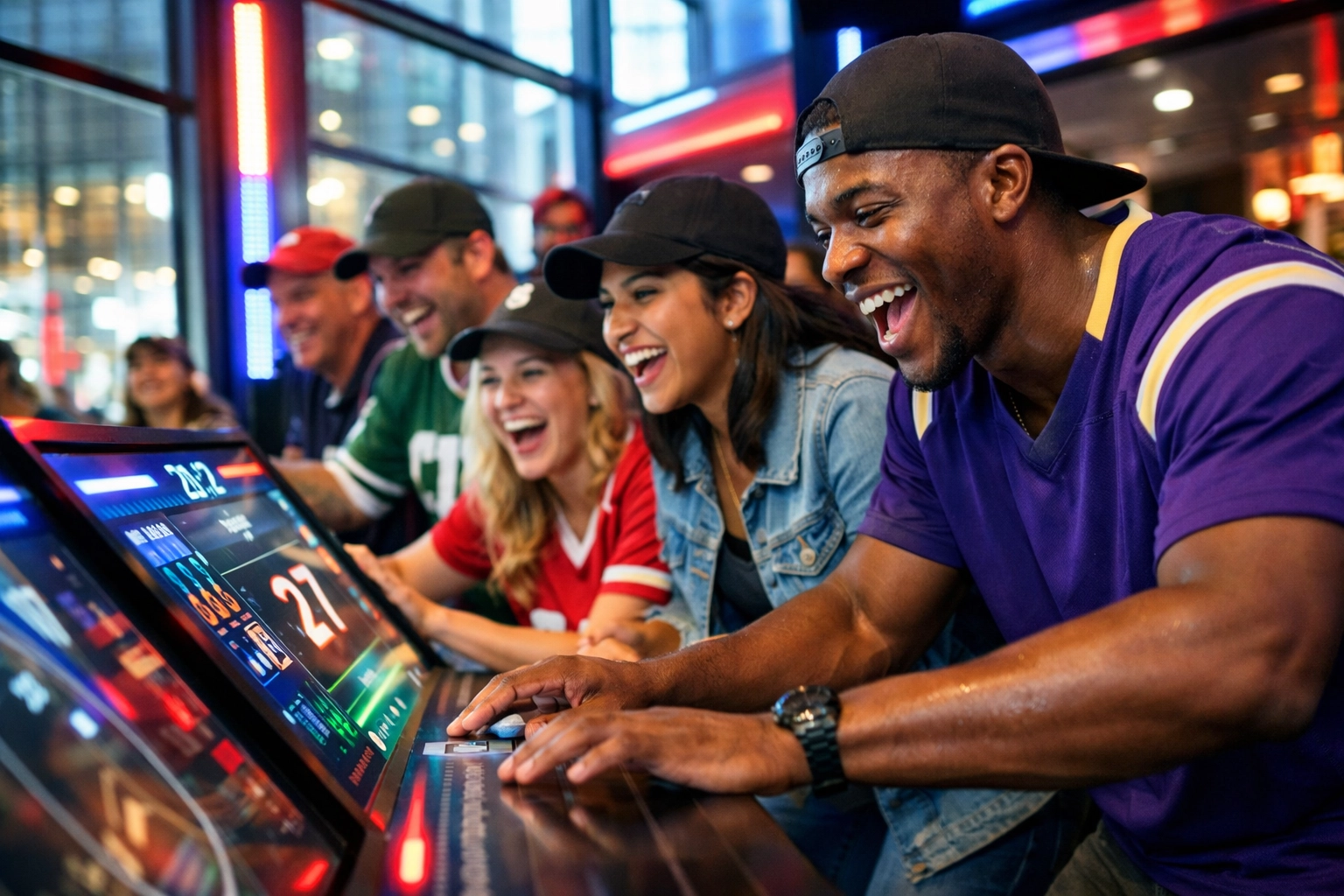
Here's where things got really interesting. Instead of treating players like untouchable celebrities behind velvet ropes, successful activations brought them down to earth. When Frank Gore showed up at the Lowe's booth, it wasn't some staged appearance with security guards and strict photo-op rules. The interaction felt authentic and accessible.
Fans didn't want forced, awkward photos. They wanted genuine moments with the athletes they'd been watching for years. The brands that made that possible created buzz that lasted far beyond the event itself.
The Content Creation Revolution
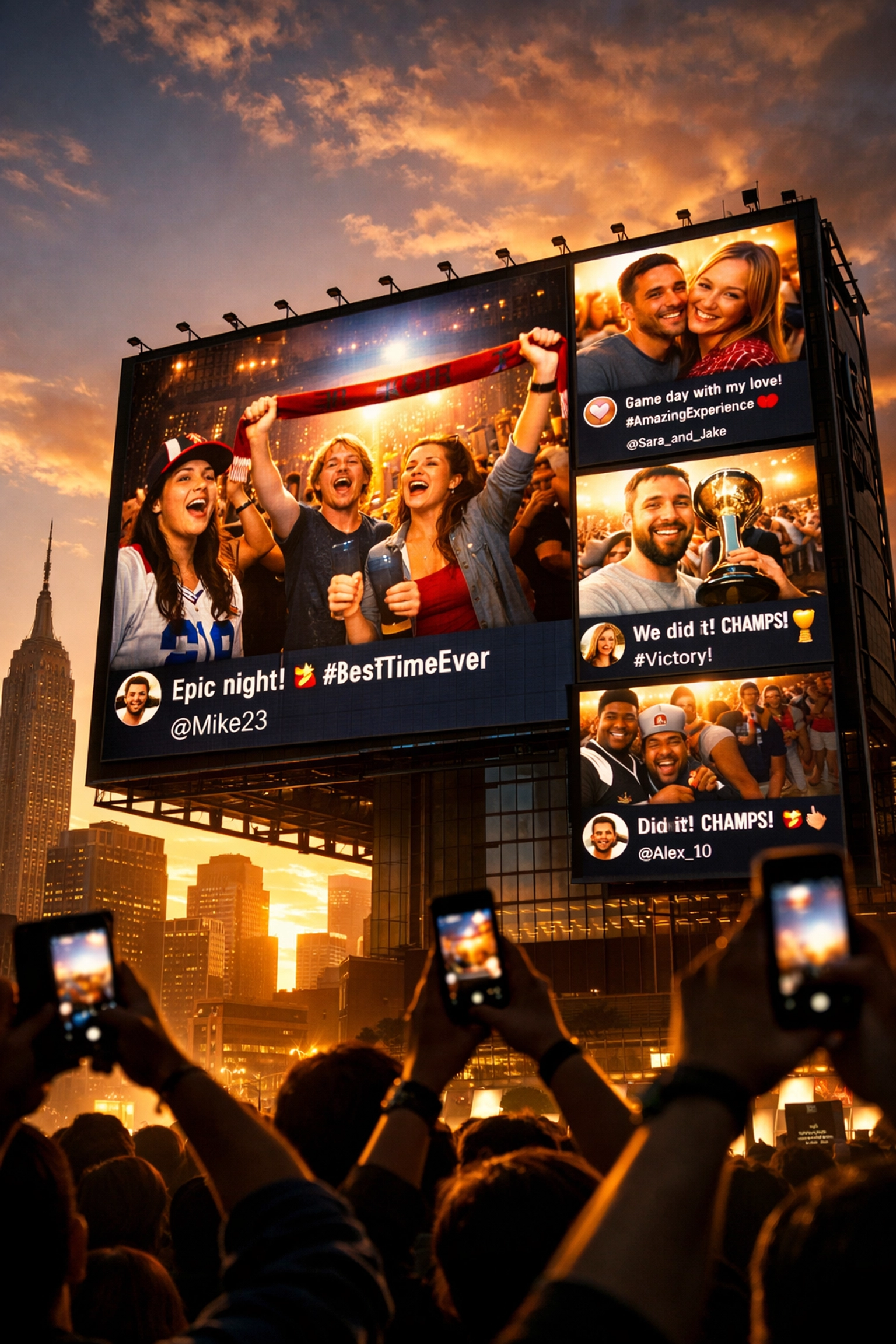
Every single attendee became a content creator at Super Bowl 2026. Branded hashtags, shareable templates, and real-time displays turned the entire venue into a living, breathing social media experience.
Imagine seeing your selfie appear on a fifty-foot digital billboard seconds after you post it. Suddenly, you're not just attending the Super Bowl, you're part of the show. You shift from being a passive spectator to an active performer contributing to the larger narrative.
https://www.youtube.com/watch?v=l6J-0zileKE
This video captures what we're talking about, the energy, the engagement, the genuine connections happening in real-time. This is what modern fan experiences look like.
Beyond the Stadium Walls
The smartest brands didn't limit themselves to what happened inside the venue. They created touchpoints throughout the entire city. Experiential pop-ups at airports, brand takeovers at local coffee shops, immersive installations in rideshare vehicles, the Super Bowl experience started the moment fans landed in town.
Visa's Print Shop partnered with local artists for hands-on personalization experiences. Toyota's Touchdown Drive featured four immersive zones across the Super Bowl Experience spread throughout the city. These weren't just marketing activations, they were genuine additions to the urban landscape that enhanced everyone's visit.
Real-Time Is the Real Deal
Pre-planned content campaigns? Those died at Super Bowl 2026. The brands that won were the ones monitoring conversations in real-time and deploying reactive content within minutes of game moments.
This required a complete operational overhaul. Content creation pods with clear approval processes empowered teams to make agile decisions without getting stuck in bureaucracy. When something amazing happened on the field, winning brands had content about it live before fans even finished cheering.
Building Something That Lasts
Here's the secret sauce: the best activations didn't end when the final whistle blew. They created pathways for ongoing engagement that extended far beyond the event itself.
Some brands set up mobile content creation pods that captured fan data while building actual skills. Participants could opt into talent communities and submit portfolios. This wasn't just collecting email addresses, it was building genuine relationships with fans who wanted to stay connected.
The Infrastructure Nobody Talks About
Want to know why some brands succeeded and others flopped? Infrastructure. The brands that created unforgettable experiences invested in the unsexy stuff: data capture systems, partnerships with local content creators and artists, technical systems supporting personalization at scale.
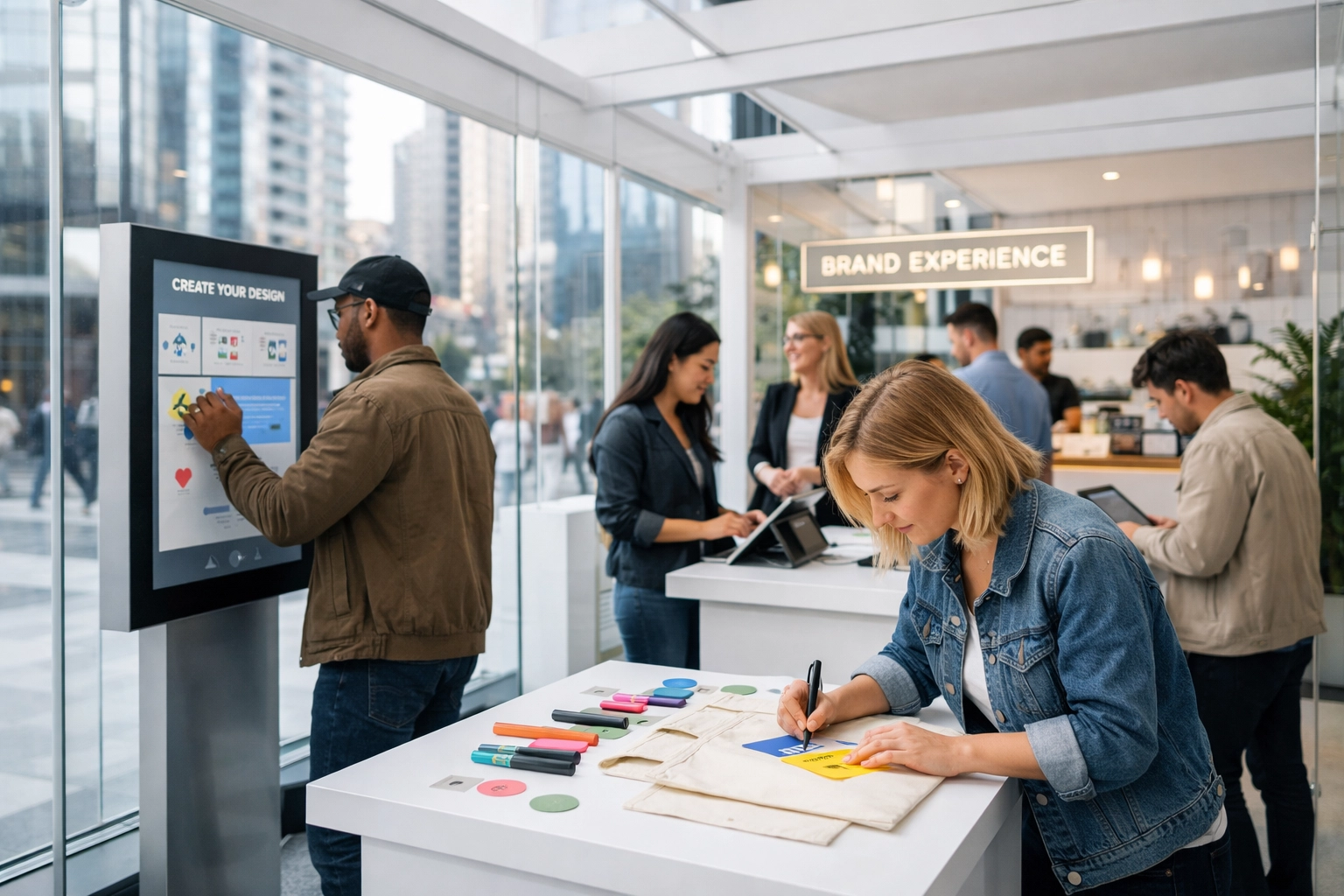
This wasn't about throwing money at problems or building bigger displays. It was about recognizing that creating unforgettable fan experiences requires treating fans as collaborators in the experience rather than audiences consuming it.
What This Means for the Future
Super Bowl 2026 proved something important: the future of fan engagement isn't about bigger budgets or flashier productions. It's about understanding what fans actually want and building systems that deliver it.
The emotional resonance came from one simple shift in perspective, treating fans as partners in creating the experience instead of recipients of a message. Brands that understood this created moments people will remember for years. The ones that didn't? Well, nobody's talking about them anymore.
The takeaway here isn't complicated: fans are smarter, more engaged, and more creative than we give them credit for. Give them the tools and opportunities to participate, and they'll create experiences that exceed anything a marketing team could dream up. That's the real secret the best brands at Super Bowl 2026 figured out: and it's the strategy that's going to define fan engagement for years to come.
For more insights on how we help brands build authentic connections with their audiences, visit USA Entertainment Ventures LLC.





