
As of April 2026, the global economy stands at a critical juncture. For Fortune 100 executives, the challenge is no longer just finding talent; it is the rapid architectural shifts required to sustain a workforce capable of navigating an AI-driven landscape. Despite billions of dollars poured into corporate social responsibility (CSR) and internal training initiatives, the "skills gap" continues to widen. The reason is not a lack of effort, but a fundamental flaw in the delivery mechanism.
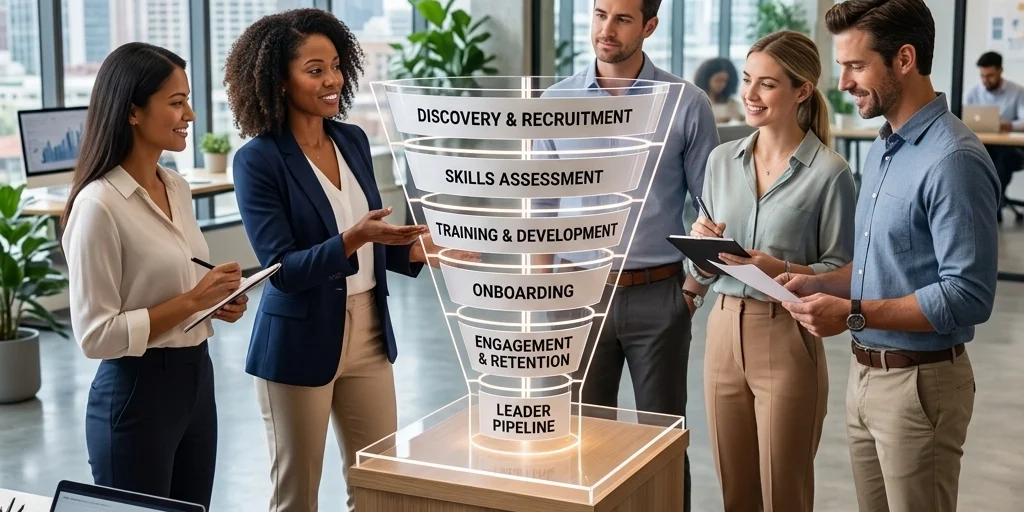
At USA Entertainment Ventures LLC, we have observed that traditional workforce development often fails because it is treated as a digital afterthought rather than a physical necessity. To bridge this divide, a new framework is required, one that utilizes a "Physical Funnel" to transition individuals from passive observers to career-ready professionals.
The Diagnosis: Why Traditional Strategies Fail
To solve the talent crisis, we must first identify the structural weaknesses in current models. Here are the 10 primary reasons your workforce development strategy is likely underperforming:
1. Strategic Misalignment with Core Business Objectives
Too often, workforce development is siloed within Human Resources, detached from the primary financial and operational goals of the organization. When training programs do not directly impact the bottom line or solve specific performance barriers, they are viewed as discretionary expenses rather than essential investments.
2. The "Digital-Only" Engagement Trap
While online modules are scalable, they often lack the "stickiness" required for long-term retention. Without a physical component or a tactile environment, learning remains theoretical. Data suggests that only a small fraction of employees successfully apply skills learned in a purely digital environment without supervised, hands-on practice.
3. Limited Managerial Integration
Research indicates that only 20% of employees apply new skills when their direct managers are not actively involved in the learning process. Many organizations treat managers as peripheral to training, when they should be the central enablers of skill adoption.
4. Rapid Obsolescence of Content
In the current era of generative AI and cloud-native infrastructure, the half-life of a technical skill is shorter than ever. Many corporate training programs rely on static content that is outdated by the time it is fully deployed across a national workforce.
5. Lack of Standardized Physical Infrastructure
Workforce development requires a "last mile" delivery system. Without localized, career-ready infrastructure where talent can be cultivated in person, companies struggle to reach diverse talent pools in underserved or rural markets.
6. The Failure of Generic, One-Size-Fits-All Models
Forcing experienced professionals through basic modules, or expecting novices to grasp advanced AI concepts without a foundation, leads to disengagement. Effective strategies require tiered, competency-based models tailored to the specific role and the individual’s starting point.
7. Overlooking the "Trojan Horse" of Engagement
Modern talent, particularly Gen Z and Gen Alpha, requires a different entry point for engagement. Traditional "career days" are no longer effective. Strategies that fail to leverage high-interest vehicles, such as esports and interactive technology, miss the opportunity to build foundational tech literacy in an organic way.
8. High Turnover and Knowledge Leakage
When training is not paired with a clear career path or a physical community, turnover remains high. This creates a cycle where the organization is perpetually in "training mode" but never reaches "production mode," leading to a massive loss of institutional knowledge.
9. Underestimating the Cloud and AI Literacy Gap
Many executives assume their workforce is tech-literate because they use digital tools. However, there is a vast difference between using an interface and understanding the underlying cloud architecture or AI prompt engineering required for future-proof operations.
10. Absence of a Physical Distribution System
A strategy without a physical distribution system is merely a suggestion. For a national rollout to be successful, there must be a physical funnel that captures interest, provides immersive training, and outputs certified, ready-to-work individuals directly into the corporate pipeline.
The Solution: The Physical Funnel and Career-Ready Infrastructure
To address these failures, USA Entertainment Ventures LLC is leading a national rollout of a new workforce development model. Central to this is the concept of the Physical Funnel.
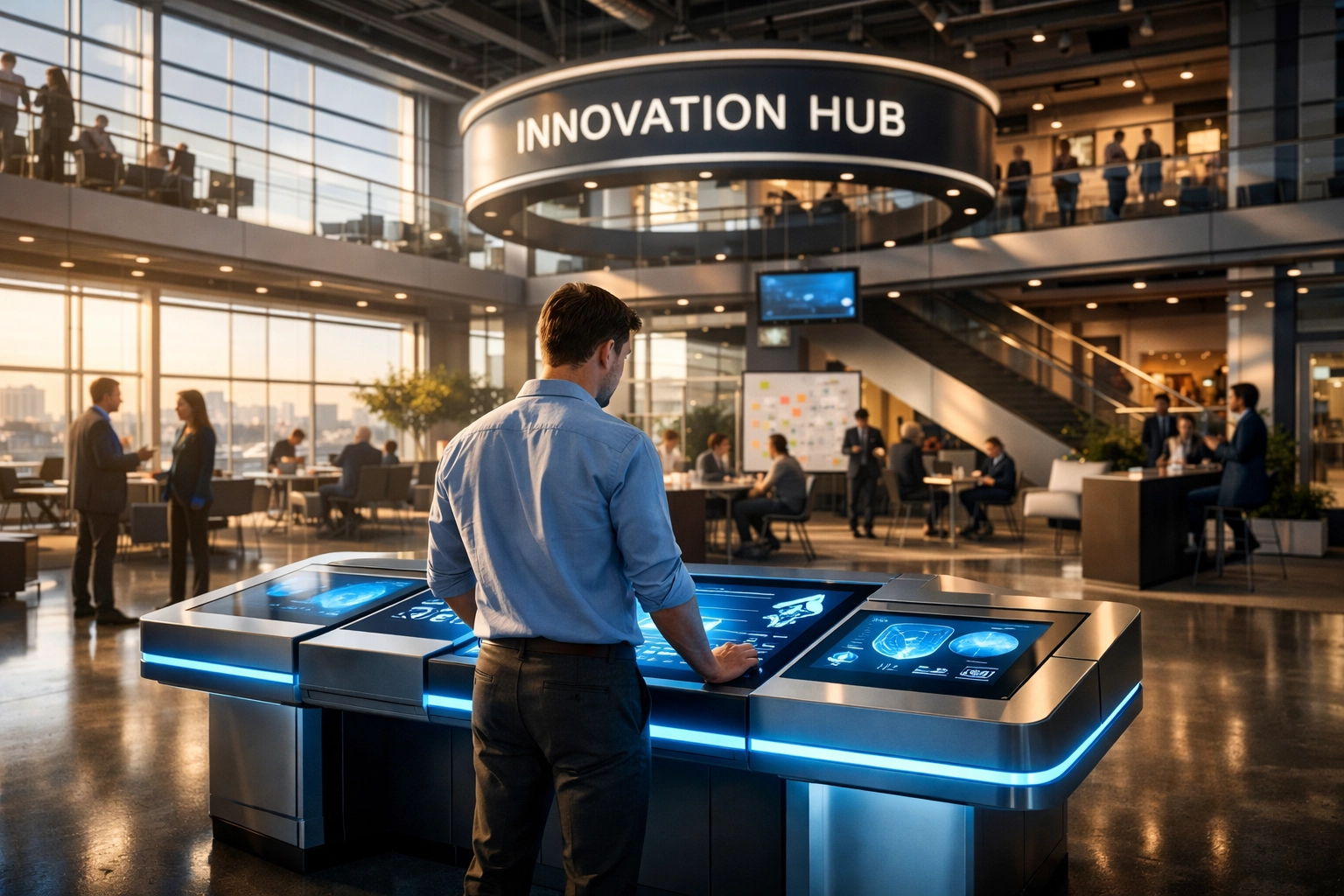
A Physical Funnel is a tangible distribution system for talent. It moves beyond the laptop screen and places training infrastructure in the heart of communities. By establishing physical centers equipped with high-density computing, low-latency networking, and collaborative spaces, we create an environment where career readiness is the natural outcome of engagement.
Esports: The 'Trojan Horse' for Cloud and AI Literacy
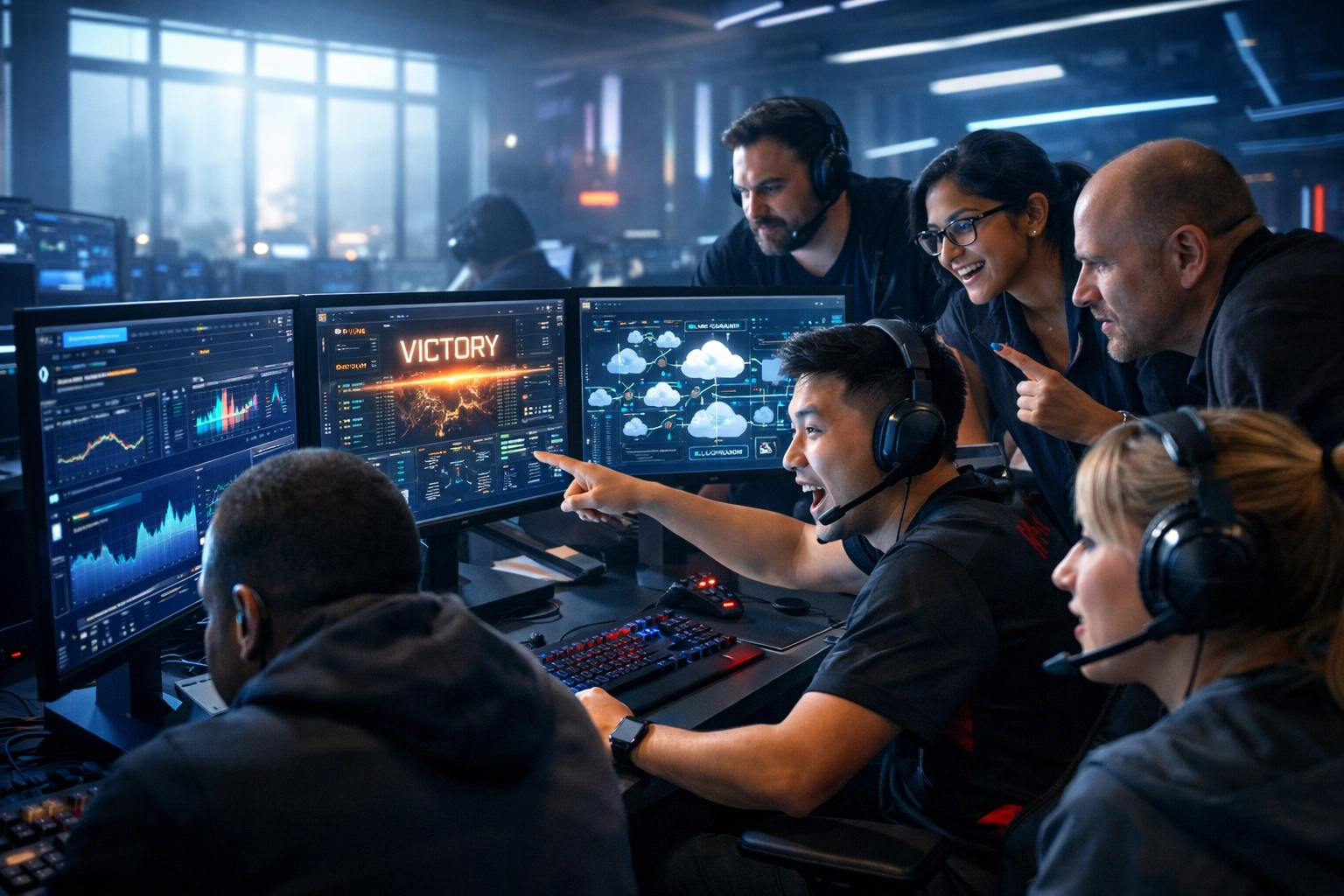
One of the most effective components of our physical distribution system is the integration of competitive gaming and esports. While often dismissed as "just gaming," esports serves as a powerful "Trojan Horse" for developing high-level technical skills.
To operate at a professional level, an esports ecosystem requires:
- Cloud Orchestration: Managing server loads and global connectivity.
- AI Integration: Utilizing data analytics to improve performance and strategy.
- Hardware Maintenance: Understanding the physical components of high-performance computing.
- Collaborative Communication: Mastering team dynamics in high-pressure environments.
By utilizing esports as the initial draw in our Physical Funnel, we attract a massive, tech-native demographic. Once they are inside the infrastructure, we transition them from players to practitioners, providing a direct pathway to careers in cloud management, cybersecurity, and AI development. You can see examples of this integrated approach in our showcase.
National Rollout: Scaling for the Fortune 100
For Fortune 100 companies, the challenge is scale. A local pilot program is not enough; a national career-ready infrastructure is required. This rollout involves partnering with business consulting experts to deploy physical hubs that serve as the "factories" for tomorrow's talent.
This infrastructure-heavy approach ensures that the workforce is not just "trained" but "ready." Being "career-ready" means an individual possesses the technical certifications, the practical experience, and the soft skills necessary to contribute on day one. Our services focus on creating these bespoke pipelines for industry leaders.
Moving from Theory to Operation
The transition from a failing strategy to a successful one requires a shift in mindset from HR-centric to Infrastructure-centric.
- Identify the Physical Gaps: Where does your talent live, and do they have access to the physical tools required for high-level technical training?
- Invest in Distribution: Treat workforce development like a supply chain. You need a physical funnel to move talent from the raw stage to the finished product.
- Leverage High-Engagement Vehicles: Use esports and interactive technology to bridge the literacy gap. It is the most efficient way to teach cloud and AI concepts to a broad audience.
- Standardize Certification: Ensure that the physical hubs produce a standardized level of competency that aligns with Fortune 100 operational requirements.
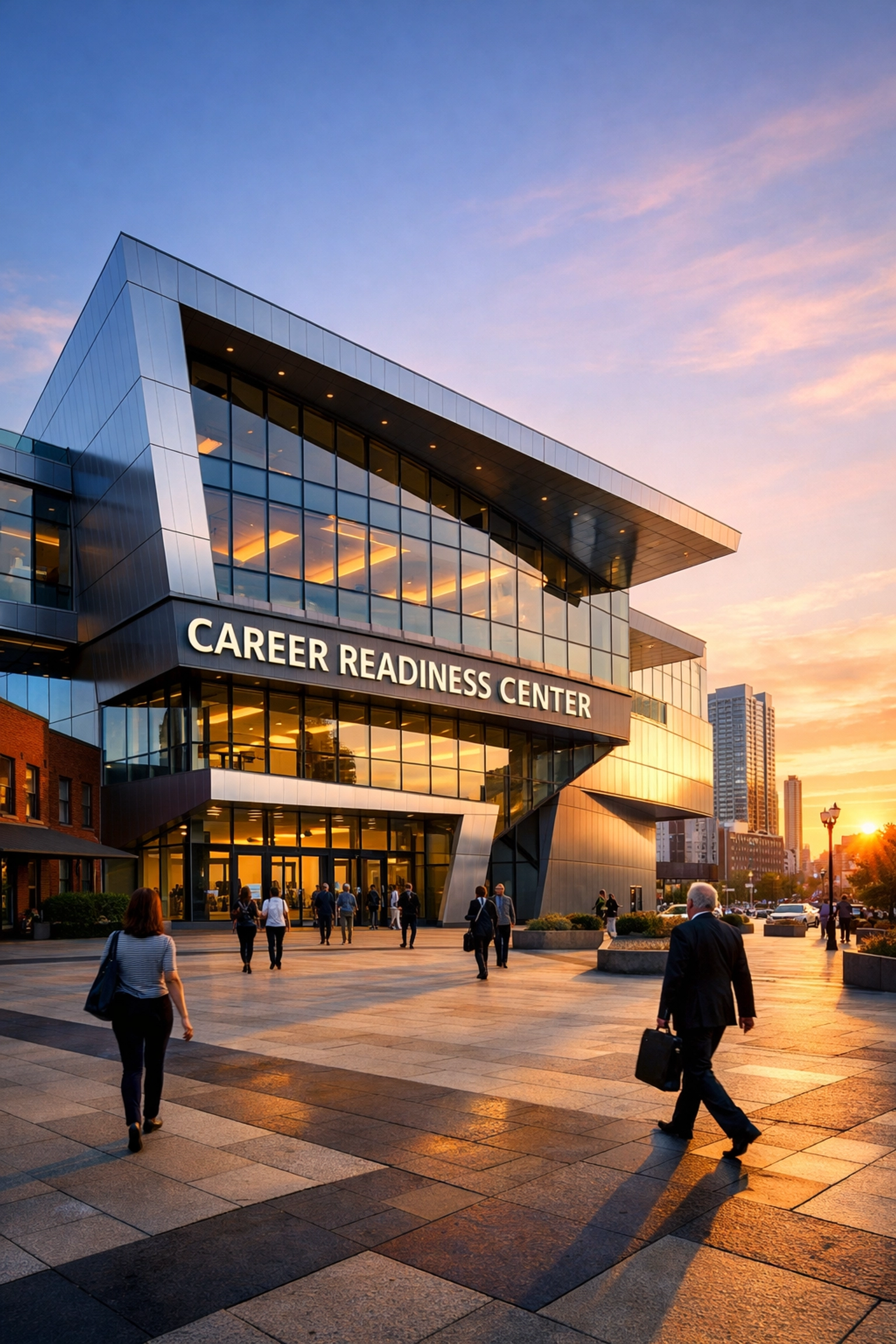
The Future of Workforce Development
The era of "click-through" training is over. As we move further into 2026, the companies that succeed will be those that invest in the physical distribution of knowledge. By building a national network of career-ready infrastructure, we are not just solving a hiring problem; we are building a more resilient, tech-literate society.
At USA Entertainment Ventures LLC, we believe that business consulting must be paired with actionable, tangible solutions. Our commitment to this national rollout reflects our belief that the physical funnel is the only way to ensure that the American workforce remains the most competitive in the world.
For those looking to redefine their talent pipeline and explore the integration of physical infrastructure into their CSR or workforce strategies, we invite you to explore our about-us page or contact our executive team for a detailed consultation.
The skills gap is a solvable problem, provided we are willing to build the infrastructure to bridge it. The physical funnel is not just a fix for workforce development; it is the blueprint for the future of professional excellence.

Disclaimer: This blog post is intended for executive informational purposes and does not constitute a binding agreement or specific financial advice. For more information, please see our disclaimer.





