
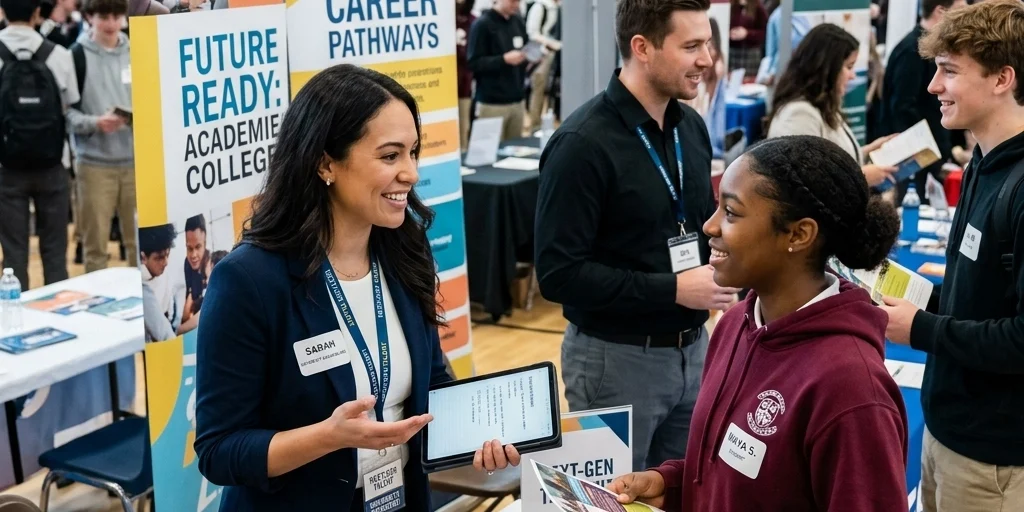
The global business landscape in 2026 is defined by a singular, unrelenting challenge: the talent gap in specialized technology sectors. As Cloud computing, Artificial Intelligence (AI), and Data Analytics move from "emerging technologies" to the very foundation of modern enterprise, the traditional methods of recruitment are proving insufficient. For years, the standard practice was to wait for university graduates to enter the market before initiating contact. However, waiting until a candidate is twenty-two years old to introduce them to your brand is no longer a viable strategy.
To secure the future of your organization, the recruitment funnel must move upstream. High school recruitment, once the domain of trade schools and the military, is now a strategic imperative for any company looking to dominate in the digital economy. By engaging with students while they are still forming their career identities, businesses can cultivate a loyal, skilled, and diverse workforce tailored to the specific needs of the next generation of industry.
The Problem: Why Traditional Recruitment is Falling Behind
The current talent shortage in Cloud and AI is not a temporary dip; it is a structural imbalance. Educational institutions often struggle to update curricula at the pace of technological change. Consequently, by the time a student completes a four-year degree, the specific tools and platforms they studied may already be outdated.
Furthermore, the competition for top-tier collegiate talent is fierce and expensive. Large tech conglomerates often exhaust the supply of high-performing graduates before mid-sized firms or specialized consultancies even have a chance to interview. This creates a cycle of "talent poaching" that drives up salaries without increasing the overall pool of qualified professionals.
By shifting focus to the high school level, companies can bypass this bottleneck. Recruiting at this stage allows organizations to influence the educational trajectory of potential hires, ensuring they focus on high-value postsecondary programs that align with regional labor market needs.
Understanding the Next-Gen Talent Funnel
The "Next-Gen Talent Funnel" is a framework designed to move students from initial awareness to career-ready proficiency. It is not merely about offering internships; it is about building a comprehensive ecosystem that supports a student’s journey from the classroom to the boardroom.

1. Identity and Awareness
Most high school students have heard of "AI" or "The Cloud," but few understand the day-to-day reality of working in these fields. The first stage of the funnel is about demystifying these roles. This involves partnering with schools to provide exposure through career videos, live consultations, and professional mentorship. When a student can visualize themselves as a Data Analyst or a Cloud Architect, the path to that career becomes a tangible goal rather than an abstract concept.
2. Labor Market Literacy
A critical component of modern recruitment is providing students with data-driven guidance. According to recent industry research, tools like Labor Market Dashboards are essential for helping students see how their interests align with local job opportunities. These interactive platforms present regional data in digestible formats, showing students exactly which education paths lead to the highest returns on investment. For a business, promoting these tools ensures that the local talent pool is pursuing degrees and certifications that actually exist in the marketplace.
3. Bridging the Skill Gap
Once awareness is established, the focus shifts to skill acquisition. This is where businesses can offer tangible support through Postsecondary Advising Guides. These guides help advisors and teachers steer students toward apprenticeships, trade programs, or specific degree tracks in IT, maintenance, and business analytics. By the time these students reach the workforce, they have already spent years focused on the exact competencies your company requires.
The Role of Cloud, AI, and Data Analytics
Why should companies focus specifically on these three areas during high school outreach? The answer lies in their foundational nature.
- Cloud Computing: Every modern business requires a digital infrastructure. By 2026, the transition to hybrid and multi-cloud environments is nearly universal. Students who understand the fundamentals of cloud architecture early are better prepared for roles in everything from cybersecurity to software development.
- Artificial Intelligence: AI is no longer a niche department; it is a tool used across all business functions. Encouraging high schoolers to explore machine learning and prompt engineering prepares them to be more efficient workers, regardless of their final job title.
- Data Analytics: Data is the new oil, but it requires refining. The ability to interpret complex data sets is a skill that translates across every sector USA Entertainment Ventures LLC touches.
Strategies for Effective Engagement
Entering a high school environment requires a different approach than a college career fair. It demands a tone that is professional yet accessible, focusing on long-term growth rather than immediate hiring.

Partner with College Access Organizations
You do not have to build a high school program from scratch. Many college access organizations and nonprofits are already working with low-income students and students of color to boost enrollment in high-value programs. By partnering with these entities, your company can provide the "industry perspective" that these programs often lack. This can include providing access to an online library of career videos or offering live consultations with your current staff.
Utilize Navigational Tools
Modern students and their advisors use searchable directories, often called "Navigators", to find career-focused postsecondary programs. As a business, ensuring that your preferred training programs or local apprenticeships are listed in these directories is key. This increases the likelihood that a student will choose a path that leads directly to your open positions.
Host "Discovery Days"
Rather than a traditional interview, host events that allow students to solve real-world problems. For example, a "Cloud Hackathon" or a "Data Visualization Challenge" provides students with hands-on experience while allowing your recruitment team to identify natural aptitude and passion. These events build brand loyalty far more effectively than a brochure or a social media ad.
The Business Case: Why Now?
The return on investment for high school recruitment is multi-faceted. First, it significantly reduces the cost per hire. By building a pipeline of local talent, you reduce the need for expensive national searches and relocation packages. Second, it fosters diversity. By reaching students before they are filtered out of the tech pipeline due to a lack of resources or guidance, you can build a workforce that truly reflects the community.
Moreover, engaging with the youth is a powerful statement of corporate responsibility. Supporting career-connected learning helps ensure that students are not just getting a degree, but are entering a career that provides a "strong return on investment." This alignment between business needs and societal good is the hallmark of a sustainable enterprise.

Implementing Change: A Step-by-Step Guide
If your organization is ready to master high school recruitment, consider the following actionable steps:
- Audit Your Future Needs: Identify which roles in your company will be hardest to fill in three to five years. Focus your high school efforts there.
- Contact Local High Schools: Reach out to guidance counselors and career technical education (CTE) directors. Ask how your company can support their current curriculum.
- Develop Mentorship Programs: Encourage your mid-level managers to act as mentors. This not only helps the students but also improves the leadership skills of your current employees.
- Leverage Digital Platforms: Use tools that students already use. Short-form video content and interactive dashboards are far more effective than long-form text documents for this demographic.
- Review the Results: Track the progress of the students you engage with. How many are pursuing relevant degrees? How many are applying for internships? Use this data to refine your funnel.
Looking Toward the Horizon
As we move further into the decade, the distinction between "education" and "workforce development" will continue to blur. The companies that thrive will be those that view themselves as active participants in the educational journey of their future employees.

By investing in the Next-Gen Talent Funnel today, you are doing more than just filling a vacancy; you are securing the innovative spirit of your company for years to come. High school recruitment is no longer a "nice-to-have" initiative; it is the cornerstone of a resilient, forward-thinking Business Consulting strategy.
The future of Cloud, AI, and Data Analytics is currently sitting in a high school classroom. The question is: will they be working for you, or for your competitor? The time to engage is now. For more information on how to optimize your business operations and talent strategies, visit our sitemap or explore our portfolio of success stories. Building a better future starts with a single connection.





