
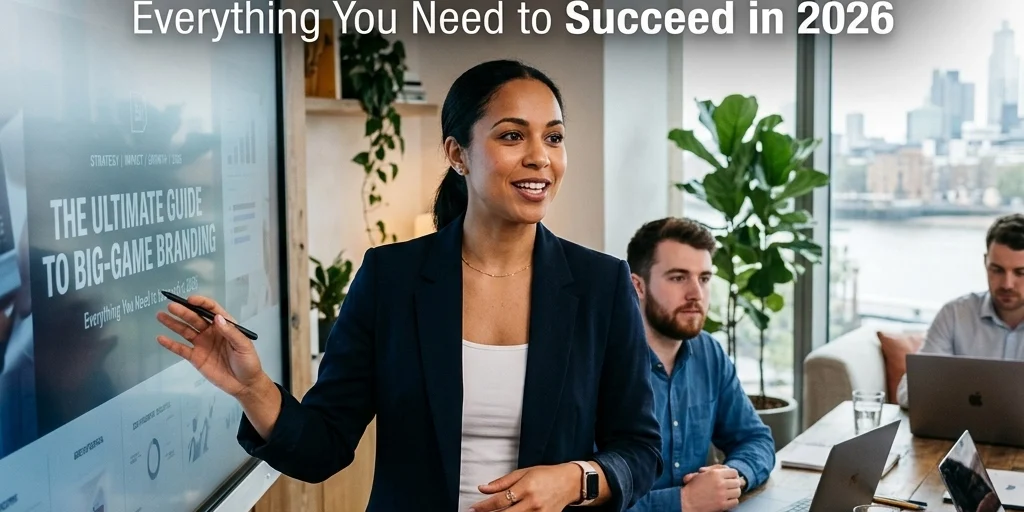
As we move through the second quarter of 2026, the marketing landscape has been forever altered by the strategies deployed during this year’s championship season. At USA Entertainment Ventures LLC, we have watched the shift from traditional "one-and-done" commercials to a comprehensive, multi-phase ecosystem. The "Big Game" is no longer just a Sunday in February; it is a three-month narrative arc that requires precision, data, and a deep understanding of the "Digital Handshake."
To succeed in this modern era, brands must look beyond the spectacle. Success in 2026 is defined by how well a company can blend physical presence with digital retargeting, and how effectively they can use artificial intelligence as a utility rather than a replacement for human creativity.
The Super Bowl Playbook: Sports Media's Advertising Strategy
Before diving into the framework, it is essential to understand the current pulse of sports media. Our newsletter, The Super Bowl Playbook, highlights the fundamental shifts in how major brands are capturing attention. The following video provides a deep dive into these evolving strategies:
https://www.youtube.com/watch?v=l6J-0zileKE
As discussed in the video, the most effective campaigns are those that prioritize "Brandformance": a hybrid of high-level brand awareness and direct, measurable performance metrics. It is about creating a moment that is not only shared on social media but also drives a direct action, such as a newsletter sign-up or a product purchase.
A Three-Phase Framework for Branding Success
In 2026, the timeline for a successful campaign is rigid yet requires extreme internal agility. According to our internal data at USA Entertainment Ventures LLC, the most successful brands follow a strict three-phase schedule.
Phase 1: The Pre-Game Build (January 15 – February 7)
The goal of this phase is to "build the nudge." Brands that wait until game day to reveal their creative are already behind. Winning brands use this period for:
- Teaser Campaigns: Dropping 15-second clips that spark curiosity rather than giving away the punchline.
- Social Listening: Identifying what the audience is talking about and adjusting the final edit of the creative to match the cultural mood.
- Segmented Outreach: Using data from previous years to identify high-intent consumers and reaching them with personalized messaging before the noise of the game begins.
Phase 2: Game Day Agility
While the script is written, the execution must be fluid. In 2026, the "Brand War Room" is a necessity. This is a dedicated space where decision-makers, creative leads, and data analysts sit together to authorize real-time pivots. If a specific moment in the game goes viral: whether it is a player’s reaction or a technical glitch: the brand must be ready to respond with relevant content within minutes.

Phase 3: Post-Game Saturation
The "halo effect" of a big-game ad typically lasts 14 to 21 days. During this period, brands should focus on:
- Omnichannel Storytelling: Extending the commercial's narrative through long-form content on YouTube and interactive snippets on social platforms.
- Repurposing Assets: Taking the high-production value of the main ad and breaking it down into hundreds of smaller assets for targeted digital spend.
- Conversion Measurement: Moving past "vanity metrics" like likes and shares to measure actual lift in brand searches and direct sales.
The Five Key Trends Defining 2026 Success
1. Mass Reach Requires Mass Relevance
In previous years, brands often tried to be "everything to everyone" and ended up being nothing to anyone. In 2026, mass reach only works when the creative is mass-relevant. This means tapping into universal human truths: family, humor, or shared struggle: while using technology to ensure the delivery feels personal.
2. The Power of Celebrity and Influencer Synergy
Star power still works, but the way it is used has changed. It is no longer enough to just have a famous face. The celebrity must have a genuine connection to the brand's story. Furthermore, the most successful 2026 campaigns paired A-list celebrities with niche influencers who could "translate" the message for specific sub-communities, ensuring the campaign resonated across all demographics.
3. Embracing Intentional "Weirdness"
With so much content being produced, brands that lean into the unconventional often see the highest recall. However, this "weirdness" must be intentional and aligned with the brand's core identity. If it feels forced, the audience will move on. If it feels authentic, it becomes a cultural touchstone.
4. AI as a Utility, Not the Creator
There was a fear that AI would replace the creative process. In 2026, we have seen the opposite. Purely AI-generated ads often fall flat because they lack the "soul" that human-led creative provides. Instead, the best brands use AI for predictive analytics, real-time optimization, and personalized ad delivery. AI is the engine, but humans are still the drivers.
5. Omnichannel Storytelling and the "Digital Handshake"
This is perhaps the most significant trend of the year. The "Digital Handshake" refers to the seamless transition from a physical marketing touchpoint to a digital one. For example, a consumer might see a brand on a mobile highway billboard: facilitated by Mobile Hwy Ads: and then receive a contextually relevant digital ad on their mobile device minutes later.

The "Digital Handshake": Blending Physical and Digital
At USA Entertainment Ventures LLC, we specialize in helping businesses bridge the gap between traditional and modern media. The "Digital Handshake" is essential because it captures the consumer in a "high-attention" state. When a person is traveling or attending a live event, their surroundings impact them more heavily than when they are mindlessly scrolling at home.
By integrating physical media with digital retargeting, brands can create a "surround sound" effect. This strategy ensures that the brand is not just a fleeting thought but a persistent presence in the consumer's journey. This is particularly effective when working with 360 Sports Media, where the focus is on capturing the sports fan's attention across every possible touchpoint.

Actionable Takeaways for Future Success
If you are looking to implement these strategies for your next big branding push, consider the following steps:
- Start Early: Your 2027 strategy should be in development by June of 2026. Data collection and audience segmentation take time.
- Focus on Narrative Depth: Spectacle gets attention, but story gets loyalty. Why does your brand exist? What problem are you solving for the viewer?
- Build a Real-Time Infrastructure: Ensure your marketing team has the authority to make quick decisions. The window for a viral response is measured in minutes, not hours.
- Invest in Integrated Tech: Ensure your physical and digital marketing tools "talk" to each other. Use QR codes, SMS opt-ins, and geofencing to turn a passive viewer into an active lead.
- Measure What Matters: Don't get distracted by a high number of views. Look at the data that impacts your bottom line: customer acquisition cost (CAC) and long-term value (LTV).
The Path Forward
The 2026 Big Game proved that the old ways of branding are no longer sufficient. The audience is more fragmented, more skeptical, and more technologically savvy than ever before. However, this also presents an unprecedented opportunity for brands that are willing to be bold, data-driven, and authentic.
By following the three-phase framework and embracing the concept of the "Digital Handshake," your business can move beyond simple advertising and achieve true cultural resonance. At USA Entertainment Ventures LLC, we remain committed to navigating these changes alongside our partners, ensuring that every venture is a success.
Whether you are looking for business consulting or specialized media strategies, the key is to stay forward-focused. The future of branding is here, and it is more exciting than we ever imagined.
For more information on our services and how we can help you lead your industry, visit our main website.





