
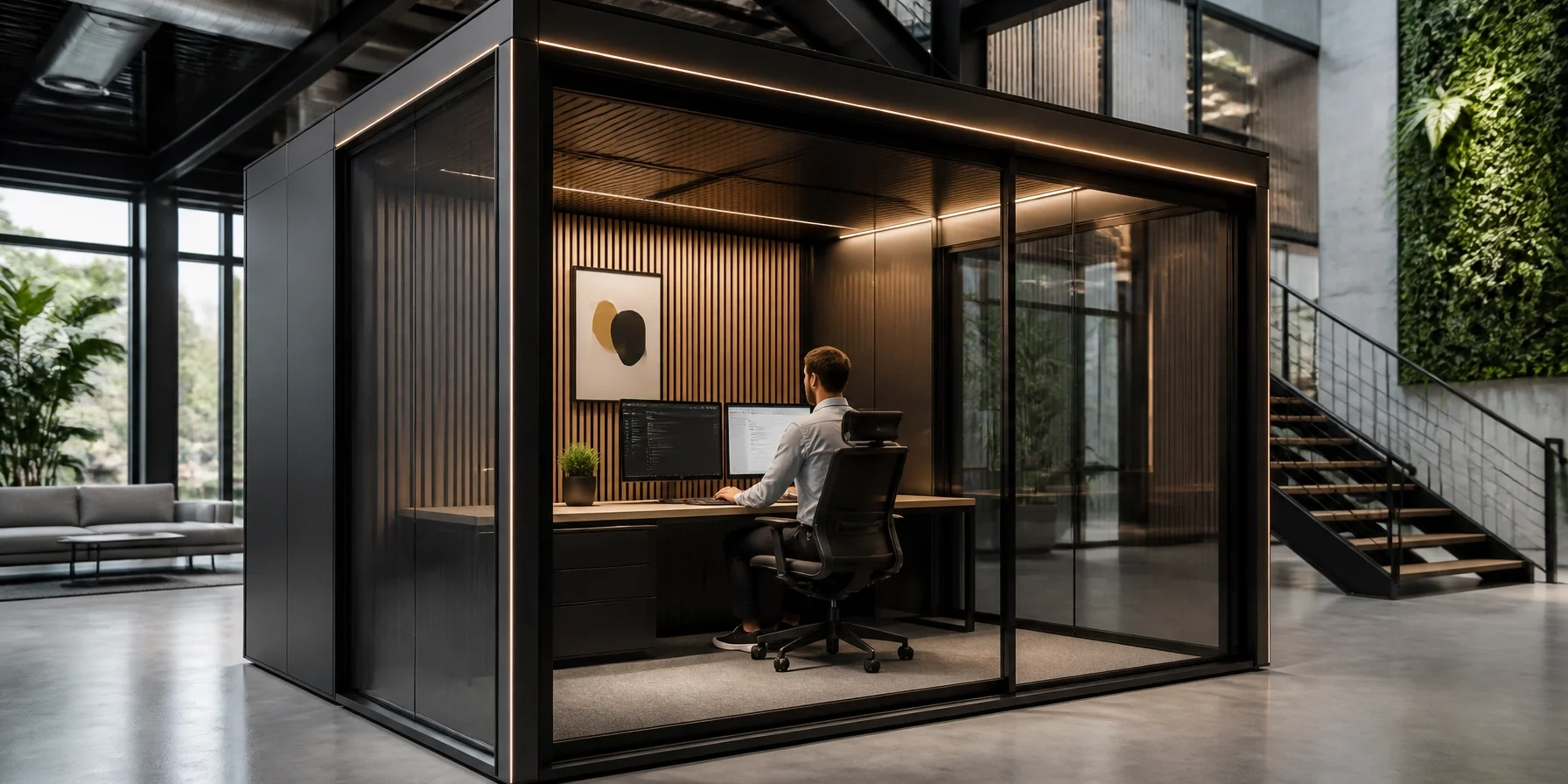
For decades, the traditional computer lab served as the technological heart of educational institutions and training centers. These rooms, characterized by rows of stationary desktop units and a tangle of ethernet cables, were once the sole gateways to digital literacy. However, as we move further into the 2020s, a significant shift is occurring. The rise of "Bring Your Own Device" (BYOD) policies, coupled with the ubiquity of high-speed cloud computing, has rendered the generic computer lab increasingly obsolete.
Data from industry analysts suggests that traditional lab utilization has plummeted by as much as 50% in recent years, leading many to ask: Are computer labs dead? The answer is not a simple "yes," but rather an evolution. The sprawling, general-purpose labs of the past are being replaced by "Modular Pods", highly specialized, small-footprint environments designed to function as intensive career hubs. These pods are not merely places to access a computer; they are immersive, industry-aligned ecosystems that prepare individuals for high-demand roles in logistics, cybersecurity, and content creation.
The Decline of the "Beige Box" Era
The obsolescence of the traditional computer lab can be attributed to several converging factors. First is the democratization of hardware. Today, the average laptop owned by a student or a professional transitioning through programs like the DOD SkillBridge often exceeds the processing power of a mid-range lab desktop. Second, the shift toward Software-as-a-Service (SaaS) and virtual desktop infrastructure (VDI) means that specialized software, once the primary reason to visit a lab, can now be accessed from any browser.
"We are seeing a move away from providing hardware for the sake of hardware," notes one infrastructure consultant. "Institutions are realizing that maintaining 100 identical machines is no longer a strategic use of space or capital. Instead, the focus has shifted toward providing specialized environments that the individual cannot replicate at home."
This transition is particularly relevant for companies like USA Entertainment Ventures LLC, which focus on business development and specialized recruitment. When the goal is to bridge the gap between military service and civilian careers, the infrastructure must mirror the modern workplace, not a 1990s classroom.
Defining the Modular Pod: A New Architectural Standard
A modular pod is a self-contained, pre-fabricated unit that can be deployed within an existing building footprint. Unlike a traditional room renovation, pods are "plug-and-play." They offer superior acoustic isolation, dedicated climate control, and integrated hardware configurations tailored to specific workflows.
From a strategic standpoint, pods offer several advantages:
- Scalability: Organizations can add or relocate pods based on shifting enrollment or market demand without needing major construction permits.
- Resource Efficiency: High-end, expensive hardware (such as server-grade GPUs) is concentrated only where it is needed, reducing the total cost of ownership.
- Optimized Learning Environments: By creating a "micro-environment," pods reduce distractions and foster a sense of professional immersion.
Logistics: The Modern Command Center

One of the most profound applications of modular pods is in the field of logistics and supply chain management. As global trade becomes increasingly reliant on real-time data, the role of the logistics coordinator has evolved into that of a "mission controller."
Traditional computer labs are ill-equipped to simulate the high-pressure environment of a distribution hub. In contrast, a specialized logistics pod functions as a mini command center. These units are often equipped with wrap-around, multi-screen displays that aggregate live feeds from IoT sensors, fleet tracking software, and warehouse management systems.
For veterans entering the civilian sector through logistics and transportation pathways, these pods provide a "live-fire" environment. They allow trainees to practice routing optimization and crisis management in a setting that looks and feels exactly like a Fortune 500 operations room. The focus is on the workflow, not the machine.
Cybersecurity: Secure Ranges for Digital Defense

In the realm of cybersecurity, the traditional lab environment actually presents a liability. Training for incident response or penetration testing often requires "air-gapped" networks, systems physically isolated from the main campus or corporate network to prevent the accidental spread of malware.
Modular pods are the ideal solution for this requirement. Because they are self-contained, they can be configured with dedicated server racks and isolated network switches. This allows for the creation of "Cyber Ranges", environments where students can engage in defensive simulations against real-world threats without risk.
The demand for cybersecurity professionals is projected to grow significantly over the next decade. By utilizing pod-based infrastructure, training centers can offer the level of technical rigor required by the Department of Defense and major financial institutions. It transforms the learning process from a theoretical exercise into a tactical operation, ensuring that candidates are truly "job-ready."
Content Creation and Game Development: Professional Studios

The creative economy is another area where the general-purpose lab fails to meet modern standards. High-end video production, 3D rendering, and game development require hardware that far exceeds standard office specifications. Furthermore, tasks like podcasting and voice-over work require near-perfect acoustic conditions.
A modular content creation pod addresses these challenges by integrating sound-dampening materials directly into its walls. These pods are typically outfitted with professional-grade microphones, studio lighting, and ultra-high-definition monitors.
"In the creative field, the environment is just as important as the software," says a media production expert. "You cannot record a high-quality podcast in a room with 30 other people clicking mice. You need a dedicated, quiet space that honors the professional nature of the work."
By providing these "studios-in-a-box," organizations enable their members to build professional portfolios that stand out in a competitive market. Whether it is producing explainer videos for medical brands or developing educational simulations, the pod provides the necessary tools for excellence.
The ROI of Modular Infrastructure

When evaluating the transition from traditional labs to modular pods, business leaders must consider the Return on Investment (ROI). While the initial cost of a high-quality pod may seem higher than a row of desks, the long-term savings are substantial.
- Flexibility: As industries change, a pod can be reconfigured from a logistics center to a coding hub in a single weekend. A traditional lab requires weeks of construction and rewiring.
- Energy Savings: Pods often feature motion-sensing LED lighting and high-efficiency HVAC systems that only operate when the space is in use.
- Space Utilization: By replacing underused labs with a mix of collaborative open space and specialized pods, organizations can often reduce their total real estate footprint by 20-30%.
Furthermore, for companies focusing on government contracting, the ability to demonstrate a modern, secure, and efficient infrastructure is a key differentiator in the bidding process.
A Human-Centric Approach to Training
Beyond the technical and economic benefits, there is a psychological advantage to the modular pod. In an era of open-plan offices and noisy shared spaces, the ability to retreat into a focused, quiet environment is highly valued. This "deep work" capability is essential for learning complex skills like programming or data analysis.
For individuals in transition, such as those moving from structured military environments into the corporate world, the clarity and focus provided by a dedicated "career hub" can significantly reduce the stress of professional development. It provides a sense of ownership and professional identity that a generic computer lab simply cannot replicate.
Conclusion: Building the Future of Work
Traditional computer labs may be entering their final chapter, but the need for high-performance, physical workspaces is stronger than ever. The transition to modular pods represents a move toward intentionality. We are no longer building rooms full of computers; we are building hubs for careers.
As we look toward 2026 and beyond, the most successful organizations will be those that embrace this shift. By providing specialized environments for logistics, cybersecurity, and content creation, we are not just teaching people how to use technology, we are providing them with the professional theater in which to master their craft.
The "beige box" is gone. The era of the career-focused pod has arrived.
For more information on how USA Entertainment Ventures LLC is helping businesses and veterans navigate the future of work, please visit our About Us page or explore our current career opportunities.
Questions or partnerships? Call our AI Receptionist at +1 (970) 703-0102.
Dan Kost, CEO – USA Entertainment Ventures LLC
If this helped you, please comment, subscribe, and share.





