
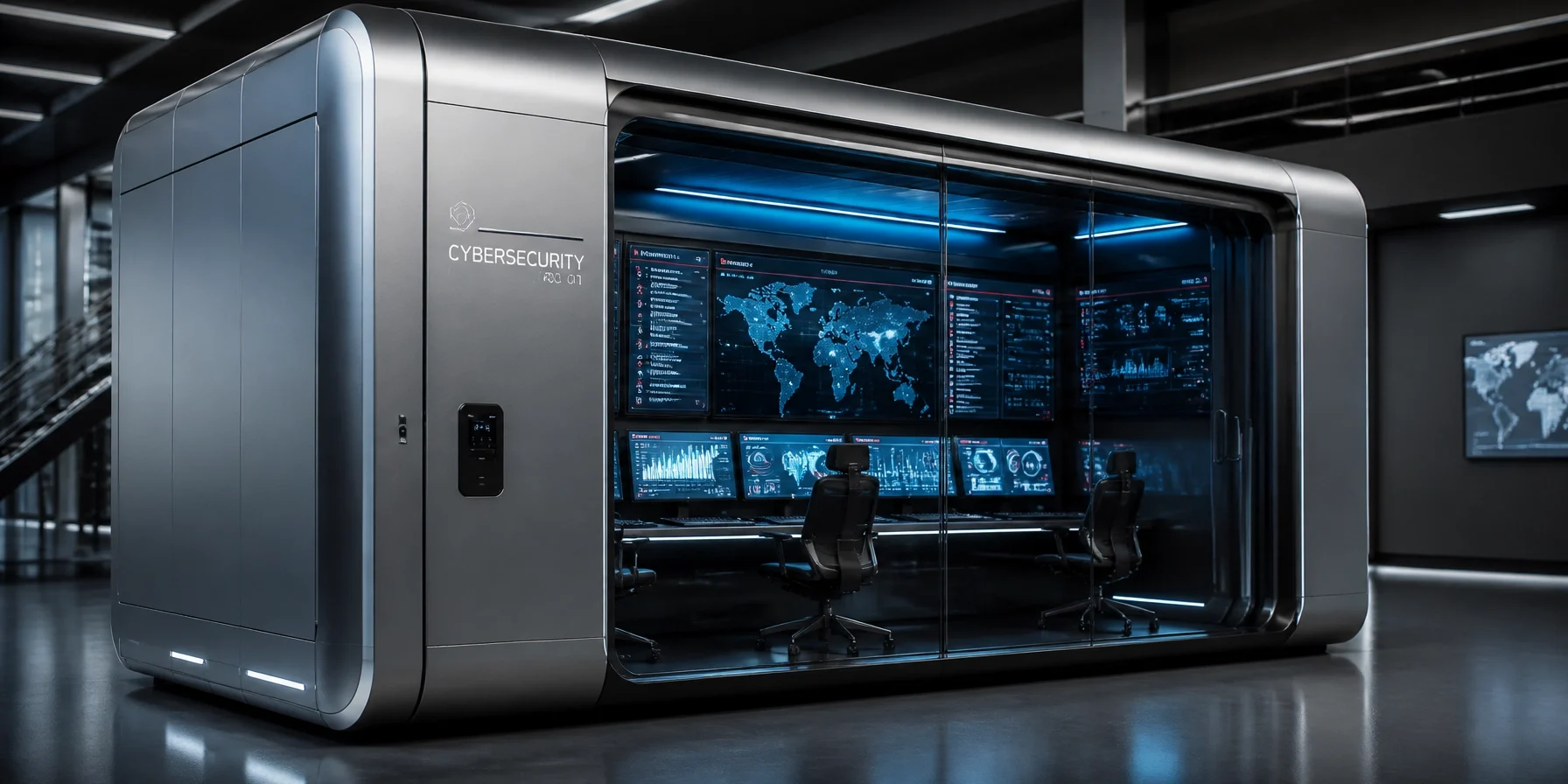
For decades, the "computer lab" was a staple of educational and corporate environments: a static room filled with rows of beige towers, tangled cables, and a shared, often outdated, network. However, as we cross into 2026, the physical landscape of technology is undergoing a radical transformation. The traditional computer lab is not just aging; it is becoming obsolete. In its place, a new architectural standard is emerging: the Modular Pod.
These self-contained, high-tech units are redefining how organizations handle cybersecurity, data privacy, and specialized training. Far from being simple "booths," these pods are becoming the new command centers for a workforce that demands mobility, security, and physical segmentation. This shift is not merely a trend in office design; it represents a fundamental change in how we secure our digital infrastructure and the career pathways required to support it.
The Obsolescence of Fixed Infrastructure
The traditional computer lab model was built for an era of centralized, non-critical computing. In 2026, the risks associated with shared physical spaces have escalated. Static labs often lack the necessary physical security protocols required for high-stakes cybersecurity operations. When every workstation is part of a single, open floor plan, the risk of "shoulder surfing" or unauthorized physical access increases exponentially.
Furthermore, fixed infrastructure is inherently inflexible. A traditional lab takes months to build and remains static for years. In contrast, modern cybersecurity threats evolve weekly. As noted in recent federal cyber strategy updates, the shift toward Zero Trust Architectures requires not just logical segmentation, but physical segmentation as well. Large, open labs are difficult to secure to the standards of a Sensitive Compartmented Information Facility (SCIF), whereas modular pods can be engineered to these exacting specifications from the factory.
The Rise of the Modular Command Center
Modular pods represent the intersection of high-end logistics and advanced technical infrastructure. Unlike a standard office cubicle, a cybersecurity pod is a "mission-ready" enclave.
1. Physical and Technical Security
Many modern pods are designed to meet SCIF-grade requirements, providing electromagnetic shielding and physical access controls that are impossible to maintain in a traditional lab. For organizations managing sensitive government contracts or critical infrastructure, these pods serve as a "plug-and-play" solution for secure operations.
2. Scalability and Rapid Deployment
The ability to surge capacity is critical. During a significant cyber incident, an organization may need to deploy a "Red Team" or an incident response unit in a matter of hours. Modular pods can be transported, dropped into an existing warehouse or office space, and brought online instantly. This flexibility mirrors the broader industry shift toward next-generation talent funnels that prioritize agility over static legacy systems.
3. Mission-Specific Specialization
Rather than a one-size-fits-all lab, organizations are now building "cells." One pod might be dedicated to Space Systems cyber defense, while another focuses on Industrial Control Systems (ICS). This follows the Cybercom 2.0 model, which emphasizes building highly specialized teams rather than generalists.

Career Pathways in a Modular World
The transition from labs to pods has created a demand for specialized talent across three primary disciplines: Logistics, Cybersecurity, and Content Creation. These fields, once seen as distinct, are now converging around the management of modular infrastructure.
Logistics: Moving the "Labs"
The deployment of modular pods requires a sophisticated logistics network. Career opportunities in this sector have expanded from traditional warehousing to Infrastructure Logistics Management. Professionals in this field must understand the complexities of transporting sensitive technology, managing international supply chain risks, and coordinating the rapid deployment of mobile command centers.
According to the Transportation, Distribution, and Logistics Competency Model, modern logistics roles now require a deep understanding of tech-integrated systems. Those who can bridge the gap between physical transport and IT setup are becoming the most sought-after assets in the workforce.
Cybersecurity: Defending the Pods
For the cybersecurity professional, the pod is the new office. Roles such as SOC Analysts and Incident Responders are increasingly operating out of these specialized units. The physical environment allows for better focus and enhanced security, but it also requires analysts to be proficient in securing modular, often cloud-integrated, endpoints.
As highlighted in our guide to workforce strategy, the modern analyst must be as comfortable with the physical security of their pod as they are with the digital security of the network.
Content Creation: Documenting the Innovation
A surprising but vital career path is the Technical Content Creator. As infrastructure becomes more modular and complex, the need for clear, data-driven explanation has never been higher. Whether it is creating training modules for new pod-based operations or documenting the success of a talent funnel, content creators serve as the vital link between the technical engineers and the end-users.

Bridging the Talent Gap: The Role of USA Entertainment Ventures LLC
At USA Entertainment Ventures LLC, we recognize that the hardware is only half of the equation. The true value of modular pods lies in the people who operate them. Through our specialized divisions and our commitment to programs like the DOD Skill Bridge, we are actively working to bridge the talent gap in these burgeoning sectors.
The DOD Skill Bridge program is a vital resource for transitioning service members, providing them with the opportunity to gain civilian work experience during their final 180 days of service. Veterans, with their inherent understanding of security, discipline, and complex logistics, are uniquely qualified for roles in pod-based cybersecurity and infrastructure management.
By integrating veterans into these high-growth areas, we aren't just filling jobs; we are building a more resilient national infrastructure. Our focus on Fortune 100 workforce strategy ensures that these individuals are placed in roles where they can have the maximum impact on both business goals and societal good.
Actionable Takeaways for Organizations
If your organization is currently relying on legacy computer labs, consider the following strategic shifts:
- Conduct a Physical Security Audit: Assess whether your current lab layout meets 2026 security standards. If you are handling sensitive data, investigate modular pod solutions that offer SCIF-level protection.
- Invest in Mobile Infrastructure: Instead of permanent renovations, consider leasing or purchasing modular units. This allows your capital expenditure to remain an asset that can be moved or repurposed as your mission changes.
- Leverage Transitioning Talent: Look to programs like Skill Bridge to find talent that is already "security-minded." Veterans often require less training in the operational discipline needed for high-stakes cybersecurity work.
- Embrace Multi-Disciplinary Training: Encourage your IT teams to learn the basics of logistics, and your logistics teams to understand the basics of cyber-physical security. The silos of the past are disappearing.

Conclusion: The Future is Modular
The "death" of the traditional computer lab is not something to be mourned; it is a sign of progress. By moving toward modular, pod-based infrastructure, we are creating a world where technology is more secure, more mobile, and more accessible to a specialized workforce.
Whether you are an organization looking to upgrade your cybersecurity posture or an individual seeking a career in logistics or content creation, the shift toward pods offers a clear pathway forward. At USA Entertainment Ventures LLC, we remain committed to managing this transition and ensuring that the next generation of talent is ready to step into these new command centers.
The future of work is not a room; it is a pod.





