
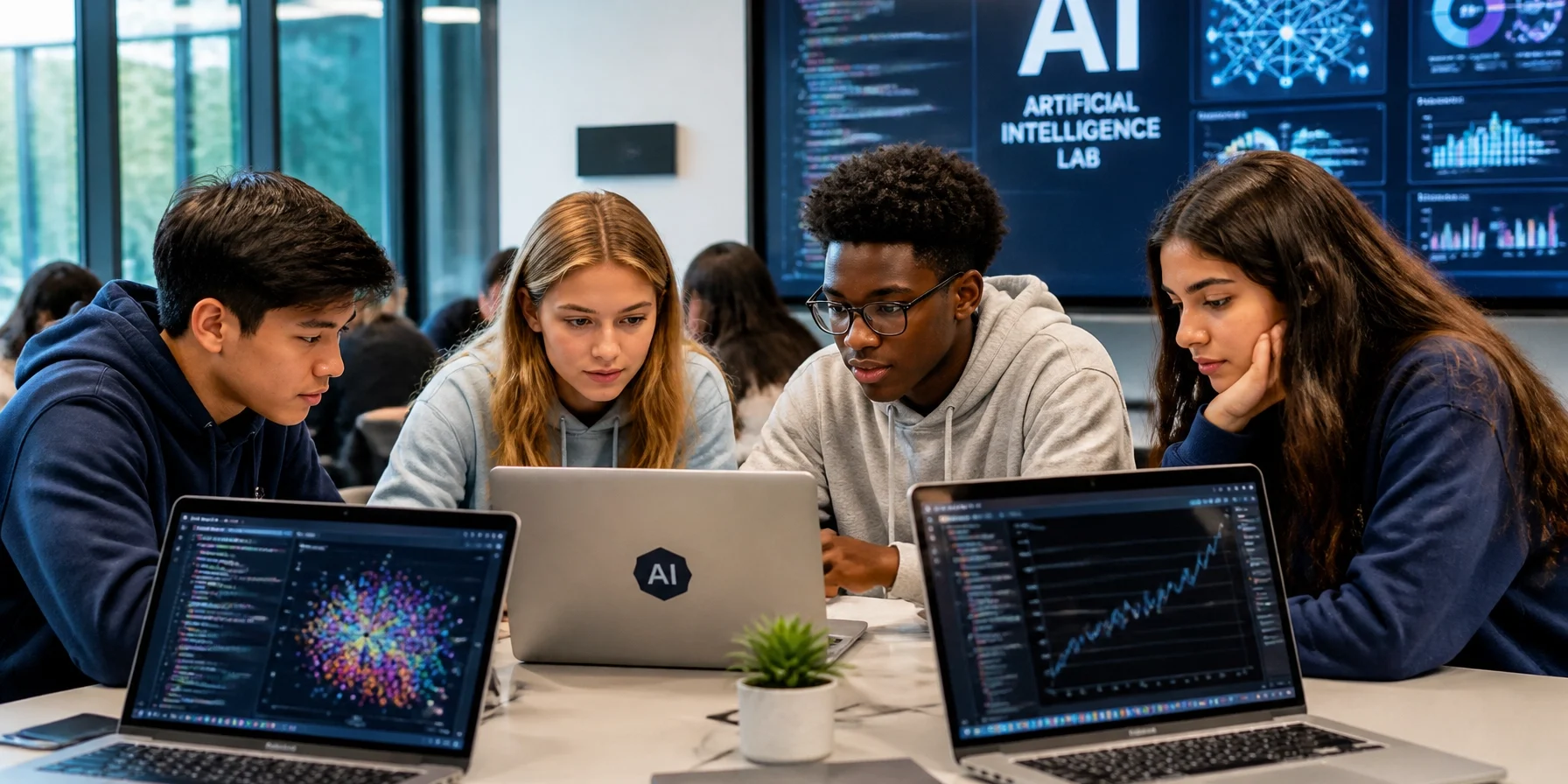
The professional landscape of 2026 is defined by a singular, pressing reality: the demand for technical expertise in Artificial Intelligence (AI), Cloud Computing, and Data Analytics has far outpaced the traditional talent supply chain. While many organizations continue to focus their recruitment efforts on graduating university seniors and experienced professionals, a strategic shift is occurring among industry leaders. The most resilient companies are no longer waiting for talent to emerge from higher education; they are identifying and cultivating it within high schools.
At USA Entertainment Ventures LLC, we recognize that managing the future of a business requires a proactive approach to workforce development. Whether through our specialized divisions or our focus on DOD SkillBridge recruitment, we understand that the "Next-Gen Talent Funnel" is the most critical asset for long-term sustainability.
The Four-Year Lag: Why Waiting is a Risk
The traditional recruitment model relies on a "four-year lag." By the time a student enters a university computer science program and graduates four years later, the technological landscape has often shifted entirely. For instance, the rise of Natural Language Processing (NLP) and Large Language Models (LLMs) has moved so rapidly that curricula struggle to remain current.
Data suggests that the top of the recruitment funnel is the weakest point for 68% of organizations. By waiting until the university level to engage with potential candidates, companies are competing in an overcrowded market for a limited pool of talent. The World Economic Forum projects that 75% of companies will adopt AI by 2027, leading to a significant shift in job roles and required skills. To mitigate the risk of a talent shortage, organizations must expand their horizons.

High School: The New Frontier for Cloud and AI
High school students today are digital natives in a sense that previous generations were not. They are coming of age in an era where AI is a standard tool, not a novelty. In 2026, we are seeing high school students participate in global events like the Wharton High School Data Science Competition, where over 700 teams from 48 countries tackle real-world sports analytics and predictive modeling problems.
These students are not just learning to code; they are learning to think like data scientists. They are navigating ambiguous data, building machine learning models, and understanding cloud infrastructure. Specifically, the skill stack required for modern data roles: SQL, Python, AWS, and Azure: is increasingly being introduced at the secondary education level through specialized Career and Technical Education (CTE) programs.
Why Early Exposure Matters
- Early Skill Formation: Students can reach employable proficiency in specific cloud and AI domains sooner if they begin their foundational learning in high school.
- Reduced Sourcing Costs: Identifying high-potential individuals early reduces the long-term cost of recruitment and headhunting.
- Structured Talent Data: Companies that engage with high school funnels can track a student’s growth and performance over several years, providing a "structured signal" that is far more reliable than a single interview or a standard resume.
The Data-Driven Case for Early Funnels
Investing in high school talent is not merely a social responsibility or a philanthropic endeavor; it is a sound financial strategy. Research into corporate apprenticeship and youth programs indicates a significant Return on Investment (ROI). On average, employers receive approximately $1.44 in value for every $1 invested in a registered apprenticeship program: a 44% median return.
Furthermore, the retention rates for employees who enter a company through an early-stage funnel are significantly higher. These individuals develop a deep understanding of the company culture and a loyalty to the organization that provided their initial career pathway. In an era where "job hopping" is common, this loyalty is a competitive advantage.

Building the Bridge: Actionable Strategies
Transitioning to a next-gen talent funnel requires a structural shift in how companies view human resources. It is no longer enough to be a "consumer" of talent; companies must become "producers" of talent.
1. Mentorship and Apprenticeship
Formalized mentorship programs allow high school students to gain exposure to real-world business challenges. As noted in our Ultimate Guide to Fortune 100 Workforce Strategy, a successful pipeline is built on trust and early engagement. These programs provide students with a clear roadmap into the industry while allowing the company to vet talent in a low-risk environment.
2. Alignment with SkillBridge and Specialized Recruitment
Our work within the DOD SkillBridge recruitment sector highlights the importance of structured transition programs. Just as SkillBridge helps military members transition to civilian careers, high school funnels help students transition into specialized tech roles. By applying the same rigorous standards of training and placement, companies can ensure a steady stream of "workforce-ready" individuals.
3. Leveraging Cloud and AI Literacy Labs
Companies can partner with schools to establish "Learning Labs" focused on AWS Educate, Google Cloud, or Microsoft Azure certifications. This ensures that the local talent pool is being trained on the exact tools the company uses daily, eliminating the need for extensive retraining post-hire.

The Future of Talent Management
As we look toward 2027 and beyond, the scarcity of AI and data talent will only intensify. Data scientist roles are projected to grow by 33.5% by 2034. Organizations that continue to rely on traditional, late-stage recruitment will find themselves struggling to fill critical roles.
At USA Entertainment Ventures LLC, we believe that managing a business effectively means anticipating these shifts. By establishing a presence in high schools today, you are securing the experts you will need tomorrow. This approach benefits the business through lower costs and higher retention, but it also benefits the broader economy by creating clear, accessible pathways for the next generation of innovators.
The next AI expert who will revolutionize your operations is likely sitting in a high school classroom right now. The question is: will they be working for you, or for a competitor who reached them first?

Conclusion
The shift toward high school talent funnels is a logical response to a rapidly evolving technological landscape. By moving recruitment to an earlier stage, companies can solve the "four-year lag," improve their ROI, and build a more diverse and skilled workforce. As we move further into 2026, the organizations that prioritize early engagement will be the ones that lead the next wave of technological advancement.
For more information on managing your workforce strategy and navigating the complexities of modern recruitment, visit our services page.





