
The landscape of professional development and recruitment is undergoing a fundamental shift. As traditional credentials begin to share the stage with demonstrable skills, organizations and educational institutions are searching for new frameworks to prepare the talent of tomorrow. The concept of a "Next-Gen Workforce Strategy" is no longer just a buzzword; it is a critical necessity for any "Future Ready" institution.
At USA Entertainment Ventures LLC, we observe these shifts daily. From the management of high-level entertainment ventures to the intricate logistics of the DoD Skill Bridge recruitment, the demand for clarity, data, and adaptability has never been higher. To help leaders navigate this evolution, we have compiled ten essential insights into the modern workforce strategy, focusing on the intersection of data, media literacy, and emerging educational models.
1. Skills are the New Currency
The most significant trend in modern workforce planning is the shift toward skills-based hiring. According to recent industry analyses, employers are increasingly prioritizing specific technical and human competencies over traditional four-year degrees. This "skills-first" approach treats capability as the primary currency of work. Organizations are moving away from filling headcount and toward building internal mobility through targeted upskilling. For schools and businesses alike, this means the focus must shift to how a student or employee can apply knowledge in real-world scenarios.
2. The Power of Data Analytics Dashboards
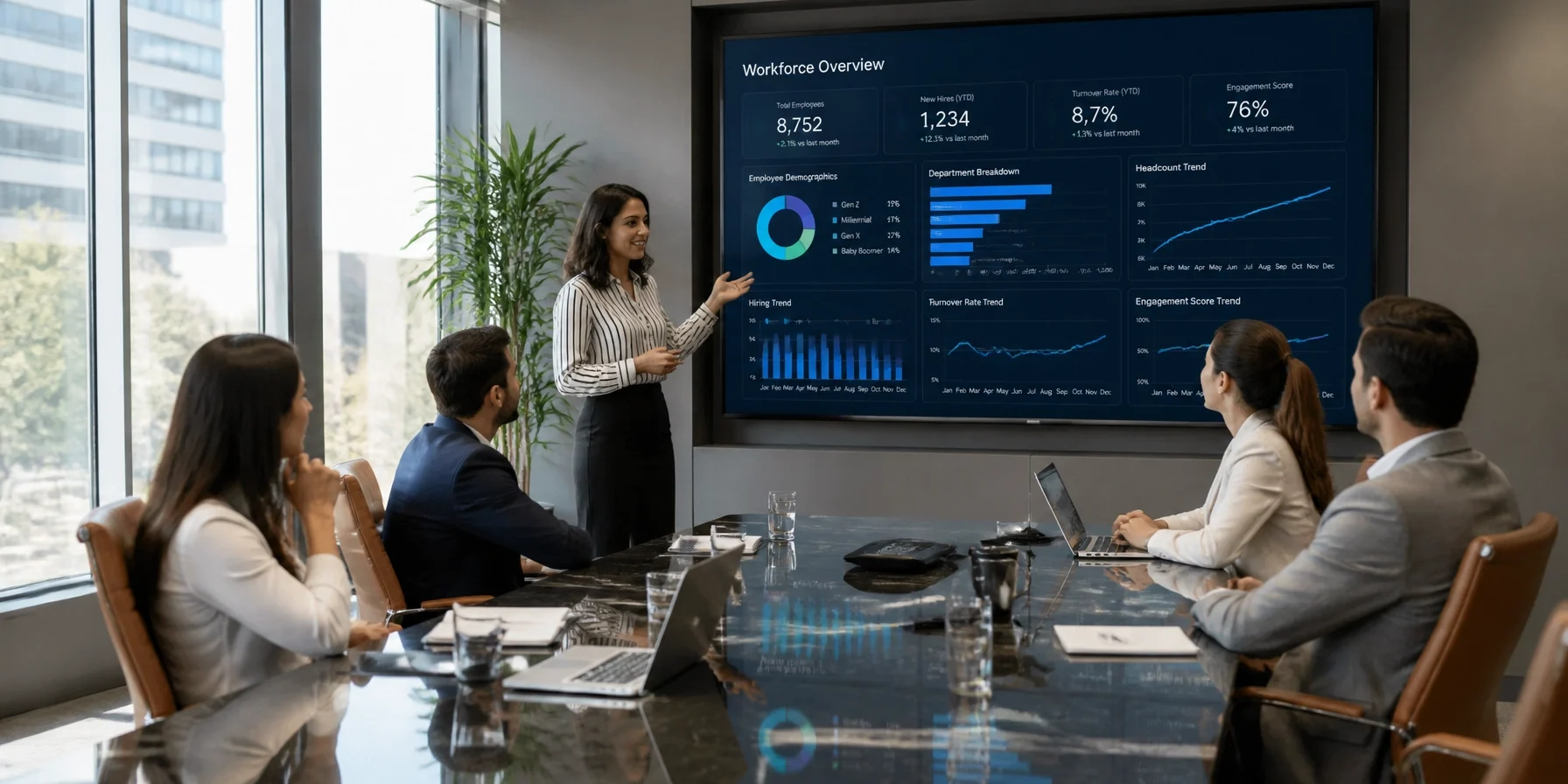
Visibility is the cornerstone of any effective strategy. Modern institutions are now leveraging data analytics dashboards to gain real-time insights into talent pipelines. These dashboards allow executives to identify skill gaps, forecast hiring needs, and track the progress of development programs. By using predictive analytics, leaders can spot friction points: such as burnout risks or engagement drops: before they become systemic issues. In the context of a "Future Ready" school, these tools help educators align their curriculum with the actual needs of the labor market.

3. NIL Education as a Professional Laboratory
Name, Image, and Likeness (NIL) education is often associated strictly with collegiate athletics, but its implications for workforce strategy are much broader. NIL serves as a real-world laboratory for teaching essential next-gen skills such as personal branding, entrepreneurship, and contract negotiation. When students engage with NIL platforms, they are effectively running a small business. They learn the nuances of audience development and financial literacy: skills that are directly transferable to any professional role in the modern economy.
4. Media Literacy as a Core Competency
In an era dominated by AI-generated content and complex digital ecosystems, media literacy has transitioned from an elective skill to a core workforce requirement. Analytical thinking is currently cited by many employers as the most essential skill for the coming decade. Media literacy training teaches individuals to evaluate sources critically, distinguish between authentic information and sponsored content, and understand the impact of algorithmic feeds. For a workforce to be effective, its members must be able to navigate information-dense environments without falling prey to misinformation or digital fatigue.

5. Integrating the DoD Skill Bridge Program
The transition from military service to the civilian workforce represents one of the most untapped talent pools available to modern businesses. The Department of Defense (DoD) Skill Bridge program allows service members to gain valuable civilian work experience through internships or pre-apprenticeships during their last 180 days of service. By acting as an anchor for these programs, companies like USA Entertainment Ventures LLC help bridge the gap between military discipline and civilian innovation. This strategy not only supports veterans but also injects highly skilled, mission-oriented talent into the private sector.
6. AI-Intensive Workplaces Require New Strategies
Artificial Intelligence is no longer a futuristic concept; it is a transformative reality. Statistics suggest that by 2030, the majority of employers will view AI and information processing as their most significant transformative trends. Next-gen workforce strategies must account for AI's role in predictive decision-making, recruitment, and daily operations. However, the goal is not to replace humans but to augment them. Successful organizations will be those that foster "hybrid skills": the ability to combine technical AI proficiency with human intuition and ethical judgment.
7. Digital Citizenship and Reputation Management
In the gig and fractional economy, a professional's digital reputation is often their most valuable asset. Media literacy outcomes are not just about consuming content; they are about responsible creation and participation. Teaching digital citizenship ensures that the next generation of workers understands the long-term impact of their online footprint. This is particularly relevant in the context of building a talent funnel, where professional presence and online networking often lead to the most significant career opportunities.
8. The Transition to Modular Learning Environments
The traditional "computer lab" model is being phased out in favor of more dynamic, modular environments. These modular pods provide flexible spaces for cyber careers, e-sports management, and collaborative digital projects. For schools to be truly "Future Ready," they must provide physical and digital spaces that mirror the modern, flexible office environment. These spaces encourage the kind of project-based learning that prepares students for the collaborative nature of the contemporary workforce.

9. Focusing on "Future Ready" Outcomes
A workforce strategy is only as good as the outcomes it produces. For educational institutions, being "Future Ready" means more than just having the latest technology. it involves a coordinated approach to student readiness that includes data-driven mentoring, micro-credentialing, and exposure to real-world business scenarios. By aligning school outcomes with the Fortune 100 workforce strategy, educators can ensure that their graduates are not just looking for jobs, but are prepared to lead in them.
10. The Importance of Institutional Anchors
Finally, every successful workforce ecosystem requires an "anchor." This could be a forward-thinking school district, a dedicated consulting firm, or a community partner that provides the necessary infrastructure for these programs to flourish. USA Entertainment Ventures LLC serves as a managing partner and anchor in these spaces, providing the strategic oversight needed to coordinate between educational goals and industry demands. Consistency and long-term vision are the hallmarks of an effective institutional anchor.

Conclusion: Embracing the Future
The evolution of work is constant, but the strategies we use to manage it must be intentional. By focusing on data analytics, NIL education, and comprehensive media literacy, institutions can move beyond reactive hiring and toward a proactive, future-ready model. The integration of programs like the DoD Skill Bridge and the adoption of skills-based frameworks are not just beneficial for the economy; they are essential for the well-being of the next generation of professionals.
As we look toward the horizon, the opportunity to innovate within workforce strategy has never been greater. Whether you are a business leader looking to refine your recruitment funnel or an educator aiming to provide the best possible start for your students, the time to adopt these next-gen strategies is now.





