
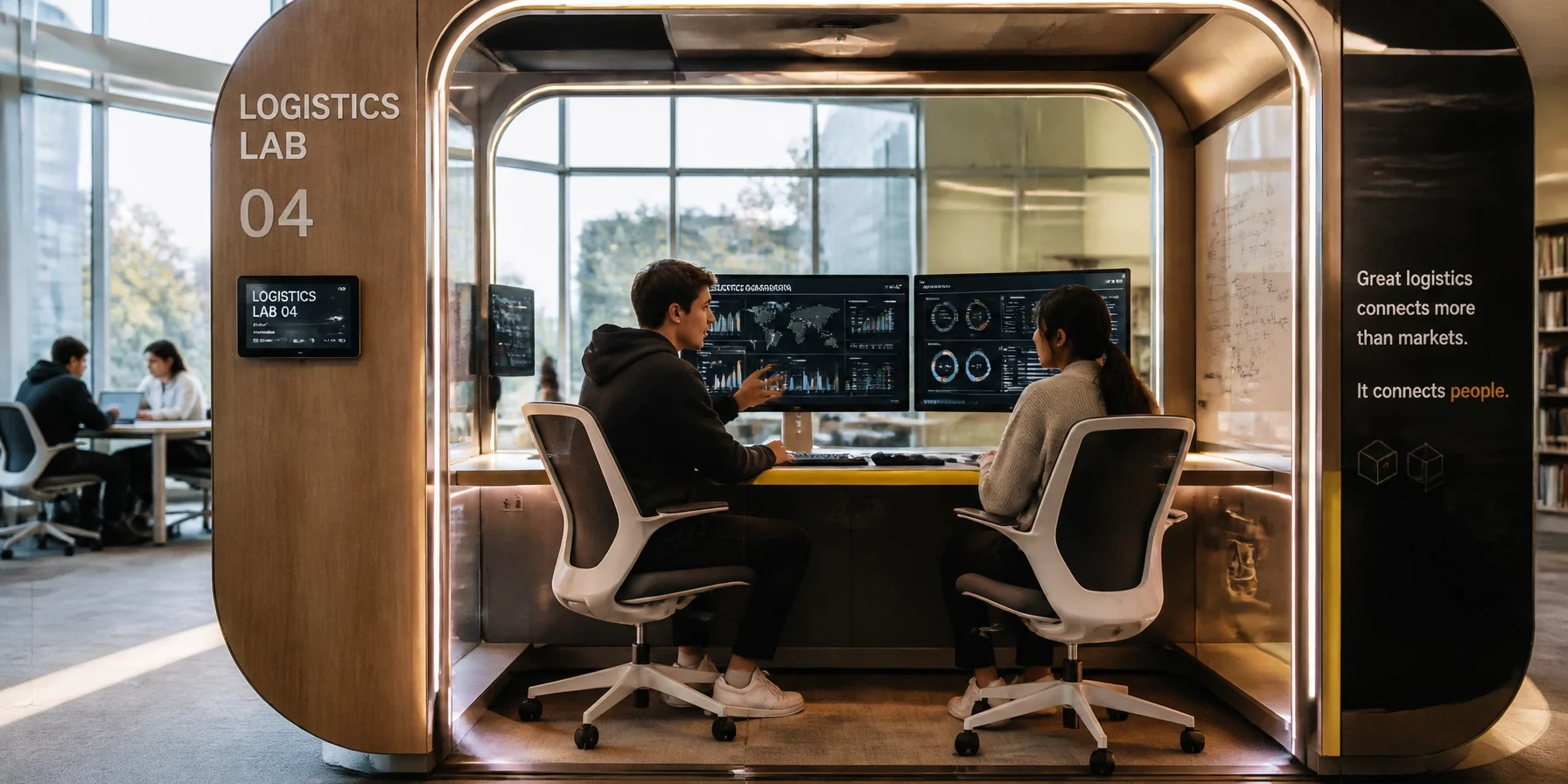
For decades, the "computer lab" was a staple of the American collegiate experience. It was typically a windowless room characterized by rows of uniform, beige towers, the hum of oversized cooling fans, and the faint scent of ozone and stale coffee. Students visited these labs out of necessity, driven by the need for specialized software or high-speed internet that their personal laptops: if they had them: simply could not provide.
However, as we move further into the 2020s, the traditional computer lab is undergoing a quiet but radical transformation. The "dusty lab" model is effectively dead, replaced by a more agile, specialized, and inspiring architectural concept: the Pod. These modular, high-tech environments are not just places to finish an assignment; they are becoming the primary infrastructure for professional career inspiration in fields ranging from global logistics to cybersecurity and the burgeoning creator economy.
The Evolution of Campus Infrastructure
The decline of the traditional computer lab is rooted in a fundamental shift in how students access technology. According to recent industry analyses, student device ownership has reached near-universal levels, and the rise of Virtual Desktop Infrastructure (VDI) allows specialized software to be streamed directly to a student’s own hardware. When students can access powerful tools from a dormitory or a local café, the physical space on campus must offer something more than just a CPU and a monitor.
Universities are now repurposing these square feet into "higher-value learning environments." As noted in recent educational facility trends, institutions like the University of Arkansas and Middle Tennessee State University are pivoting toward collaborative study hubs and specialized technology zones. These zones, or "Pods," offer a professional-grade atmosphere that mirrors modern corporate headquarters rather than sterile classrooms.
At USA Entertainment Ventures LLC, we recognize that the physical environment is a critical component of workforce development. Our focus on projects like the e-sports-pod highlights this shift, emphasizing that high-performance spaces are essential for building the talent funnels of the future.
Career Pathway 1: The Logistics Command Center
Modern logistics and supply chain management have moved far beyond simple warehousing. Today’s industry leaders rely on real-time data, global positioning, and complex simulation software to keep the world’s economy moving. For a college student, sitting in a traditional row of computers does little to simulate the high-pressure, fast-paced environment of a global operations center.

Pods designed for logistics act as "Control Centers." Equipped with multi-monitor displays, high-speed fiber connectivity, and collaborative seating, these spaces allow students to engage with ERP (Enterprise Resource Planning) and GIS (Geographic Information Systems) in a team-based setting.
Industry experts suggest that "authentic practice environments" are the key to career readiness. By working in a pod that replicates a logistics hub, students develop the soft skills: such as crisis communication and collaborative problem-solving: that are just as vital as their technical proficiency. This transition from "learning about" logistics to "operating" within a simulated logistics environment is what differentiates the modern graduate in a competitive job market.
Career Pathway 2: The Cybersecurity War Room
The field of cybersecurity is perhaps the most urgent beneficiary of the "Pod" revolution. In an era where digital threats are constant and evolving, the educational focus has shifted toward "Cyber Ranges": virtual environments where students can engage in red-team (offensive) and blue-team (defensive) simulations.

A traditional computer lab is ill-equipped for a high-stakes cyber simulation. In contrast, a Cybersecurity Pod is designed as a "War Room." These spaces often feature secure, isolated networks and specialized hardware that allow students to analyze malware or defend against mock DDoS attacks without risking the broader campus infrastructure.
The authoritative voice of the cybersecurity industry emphasizes that "teamwork is the primary defense." When students are situated in a pod, they are forced to communicate in real-time, much like they would in a professional Security Operations Center (SOC). This immersive experience transforms a theoretical lesson into a tactile, high-adrenaline career preview, preparing them for immediate recruitment into high-demand roles.
Career Pathway 3: Content Creation and the Media Suite
The "creator economy" is no longer a niche interest; it is a multi-billion-dollar industry that encompasses marketing, journalism, entertainment, and corporate communications. For students pursuing careers in digital media, the equipment and environmental requirements are highly specific.

The "Media Pod" serves as a micro-studio. It provides the acoustic treatment, professional-grade lighting, and high-performance GPU workstations necessary for 4K video editing, podcasting, and live streaming. Institutions are increasingly building these pods within their esports categories to support students who are not just playing games, but also managing the broadcast and production side of the industry.
By providing these "specialized zones," universities are validating content creation as a legitimate and rigorous career path. Students leave these pods not just with a degree, but with a portfolio produced in a professional-grade environment, making them highly attractive to brands looking for digital-native talent.
Bridging the Gap: From Campus Pod to Career Success
The ultimate goal of this architectural shift is to create a seamless "Skill Bridge" between the academic world and the professional workforce. At USA Entertainment Ventures LLC, we see these pods as the front end of a comprehensive talent funnel. Whether through DOD skill bridge recruitment or corporate talent development, the transition is most successful when the student is already comfortable in a professional-grade environment.

As we project current trends into the future, it is clear that the "all-purpose" computer lab will continue to vanish. In its place, we will see a network of highly specialized, modular pods that can be reconfigured as technology evolves. This flexibility is not just a matter of convenience; it is a strategic necessity for universities that want to remain relevant in a rapidly changing economic landscape.
Actionable Takeaways for the Future
For university administrators and students alike, the move toward Pods offers several practical advantages:
- Repurpose Underutilized Space: Instead of maintaining 50 identical workstations that are rarely used simultaneously, convert those rooms into 10 specialized pods focused on high-growth industries.
- Adopt Reservation Systems: Treat campus pods like professional co-working spaces. Implementing a reservation system teaches students time management and prepares them for the "hot-desking" models of modern offices.
- Focus on Collaborative Hardware: Prioritize screen-sharing technology and integrated communication tools over raw processing power, as the latter can often be handled via the cloud.
- Align with Industry Partners: Design pods in consultation with local industry leaders to ensure the hardware and layout match real-world expectations.
The era of the dusty computer lab is over. The era of the Pod: dynamic, specialized, and career-focused: has begun. By embracing these spaces, we are not just changing where students work; we are changing how they see their future possibilities.





