
As the educational landscape undergoes a rapid transformation, the traditional methods of workforce management and student preparation are being tested. The emergence of Name, Image, and Likeness (NIL) rights for student-athletes and the pervasive influence of digital media have created a dual challenge for educational institutions: the need to prepare students for a complex new reality while simultaneously optimizing their own internal workforce.
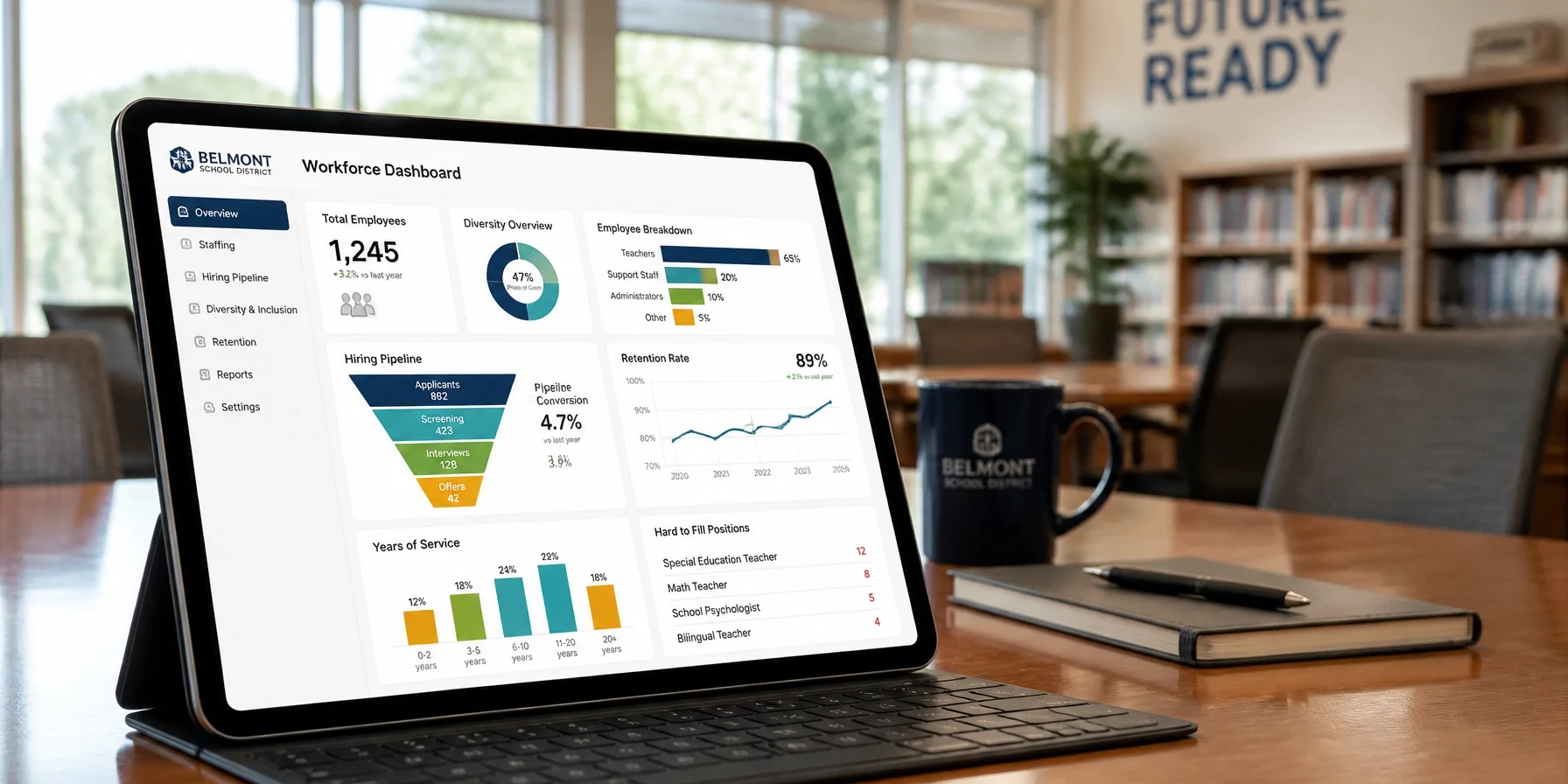
To navigate this, "Future Ready" schools are increasingly turning to sophisticated data analytics. By integrating data dashboards into their core strategy, administrators can gain a 360-degree view of their organization, ensuring that staffing levels, professional development, and student outcomes are perfectly aligned. USA Entertainment Ventures LLC stands as an anchor in this transition, providing the strategic framework and recruitment tools: including the Department of Defense (DOD) SkillBridge program: to help institutions thrive.
Here are five critical steps to integrating data dashboards and mastering your workforce strategy.
1. Define Your Strategic Questions Before Choosing Your Tools
The most common mistake in data integration is starting with the software rather than the strategy. A dashboard is only as effective as the questions it is designed to answer. For an educational institution aiming to be "Future Ready," these questions must bridge the gap between traditional operations and emerging student needs like NIL and media literacy.
Before looking at any data, executive leadership should identify their primary workforce concerns. Are we effectively supporting our student-athletes in the NIL era? Do we have a localized "skills gap" regarding media literacy instruction? Are our current staff members equipped to teach digital ethics?
"The key is to start from strategy: what decisions you need to make: and then back into data, metrics, and dashboard design," notes industry research on workforce readiness ecosystems. By identifying these "decision scenarios" early, you ensure that the eventual dashboard serves as a functional tool for growth rather than a mere display of numbers.

Creating a unified strategy requires collaboration across departments: from HR to athletics.
2. Break Down Data Silos to Create a "Single Source of Truth"
In many institutions, data is fragmented. The Human Resources Information System (HRIS) tracks staff certifications, the Student Information System (SIS) tracks athlete rosters, and separate curriculum platforms track media literacy progress. To master workforce strategy, these silos must be dismantled.
Integrating these systems into a unified data foundation allows for a holistic view of the institution. For example, by connecting HR data with athletic rosters, administrators can see exactly which schools have a high density of student-athletes but a low number of staff trained in NIL advisory roles.
USA Entertainment Ventures LLC emphasizes this integrated approach, recognizing that a "Future Ready" school cannot operate in isolation. A single source of truth: whether through a data warehouse or a structured Business Intelligence (BI) tool: ensures that every department is looking at the same reality, allowing for faster, more accurate decision-making.
3. Establish KPIs for NIL Education and Media Literacy
Once the data is integrated, the next step is identifying the Key Performance Indicators (KPIs) that truly matter. In the modern era, traditional metrics like "staff-to-student ratio" are no longer sufficient. We must measure the specific competencies required for the future.
Critical KPIs for the modern workforce strategy include:
- Skills Gap Index: Quantifying the difference between current staff competencies and the requirements of a "Future Ready" media literacy curriculum.
- NIL Coverage Ratio: The number of student-athletes per staff member certified in branding, contract basics, and digital ethics.
- Professional Development ROI: Measuring the change in student media literacy outcomes (such as reduced misinformation-related incidents) following targeted teacher training.
By focusing on these specific metrics, schools can move beyond generalities and address the specific needs of their community. For instance, if data shows that a specific department is lagging in media literacy certifications, the school can prioritize that area for its next professional development cycle.

Investing in media literacy and NIL education prepares students for the modern economic reality.
4. Design Actionable, Role-Based Dashboards
A dashboard that provides too much information can be just as ineffective as one that provides too little. Effective dashboard design focuses on role-based views that provide specific stakeholders with the information they need to act.
- For District Leadership: A high-level view of system-wide equity, budget allocation, and overarching hiring needs.
- For Principals: A localized view of their school’s staffing levels, teacher PD uptake, and student-athlete support coverage.
- For HR and Recruitment: A "hotspot" map identifying where attrition is highest or where vacancies in specialized roles (like media literacy coaches) are most critical.
By utilizing color-coded alerts and dynamic filters, these dashboards allow leaders to drill down from district-level trends to individual school needs. This ensures that the data isn't just seen; it's used.
5. Link Insights to Strategic Recruitment and the DOD SkillBridge Program
The final and most vital step is moving from insight to action. A data dashboard might reveal a critical shortage of project managers, IT specialists, or media literacy coordinators. This is where strategic recruitment becomes the engine of the workforce strategy.
One of the most effective tools for "Future Ready" schools is the DOD SkillBridge program. This initiative allows transitioning service members in their last 180 days of active duty to participate in full-time internships with civilian organizations: at no salary cost to the host institution.
"SkillBridge is a high-impact, low-cost recruitment tool," explains the program's guidelines. For schools, this means access to disciplined, highly trained professionals who can fill critical operational and administrative gaps while the Department of Defense continues to provide their pay and benefits.
By integrating SkillBridge recruitment into the workforce strategy, schools can:
- Bridge the Talent Gap: Host full-time military interns to pilot new media literacy or safety programs.
- Build a Permanent Pipeline: Use the 180-day internship as a "real-world" interview process for future permanent hires.
- Support Veterans: Demonstrate a visible commitment to those transitioning out of the military, enhancing the school’s community standing.
USA Entertainment Ventures LLC specializes in managing these transitions and recruitment pipelines, ensuring that the insights gained from your data dashboards lead directly to the acquisition of world-class talent.

The DOD SkillBridge program provides schools with a low-risk, high-reward pipeline for elite talent.
Conclusion: Steering Toward a Future-Ready Horizon
Mastering workforce strategy is not a one-time event; it is an ongoing process of refinement and adaptation. By integrating data dashboards, schools can move from a reactive posture to a proactive one: anticipating the needs of their students and the demands of the modern economy before they become crises.
As an anchor for "Future Ready" schools, USA Entertainment Ventures LLC is committed to providing the frameworks and recruitment strategies necessary to navigate this new terrain. Whether it is managing the complexities of NIL education, fostering media literacy, or leveraging programs like DOD SkillBridge, the goal remains the same: creating an environment where both educators and students can thrive in a digital-first world.
The future of education is data-informed, strategically staffed, and relentlessly focused on student outcomes. By following these five steps, your institution can lead the way.

For more information on how to optimize your workforce strategy or to learn more about our recruitment and management services, visit USA Entertainment Ventures LLC.





