
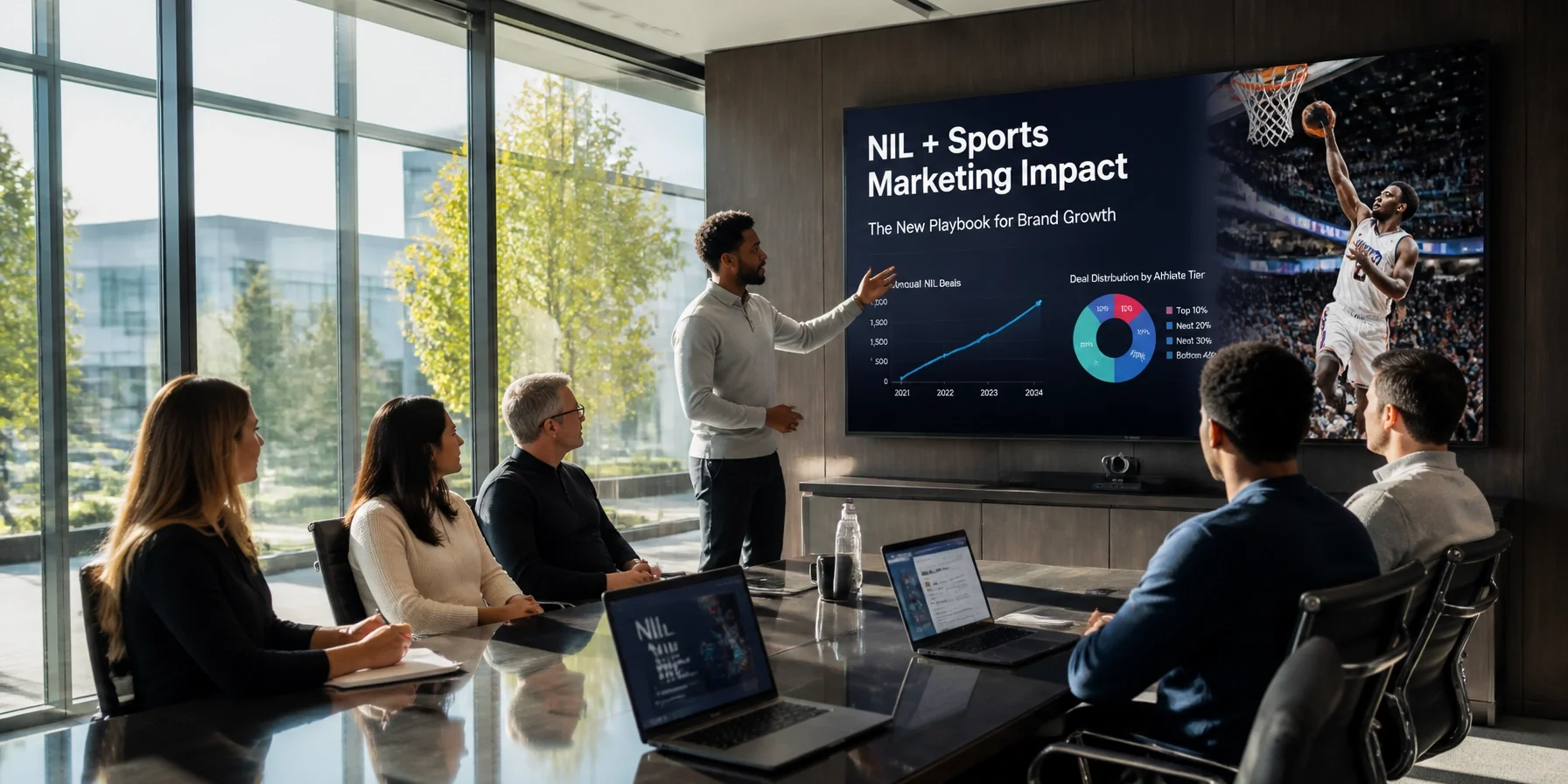
The landscape of collegiate athletics has undergone a seismic shift, evolving from a tradition-bound amateur system into a multi-billion-dollar commercial ecosystem. This "NIL Revolution": referencing the Name, Image, and Likeness rights of student-athletes: has fundamentally altered how brands engage with the next generation of consumers. For Fortune 100 companies, the challenge is no longer whether to enter the NIL space, but rather how to do so at scale while maintaining rigorous compliance and achieving a measurable return on investment (ROI).
As we approach the next major milestones in the sporting calendar, including Super Bowl 2026, the integration of NIL into high-stakes marketing campaigns has become a strategic necessity. The gap between college stardom and professional influence is narrowing, creating a unique "bridge" that brands can leverage to build lifelong customer loyalty.
The NIL Revolution: Bridging the Gap at the Super Bowl
Historically, the Super Bowl has been the exclusive domain of professional athletes and massive celebrity endorsements. However, the regulatory changes tracked by the College Sports Commission (CSC) and the recent House antitrust settlement have opened the doors for student-athletes to participate in the biggest stage in American sports.
The Super Bowl is now a cross-level platform where college stars and NFL veterans coexist in the same marketing narrative. Whether through social media activations, experiential events on "Media Row," or high-impact digital out-of-home campaigns, NIL is the tool that allows Fortune 100 brands to tell a continuous story of excellence from the campus to the stadium.
As highlighted in the USA Entertainment Ventures perspective, moments define a brand. Aligning a corporate vision with the unmatched expertise of a seasoned sports marketing agency is the first step toward dominating this new arena.
What Fortune 100 Brands Require in an NIL Platform
When operating at the enterprise level, the requirements for a marketing platform are vastly different from those of a local business. Fortune 100 brands necessitate a sophisticated infrastructure that can handle the complexities of national campaigns.
- Scale and Reach: The ability to activate thousands of athletes simultaneously across diverse demographics and geographic regions.
- Verified Performance Data: Moving beyond "vanity metrics" to hard data, such as conversion tracking, Customer Acquisition Cost (CAC), and Return on Ad Spend (ROAS).
- Compliance and Risk Management: Strict adherence to evolving NCAA guidelines, state laws, and institutional rules to protect the brand's reputation.
- Workflow Automation: Seamless management of contracts, payments, and content approvals to ensure brand safety and operational efficiency.

Comparative Analysis: Top NIL Platforms for 2024–2025
Choosing the right partner requires an understanding of the strengths and limitations of each major player in the market. Below, we compare the leading platforms tailored for enterprise use.
1. Sports Media (USA Entertainment Ventures)
Core Strength: Integrated marketing and high-touch brand dominance.
As a division of USA Entertainment Ventures LLC, Sports Media brings 40 years of advertising leadership to the NIL space. Unlike pure-play tech platforms, Sports Media integrates NIL into a broader ecosystem of out-of-home (OOH) media, including the proprietary Sporttron digital network, which accesses ribbon boards and jumbotrons in over 780 venues nationwide.
- Best Use Case: Fortune 100 brands seeking a 360-degree integration where NIL athletes are part of a larger, physical-and-digital brand environment.
- The Edge: Their platform leverages over 20,000 authentic voices and uses predictive modeling and fan sentiment analysis to prove ROI.
2. NIL Club
Core Strength: Performance marketing and sheer volume.
NIL Club has positioned itself as the "performance-driven" choice for large companies. It emphasizes high-volume athlete activation with claims of a 74% lower CAC compared to traditional social media channels.
- Best Use Case: Rapid customer acquisition and high-volume User-Generated Content (UGC) campaigns.
- Watch-out: Many of the metrics, such as their 650,000+ athlete network, are self-reported and may require independent verification for corporate auditing.
3. Opendorse
Core Strength: Compliance and institutional relationships.
Opendorse is often viewed as the "establishment" platform, maintaining deep ties with athletic departments and professional sports organizations.
- Best Use Case: Brands that prioritize institutional alignment and want to work with established, high-profile athletes in a highly regulated environment.
- Watch-out: The platform is often more focused on compliance and relationship management than on raw performance-based marketing.
4. INFLCR
Core Strength: Data transparency and regulatory alignment.
INFLCR is frequently cited as the "gold standard" for compliance. It provides robust analytics that help brands navigate the intricacies of school-specific rules.
- Best Use Case: Risk-averse Fortune 100 brands that need exhaustive reporting and legal safeguards at every step of the deal-making process.

Strategic Considerations for the 2026 Season
As we look toward the 2026 season and the Super Bowl, the trend is moving away from "one-off" posts and toward sustained, year-round relationships. Industry experts suggest that the most successful NIL strategies are those that treat student-athletes as long-term brand ambassadors rather than temporary influencers.
The introduction of the "5-in-5" eligibility model: granting athletes five full seasons of competition: provides brands with a more predictable window for multi-year partnerships. This allows a Fortune 100 company to identify a rising star in their freshman year and build a narrative that culminates in a major Super Bowl activation by their senior year.
The Advantage of an Integrated Approach
While a digital-only NIL platform might offer scale, it often lacks the tangible presence required to "own the environment" during major events. This is where the Sports Media division of USA Entertainment Ventures excels. By combining digital NIL activations with physical touchpoints: such as high-touch concession platforms and stadium-wide digital takeovers: brands can create a multi-sensory experience for the fan.
"Don't just advertise, dominate the arena," is more than a slogan; it is a tactical directive for the modern CMO. Using predictive modeling to anticipate fan sentiment allows for a level of precision that traditional advertising simply cannot match.

Actionable Takeaways for Fortune 100 CMOs
To successfully navigate the NIL landscape in the coming years, marketing leaders should implement the following:
- Prioritize Verified Data: Demand transparency in conversion tracking and ROI reporting. Do not rely solely on the self-reported figures of marketplace platforms.
- Seek Integrated Solutions: Look for partners who can bridge the gap between NIL, traditional OOH media, and experiential marketing.
- Embrace Long-Term Narrative: Utilize the new five-year eligibility windows to build authentic, multi-year brand stories.
- Audit for Compliance: Ensure your chosen platform has a dedicated compliance arm that stays updated with the latest CSC and NCAA enforcement policies.
The NIL revolution is not just a change in rules; it is a change in the very nature of brand-athlete relationships. For the Fortune 100, the opportunity lies in combining the authenticity of the student-athlete with the scale and precision of modern marketing technology.
For more information on how to strategically position your brand for the 2026 season and beyond, visit the USA Entertainment Ventures career opportunities or contact our consultation team.





