
Remember those fluorescent-lit computer labs from college? Rows of identical beige towers humming in unison, everyone staring at the same software, fighting for a spot during finals week? Yeah, those dinosaurs are going extinct. But here's the twist: they're not disappearing: they're evolving into something far more interesting.
Welcome to the era of pod infrastructure, where the traditional computer lab is getting a complete makeover. And this transformation isn't just about aesthetics or trendy furniture. It's fundamentally changing how we prepare for and enter three of today's fastest-growing career fields: logistics, cybersecurity, and content creation.
The Pod Revolution: What's Actually Happening
Pod infrastructure represents a radical departure from the one-size-fits-all computer lab model. Instead of uniform workstations locked into predetermined configurations, pods are modular, flexible workspaces designed around specific functions and workflows. Think of them as specialized micro-environments within a larger facility.
According to recent studies on campus technology trends, institutions are moving away from fixed desktop models toward docking stations, hot desks, and open-access areas. This isn't just about saving money on hardware: though that's certainly a benefit. It's about creating spaces that mirror the actual working environments students will encounter in their careers.
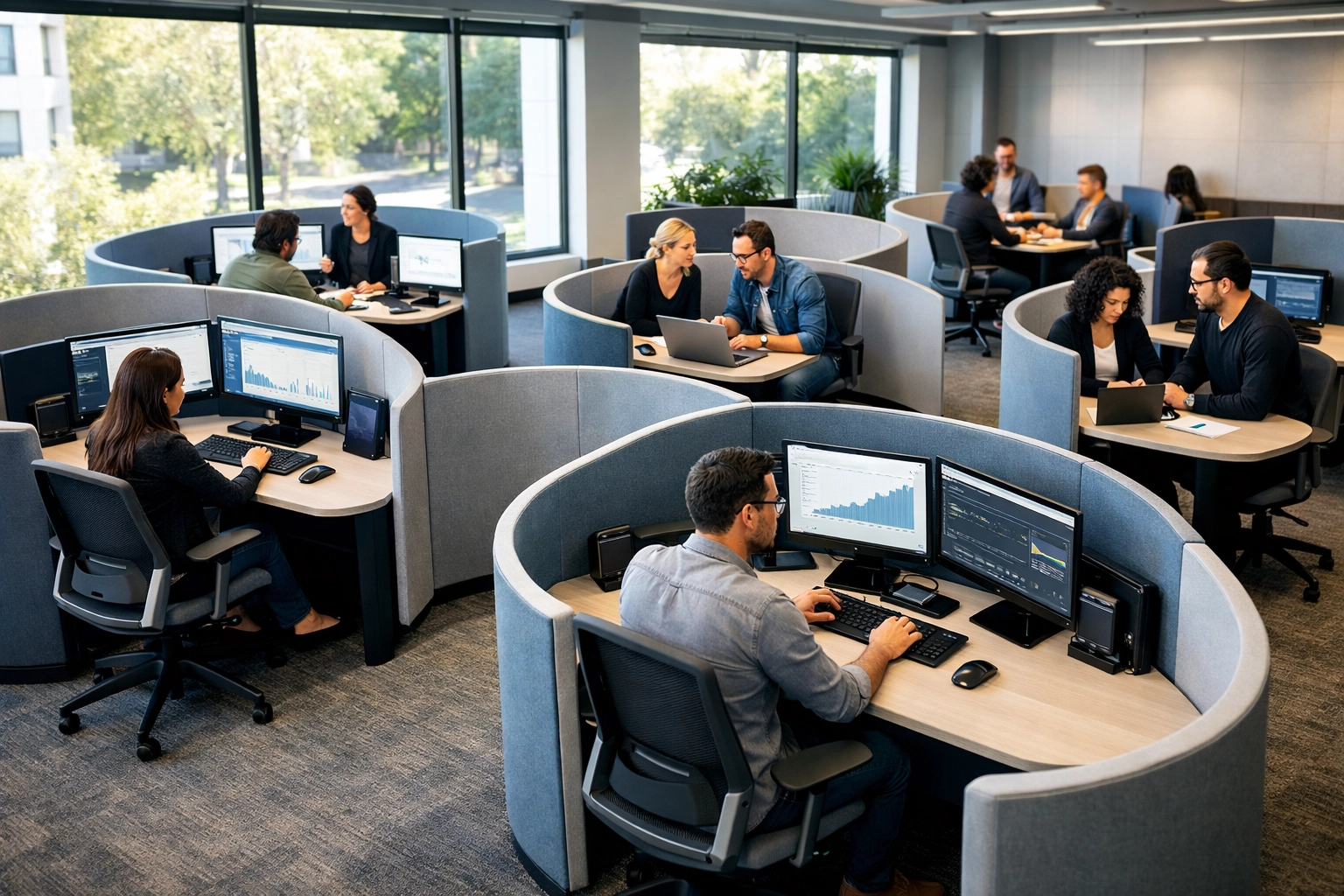
The data tells a compelling story. Universities and training centers using space-utilization analytics have discovered that traditional labs often sit empty while demand concentrates in specific areas during particular times. This insight has triggered a wave of redesigns, transforming underutilized spaces into tutoring centers, collaboration zones, and specialized pod configurations tailored to industry-specific needs.
The driving factors are straightforward: students and trainees now bring their own devices, cloud-based tools have eliminated the need for identical software installations, and hybrid learning models demand flexibility rather than rigidity. Pod infrastructure responds to all three trends while adding something traditional labs never could: authentic workspace simulation.
Logistics: Where Physical Infrastructure Meets Digital Coordination
Here's where it gets interesting for logistics careers. Modern logistics isn't about warehouses and clipboards anymore: it's about real-time data coordination, supply chain visualization, and split-second decision-making across multiple systems simultaneously.
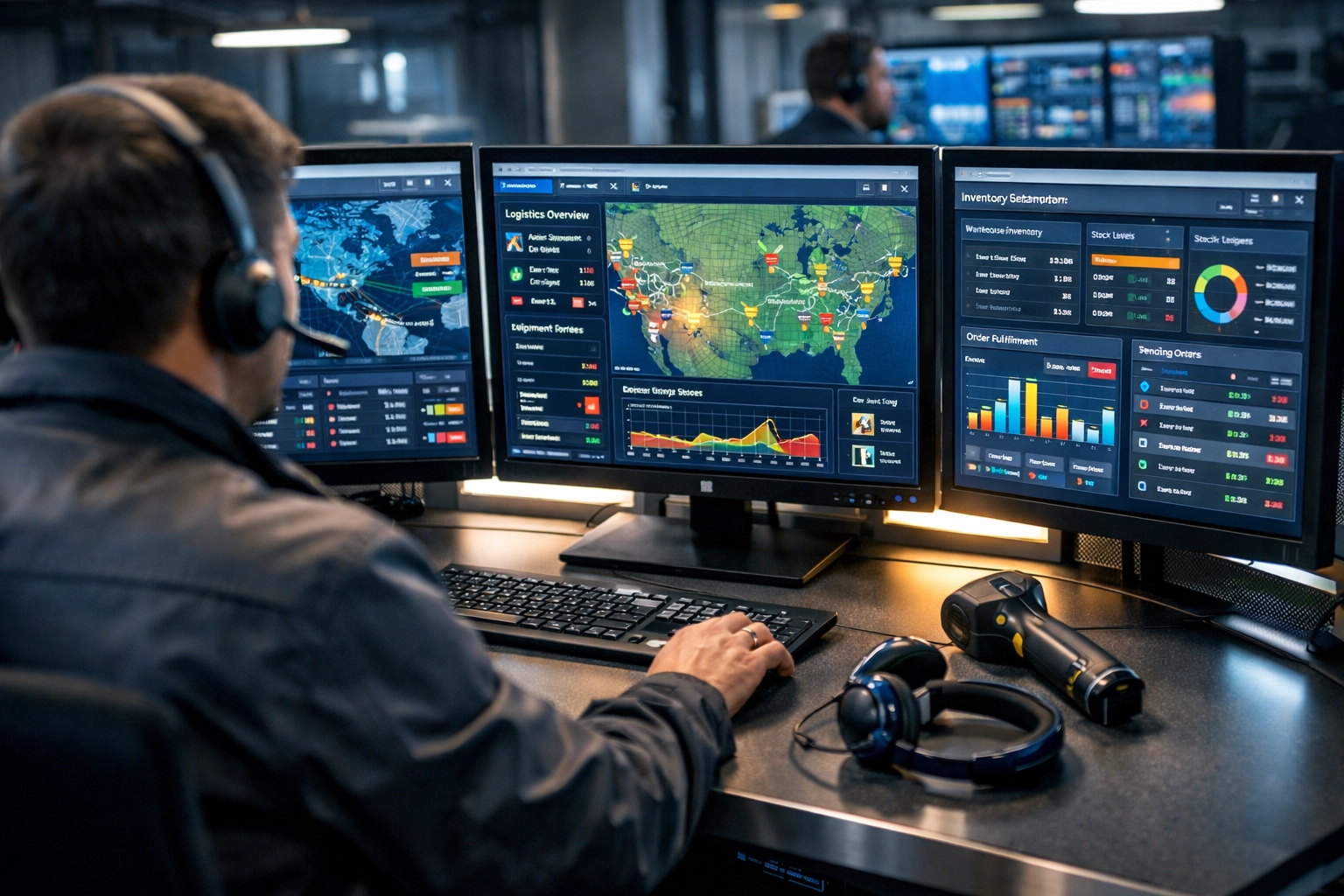
Logistics-focused pods are being designed with multi-monitor setups, integrated scanning equipment, and simulation software that mirrors actual distribution center operations. Trainees aren't just learning software in isolation; they're working in spaces configured like operational command centers.
The career pathway benefits are substantial. Entry-level logistics coordinators who train in pod environments report greater confidence when entering actual workplace settings because the spatial layout and equipment feel familiar. They've already experienced managing inventory tracking across three screens while coordinating with team members in adjacent pods: exactly what they'll do on day one.
Industry professionals emphasize that logistics success depends on spatial awareness and systems integration. Pod infrastructure trains both simultaneously. Unlike traditional computer labs where everyone faces forward in isolation, logistics pods facilitate the kind of rapid communication and multi-tasking that defines modern supply chain operations.
Moreover, these pods often incorporate IoT devices and RFID technology, giving trainees hands-on experience with the actual tools they'll use professionally. This isn't theoretical learning: it's practical preparation that compresses the learning curve and accelerates career entry.
Cybersecurity: Building Defense in Purpose-Built Environments
Cybersecurity pods represent perhaps the most dramatic departure from traditional computer labs. These environments are designed around threat simulation, network monitoring, and collaborative defense scenarios that simply couldn't exist in conventional setups.
The physical infrastructure matters more than you might think. Cybersecurity pods typically feature isolated network segments, allowing trainees to launch actual attacks against test systems without risking broader network security. They include server racks, network switches, and monitoring displays that replicate security operations center configurations.
This hands-on infrastructure approach directly addresses the industry's biggest challenge: the massive gap between academic knowledge and practical skills. According to cybersecurity workforce studies, employers consistently report that graduates understand concepts but lack operational experience. Pod infrastructure bridges that gap.
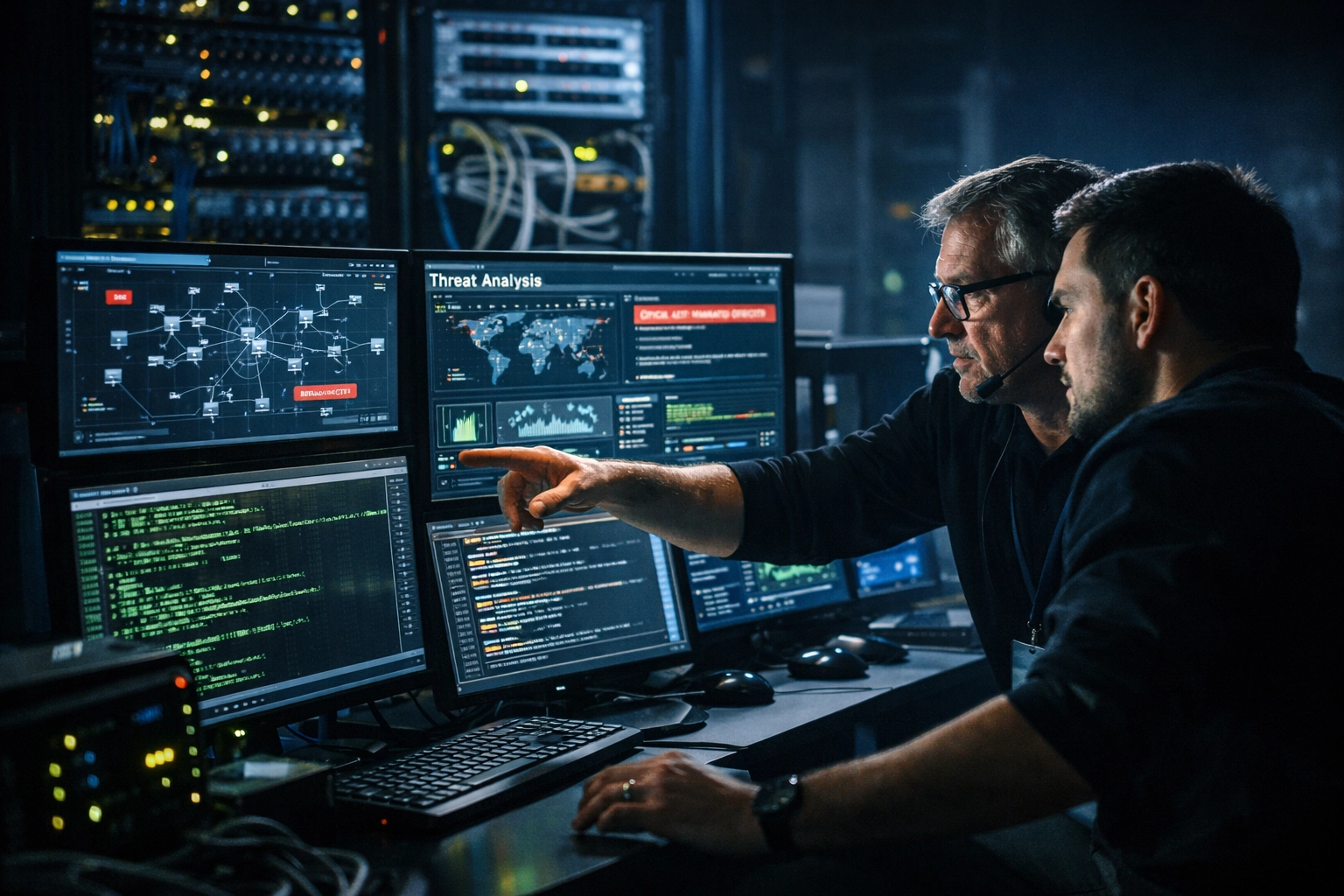
Career pathways in cybersecurity benefit from pod training in multiple ways. First, trainees develop muscle memory for the tools and workflows they'll use professionally: everything from SIEM platforms to packet analyzers. Second, they learn to work in team-based defense scenarios, which is how cybersecurity actually operates in enterprise environments. Third, they build confidence through repeated exposure to real-world attack patterns and defense strategies.
The collaborative aspect deserves emphasis. Modern cybersecurity isn't a solo endeavor. Pod configurations that support red team versus blue team exercises, incident response drills, and collaborative threat hunting prepare trainees for the team-oriented reality of professional security work. Traditional computer labs, with their individualized workstations, simply cannot replicate these dynamics.
Furthermore, cybersecurity pods often incorporate diverse operating systems and network architectures, exposing trainees to the heterogeneous environments they'll encounter professionally. This variety, impossible to maintain economically in traditional lab models, becomes feasible when virtualization and cloud resources combine with purpose-built pod infrastructure.
Content Creation: Where Collaboration Becomes Infrastructure
Content creation pods flip the traditional lab model entirely. Instead of identical workstations running the same software, these spaces embrace diversity: video editing stations next to podcast recording booths, photography workbenches adjacent to graphic design terminals, all within collaborative distance.
The career pathway implications are profound. Modern content creation is rarely solitary. Whether you're working at a marketing agency, a media production company, or running your own creative business, content creation increasingly involves cross-functional collaboration. Pod infrastructure trains this reality from day one.
These specialized spaces incorporate soundproofing for audio work, color-calibrated displays for visual media, and high-performance rendering stations for motion graphics and video editing. But the real innovation is spatial: content creation pods position these specialized resources to encourage interaction rather than isolation.
Trainees learn to move fluidly between creation modes: recording a podcast segment, editing the audio, designing promotional graphics, and coordinating with team members on distribution strategy, all within an integrated workspace. This workflow integration mirrors professional content creation environments far better than traditional labs where everyone works on identical machines running the same software.
The equipment itself prepares trainees for career entry. Professional-grade cameras, microphones, lighting systems, and editing software aren't just available: they're organized within workflows that reflect actual production pipelines. This infrastructure-based learning accelerates the transition from training to professional work because the tools, space, and collaboration patterns are already familiar.

Industry data supports this approach. Content creators who train in collaborative pod environments report faster integration into professional teams and greater confidence in multi-platform content strategies. They've already experienced the spatial dynamics and tool-switching that defines modern content production.
The Bigger Picture: Infrastructure as Career Preparation
The shift from traditional computer labs to pod infrastructure represents something larger than updated technology or trendy workspace design. It reflects a fundamental recognition that career preparation requires authentic environmental simulation, not just curriculum delivery.
Pod infrastructure succeeds because it acknowledges a simple truth: how we learn shapes what we learn. Practicing logistics coordination in a space that looks and functions like a distribution center command post teaches lessons that transcend any individual software package. Training cybersecurity skills in a simulated security operations center builds instincts that no textbook can convey. Creating content in collaborative production environments develops professional habits that isolated workstations never could.
The traditional computer lab served its era well: a time when computer access itself was the primary barrier. Today's barrier isn't access; it's authenticity. Students and trainees have devices and internet connections. What they need are environments that replicate professional workflows, spatial configurations, and collaborative dynamics.
What This Means Moving Forward
The evolution toward pod infrastructure is accelerating, driven by both technological capability and workforce demands. As industries continue specializing and workflows become more sophisticated, the gap between generic computer skills and profession-specific competencies widens. Pod infrastructure addresses that gap through environmental design.
For those exploring careers in logistics, cybersecurity, or content creation, the message is clear: seek training programs that invest in authentic infrastructure. The space itself is part of the curriculum, and facilities that recognize this reality produce better-prepared professionals.
The traditional computer lab isn't dead: it's transforming into something more purposeful, more specialized, and ultimately more valuable for career preparation. Pod infrastructure represents the future of hands-on training: flexible enough to evolve with technology, specific enough to build genuine skills, and collaborative enough to mirror how work actually happens.
The question isn't whether computer labs are dead. It's whether we're ready to embrace what they're becoming: and the career opportunities that transformation creates.