
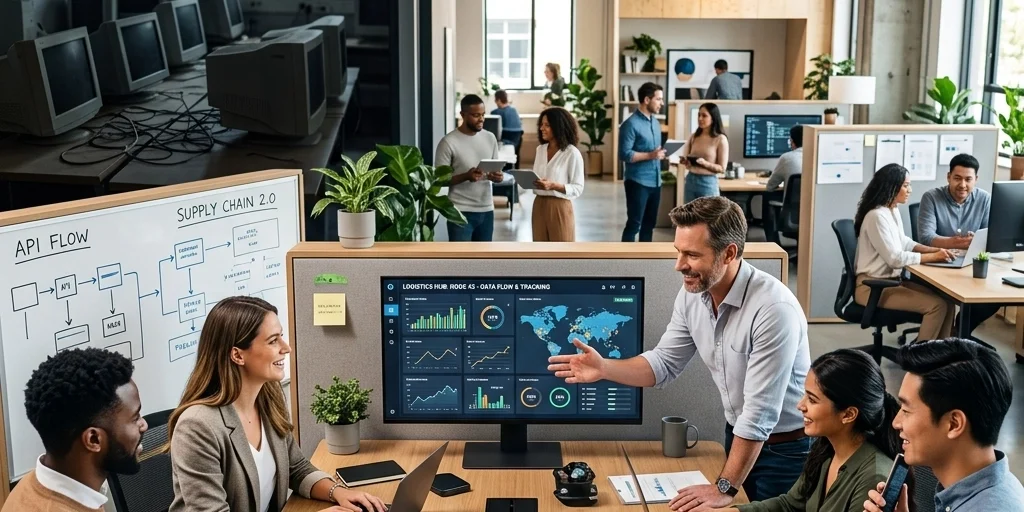
If you close your eyes and think of a "computer lab," what do you see? If you’re a child of the 90s or early 2000s, you probably see rows of identical, beige towers, flickering CRT monitors, and that weird, sterile smell of heated plastic and dust. You might even remember a teacher hovering over your shoulder while you struggled to type "The quick brown fox jumps over the lazy dog."
Well, I hate to be the bearer of bad news for nostalgia’s sake, but those traditional computer labs are effectively on life support. In fact, in many forward-thinking institutions, they’ve already been declared dead on arrival. But don't panic: technology isn't leaving the building. It’s just evolving into something much cooler, much more efficient, and infinitely more relevant to the modern workforce: The Pod.
At USA Entertainment Ventures LLC, we keep a close eye on how infrastructure shapes business consulting and workforce development. The shift from "the lab" to "the pod" isn't just a design trend; it’s a fundamental change in how we prepare humans for a high-tech world.
The Slow Fade of the "Rows of Desktops" Model
For a long time, the computer lab was a necessity because hardware was expensive and immobile. If you wanted to use a computer, you went to the temple where the computers lived. However, times change. Data from institutions like Penn State and Grand Valley State University shows a significant year-over-year decline in general lab visits.
The reason? Everyone has a "computer" in their pocket now, and most students or trainees have a laptop that’s more powerful than the workstations we used a decade ago. When people do visit labs now, they stay longer, but they are looking for something very specific that their laptop can't provide. They aren't looking for a "PC"; they are looking for an environment.
Traditional labs are built for instruction, not collaboration. They are built for a "follow the leader" style of learning that just doesn't fly in the 2026 economy. This is where the concept of the Learning Pod comes in.
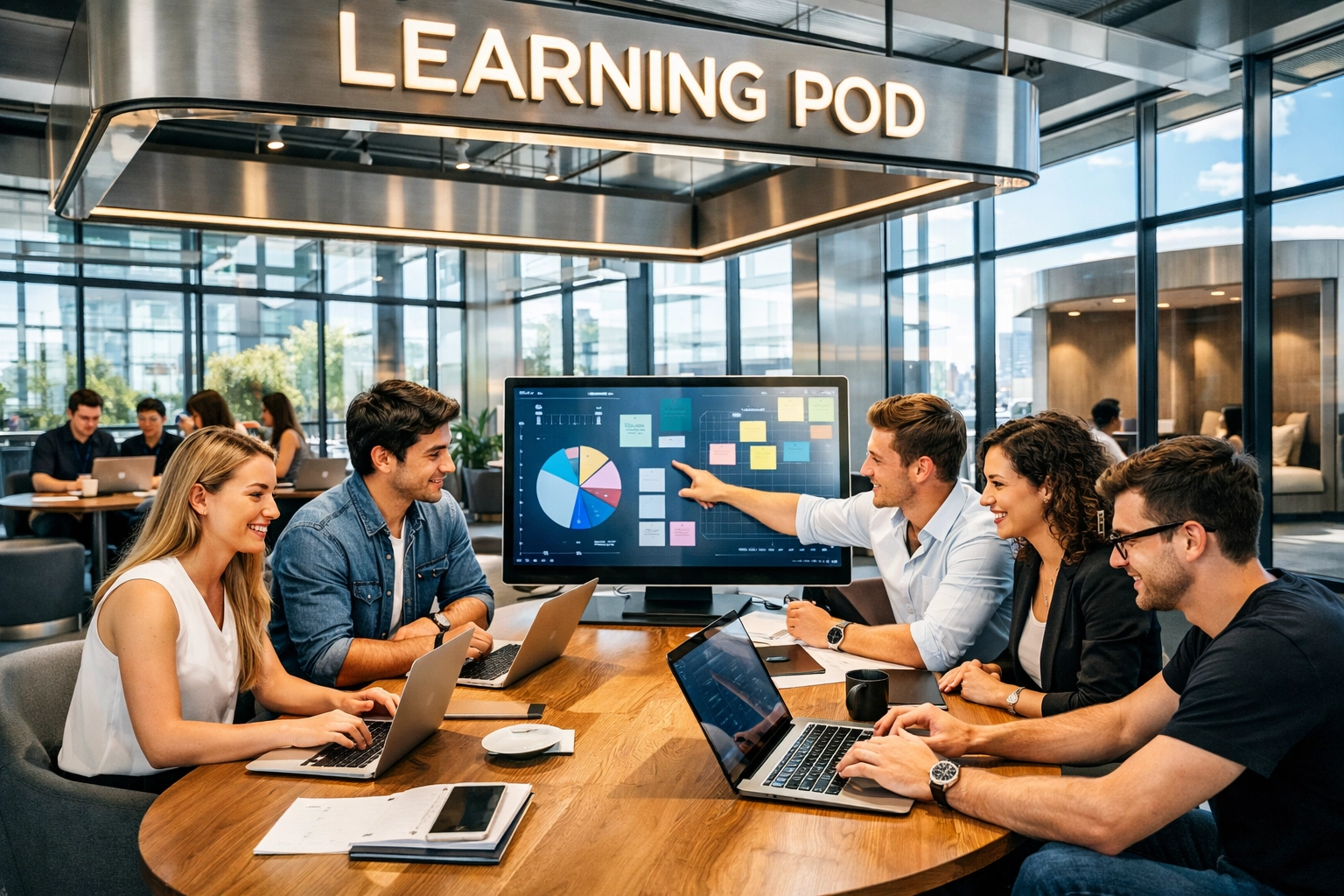
What Exactly is a "Pod"?
If a traditional computer lab is a library, a Pod is a cockpit.
A "Pod" is a specialized, modular, and physical infrastructure designed around a specific career pathway. Instead of fifty identical computers in a room, you might have five distinct Pods. Each Pod is an ecosystem. It’s a high-tech hub equipped with the specific hardware, software, and "vibe" required for a particular industry: be it logistics, cybersecurity, or digital content creation.
The beauty of the Pod is its flexibility. While traditional labs are expensive to maintain and soul-crushing to sit in, Pod-based models have been shown to reduce maintenance costs by 50 to 75 percent. Why? Because you aren't over-provisioning. You’re building exactly what is needed for the task at hand.
Pathway 1: The Logistics Revolution
Let’s talk about logistics. It’s not just about driving trucks or moving boxes anymore. It’s about data, AI-driven supply chains, and real-time tracking.
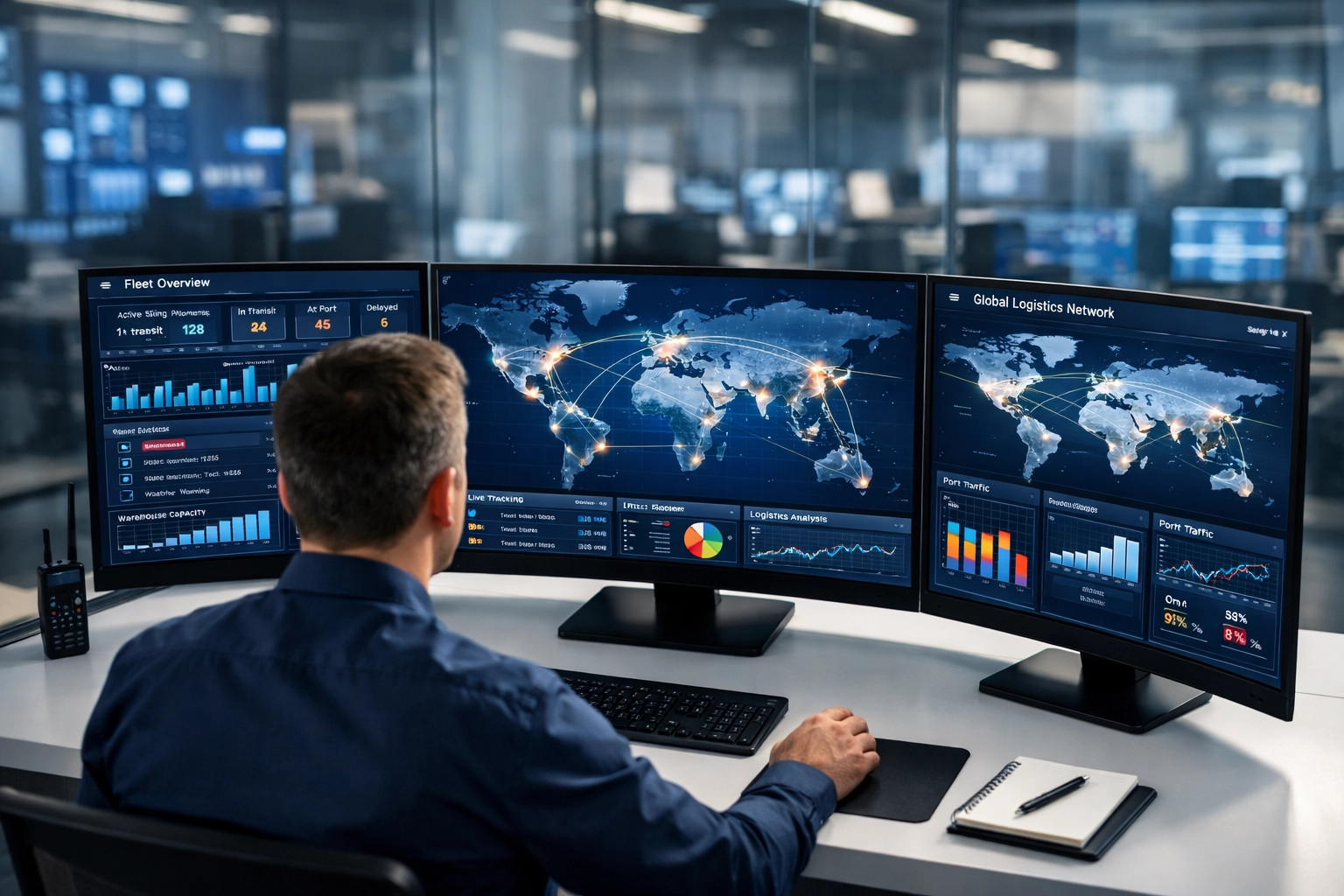
A Logistics Pod doesn't look like a classroom. It looks like a command center. It might feature multi-monitor setups for tracking global shipments, integration with warehouse management software, and perhaps even VR components to simulate drone delivery or automated warehouse navigation.
In these Pods, learners aren't just "learning about" logistics; they are operating within a simulated version of it. They are solving real-world puzzles: How do we reroute a shipment in the middle of a Pacific storm? How do we optimize last-mile delivery using current traffic data? This specialized infrastructure bridges the gap between "I read the textbook" and "I can do the job."
Pathway 2: The Cybersecurity War Room
If there’s one field where the traditional lab fails the hardest, it’s cybersecurity. You can't learn to defend a network while sitting in a row of computers that are all locked down by the same basic administrative settings.
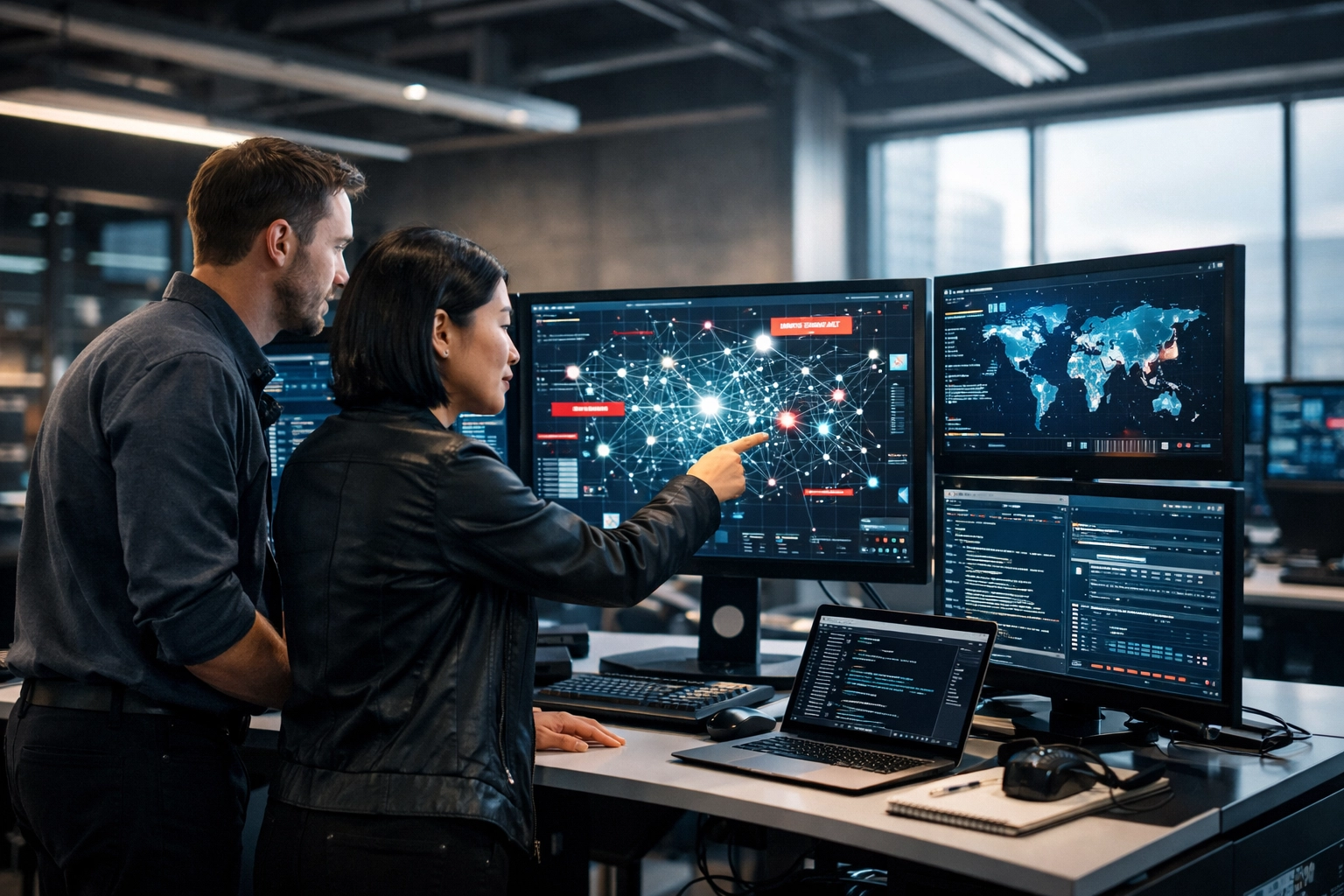
Cybersecurity Pods are designed to be "war rooms." They often feature "Red Team vs. Blue Team" setups where one group attacks and the other defends a localized server environment. These Pods are hubs for network simulation, penetration testing, and digital forensics.
Because cybersecurity is inherently collaborative, the physical layout of the Pod matters. You need to be able to turn your chair and show your teammate a suspicious line of code without knocking over a partition. This collaborative environment mirrors the actual Security Operations Centers (SOCs) that these individuals will eventually work in. It’s about building muscle memory for the workplace, not just the exam.
Pathway 3: Content Creation and the "Creator Economy"
Let's be real: the next generation isn't dreaming of being "middle managers." They want to be creators. But professional content creation: whether it’s high-end video editing, 3D modeling, or streaming: requires hardware that most people don't have at home.
A Content Creation Pod is a miniature production studio. We’re talking professional-grade microphones, 4K cameras, green screens, and workstations capable of rendering complex AI-generated graphics in seconds.
By providing these Pods, organizations aren't just giving people "screen time"; they are giving them the tools to build brands. Whether it’s for corporate training videos or the next viral social media campaign, these hubs are where the digital stories of the future are being scripted and edited.
Why Business Leaders Should Care
As a business consulting firm, USA Entertainment Ventures LLC sees the writing on the wall. The "lab" is a cost center. The "Pod" is an investment in human capital.
Here is the kicker: Pods allow for better tracking of learner progress. Because the software and hardware are specialized, employers and educators can see exactly where a person excels. Are they a natural at defensive coding? Are they a logistics wizard who can spot a supply chain bottleneck from a mile away? The Pod provides the data that a generic computer lab simply cannot.
Furthermore, the shift to Pods reflects the modern workplace's move toward "agile" environments. In the real world, you don't sit in a row and wait for a teacher to tell you to open a browser. You huddle with your team, you use specialized tools, and you solve problems.
The Economic Reality
Let's talk numbers, because at the end of the day, someone has to pay for the shiny toys.
Traditional labs are incredibly inefficient. You’re paying to cool a room, power fifty machines (many of which sit idle), and pay an IT person to keep them all updated. Pods, by contrast, focus on high-utilization. Because they are specialized, they are in constant demand by the people who actually need those specific tools.
Additionally, by adopting a Pod model, institutions can pivot more quickly. If the local job market suddenly needs 500 new cybersecurity technicians, you don't have to overhaul an entire lab. You simply upgrade or reconfigure your Pods to meet that specific demand. It’s lean, it’s mean, and it’s exactly what the 2026 economy demands.
Conclusion: The Future is Modular
So, are computer labs dead? The old-school version: the one with the posters of "Keyboard Shortcuts" on the wall: is definitely in the graveyard. And honestly? Good riddance.
The future belongs to the Pod. These hubs are the physical infrastructure of the modern digital economy. They provide the specialized pathways into careers that didn't even exist twenty years ago. Whether you are interested in the intricacies of global logistics, the high-stakes world of cybersecurity, or the creative frontier of content production, the Pod is where the magic happens.
At USA Entertainment Ventures LLC, we believe that providing the right environment is half the battle in business and education. By moving away from generic spaces and toward specialized hubs, we aren't just changing where people sit: we’re changing what they are capable of achieving.
Next time you see a row of empty, dusty computers in a back room, don't think of it as a loss. Think of it as an opportunity to build a Pod.

Curious about how specialized infrastructure can change your business or educational model? Visit us at USA Entertainment Ventures to learn more about our consulting services and how we're helping shape the future of tech and logistics.





