
The workforce development landscape is undergoing a fundamental transformation. As Fortune 100 companies navigate an increasingly competitive talent market, the gap between traditional education systems and industry skill requirements continues to widen. Recent labor market analyses indicate that employers across sectors are struggling to find candidates with the foundational competencies required for cloud computing, artificial intelligence integration, and digital transformation initiatives.
This challenge presents a significant opportunity. Companies that invest strategically in career-ready infrastructure today will secure competitive advantages in talent acquisition, workforce development, and community partnership for the next decade. The question is no longer whether to invest in workforce infrastructure, but how to deploy it effectively and at scale.
The Infrastructure Gap and the Esports Solution
Traditional workforce development programs face a persistent obstacle: engagement. Young workers and career-changers often view training programs as obligatory rather than aspirational. This perception creates completion rate challenges and limits program effectiveness.

Esports represents an unexpected but powerful solution to this engagement challenge. Competitive gaming requires the same underlying technical infrastructure that powers modern enterprise applications: cloud computing platforms, distributed networks, real-time data processing, and collaborative digital environments. When organizations position esports as the visible application layer, they create what industry strategists call a "Trojan Horse" for essential digital literacy.
Participants drawn to gaming competitions organically develop familiarity with cloud architecture, network management, and system optimization. These technical exposures translate directly into transferable skills for enterprise technology roles. The engagement mechanism changes from compliance to enthusiasm, dramatically improving both participation rates and skill retention.
Physical Distribution as Strategic Advantage
A national career-ready infrastructure rollout requires more than digital platforms. It demands physical presence in communities across varied geographic and demographic markets. The distribution challenge mirrors retail logistics: how do you reach populations in rural areas, suburban centers, and urban neighborhoods with consistent quality and accessibility?
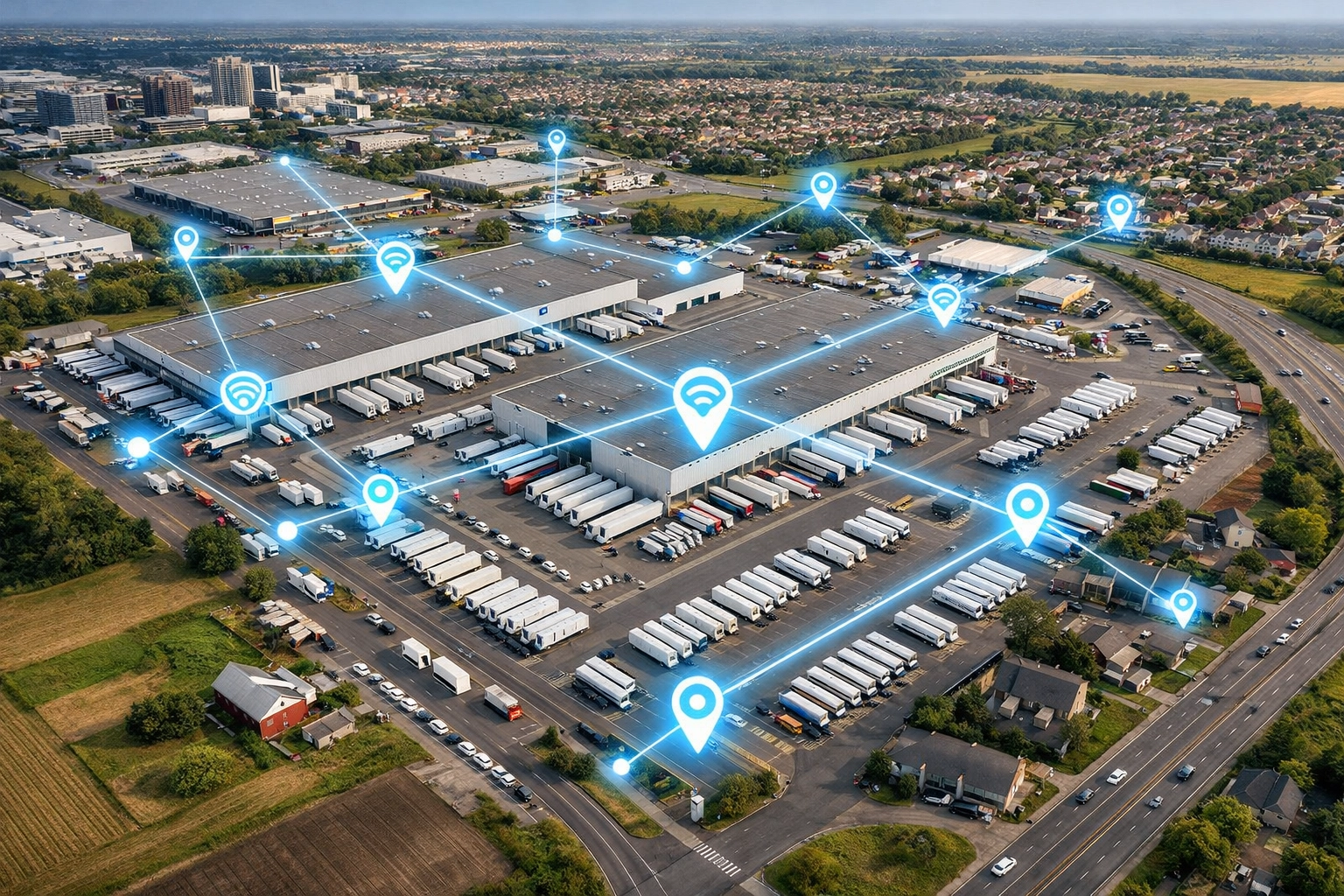
Forward-thinking companies are recognizing that existing physical distribution networks: particularly those with established last-mile delivery capabilities: offer ready-made infrastructure for workforce development initiatives. These networks provide:
- Geographic coverage across diverse markets
- Existing relationships with local communities
- Proven logistics for equipment and resource distribution
- Physical spaces that can serve dual purposes for commerce and education
By leveraging existing distribution infrastructure rather than building from scratch, Fortune 100 companies can accelerate deployment timelines from years to months while reducing capital expenditure requirements.
Five Strategic Steps for Implementation
Step 1: Conduct a Skills-Forward Workforce Audit
Begin with comprehensive analysis of your current workforce competencies and projected needs over the next five years. This audit should identify specific technical skills gaps, geographic distribution of talent needs, and anticipated growth areas requiring new capabilities.
According to workforce development research, thousands of employers already recognize the value of standardized skill certifications that measure essential work capabilities including applied mathematics, information processing, and technical problem-solving. Your audit should map company-specific requirements against these recognized frameworks to identify alignment opportunities and gaps.
The audit phase should also examine your existing physical infrastructure footprint. What facilities, distribution centers, or retail locations could serve dual purposes? Where are the geographic gaps between your physical presence and your workforce needs? This mapping exercise reveals opportunities to leverage existing assets rather than creating entirely new infrastructure.
Step 2: Establish Public-Private Partnerships at State and Regional Levels
National infrastructure rollouts succeed through local implementation. Engage with state workforce development boards, community colleges, and regional economic development organizations to align your initiatives with existing programs and funding streams.
These partnerships provide multiple benefits. State and county-level teams implementing career readiness initiatives often include chambers of commerce, business leaders, and education leaders who can facilitate community acceptance and program participation. They also provide access to public funding sources that can offset private investment costs.

Federal programs including the Department of Labor's infrastructure job training grants offer substantial funding for initiatives that train workers in advanced manufacturing, information technology, and technical services. By positioning your infrastructure rollout as complementary to these public initiatives, you can access additional resources while demonstrating corporate citizenship.
Step 3: Deploy Esports as the Engagement Layer
Create esports programming as the visible, engaging component of your career-ready infrastructure. This deployment should include:
- Tournament and competition structures that draw participants into your facilities or programs
- Team-based formats that develop collaboration and communication skills
- Technical training components that explicitly connect gaming infrastructure to enterprise applications
- Career pathway programming that shows clear connections between esports participation and technology careers
The key strategic insight is positioning esports not as the end goal, but as the entry point. Participants attracted by competitive gaming gradually build familiarity with cloud platforms, network optimization, system troubleshooting, and collaborative tools: all directly applicable to enterprise technology roles.
This approach addresses the engagement challenge that plagues traditional workforce development. Rather than recruiting participants for abstract training programs, you create compelling experiences that naturally develop relevant technical competencies.
Step 4: Implement Phased Geographic Expansion Using Distribution Logic
Apply retail distribution strategy to workforce infrastructure deployment. Begin with pilot programs in diverse market types: one urban center, one suburban region, one rural area: to test models and identify location-specific adaptations required.
Use data from these pilots to refine your deployment model before scaling. Consider factors including:
- Local transportation infrastructure and accessibility
- Existing community institutions that can serve as partners or hosts
- Demographic characteristics and workforce development needs
- Competition from other employers or programs
Phase your expansion using the same logistics optimization that guides retail or distribution network growth. Prioritize locations where you can leverage existing physical assets, where workforce needs are most acute, and where community partnerships are strongest.

Step 5: Create Clear Metrics and Reporting Infrastructure
Establish measurement systems from program inception. Track both participation metrics and outcome indicators including:
- Program enrollment and completion rates
- Skill acquisition and certification achievements
- Employment outcomes for program participants
- Employer satisfaction with program graduates' preparation levels
- Cost per participant trained compared to alternative workforce development approaches
Regular reporting to executive leadership and board stakeholders demonstrates program value and guides resource allocation decisions. Transparent metrics also strengthen public-private partnerships by providing evidence of program effectiveness to government partners and funding sources.
The Competitive Imperative
Fortune 100 companies face a choice. They can wait for external workforce development systems to close skills gaps organically: a process that could take decades: or they can invest strategically in career-ready infrastructure that addresses immediate talent needs while building long-term competitive advantages.
The companies that move first will secure several benefits. They will establish themselves as preferred employers in emerging talent markets. They will build relationships with community partners and government agencies that create barriers to entry for competitors. They will develop proprietary insights about effective workforce development that inform broader talent strategies.
Perhaps most significantly, they will shape the next generation workforce in ways that align with their specific skill requirements rather than adapting to whatever competencies the traditional education system happens to produce.
Moving Forward
The national career-ready infrastructure opportunity is time-sensitive. As more companies recognize the strategic value of workforce development investment, competition for community partnerships, physical locations, and participant attention will intensify. First-movers will capture the most advantageous positions.
For Fortune 100 executives, the path forward involves cross-functional collaboration. Human resources, real estate and facilities, community relations, and business development teams must work together to design and implement infrastructure strategies. This coordination requires executive sponsorship and clear mandate from senior leadership.
The infrastructure rollout described here represents more than workforce development. It constitutes a strategic investment in sustainable competitive advantage, community relationship building, and long-term talent security. Companies that recognize and act on this opportunity now will position themselves to thrive in an increasingly talent-constrained economy.