The challenge facing enterprise leaders today extends far beyond quarterly earnings reports or market share calculations. With one billion workers worldwide requiring reskilling for the AI-driven economy according to the World Economic Forum, organizations confront a talent development crisis that traditional training programs cannot solve alone. The gap between workforce capabilities and technological demands widens daily, particularly in cloud computing, artificial intelligence, and data science domains where skilled professionals remain scarce.
Forward-thinking enterprises have recognized an unconventional solution: strategic physical infrastructure investments that engage younger demographics before traditional recruitment cycles begin. Rather than competing for limited qualified candidates in saturated markets, these organizations build pathways that inspire technical literacy years before employment decisions occur.
The Physical Infrastructure Advantage in Workforce Development
Digital transformation initiatives require more than software investments. While remote work policies and virtual training platforms dominate workforce development discussions, physical facilities designed for hands-on technology engagement deliver measurable advantages that virtual environments cannot replicate. These spaces create immersive learning environments where abstract technical concepts become tangible experiences.

The infrastructure approach addresses a fundamental challenge: cloud computing, artificial intelligence, and distributed systems remain abstract concepts to most individuals outside technology sectors. Without direct interaction with these technologies in meaningful contexts, potential talent pools struggle to envision careers in these fields. Physical infrastructure bridges this conceptual gap by providing experiential learning opportunities that translate technical capabilities into practical applications.
Organizations investing in career-ready infrastructure report stronger talent pipelines and reduced onboarding timeframes. When candidates arrive with foundational understanding of cloud architectures, data processing workflows, and computational problem-solving approaches gained through infrastructure-based programs, training investments yield faster returns. The World Economic Forum's finding that one billion workers need reskilling underscores the scale of this opportunity: and the competitive advantage available to organizations that act decisively.
Esports as an Entry Point for Cloud and AI Literacy
The esports industry presents an unexpected workforce development mechanism. Competitive gaming environments require sophisticated technical infrastructure mirroring enterprise cloud deployments: distributed computing resources, real-time data processing, network optimization, and performance analytics. These technical requirements create natural learning laboratories where participants develop cloud-native thinking without traditional classroom constraints.
Esports facilities function as "Trojan Horses" for technical literacy. Participants attracted by competitive gaming inadvertently engage with concepts fundamental to modern enterprise technology. Match analytics require data processing pipelines. Tournament streaming demands content delivery network understanding. Team coordination platforms demonstrate distributed system architecture. Performance optimization introduces computational efficiency principles.

This approach proves particularly effective with younger demographics who may not initially consider technology careers but possess natural affinity for digital environments. Rather than recruiting from limited pools of computer science graduates, organizations cultivating esports-based learning pipelines access broader talent populations. The engagement occurs organically through activities participants already pursue, removing barriers traditional educational pathways create.
Research indicates that professional development remains the top employee engagement driver at 71 percent, significantly exceeding remote work arrangements at 63 percent and AI tool access at 55 percent. This finding extends to pre-employment populations as well. Young individuals engaged through esports infrastructure demonstrate higher interest in technology career pathways compared to peers without such exposure. The combination of competitive environment, peer learning dynamics, and immediate feedback loops creates accelerated skill development that traditional training programs struggle to replicate.
Building Distribution Systems for Workforce Readiness
Effective infrastructure strategies require geographic distribution. Talent development concentrated in major metropolitan areas leaves vast potential workforces untapped. Organizations deploying infrastructure across diverse regions access talent pools competitors overlook while simultaneously addressing regional economic development needs.
The distribution model functions similarly to retail expansion strategies: establishing physical presence in underserved markets creates competitive moats through first-mover advantages. Communities lacking technology training infrastructure welcome partnerships that provide educational opportunities and career pathways for local populations. These partnerships generate goodwill, strengthen community relationships, and create dedicated talent pipelines aligned with organizational needs.
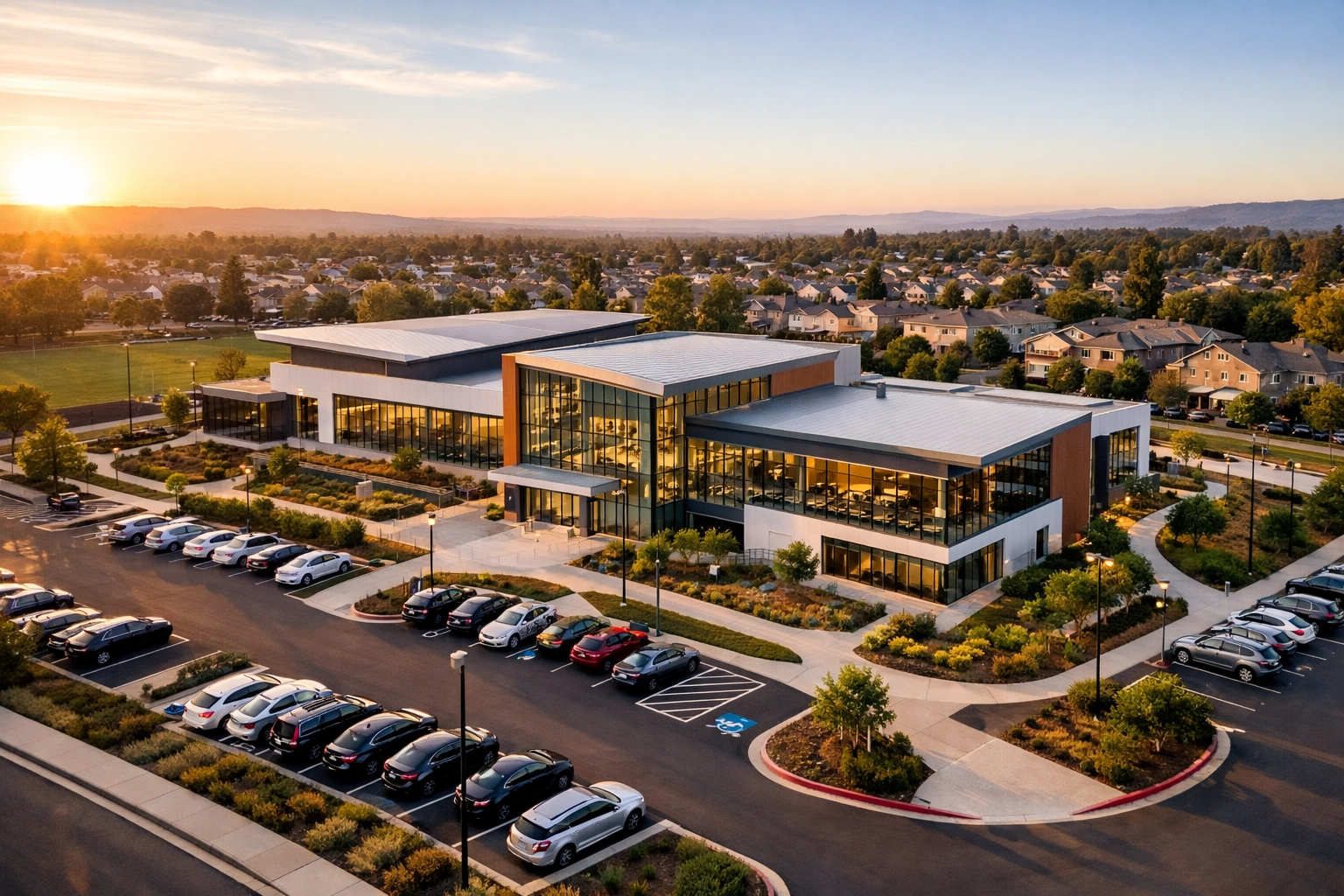
Distributed infrastructure addresses documented talent shortages across sectors. Healthcare faces 77 percent talent gaps, information technology confronts 76 percent shortages, and energy sectors report similar deficits. Geographic distribution of training infrastructure expands available candidate pools by engaging populations outside traditional technology hubs. Rural and suburban communities contain substantial untapped talent populations who lack access to technology career preparation resources.
The physical distribution approach also supports workforce mobility trends. While remote work policies enable geographic flexibility for existing employees, they do not solve talent development challenges. Infrastructure investments create local pathways to cloud-ready competencies, reducing reliance on worker mobility to access skilled candidates. Organizations benefit from talent development wherever facilities operate, rather than competing exclusively in saturated markets like Silicon Valley or Seattle.
From Skills-Based Hiring to Skills-Based Development
The workforce development landscape has shifted toward skills-based approaches rather than traditional role-based hiring. This transition makes infrastructure-based talent development particularly valuable. Rather than seeking candidates with specific degrees or job titles, organizations increasingly evaluate practical competencies demonstrated through project work and hands-on experience.
Infrastructure facilities designed around experiential learning naturally align with skills-based evaluation frameworks. Participants develop demonstrable capabilities through project-based activities that mirror real enterprise challenges. Tournament coordination builds project management skills. Technical troubleshooting develops problem-solving capabilities. Performance optimization teaches analytical thinking. These competencies translate directly to enterprise technology roles.
Organizations can identify promising candidates earlier in development cycles through infrastructure engagement metrics. Participants demonstrating exceptional technical aptitude, collaborative abilities, or leadership qualities during facility programs become known quantities before formal recruitment begins. This early identification reduces hiring risks and accelerates placement decisions.
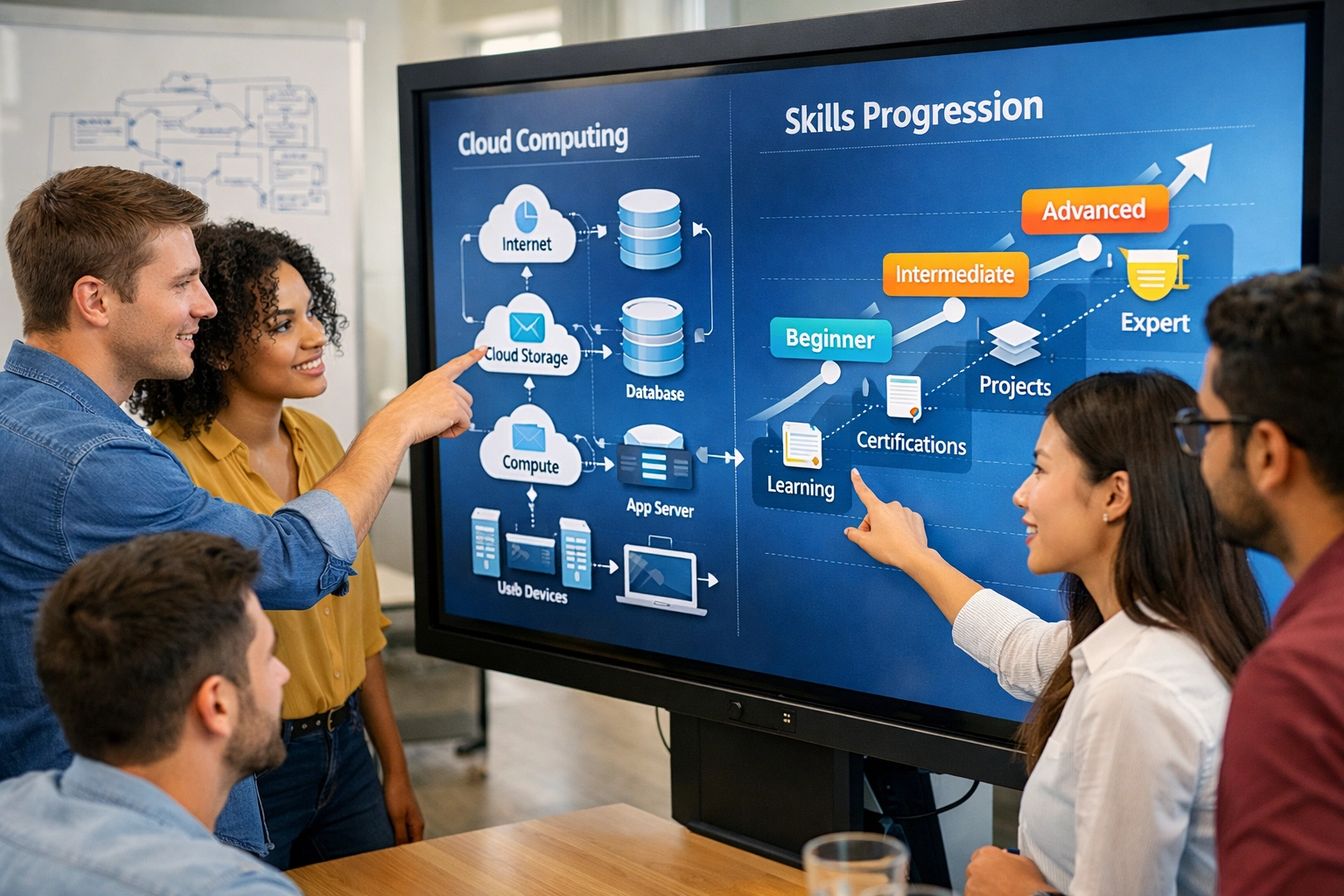
The skills-based approach also supports internal mobility initiatives. Employees engaged through infrastructure programs understand organization-specific technology stacks and operational frameworks, simplifying transitions between roles or departments. Clear skill progression pathways visible through infrastructure programs help employees envision career development opportunities, addressing the professional development priority that research identifies as the top engagement driver.
Implementation Considerations for Enterprise Leaders
Successful infrastructure initiatives require strategic planning and sustained commitment. Organizations must identify appropriate facility locations based on talent availability, community partnerships, and operational logistics. Facility design should balance engagement objectives with technical learning requirements, creating environments that attract target demographics while delivering educational outcomes.
Partnership models vary based on organizational objectives and resource availability. Some enterprises develop proprietary facilities maintaining complete operational control. Others pursue joint ventures with educational institutions, community organizations, or economic development agencies to share costs and expand reach. Hybrid models combining corporate investment with public sector support often achieve optimal scale and community integration.
Measurement frameworks prove essential for demonstrating program value and guiding continuous improvement. Key performance indicators should track participant engagement, skill development milestones, recruitment conversion rates, and long-term career outcomes. Quantifiable results justify ongoing investments and identify optimization opportunities.
The timeline for infrastructure investments extends beyond typical project horizons. Workforce development initiatives deliver returns over years rather than quarters, requiring executive commitment to sustained investment despite delayed payback periods. However, organizations viewing workforce development as strategic rather than tactical position themselves advantageously against competitors pursuing short-term approaches.
The Competitive Imperative
Workforce challenges will intensify as technological advancement accelerates. Organizations building robust talent development infrastructure today establish competitive advantages that compound over time. First movers in underserved markets create community relationships and talent pipelines competitors cannot easily replicate.
The one billion workers requiring reskilling represents both massive challenge and extraordinary opportunity. Enterprise leaders who recognize physical infrastructure's role in workforce development can capture disproportionate value from this transformation. Esports facilities and similar engagement-focused environments provide proven mechanisms for inspiring cloud literacy and technical competency in populations competitors overlook.
The question facing Fortune 100 executives is not whether workforce development requires new approaches: research and market dynamics confirm this necessity. The question is whether organizations will act decisively to build infrastructure creating sustainable talent advantages, or continue competing for limited candidates in saturated markets while opportunities in underserved communities remain untapped.
Physical infrastructure investments represent strategic workforce development positioning that delivers compounding returns through expanded talent access, reduced training costs, and strengthened community relationships. As the global economy transitions toward cloud-native and AI-enabled operations, organizations that build these pathways today will harvest talent advantages competitors cannot match tomorrow.