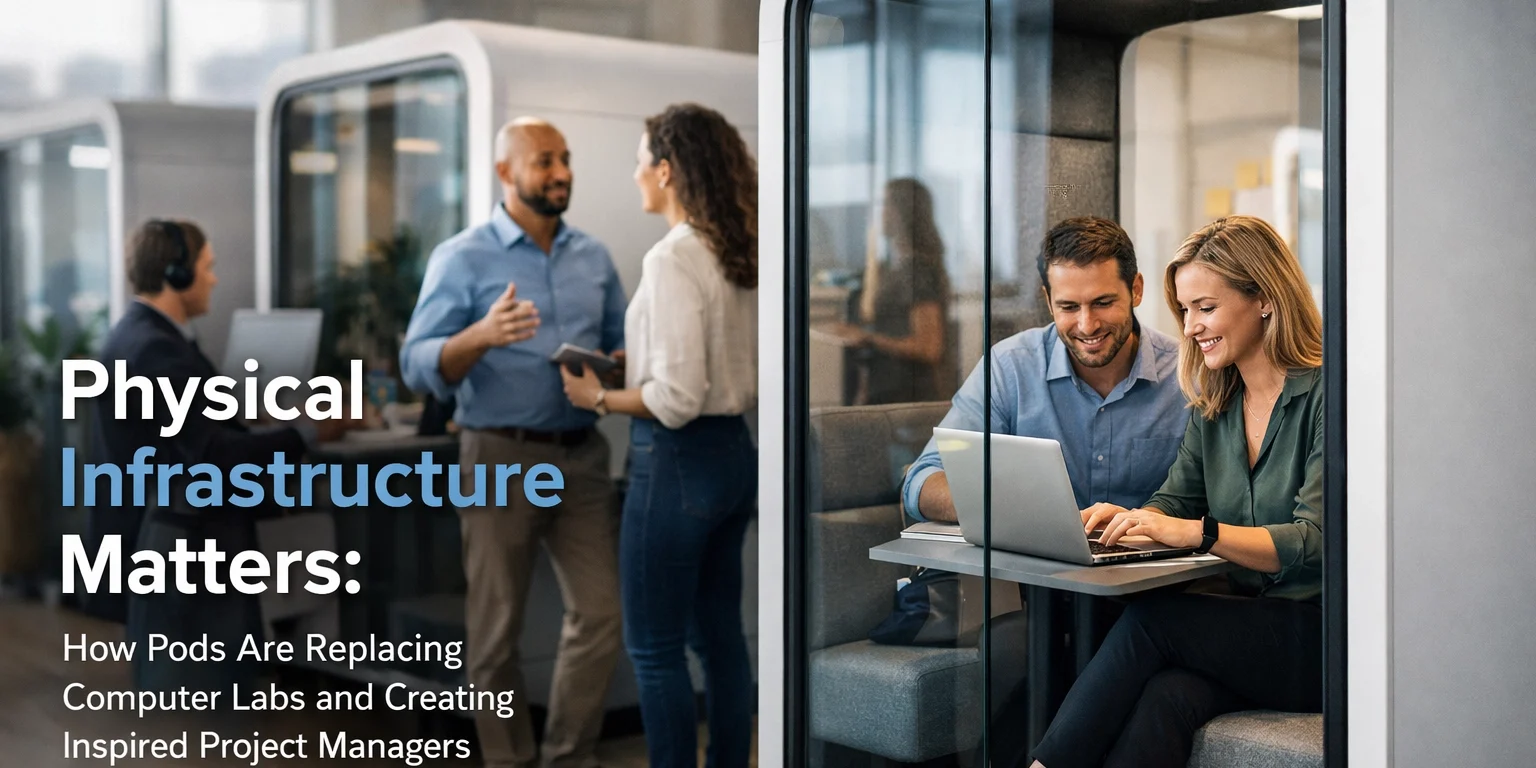
Walk into most universities today, and you'll find something remarkable: rows of computer labs sitting conspicuously empty. Meanwhile, students clutching their own laptops wander the campus looking for collaborative workspace that simply doesn't exist. This disconnect represents one of the clearest infrastructure failures in modern education: and it's creating a generation of graduates unprepared for the collaborative, project-driven realities of professional work.
The solution isn't to build more traditional labs. It's to fundamentally redesign educational computing infrastructure around what the workforce actually needs: learning pods that develop both technical competencies and the project management skills that define career success.
The Numbers Behind the Shift
Traditional computer labs made perfect sense in 1995. Today, they're financial sinkholes consuming institutional budgets through constant hardware refreshes while occupying valuable campus real estate for increasingly marginal returns. Usage data from institutions like Penn State and Grand Valley State University reveal the scope of the problem: overall lab visits have declined significantly over the past decade, even as the student population has grown.
The explanation is straightforward. With 95% of students now carrying their own laptops to class, the original purpose of computer labs: providing affordable computing power to students who couldn't afford personal machines: has largely evaporated. When students do visit remaining labs, they spend more time per session, suggesting they're using these spaces only for substantive, focused work that requires specialized tools rather than basic tasks they can complete on personal devices.
This creates a paradox. Students need access to specialized software and collaborative environments more than ever. They just don't need another generic computer lab with outdated machines running standard office software.
Physical Infrastructure That Actually Works
Learning pods represent a fundamental redesign of educational computing infrastructure. Instead of isolated, general-purpose computer labs designed for individual work, pods create collaborative, career-focused workspaces that mirror the environments where students will eventually work.
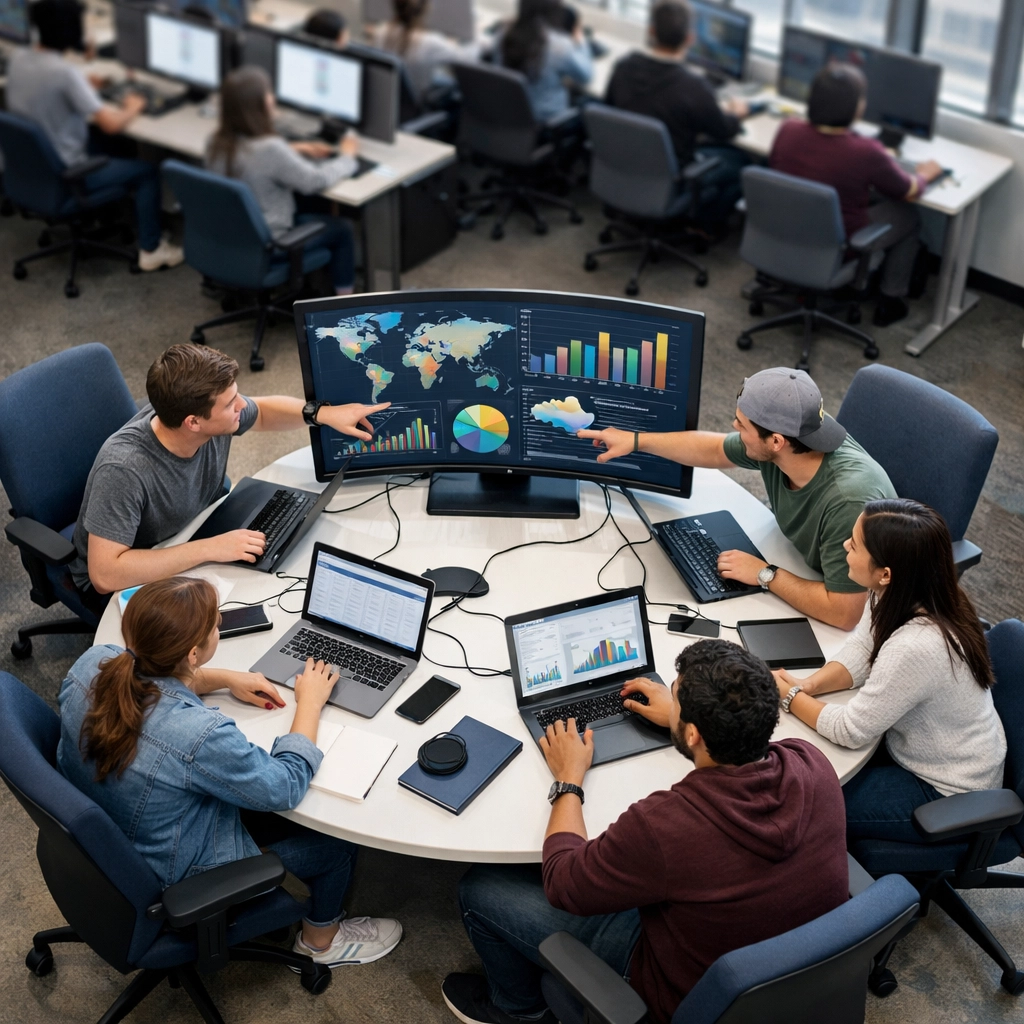
The physical layout matters more than most administrators realize. Traditional lab rows enforce isolation: students sit facing walls, unable to see teammates' screens, unable to collaborate naturally. Pods flip this arrangement entirely, integrating movable furniture, large shared monitors, and workspace configurations that facilitate team-based projects. The message the physical space sends is clear: you're here to work together, not alone.
But the physical transformation goes deeper than furniture arrangements. Pods incorporate several capabilities designed around specific skill development rather than general-purpose computing. Specialized software and tools align to particular career pathways: enterprise resource planning systems for logistics track, penetration testing platforms for cybersecurity development, or professional-grade video editing suites for content creation careers. This specialization justifies dedicated computing space in ways that generic labs never could.
Real-time analytics dashboards tracking learner progress help identify skill gaps and accelerate advancement. Cloud computing curriculum access pairs with local computing resources for hybrid flexibility, ensuring learning continues even during connectivity interruptions in underserved areas. Extended hours accommodate diverse student schedules, recognizing that workforce preparation can't be confined to traditional nine-to-five academic schedules.

Career Pathways That Emerge From Infrastructure
The connection between physical infrastructure and career development isn't abstract. Pods designed around specific industry needs create natural pathways into high-demand fields.
Consider logistics and supply chain management. Pod environments equipped with enterprise resource planning systems allow students to analyze real supply chain networks, coordinate simulated shipments, and troubleshoot distribution challenges: all while working in teams that mirror the cross-functional collaboration defining modern logistics operations. The physical proximity and shared tools create the conditions where students develop both technical competency with industry-standard software and the communication skills that separate effective supply chain managers from technicians who simply know how to use the systems.
Cybersecurity education illustrates the principle even more clearly. Pod-based learning enables red team versus blue team exercises requiring constant communication, strategy adjustment, and collaborative problem-solving in real-time. Students can't effectively conduct penetration testing or defend network infrastructure in isolation. The pod environment forces the collaborative problem-solving, rapid information sharing, and coordinated response that define professional cybersecurity work.
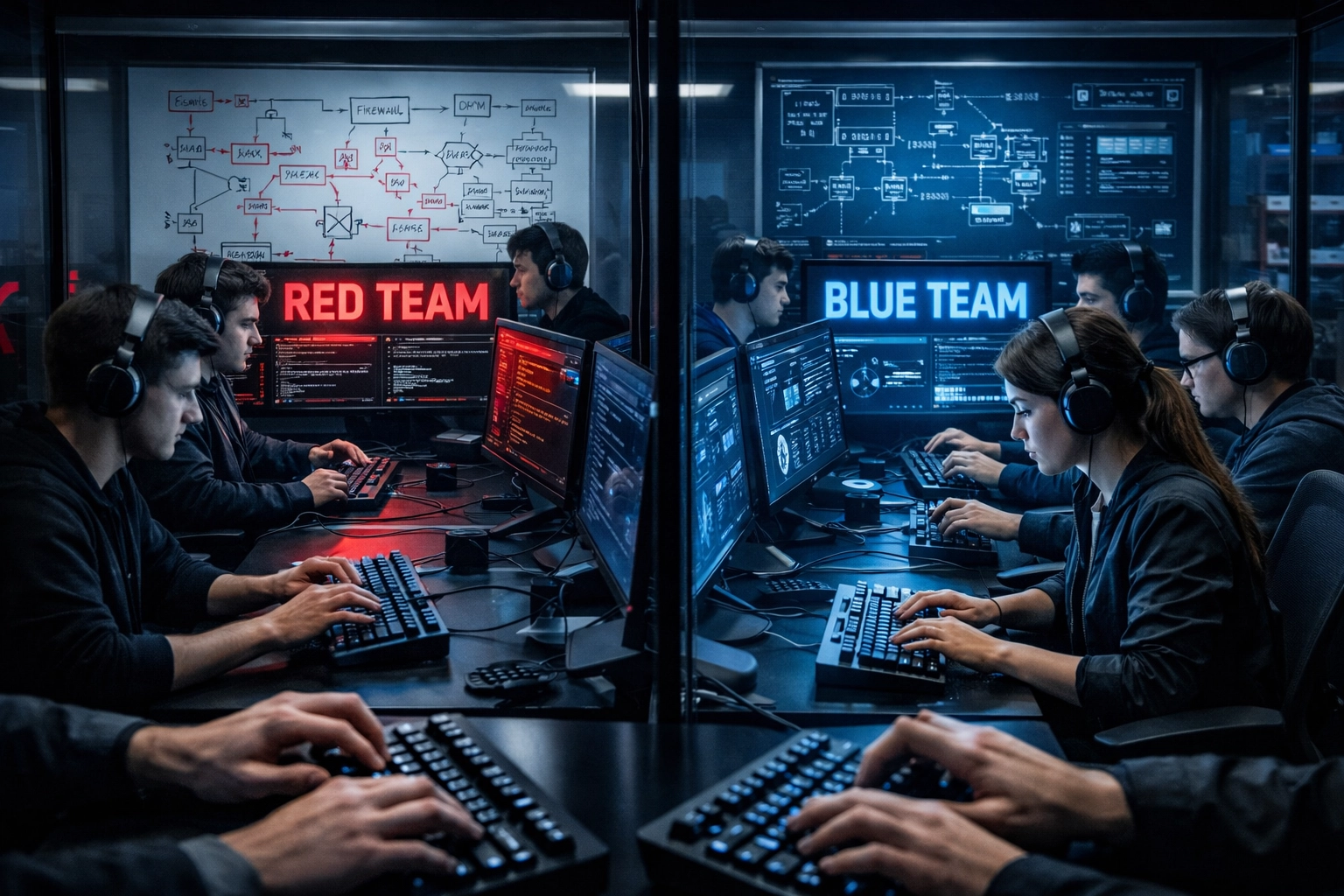
Content creation pathways benefit from similar dynamics. Professional video production, podcast development, or multimedia journalism all require coordinated teams working with specialized equipment and software. Pods configured for content creation include professional-grade editing suites, collaborative review capabilities, and the physical space for teams to work simultaneously on complex projects: filming, editing, and refining content through multiple iterations with immediate peer feedback.
These aren't theoretical benefits. Students who develop technical skills in collaborative pod environments consistently demonstrate stronger project management capabilities and more realistic expectations about professional work than peers who learned the same technical skills in isolation.
How Project Managers Are Actually Created
Here's what most educational institutions miss: you don't create effective project managers by teaching project management as an abstract discipline. You create them by putting students in environments where they must coordinate complex work, manage competing priorities, and deliver results through collaborative effort.
Pods cultivate integrated technical and project management competencies by creating environments that mirror real workplace dynamics. In pod settings, students work simultaneously on complex problems while coordinating face-to-face with teammates. Someone needs to track progress, allocate tasks, manage timelines, and ensure deliverables meet standards. These responsibilities emerge organically from the collaborative work itself, not from textbook exercises or case studies.
The physical infrastructure enables this development in several specific ways. Shared screens and collaborative workspaces make progress visible to entire teams, creating natural accountability and opportunities for real-time feedback. Specialized tools create genuine constraints: limited licenses, equipment availability, scheduled access times: that require actual resource management rather than theoretical planning exercises. Extended operating hours and flexible scheduling force students to coordinate availability, manage competing commitments, and make trade-offs between different work priorities.
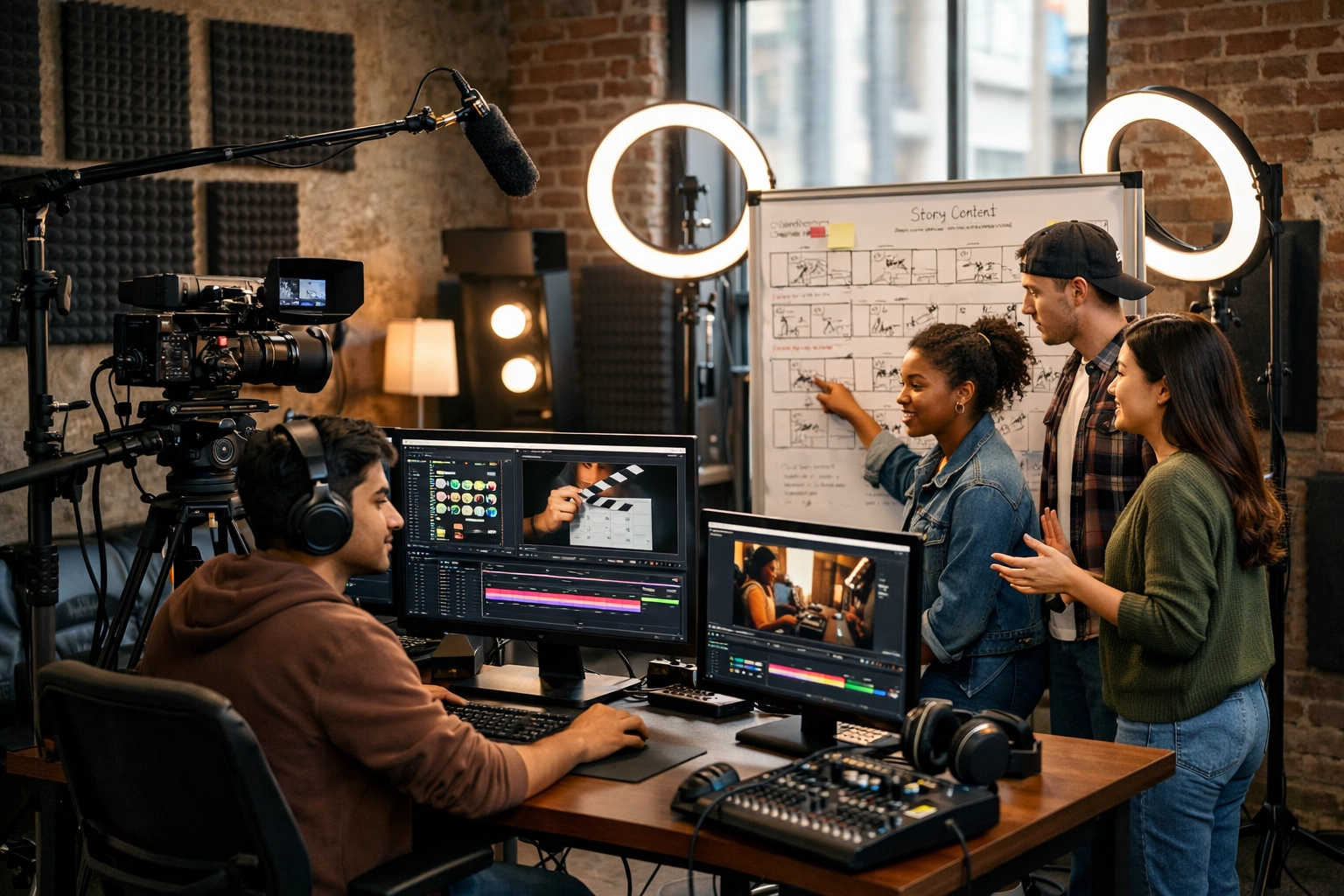
Students conducting cybersecurity exercises in pod environments, for instance, must constantly communicate threat assessments, coordinate defensive measures, and adjust strategies as attacks evolve. There's no time for formal project management methodologies or elaborate planning documents. The work itself demands immediate coordination, rapid decision-making, and clear communication under pressure: exactly the competencies that define effective project management in professional settings.
Content creation pods generate similar pressures. Producing a professional-quality video or podcast requires coordinating multiple roles, managing equipment and software access, meeting deadlines, and delivering polished products despite inevitable technical challenges. Students learn project management by actually managing projects, not by studying abstract frameworks.
The Infrastructure Investment That Actually Matters
The transition from traditional computer labs to learning pods isn't primarily about technology adoption. It's about aligning physical infrastructure with workforce needs. The most sophisticated equipment means nothing if students develop technical skills without the collaborative competencies that make those skills valuable in professional contexts.
Forward-thinking institutions are already making this shift, recognizing that infrastructure investments should create environments where students develop integrated capabilities rather than isolated technical knowledge. The physical workspace matters because it shapes how students learn to work, not just what they learn to do.
For organizations evaluating workforce development strategies, the lesson is clear: physical infrastructure isn't just about providing access to tools and technology. It's about creating the conditions where people develop the full range of competencies: technical, collaborative, managerial: that determine professional success. Pods represent this integrated approach, replacing obsolete infrastructure with spaces designed around how people actually need to work together.
The institutions that recognize this distinction are building the workforce development infrastructure that will define competitive advantage for decades. The ones still maintaining traditional computer labs are watching expensive assets depreciate while failing to develop the capabilities their students and the broader economy actually need.