The Super Bowl has long been considered advertising's ultimate stage: a cultural moment where brands compete for attention with multimillion-dollar creative spectacles. But in 2026, the game has fundamentally changed. With 30-second TV spots now commanding between $8 million and $10 million, the world's most sophisticated brands are asking a different question: Is broadcast television still the smartest investment?
The answer, according to advertising performance data and shifting consumer behavior, is increasingly nuanced. While the Super Bowl remains a powerful cultural touchpoint, the brands achieving the highest return on investment are those diversifying their approach across multiple platforms, leveraging real-time engagement, and building sustained campaigns rather than betting everything on a single 30-second window.
The Multi-Platform Imperative
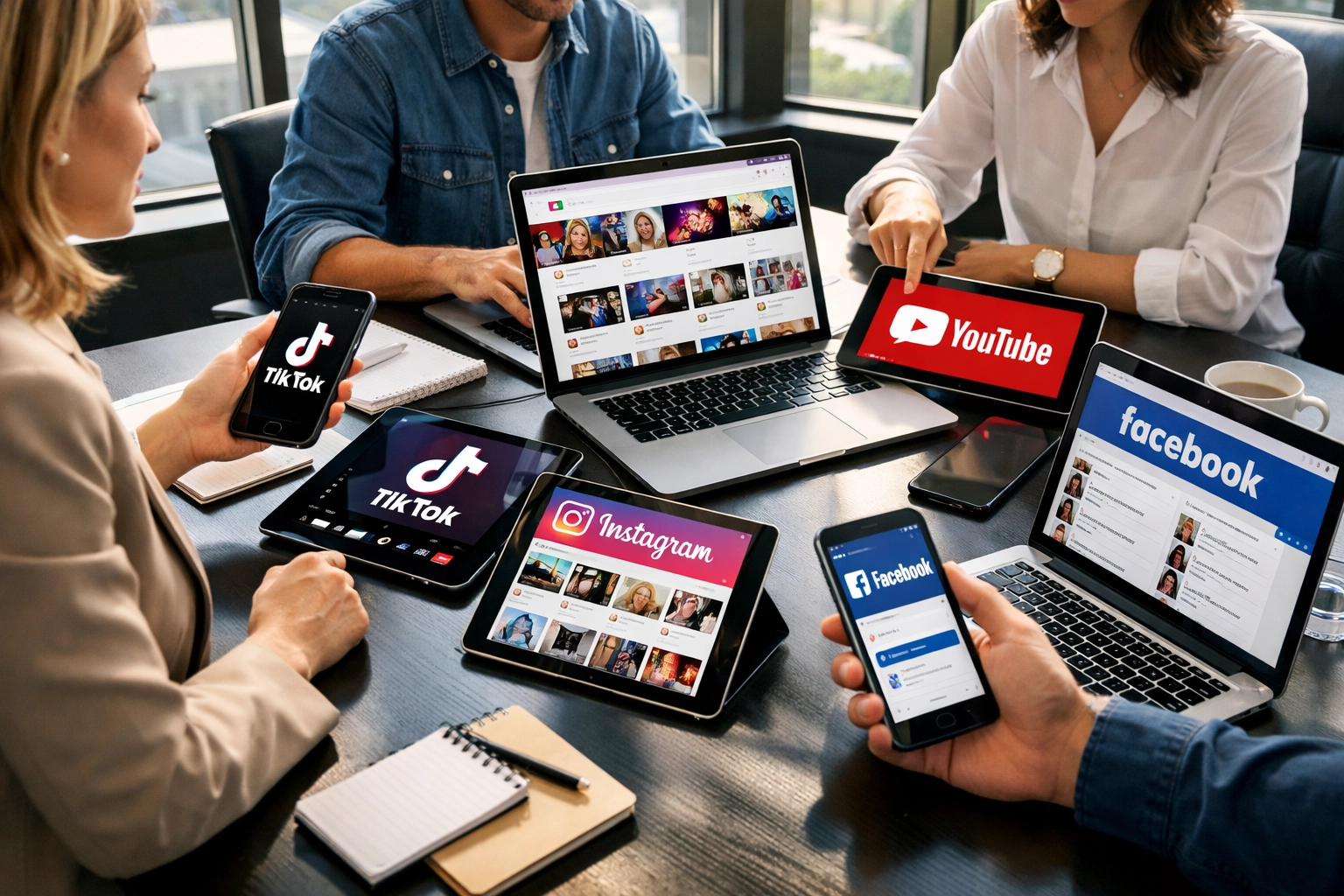
The most significant shift in Super Bowl 2026 advertising strategy centers on platform diversification. Rather than concentrating budgets exclusively on broadcast television, leading brands are allocating resources across YouTube, TikTok, Meta, and other digital platforms where they can extend engagement far beyond game day.
The mathematics support this approach. A month-long TikTok campaign costs less than a single second of premium Super Bowl airtime, yet offers targeting precision and measurable engagement metrics that traditional broadcast cannot match. This doesn't mean television has lost its value: rather, it suggests that television works best as one component within a coordinated multi-platform strategy.
Ten Strategies Redefining Advertising ROI
1. Build Multi-Platform Social Campaigns Beyond Broadcast
The most effective advertisers in 2026 are treating the Super Bowl as a catalyst rather than a destination. They build campaigns that begin weeks before kickoff and continue long after the final whistle, transforming a single moment into sustained brand engagement across platforms. This approach allows brands to capture attention during pre-game hype, capitalize on game-day excitement, and maintain momentum during the post-game conversation.
2. Leverage Influencer Partnerships for Authenticity
Authenticity has emerged as the currency of modern advertising, and influencer partnerships deliver this in ways traditional celebrity endorsements cannot. Carl's Jr. provides a compelling case study: their partnership with Alix Earle for behind-the-scenes content and ad previews generated 91% follower growth and 47% engagement rates: metrics that demonstrate the power of authentic, creator-driven content.
Major brands including Salesforce and Meta have followed this model, partnering with personalities like MrBeast and established athletes to create content that feels genuine rather than scripted. The distinction matters to audiences who increasingly filter out traditional advertising but engage deeply with content from creators they trust.
3. Use Contextual and Behavioral Targeting
Precision targeting represents one of digital advertising's most significant advantages over broadcast television. Instead of reaching everyone watching the game, brands can now focus resources on users who have demonstrated interest in NFL content, fantasy football, sports media, or Super Bowl-related searches.
Platforms like YouTube and Meta offer audience segmentation capabilities that allow advertisers to reach their ideal customers with relevant messaging: a targeting precision that justifies the shift from broadcast-only strategies to multi-platform approaches.

4. Execute a Three-Phase Campaign Strategy
The most sophisticated advertisers structure their Super Bowl campaigns across three distinct phases, each optimized for different objectives and cost efficiencies:
Phase 1 (Pre-Game Hype, January 15–February 7): This period focuses on building awareness and establishing retargeting pools before game day. Campaigns during these surrounding weeks demonstrate 16–30% higher efficiency than peak Super Bowl week, allowing brands to build momentum at lower costs.
Phase 2 (Game Day, February 8): Real-time optimization becomes critical during the game itself, allowing brands to capture viral moments and respond to trending conversations as they develop.
Phase 3 (Post-Game): Sustaining engagement through follow-up content ensures that the investment continues generating returns long after the game concludes.
5. Capture Real-Time Engagement Without Premium TV Costs
Smart brands align themselves with naturally trending Super Bowl content: halftime show reactions, watch-party moments, celebrity appearances, and ad commentary: without paying full broadcast costs. This approach allows brands to participate in the cultural conversation and gain significant reach through strategic social media positioning.
6. Combine Storytelling and Humor, Not Just Features
Kerry Benson of Kantar notes that effective Super Bowl advertising requires "compelling storytelling, entertainment value, celebrity involvement, and humor." However, simply incorporating celebrities is no longer innovative or sufficient. The brands that stand out in 2026 understand that celebrity endorsements must enhance storytelling rather than replace it.
Ring's recent approach illustrates this principle: their advertising focuses on community members helping find lost dogs rather than technical camera specifications. This narrative-driven approach creates emotional connection while subtly demonstrating product value.
7. Implement Retargeting and Lookalike Audiences
Meta's Ad Manager and similar platforms enable sophisticated retargeting strategies that reach users who have previously shown interest in related content. Lookalike audiences extend this capability further, identifying new potential customers who share characteristics with existing engaged users. These targeting methods dramatically improve efficiency compared to broad broadcast approaches.

8. Focus on Heartfelt, Humanistic Messaging
The 2026 advertising landscape reflects broader cultural dynamics, with standout ads emphasizing humanity and compassion toward others. This messaging resonates particularly powerfully during politically divided times, when audiences respond positively to brands that emphasize shared values rather than divisive positions.
Emotional connection consistently outperforms feature-focused messaging in retention and recall metrics, making humanistic approaches both ethically grounded and commercially sound.
9. Invest in Celebrity Endorsements Strategically
Celebrity talent payments grew 35% from 2020 to 2025, reaching $253 million across Super Bowl advertising. However, Kantar's research demonstrates that celebrities should enhance humor and storytelling rather than carry the message independently. Strategic celebrity partnerships work when they feel authentic to both the celebrity's brand and the product being promoted.
10. Prepare Adaptive, Real-Time Content
The brands achieving the highest engagement prepare multiple content variations designed for different game outcomes: team victories, unexpected plays, viral halftime moments. This preparation enables real-time optimization during the game, allowing brands to capitalize on trending conversations when attention peaks.
The Strategic Imperative
The central insight emerging from Super Bowl 2026 advertising strategies is clear: maximize return on investment by combining affordable social media campaigns with strategic influencer partnerships and real-time optimization, rather than relying exclusively on premium-priced broadcast spots.
This doesn't diminish the Super Bowl's cultural significance or advertising impact. Rather, it reframes television as one powerful component within a coordinated strategy that leverages multiple platforms, sustained engagement periods, and precision targeting capabilities.
For businesses evaluating their advertising strategies, the lesson extends beyond the Super Bowl itself. The principles of platform diversification, authentic storytelling, strategic timing, and audience precision apply across marketing contexts. Brands that adapt these approaches position themselves to reach audiences more effectively while optimizing budget allocation.
At USA Entertainment Ventures LLC, we help businesses navigate these evolving advertising landscapes, identifying opportunities to maximize reach and engagement through strategic multi-platform approaches. The Super Bowl provides the ultimate case study in advertising evolution: and the strategies emerging from 2026's biggest brands offer actionable frameworks for businesses of every size.
The question is no longer whether to advertise during major cultural moments, but how to structure campaigns that extend beyond single moments into sustained brand engagement. The brands answering this question most effectively are those investing in authenticity, precision, and platform diversity: building campaigns that generate returns long after the confetti settles.