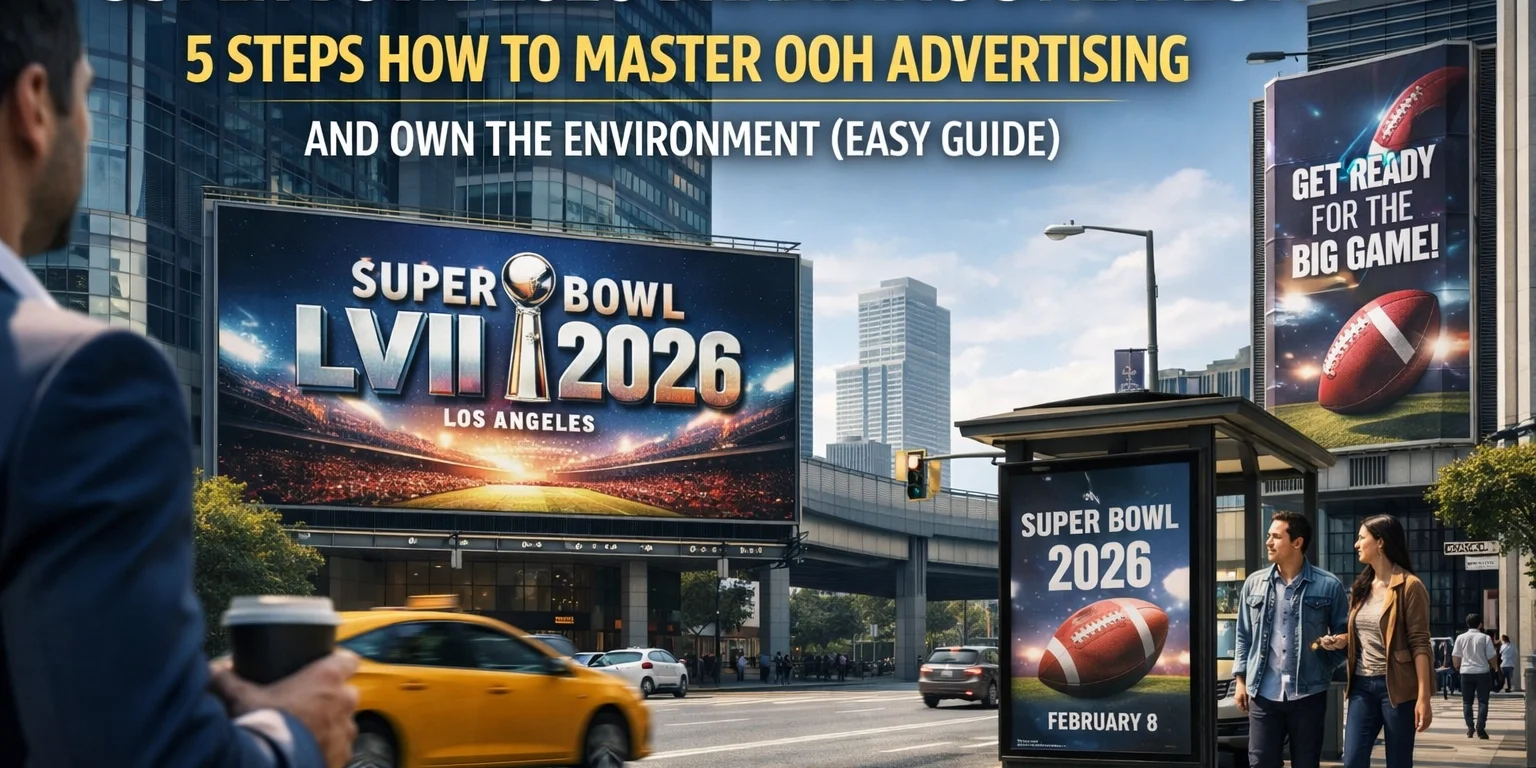
The landscape of Super Bowl advertising has fundamentally shifted. While brands continue investing millions in 30-second television spots, the most successful campaigns now extend far beyond the screen. Super Bowl 2026 demonstrated a crucial evolution: the brands that truly won weren't just present during commercial breaks: they owned the entire physical environment surrounding the event.
Out-of-home advertising at major sporting events has transformed from simple billboard placement into comprehensive environmental domination. This shift reflects broader changes in how consumers experience brands during large-scale events. Rather than passive viewers, audiences have become active participants who engage with brands across multiple touchpoints throughout the host city.
The data supports this strategic pivot. Brands that executed integrated OOH campaigns during Super Bowl 2026 achieved measurably higher engagement rates than those relying solely on traditional media buys. The reason is straightforward: environmental presence creates sustained brand exposure that extends across days rather than seconds, building cumulative impact that single touchpoints cannot match.
Step 1: Map Your Citywide Footprint Before Game Day
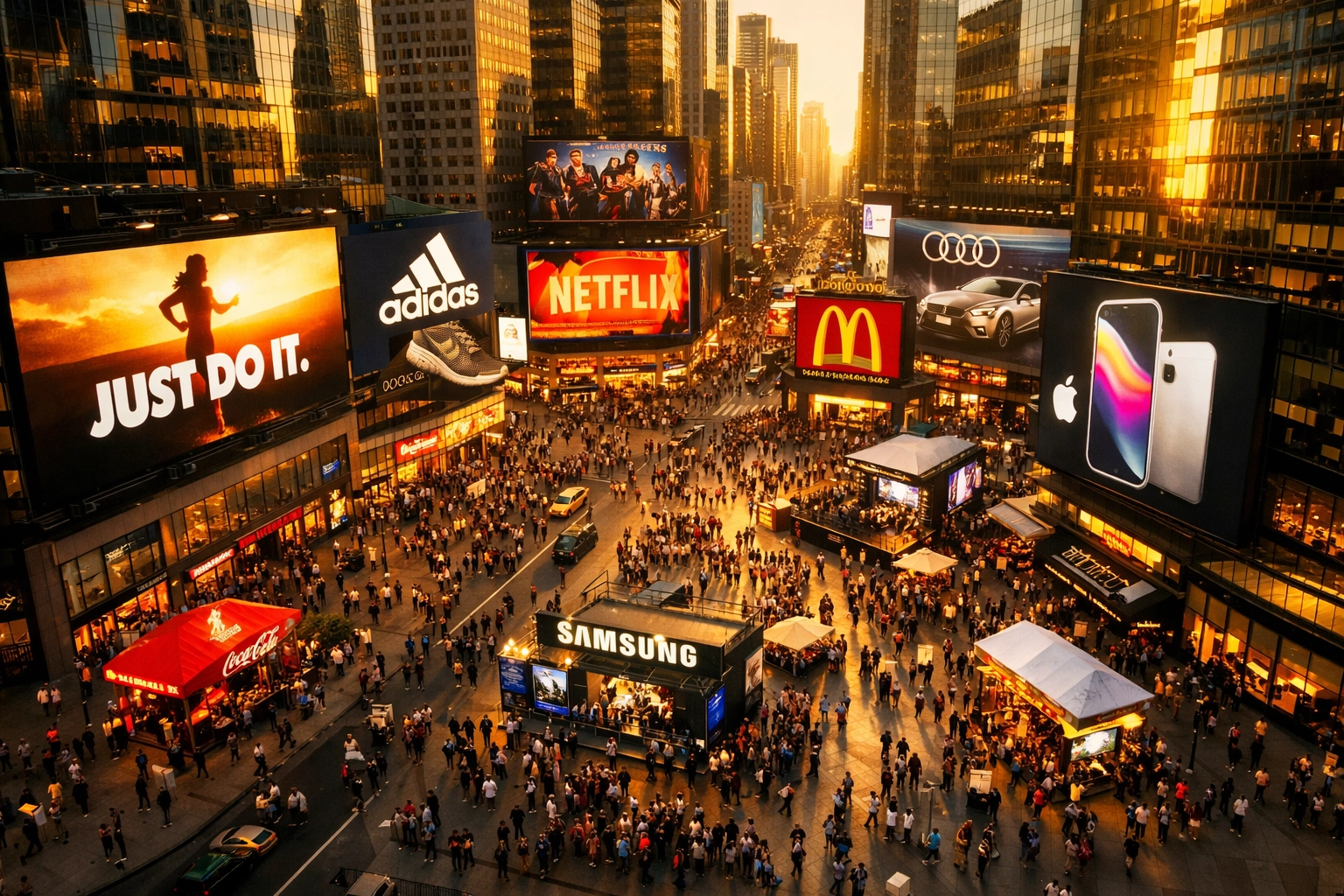
The foundation of successful OOH strategy begins with comprehensive environmental mapping. Super Bowl 2026 marked a departure from centralized activation hubs toward distributed brand experiences across entire metropolitan areas. This decentralized approach requires strategic planning that identifies high-traffic zones, transportation corridors, and natural gathering points where target audiences congregate.
Effective footprint mapping starts with audience movement analysis. Understanding how visitors flow through the host city: from airports to hotels, restaurants to entertainment districts: reveals optimal placement opportunities that maximize brand impressions. The most successful campaigns position branded experiences at natural decision points where audiences actively seek engagement rather than passive exposure.
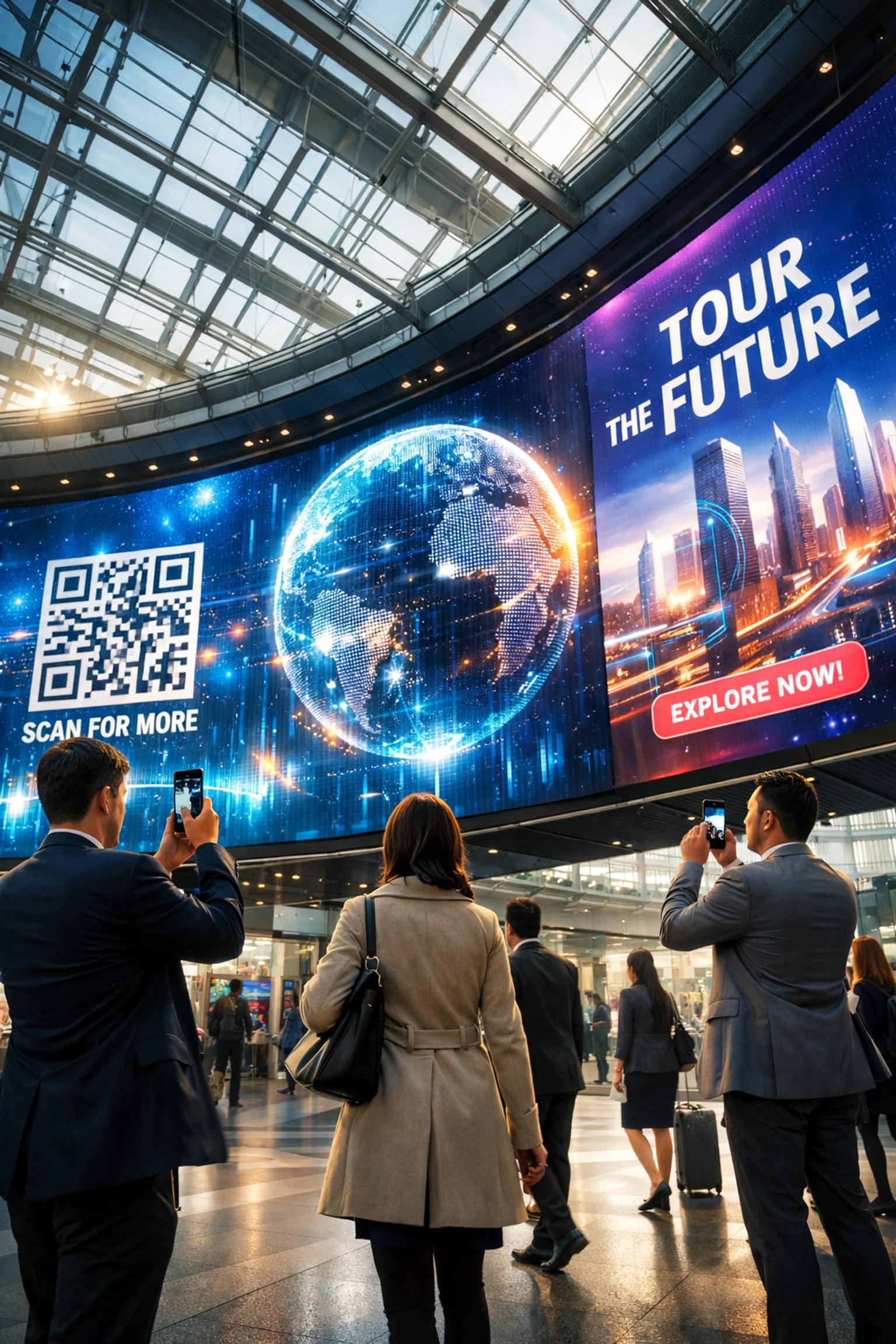
Transportation infrastructure presents particularly valuable OOH real estate. Airport terminals, transit stations, and major thoroughfares capture audiences during transition moments when attention levels remain high and message retention improves. These touchpoints serve dual purposes: building initial brand awareness upon arrival and reinforcing messages through repeated exposure as audiences move throughout the city.
The strategic advantage of citywide footprint mapping lies in creating an immersive brand ecosystem rather than isolated impressions. When audiences encounter consistent brand messaging across multiple locations and contexts, recognition builds momentum that amplifies each subsequent touchpoint.
Step 2: Integrate Digital Networks with Physical Presence
The convergence of digital and physical advertising channels has redefined what "out-of-home" means in practice. Technologies like Sporttron Digital Network demonstrate how digital infrastructure can transform static OOH placements into dynamic, responsive brand experiences that adapt to real-time conditions and audience behaviors.
Digital OOH networks offer capabilities that traditional placements cannot match. Real-time content updates allow brands to adjust messaging based on game developments, weather conditions, or trending social conversations. This responsiveness creates relevance that static billboards lack, transforming OOH from background noise into timely, contextual communication.
The integration extends beyond digital screens to include mobile connectivity and social amplification. QR codes, NFC touchpoints, and location-based digital experiences bridge physical brand encounters with online engagement, creating measurable interaction pathways that traditional OOH cannot provide. These connections transform passive viewers into active participants who extend brand reach through their own social networks.
Data collection capabilities represent another crucial advantage of digital OOH integration. Understanding audience demographics, dwell times, and engagement patterns enables continuous optimization throughout campaign lifecycles. Brands can identify which placements generate strongest responses and adjust strategies accordingly, maximizing return on OOH investments.
Step 3: Time Your Phases Across the Event Lifecycle
Successful OOH campaigns recognize that Super Bowl audiences engage with the host city across multiple phases, each requiring tailored messaging and activation strategies. The most effective approaches coordinate presence across pre-event, event-day, and post-event periods, maintaining consistent brand visibility while adapting to shifting audience mindsets and behaviors.
The pre-event phase builds anticipation and establishes brand presence before competition for attention reaches peak intensity. Early activations capture audiences when receptivity remains highest and clutter levels stay manageable. This phase focuses on awareness building and creating destinations that audiences plan to visit during their stay.
Event-day activations face maximum competition but also maximum audience volume. Strategies during this phase prioritize high-impact placements in proximity to primary venues and fan gathering points. The goal shifts from awareness to immediate engagement, driving audiences toward branded experiences and creating memorable interactions amid the event's excitement.
Post-event presence capitalizes on sustained attention as audiences depart the host city. Final impressions during airport departures and transit corridors reinforce messages one last time, increasing likelihood of long-term retention. This phase also captures organic social amplification as attendees share experiences online, extending campaign reach beyond physical presence.
The timing strategy's effectiveness depends on maintaining consistent brand identity while varying tactical execution across phases. Audiences should recognize the brand's presence throughout their journey without experiencing message fatigue or repetition.
Step 4: Create Immersive Brand Experiences Beyond Static Placements
The evolution from traditional OOH to experiential activations reflects fundamental changes in how audiences engage with brands during major events. Static billboards generate impressions, but immersive experiences create memories that drive lasting brand affinity and word-of-mouth amplification.
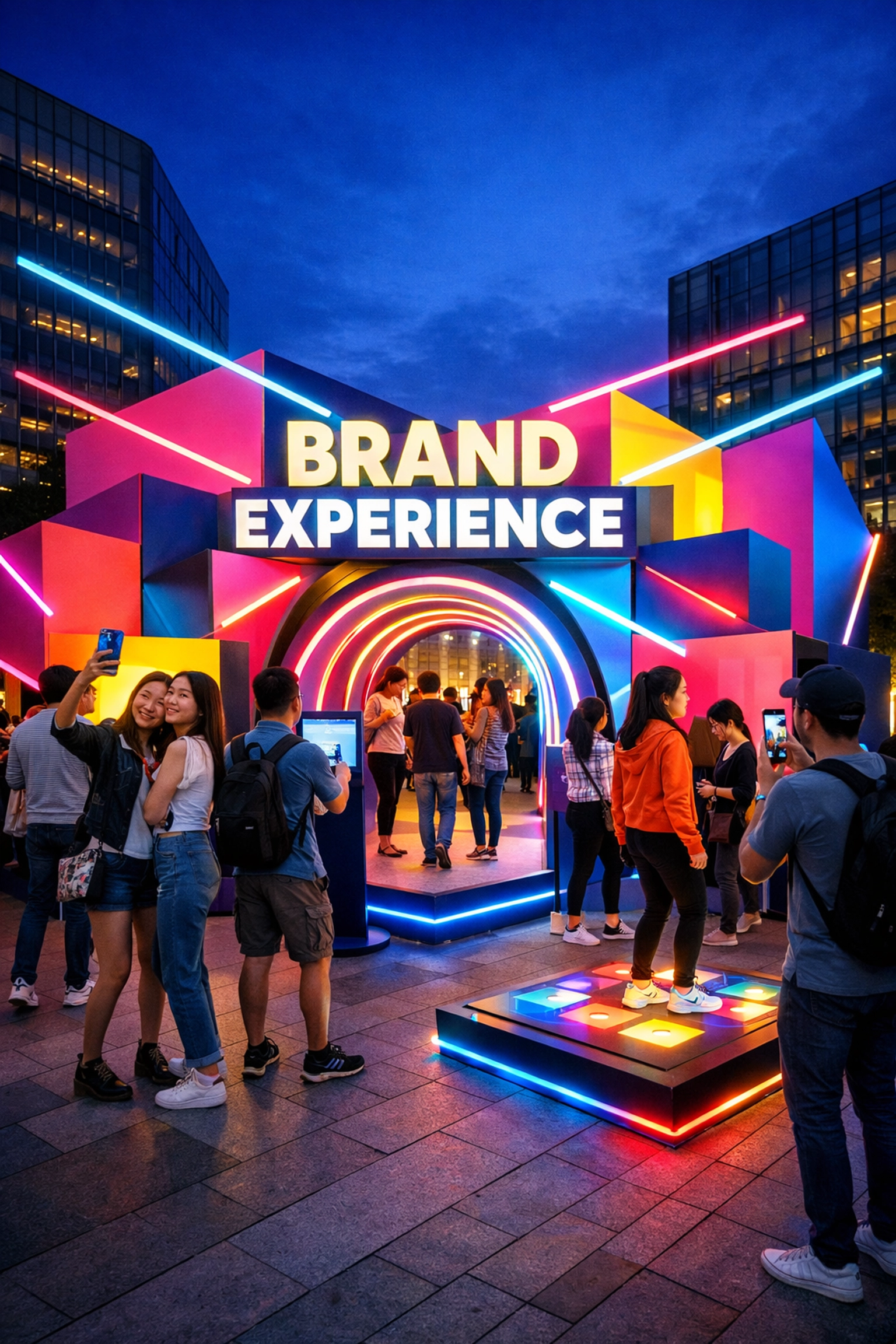
Successful experiential activations leverage physical environments to communicate brand values through multisensory engagement. Rather than telling audiences about products or services, these experiences invite participation that demonstrates value propositions directly. The shift from passive viewing to active involvement transforms brand encounters from forgettable impressions into shareable moments that audiences document and broadcast through their own channels.
The strategic advantage of experiential OOH lies in earned media amplification. When audiences find activations worth photographing and sharing, brands gain authentic content distribution that advertising budgets cannot buy. Social media multiplication extends reach exponentially, transforming physical installations into digital content that circulates long after events conclude.
Location selection for experiential activations requires balancing accessibility with distinctiveness. High-traffic areas maximize potential audience volume, but unique or unexpected locations create curiosity that draws audiences specifically to experience brand activations. The ideal approach combines both: maintaining presence in expected locations while creating destinations in spaces that surprise and delight.
Step 5: Measure Impact and Amplify Success Across Channels
The final step in mastering OOH advertising transforms executional excellence into measurable business outcomes. Unlike traditional OOH's measurement challenges, modern technologies enable precise tracking of environmental presence impact through multiple data sources and attribution methods.
Foot traffic analysis provides foundational metrics for physical activations, quantifying how many audiences encountered brand experiences and measuring engagement duration. These baseline measurements establish reach and frequency comparable to traditional media metrics, enabling apples-to-apples comparison across marketing investments.
Digital integration enables deeper measurement through mobile location data, social media monitoring, and direct response tracking. Brands can correlate physical presence with online behavior changes, measuring how OOH exposures influence search activity, website visits, and purchase behaviors. This connection between environmental presence and digital outcomes demonstrates OOH's role in comprehensive marketing ecosystems.
Social listening and earned media tracking quantify organic amplification generated by OOH activations. Monitoring branded hashtags, location tags, and user-generated content reveals how audiences extend campaign reach through their own networks. This earned media value often exceeds paid placement costs, validating experiential approaches that prioritize shareability.
The measurement framework should also capture qualitative outcomes including brand sentiment, message recall, and purchase intent. Post-event surveys and brand tracking studies assess how environmental presence influenced audience perceptions and future behaviors, providing insights that inform subsequent campaign strategies.
The Future of Environmental Brand Ownership
Super Bowl 2026 established new standards for how brands leverage OOH advertising during major sporting events. The shift toward comprehensive environmental presence reflects broader marketing trends where integrated experiences across multiple touchpoints generate greater impact than isolated media placements.
The strategies outlined in this framework apply beyond Super Bowl contexts to any large-scale event or metropolitan activation. The principles remain consistent: strategic footprint planning, digital-physical integration, phased timing, experiential engagement, and rigorous measurement combine to create brand presence that audiences cannot ignore.
As technology continues evolving, the opportunities for sophisticated OOH strategies will expand further. Advances in digital networks, data analytics, and creative execution will enable even more targeted, responsive, and measurable environmental campaigns. Brands that master these capabilities now position themselves to dominate the evolving landscape of experiential marketing.
The competitive advantage lies not in choosing between traditional advertising and environmental presence, but in orchestrating both within integrated strategies where each element reinforces the others. Owning the environment means creating brand ubiquity that makes your presence feel inevitable rather than intrusive: a natural part of the event experience that audiences welcome rather than avoid.