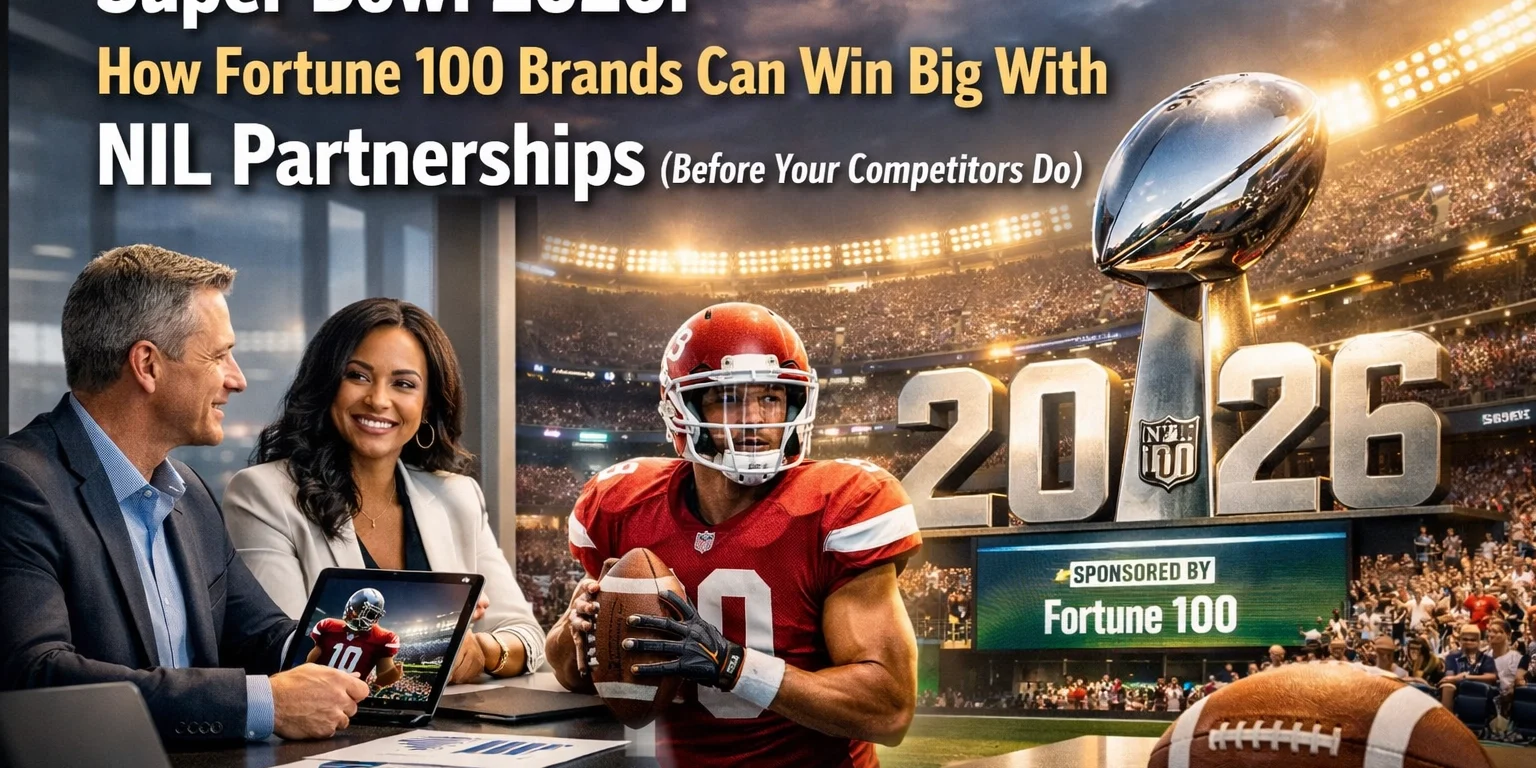
Super Bowl LX just wrapped up on February 8, 2026, with the New England Patriots facing the Seattle Seahawks in what proved to be more than a championship game. The event showcased a fundamental shift in how Fortune 100 brands are approaching sports marketing. While traditional 30-second spots commanded premium prices, the most strategic brands were already executing a parallel playbook: one built on Name, Image, and Likeness (NIL) partnerships that extend far beyond game day.
The data emerging from this year's Super Bowl reveals a clear pattern: brands that integrated NIL strategies into their broader marketing approach generated deeper audience engagement and longer-lasting brand affinity than those relying solely on traditional broadcast advertising. This represents a pivotal moment for enterprise brands to reconsider how they allocate marketing budgets and build athlete relationships.
The Evolution Beyond Transactional Sponsorships
The NIL landscape has matured significantly since collegiate athletes gained the right to monetize their personal brands in 2021. What began as individual endorsement deals has evolved into sophisticated partnership ecosystems that Fortune 100 brands are now leveraging for competitive advantage.
AT&T's approach illustrates this evolution effectively. Rather than pursuing transactional, one-off endorsements, the telecommunications giant developed a relationship-focused NIL strategy that treats athletes as long-term brand partners. The company identified and invested in talent like Cooper Flagg before he became the number one draft pick, demonstrating the value of early relationship building. Their "Clutch Calls" campaign featured multiple athletes across platforms, extending brand presence throughout an entire season rather than concentrating resources on a single event.
This strategic shift reflects a broader recognition among leading brands: NIL partnerships offer something traditional advertising cannot: authentic connections with diverse audience segments through trusted athlete voices. The key distinction lies in moving from visibility-focused transactions to value-aligned relationships that create mutual growth opportunities.
Selective Media Placement as Competitive Strategy
The 2026 Super Bowl advertising landscape revealed another important trend: strategic selectivity. Not every Fortune 100 brand invested in traditional broadcast spots, and their reasoning offers instructive lessons for future planning.
Nike made the deliberate choice to sit out Super Bowl advertising entirely, redirecting those resources toward World Cup sponsorships and their first-ever Super Bowl advertisement focused specifically on women's sports in three decades. This decision reflects a calculated assessment of where marketing dollars generate the highest return and strongest brand alignment. Meanwhile, Adidas leveraged its partnership with Bad Bunny's halftime show performance, creating integrated content that resonated across multiple platforms beyond the broadcast itself.
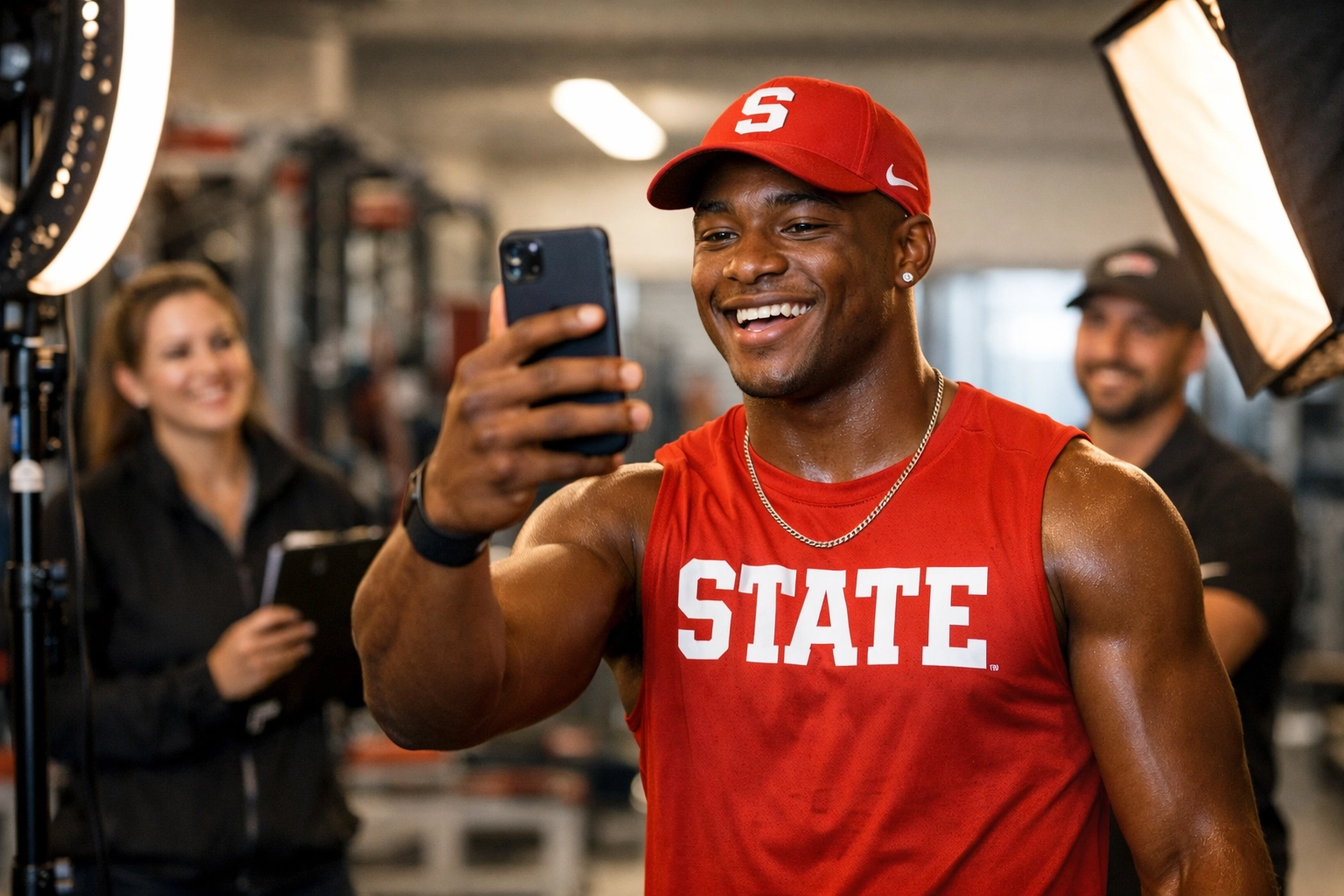
These examples underscore a fundamental principle: the most effective brand strategies in today's fragmented media environment require selective placement decisions based on audience alignment and content integration opportunities rather than simply purchasing premium inventory because it exists. NIL partnerships enable this selectivity by providing multiple touchpoints with target audiences through athlete-generated content and authentic endorsements.
Building Holistic Athlete Development Programs
The distinction between leading NIL strategies and mediocre ones often comes down to how brands conceptualize their role in athlete partnerships. AT&T's approach again provides useful reference points. The company positions NIL as part of a broader athlete development strategy, creating programs that extend athlete legacies beyond their playing careers while simultaneously building authentic brand connections.
This holistic approach generates several strategic advantages. First, it differentiates brands in an increasingly crowded NIL marketplace where athletes receive numerous partnership proposals. Athletes gravitate toward brands that demonstrate genuine interest in their long-term success rather than short-term promotional needs. Second, it creates more sustainable partnerships that weather the inevitable ups and downs of athletic careers. Third, it generates richer content opportunities as athletes become genuine brand advocates rather than contracted spokespeople.
Adidas implemented a similar philosophy through its brand ambassador program open to every Division I athlete at Adidas-sponsored schools, with intentional prioritization of HBCU athletes. This inclusive approach not only expands brand reach but also demonstrates values alignment around equity and opportunity: factors that increasingly influence consumer perception and purchasing decisions.
The Marketplace Infrastructure Taking Shape
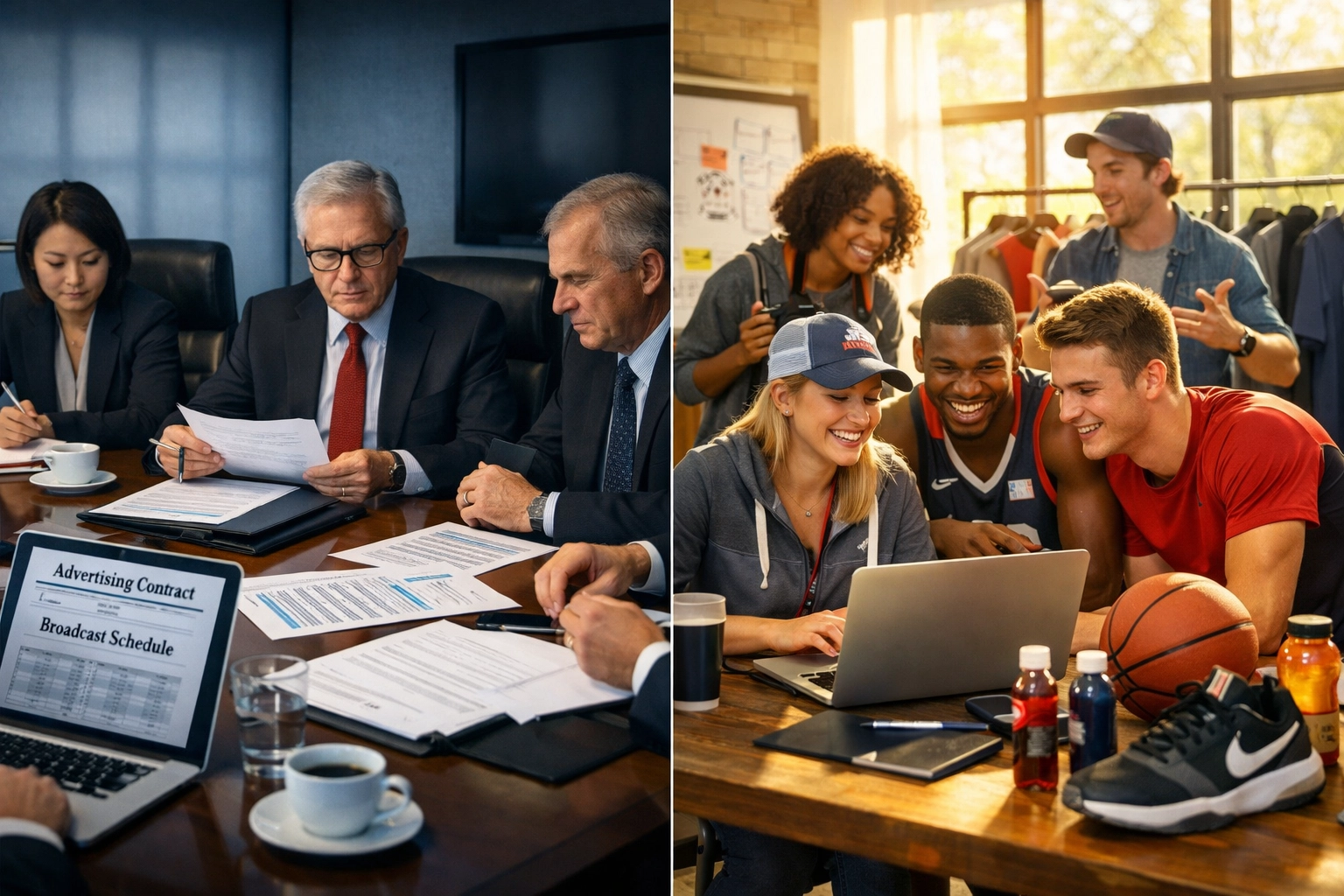
The NIL ecosystem has developed supporting infrastructure that makes Fortune 100 brand participation more accessible and efficient. Specialized marketplaces now connect brands with athletes across multiple sports and competitive levels, providing verification services, contract templates, and performance analytics that reduce operational friction.
This infrastructure development matters because it lowers barriers to entry for brands that previously lacked direct connections to collegiate and emerging professional athletes. Rather than building these capabilities internally or relying exclusively on traditional sports marketing agencies, brands can now access curated talent pools with transparent pricing and standardized partnership frameworks.
The marketplace model also benefits athletes by providing exposure to brand partnership opportunities they might not otherwise encounter, while offering education on contract negotiation, content creation, and personal brand development. This mutual value creation distinguishes the current NIL landscape from earlier endorsement models that primarily benefited established professional athletes with existing representation.
Actionable Framework for Fortune 100 Brands
Based on the strategies that generated measurable results around the 2026 Super Bowl, Fortune 100 brands can implement several specific practices to maximize NIL partnership effectiveness:
Identify alignment before visibility. Select athlete partners based on shared values and audience overlap rather than simply choosing the most visible names. AT&T's early relationship with Cooper Flagg demonstrates how investing in rising talent with strong character alignment generates better long-term returns than chasing established stars with crowded endorsement portfolios.
Design multi-platform campaigns. Structure NIL partnerships to generate content across social media, broadcast media, and owned channels rather than limiting athletes to single-use endorsements. The "Clutch Calls" campaign exemplifies how extending partnerships across an entire season maintains audience engagement beyond isolated events.
Treat athletes as development partners. Create programs that provide genuine value to athletes beyond financial compensation, including mentorship, professional development, and post-career planning support. This approach builds authentic relationships that translate into more credible brand advocacy.
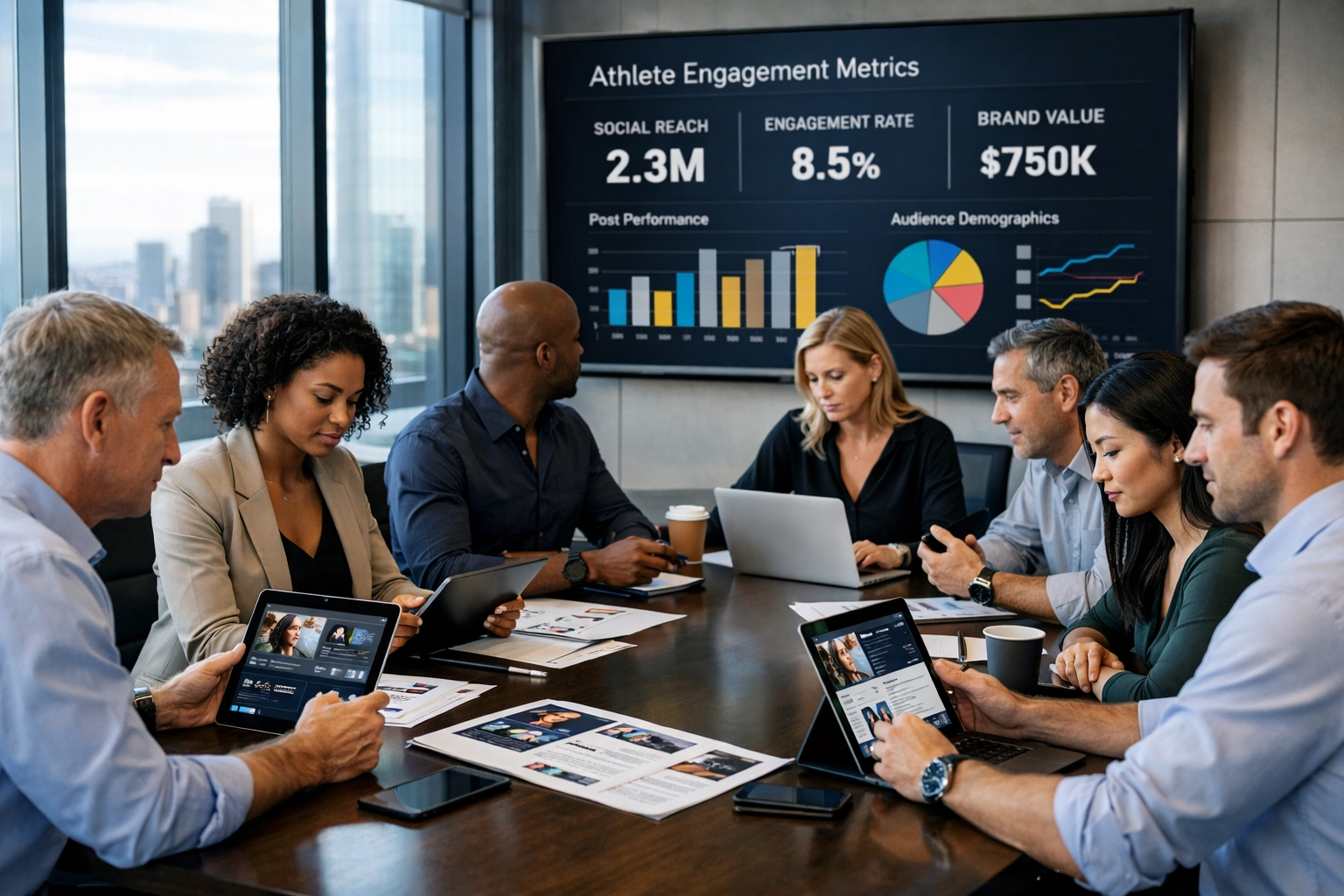
Measure engagement depth over reach. Evaluate NIL partnership success based on audience engagement quality and brand perception shifts rather than solely focusing on impression counts. Athletes with smaller but highly engaged followings often generate better conversion rates than those with massive but less engaged audiences.
The Competitive Imperative
The window for Fortune 100 brands to establish NIL partnership programs before they become table stakes is narrowing. As more brands recognize the strategic value of these relationships, competition for top athlete partners will intensify, and the cost of entry will increase. The brands moving decisively now are establishing relationship foundations and institutional knowledge that will compound over time.
Moreover, the athletes entering collegiate and professional sports today expect brand partners to offer more than traditional endorsement deals. They seek partnerships that align with their values, support their development, and respect their personal brands. Fortune 100 brands that adapt to these expectations will secure access to the next generation of athletic talent, while those maintaining purely transactional approaches will find their partnership options increasingly limited.
The 2026 Super Bowl demonstrated that the most effective sports marketing strategies now combine traditional advertising with integrated NIL partnerships. The brands achieving the strongest results are those treating NIL as a strategic pillar rather than an experimental addition: a shift that requires rethinking budget allocation, partnership development, and success measurement. For Fortune 100 brands seeking competitive advantage in an increasingly fragmented media landscape, the question is no longer whether to pursue NIL partnerships, but how quickly they can develop the capabilities to execute them effectively.