The landscape of collegiate athletics marketing has fundamentally transformed. As Super Bowl 2026 approaches, Fortune 100 brands face an unprecedented opportunity to engage with the next generation of talent through Name, Image, and Likeness (NIL) partnerships. However, this new frontier comes with complex compliance requirements, trademark considerations, and strategic frameworks that demand careful navigation.
The following ten insights provide essential guidance for enterprise brands considering NIL activations during the Super Bowl window and beyond.
1. The $600 Reporting Threshold Is Non-Negotiable
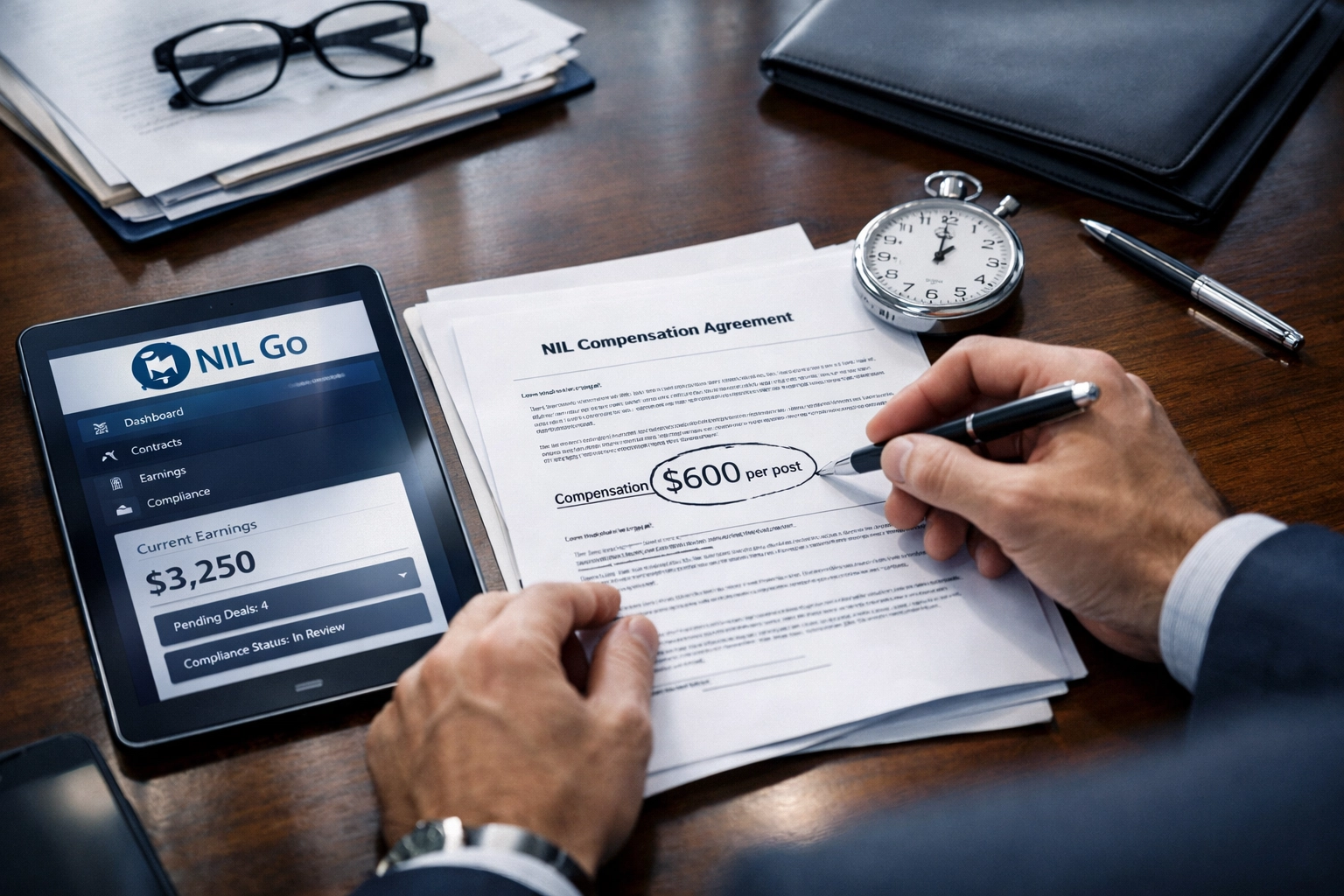
All third-party NIL deals exceeding $600 must be submitted to the College Sports Commission through the NIL Go portal for approval before activation. This requirement applies regardless of deal structure or payment timing. Brands accustomed to rapid campaign deployment must adjust their timelines accordingly. The CSC conducts substantive reviews and rejects a meaningful number of submissions, so approval is not automatic. Enterprise legal teams should factor this compliance layer into their activation calendars well in advance of planned Super Bowl promotions.
2. Valid Business Purpose Replaces Pay-for-Play
Traditional pay-for-play arrangements: compensating athletes primarily to attend or perform for an institution: no longer satisfy compliance requirements. Collectives and brands engaging NIL athletes must demonstrate valid business purpose related to offering goods or services to the general public for profit. Compensation must fall within fair market value ranges for comparable services. This shift requires brands to structure deals around authentic commercial activities: product endorsements, social media content creation, appearance fees, or branded entertainment partnerships. The emphasis has moved from institutional affiliation to legitimate market transactions.
3. Super Bowl Trademark Protection Is Absolute
The NFL enforces trademark protections on "Super Bowl" with exceptional rigor in commercial contexts. Brands cannot use "Super Bowl" in advertising or promotions without explicit NFL licensing, even with disclaimers stating "Not an Official Sponsor." This applies to commercial activities indirectly referencing the game to draw attention. News organizations retain reporting rights, but brands must deploy alternative phrasing: "The Big Game," "Championship Sunday," or creative workarounds: in NIL activations. Legal review of all Super Bowl-adjacent NIL content is essential to avoid trademark infringement.
4. Age and Industry Restrictions Vary by Jurisdiction
In Texas and similar jurisdictions, athletes under 17 cannot enter NIL contracts. Additionally, deals in restricted industries: tobacco, gambling, and adult entertainment: are prohibited across most state frameworks. Fortune 100 brands operating in multiple states must navigate a patchwork of regulations. Cannabis-related businesses face particular scrutiny even in states with legal recreational markets. Brands should conduct jurisdiction-specific compliance reviews before approaching athletes, particularly when planning multi-state Super Bowl campaigns involving college athletes from various institutions.
5. Institutions Bear Affirmative Compliance Duties
Institutions now carry affirmative compliance responsibilities when they become aware of NIL activity through athletics staff, donors, or booster collectives. This accountability extends to deals facilitated by external brands. Universities may impose additional approval layers, reporting requirements, or contractual stipulations beyond state and NCAA frameworks. Brands working with athletes should expect institutional oversight and factor these relationships into deal structure. Maintaining transparent communication with athletic departments protects all parties and accelerates approval processes.
6. Fair Market Value Requires Documentation
The fair market value standard introduces complexity for brands accustomed to celebrity endorsement pricing models. Compensation must reflect comparable market rates for similar services by athletes of similar profile. This requires brands to develop defensible valuation methodologies based on social media following, engagement rates, athletic performance metrics, and regional market dynamics. Overpaying relative to market benchmarks invites scrutiny and potential rejection. Underpaying damages brand reputation with athlete representatives and agencies increasingly sophisticated about NIL valuations.
7. Lead Time Is Critical for Super Bowl Activations
The combination of CSC review periods, institutional approval processes, and athlete availability creates extended timelines for Super Bowl NIL activations. Brands pursuing February 2026 campaigns should initiate conversations months in advance. Deals requiring creative development, content production, or multi-platform distribution demand even longer runways. Last-minute opportunities may exist, but relying on rapid activation exposes brands to compliance risks, rushed creative execution, and limited athlete availability during peak competition seasons.
8. Dual-Track Strategies Maximize Opportunity
Sophisticated brands employ dual-track approaches for Super Bowl NIL engagement: partnering with established athlete influencers for immediate visibility while cultivating relationships with emerging talent for long-term value. The immediate track delivers proven social reach and credibility during the Super Bowl window. The emerging talent track identifies athletes before market valuations rise, building authentic partnerships that extend beyond single campaigns. This strategy requires ongoing talent scouting, relationship management, and flexible budget allocation across activation timeframes.
9. Video Content Drives Authentic Engagement
Modern NIL partnerships extend beyond traditional endorsement formats into content collaboration and co-creation. Video content particularly drives authentic engagement with younger demographics who will shape purchasing decisions for decades. Understanding how athletes connect with their audiences through various platforms: YouTube, TikTok, Instagram, Twitter: enables brands to craft campaigns that feel native rather than transactional. Consider this example of authentic athlete storytelling that resonates with audiences:
https://www.youtube.com/watch?v=l6J-0zileKE
This approach to athlete narratives demonstrates how video content can humanize brand partnerships and create emotional connections that transcend product placement.
10. The Talent Pipeline Extends Beyond Athletics
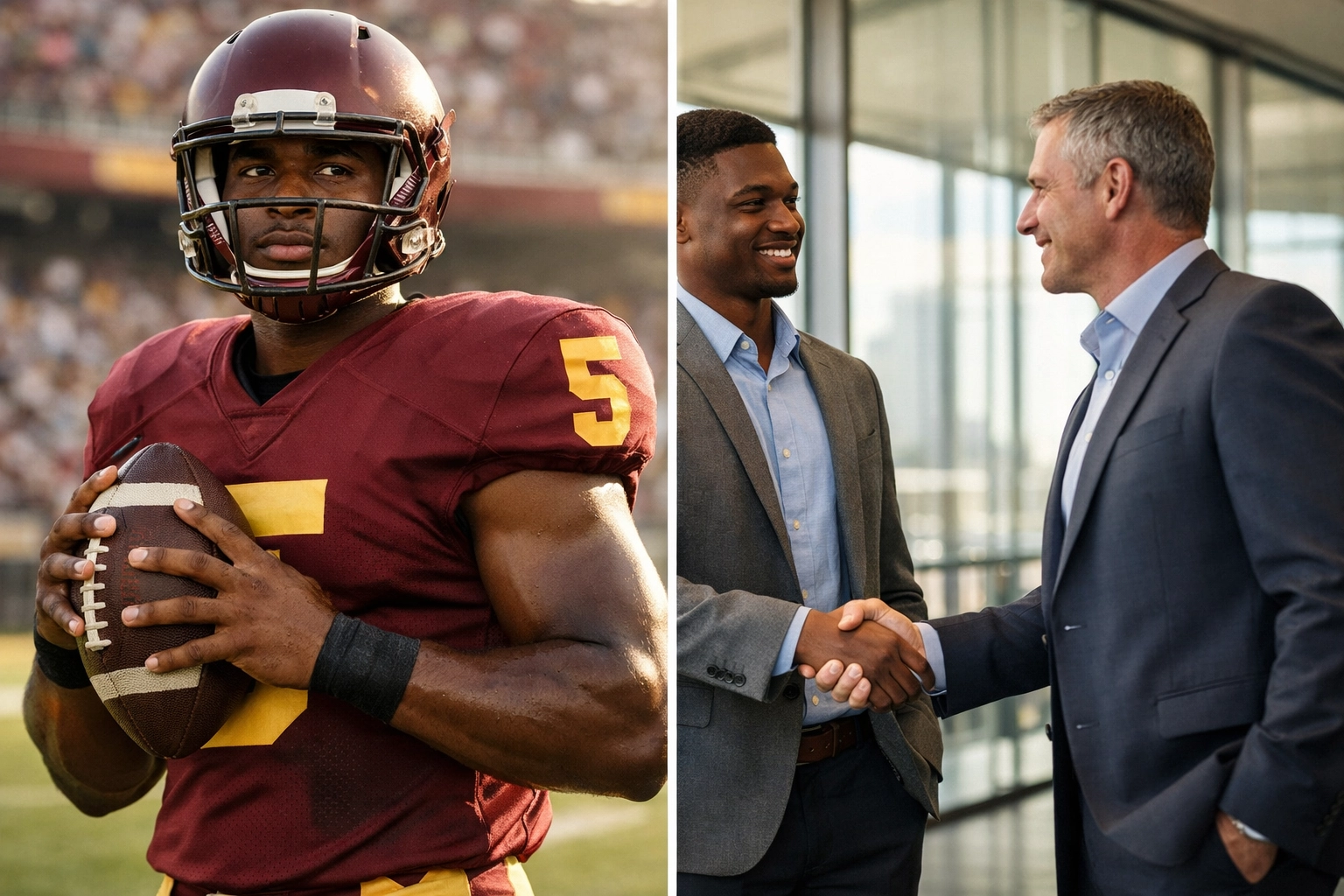
The most forward-thinking Fortune 100 brands recognize that NIL represents more than marketing activations. These partnerships create pathways to identify, develop, and recruit exceptional talent for corporate roles after athletic careers conclude. Athletes demonstrate leadership, resilience, teamwork, and performance under pressure: qualities that translate directly to enterprise environments. Super Bowl NIL campaigns serve dual purposes: immediate brand visibility and long-term talent pipeline development. This perspective transforms NIL from marketing expense to strategic workforce investment.

Implementation Framework
Fortune 100 brands entering the NIL space for Super Bowl 2026 should establish cross-functional teams spanning legal, marketing, human resources, and external agency partners. Legal counsel ensures compliance with evolving state regulations and institutional requirements. Marketing teams develop authentic athlete partnerships and creative campaigns. Human resources explores talent pipeline opportunities. External agencies provide athlete identification, valuation expertise, and deal facilitation.
Budget allocation should reflect both immediate campaign costs and long-term relationship investments. NIL deals vary dramatically in scope: from micro-influencer partnerships at several thousand dollars to major athlete endorsements exceeding six figures. Super Bowl timing commands premium pricing due to heightened media attention and athlete demand. Brands should establish clear ROI metrics before engagement: social media impressions, engagement rates, website traffic, conversion attribution, or talent pipeline outcomes.
Documentation and reporting systems must capture all deal terms, deliverables, compensation schedules, and compliance checkpoints. This infrastructure protects brands during regulatory audits and provides data for evaluating program effectiveness across multiple campaigns.
Looking Forward
The NIL revolution represents a permanent shift in how Fortune 100 brands access collegiate athletics marketing and talent development. Super Bowl 2026 offers a concentrated opportunity to test strategies, build relationships, and establish brand presence in this evolving ecosystem. Brands that invest time understanding compliance requirements, athlete motivations, and institutional dynamics will gain competitive advantages as NIL matures into a standard component of integrated marketing strategies.
The athletes competing at the highest levels today represent the workforce, entrepreneurs, and community leaders of tomorrow. Partnerships formed through authentic NIL engagement during milestone events like the Super Bowl create lasting connections that benefit both brands and athletes well beyond the final whistle.
For Fortune 100 enterprises seeking to navigate this transformation, USA Entertainment Ventures LLC provides strategic consulting on NIL compliance, talent pipeline development, and integrated activation frameworks. Learn more at usaentertainmentventures.com.