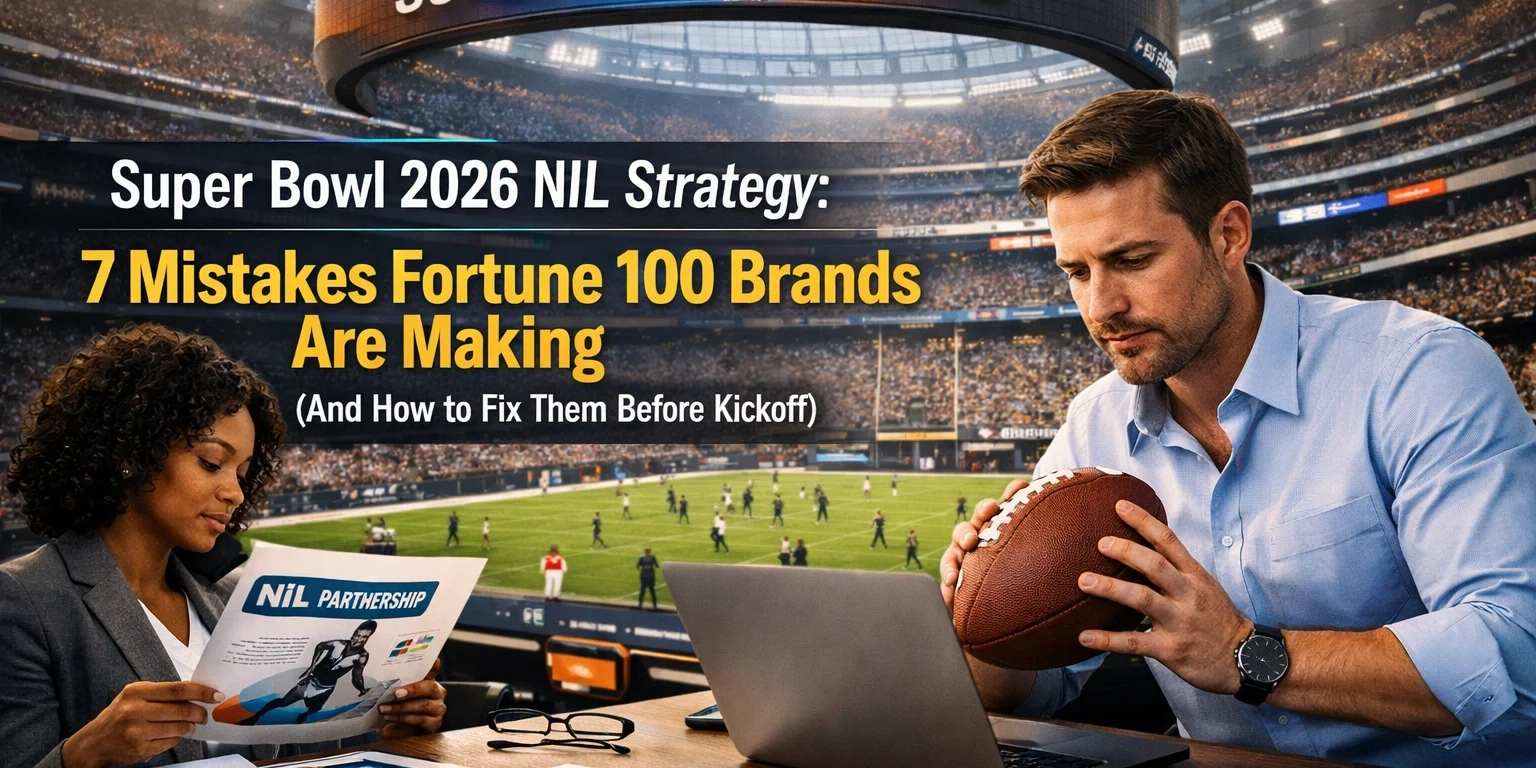
The landscape of Super Bowl advertising has undergone a seismic shift. While Fortune 100 brands continue to invest millions in traditional 30-second spots, a parallel revolution is unfolding: one that many major corporations are still failing to leverage effectively. The Name, Image, and Likeness (NIL) era has opened unprecedented opportunities for brands to amplify their Super Bowl presence through strategic partnerships with college athletes, yet most organizations remain anchored to outdated playbooks.
With Super Bowl LX approaching in February 2026, the window for brands to course-correct is narrowing. The following analysis identifies seven critical mistakes that Fortune 100 companies are making in their NIL strategies: and provides actionable solutions to capitalize on this transformative moment in sports marketing.
Mistake #1: Prioritizing National Reach While Ignoring Hyper-Local Opportunities
Fortune 100 brands typically design Super Bowl campaigns for maximum national exposure, pouring resources into broad-reach initiatives. This approach, while effective for traditional advertising, fundamentally misunderstands the NIL advantage. College athletes command deep loyalty within specific geographic markets and demographic segments that national campaigns often fail to penetrate effectively.
The Fix: Develop a dual-track strategy that pairs your national Super Bowl campaign with localized NIL partnerships. Identify college athletes with strong followings in key markets where your brand seeks growth. A quarterback at a major state university may reach more engaged consumers in that region than a national celebrity endorser: at a fraction of the cost.
Mistake #2: Treating NIL Athletes Like Traditional Celebrity Endorsers
Many brands approach NIL partnerships with the same framework they use for professional athletes or entertainment celebrities. This cookie-cutter approach ignores the unique attributes that make college athletes valuable: authenticity, accessibility, and genuine connection with younger audiences.
The Fix: Co-create content with NIL partners rather than simply placing them in pre-scripted advertisements. Allow athletes to maintain their voice and integrate your brand naturally into their existing content ecosystem. This approach generates higher engagement rates and stronger brand affinity, particularly among Gen Z consumers who comprise a significant portion of the college athlete's audience.
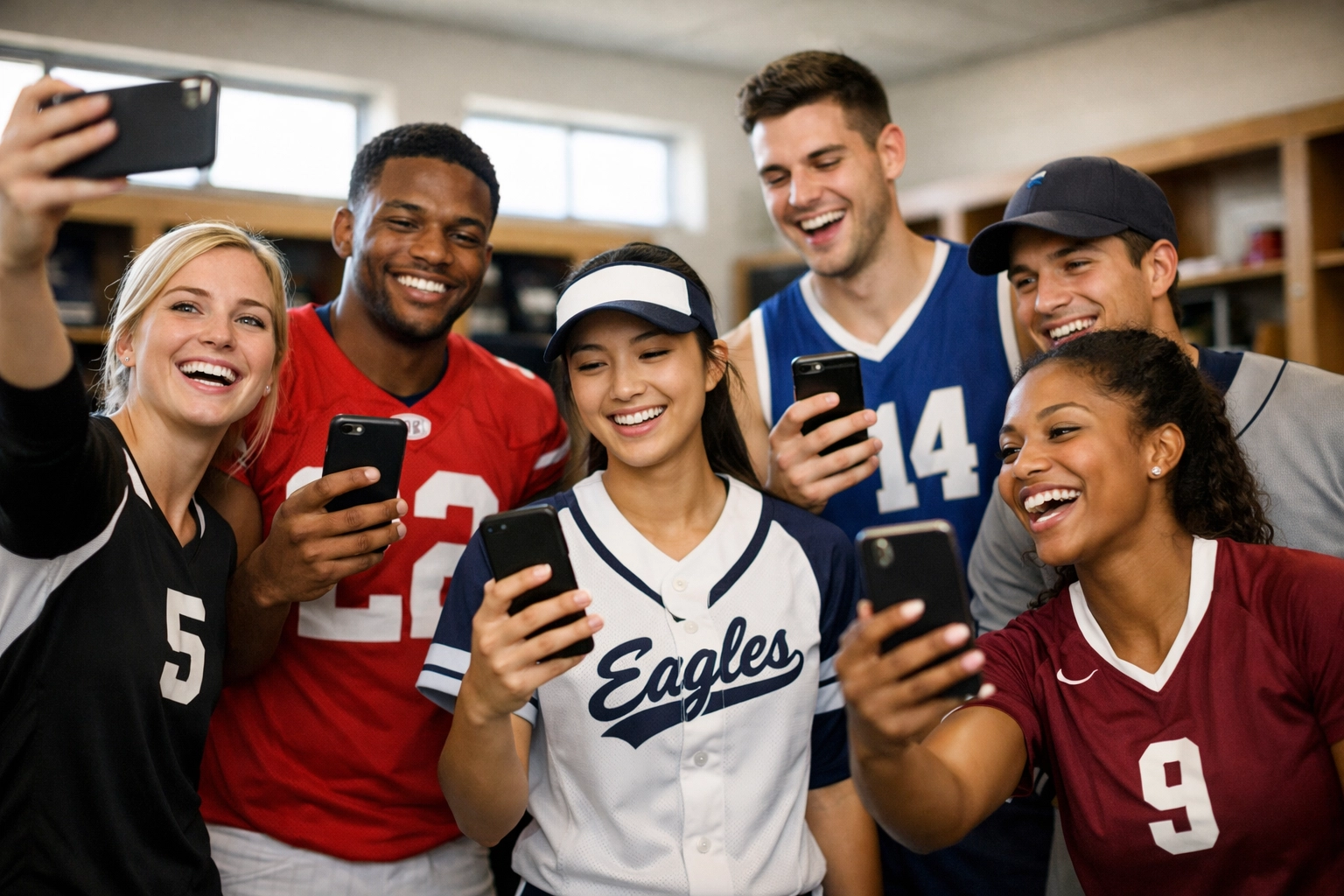
Mistake #3: Starting Partnership Development Too Late
The most common error Fortune 100 brands make is treating NIL as a last-minute add-on to their Super Bowl strategy. By the time many companies begin exploring NIL opportunities, the most valuable athletes have already committed to competing partnerships or lack sufficient time to develop authentic brand alignment.
The Fix: Begin cultivating NIL relationships at least six months before the Super Bowl. This timeline allows for genuine relationship building, content development, and strategic integration with your broader campaign. Early engagement also provides negotiating advantages and ensures availability of top-tier talent.
Mistake #4: Overlooking Mid-Tier Athletes for Star Power
The instinct to partner exclusively with Heisman Trophy candidates or championship team members is understandable but often misguided. These athletes command premium rates and face heavy competition for their attention. Meanwhile, mid-tier athletes with engaged, niche followings represent untapped value.
The Fix: Build a portfolio approach to NIL partnerships. Combine one or two high-profile athletes with a network of mid-tier partners who collectively deliver broader reach and deeper market penetration. This strategy also provides redundancy if a star athlete faces unexpected challenges or changes in public perception.
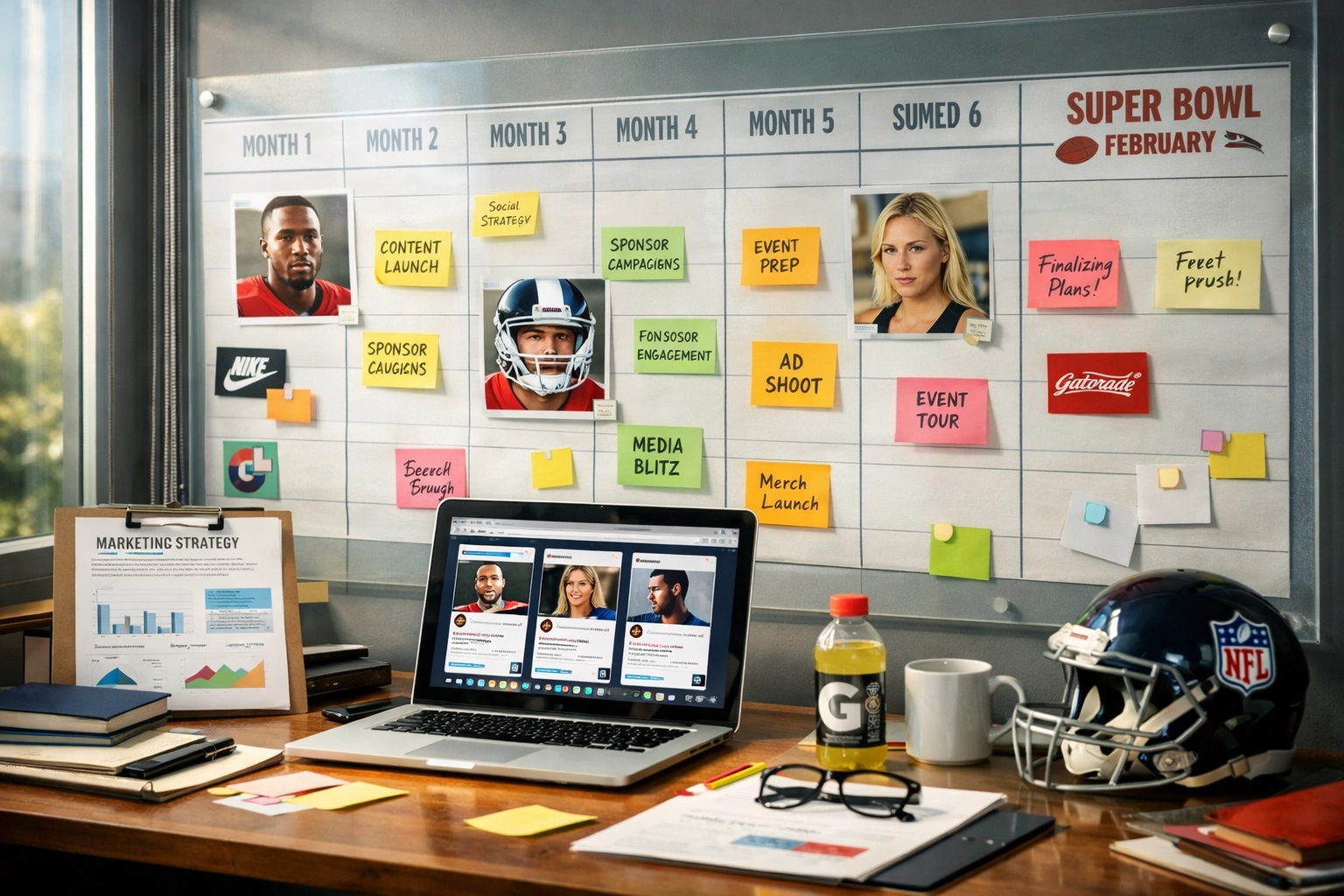
Mistake #5: Missing the Authenticity Factor
Audiences, particularly younger demographics, possess sophisticated filters for inauthentic partnerships. When brands force college athletes into messaging that conflicts with their established persona or values, the campaign backfires: damaging both the athlete's credibility and the brand's reputation.
The Fix: Conduct thorough alignment assessments before approaching NIL candidates. Evaluate whether the athlete's values, content style, and audience demographics genuinely match your brand identity. The most effective NIL partnerships feel inevitable rather than transactional because they reflect authentic mutual fit.
The NIL Revolution: Understanding the Paradigm Shift
To fully grasp the implications of these mistakes, it's essential to understand the fundamental transformation occurring at the intersection of college athletics and brand marketing.
This evolution represents more than a new advertising channel: it signals a restructuring of how brands connect with audiences during marquee sporting events. The Super Bowl remains the pinnacle of advertising reach, but NIL partnerships provide the depth and authenticity that traditional spots increasingly lack.
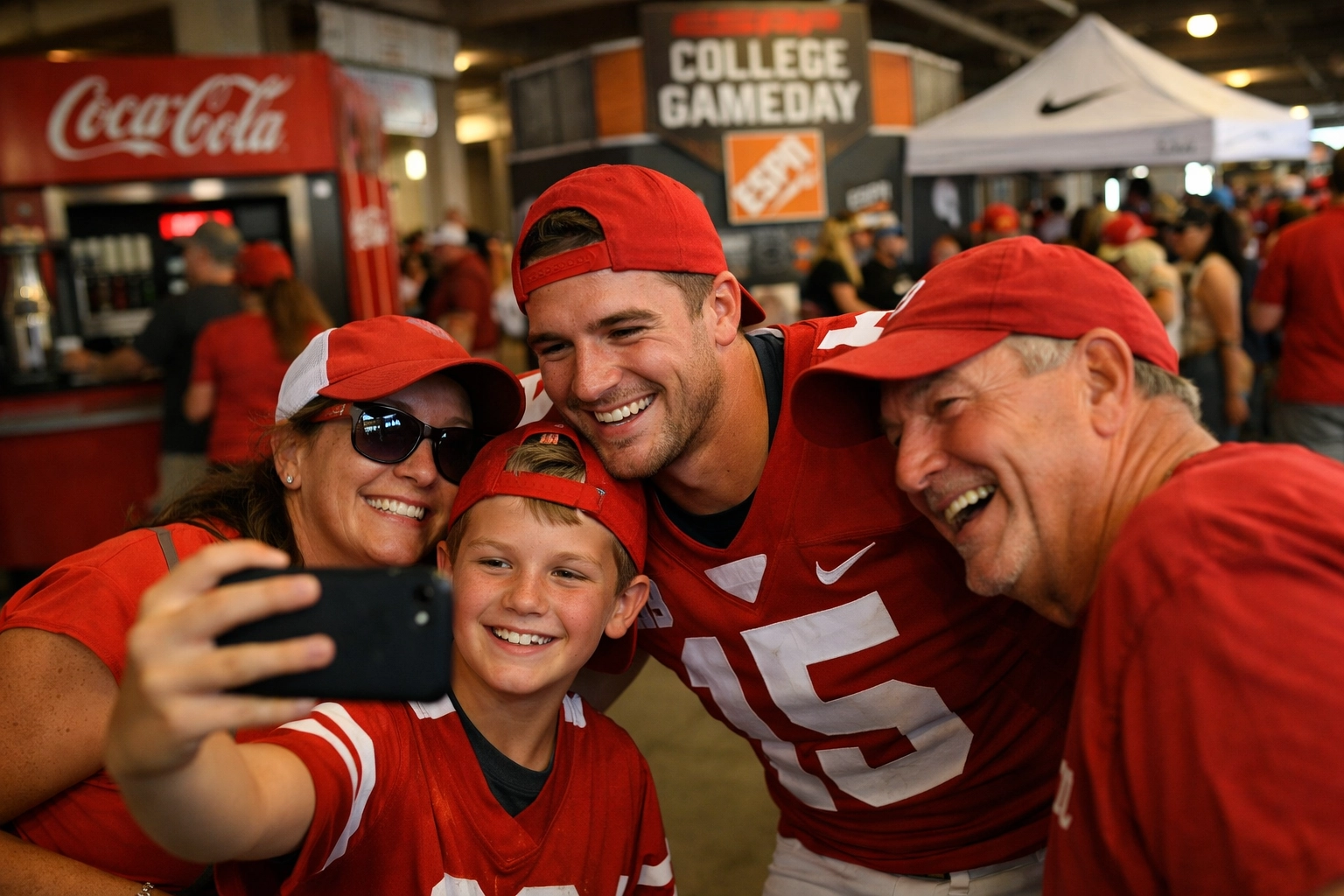
Mistake #6: Failing to Integrate NIL with Existing Super Bowl Campaigns
Many Fortune 100 companies treat their NIL initiatives as separate from their traditional Super Bowl advertising, creating siloed campaigns that fail to reinforce each other. This fragmentation dilutes messaging and wastes the synergistic potential that comes from coordinated strategies.
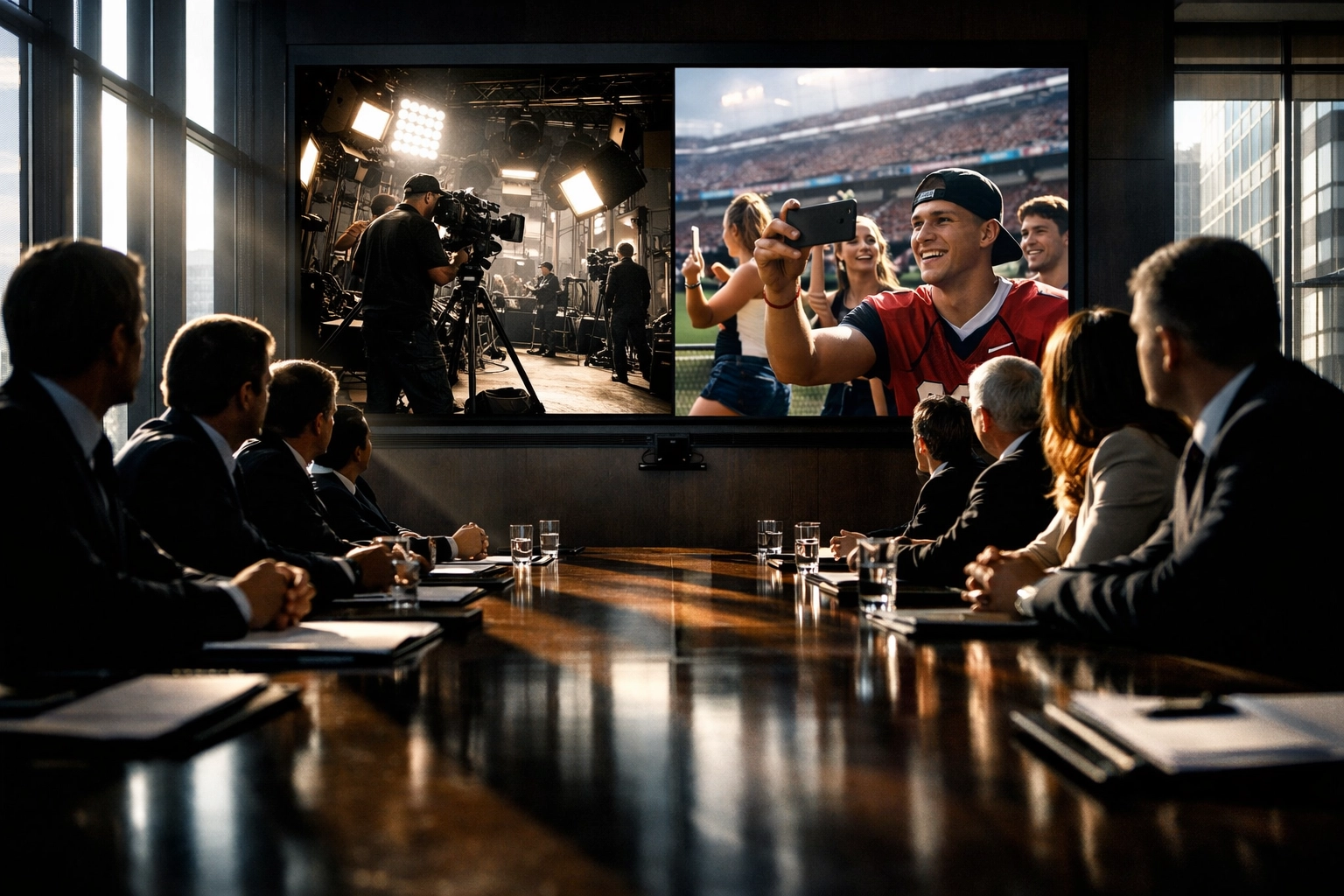
The Fix: Design your Super Bowl campaign with NIL integration as a core component from the outset. Consider how college athletes can preview, amplify, or extend your national advertising narrative across social platforms. Use NIL partners to create pre-game buzz, provide real-time Super Bowl commentary, and sustain engagement in the days following the game when traditional ad impact typically declines sharply.
Mistake #7: Ignoring ROI Measurement Specific to NIL
Fortune 100 brands excel at measuring traditional advertising metrics but often apply inappropriate frameworks to NIL partnerships. Views, impressions, and reach matter, but they fail to capture the unique value proposition of athlete partnerships: particularly the quality of engagement and community building that occurs.
The Fix: Develop NIL-specific measurement frameworks that account for engagement depth, sentiment analysis, conversion tracking through unique codes or links, and long-term brand lift within targeted demographics. Partner with analytics firms that specialize in influencer and athlete marketing to establish benchmarks and continuously optimize your approach.

Strategic Imperatives for Super Bowl 2026
As Super Bowl LX approaches, Fortune 100 brands face a clear choice: continue relying exclusively on expensive traditional advertising or embrace the strategic advantages that well-executed NIL partnerships provide. The companies that will dominate Super Bowl conversation: both during the game and in the weeks surrounding it: will be those that successfully integrate both approaches.
The NIL revolution is not replacing traditional Super Bowl advertising; it is enhancing it. College athletes provide brands with authenticity, localized reach, and sustained engagement that complements the massive but brief impact of a television commercial. However, capturing this value requires intentional strategy, early planning, and a willingness to adapt established processes.
For brands still operating under pre-NIL assumptions, the path forward demands immediate action. Begin identifying potential athlete partners now. Develop integration frameworks that connect NIL initiatives with your broader Super Bowl strategy. Establish measurement systems that capture the full spectrum of value these partnerships generate.
The convergence of NIL opportunities and Super Bowl marketing represents a rare inflection point: one that favors brands willing to challenge conventional wisdom and embrace new paradigms. The question is not whether NIL will transform Super Bowl advertising, but rather which Fortune 100 companies will lead this transformation and which will be left analyzing competitors' success stories.
For organizations seeking guidance on developing comprehensive NIL strategies aligned with major sporting events, USA Entertainment Ventures LLC specializes in bridging the gap between traditional marketing excellence and emerging opportunities in the entertainment and sports landscape.