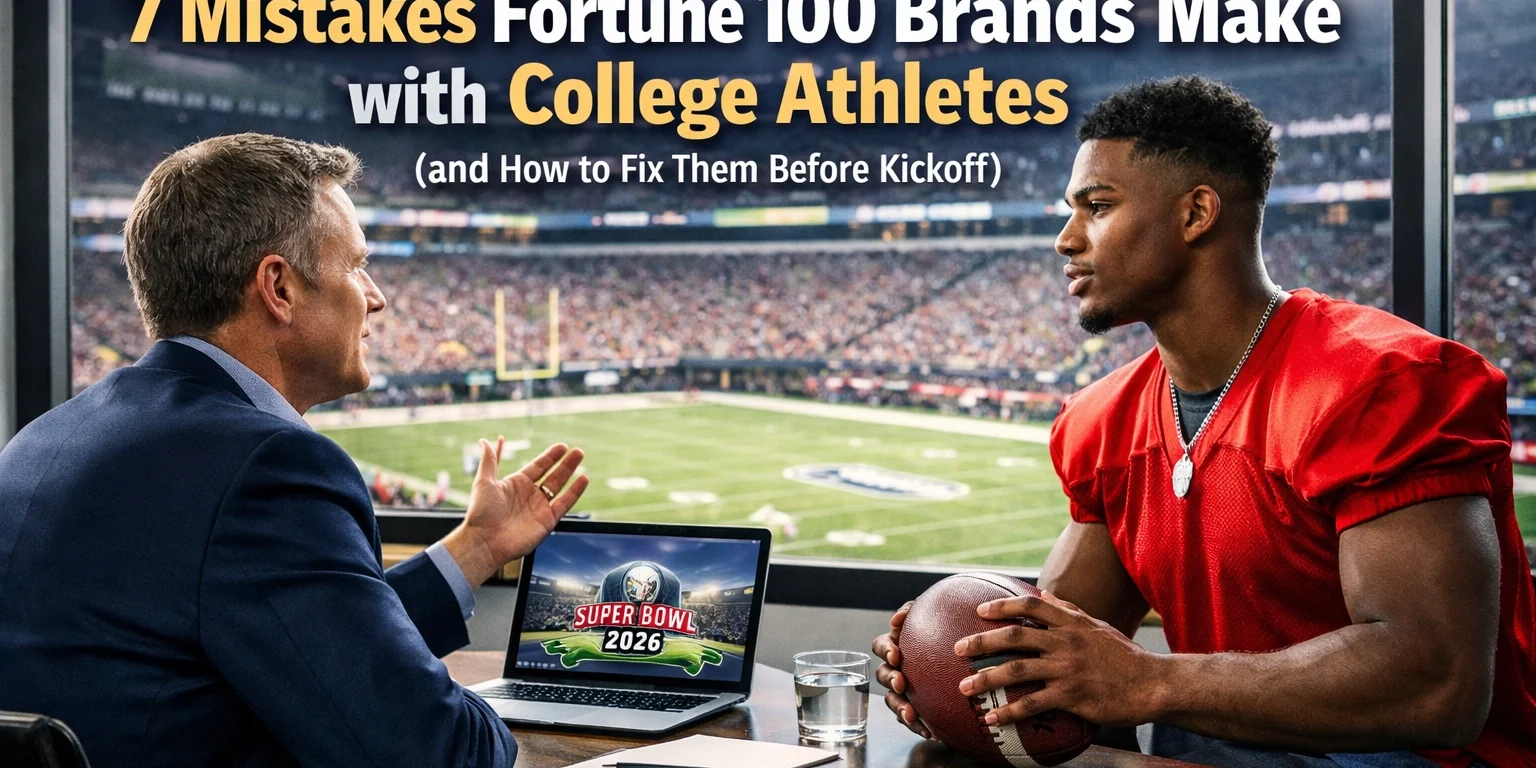
Super Bowl LX is less than 24 hours away, and while Fortune 100 brands have perfected the multi-million-dollar commercial, most are completely missing the next evolution in sports marketing: college athlete NIL partnerships. The Name, Image, and Likeness revolution has fundamentally changed how brands can connect with audiences, yet corporate marketing teams continue to approach these partnerships using outdated playbooks designed for professional athletes.
The opportunity is massive. College athletes now command authentic influence over demographics that traditional celebrity endorsements simply cannot reach. During Super Bowl week: when sports marketing spend peaks: the brands that understand how to properly leverage NIL partnerships will separate themselves from competitors still stuck in the old model.
The NIL Revolution: What's Changed and Why It Matters
https://www.youtube.com/watch?v=l6J-0zileKE
The NCAA's policy shift in 2021 opened the floodgates for college athletes to monetize their personal brands. By 2026, NIL deals have matured from experimental partnerships into sophisticated marketing strategies. Yet many Fortune 100 brands still treat these opportunities as afterthoughts or apply professional athlete marketing frameworks to fundamentally different partnerships.
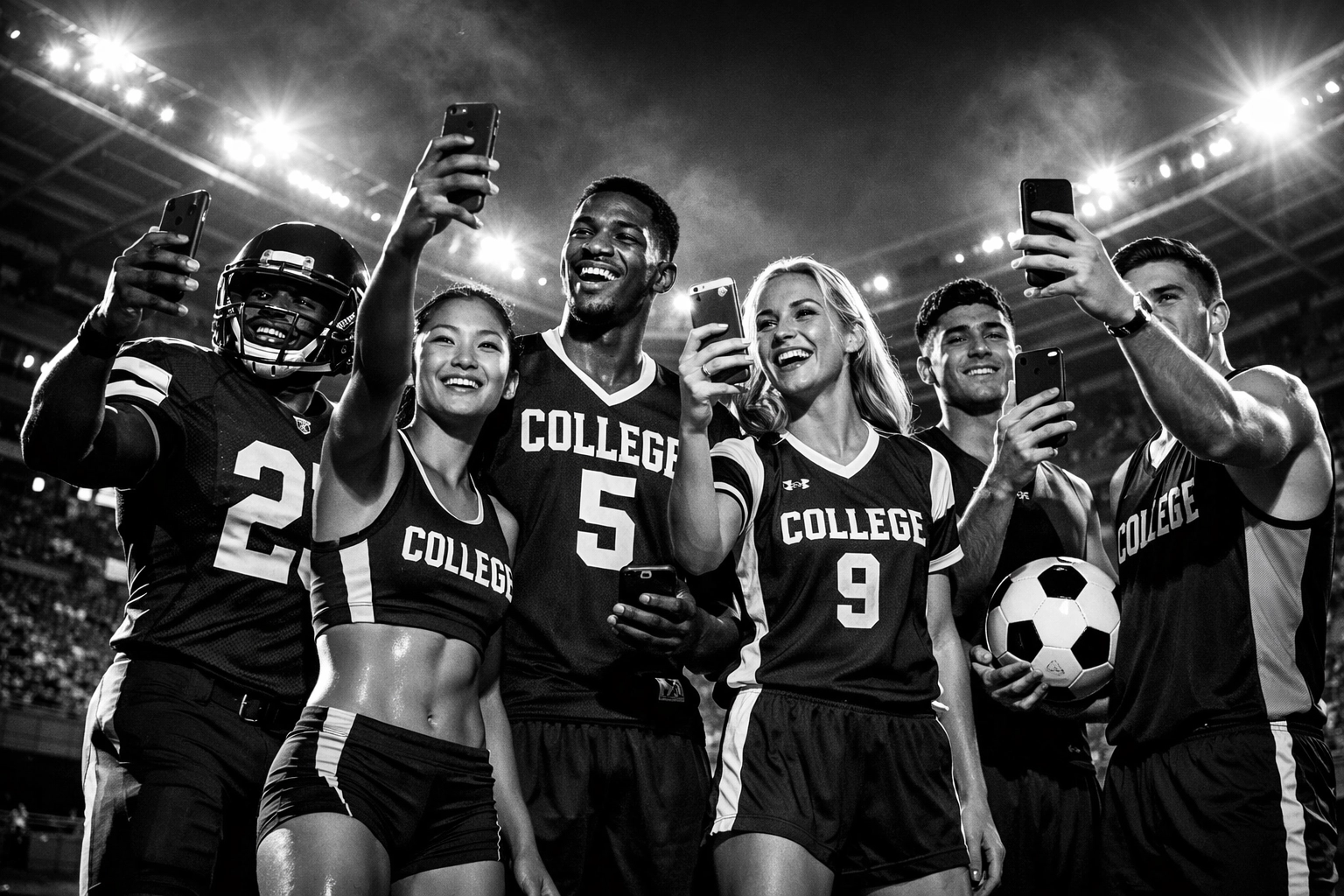
The statistics tell the story. College athletes collectively reach over 100 million social media followers, with engagement rates that consistently outperform professional athletes by 3-5 times. During Super Bowl week, when consumer attention on sports peaks, these athletes represent untapped channels to reach younger, digitally-native audiences who increasingly tune out traditional advertising.
Mistake #1: Treating NIL Partnerships Like Traditional Endorsement Deals
Fortune 100 brands frequently approach college athletes with the same contract structures and activation strategies they use for professional endorsers. This fundamental misunderstanding undermines the entire partnership from the start.
The Fix: College athletes aren't miniature versions of pro athletes: they're authentic voices within specific communities. Successful NIL partnerships prioritize co-creation over brand dictation. Instead of handing athletes scripted talking points, involve them in campaign ideation. The most effective Super Bowl-adjacent NIL activations come from athletes who genuinely connect their personal stories to brand messages, not from corporate-approved soundbites delivered through reluctant college students.
Mistake #2: Ignoring the Compliance Landscape
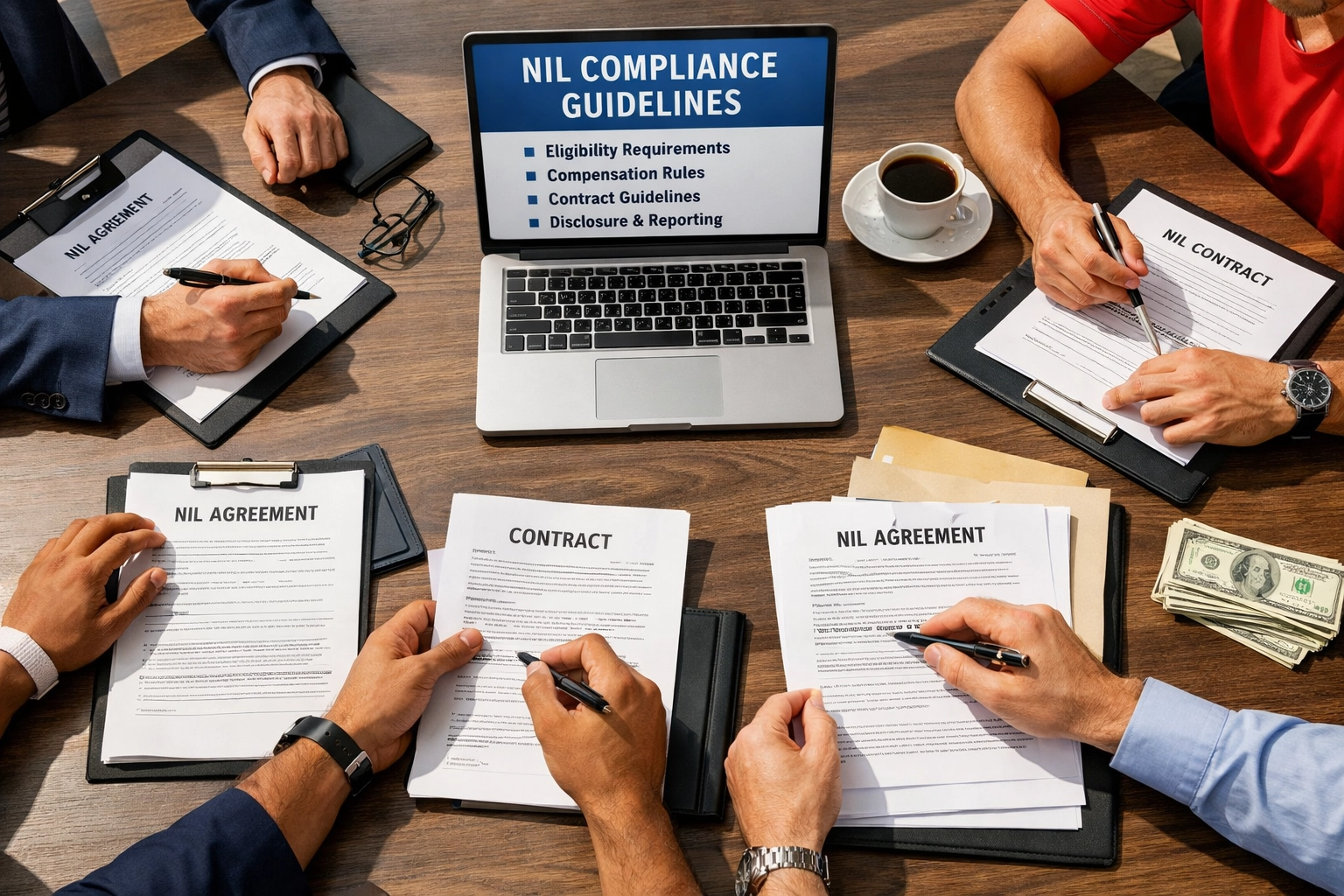
State laws governing NIL deals vary dramatically, and NCAA regulations continue to evolve. Many Fortune 100 legal teams treat NIL contracts as standard marketing agreements, creating massive compliance risks.
The Fix: Build relationships with specialized NIL legal counsel and university compliance offices before launching campaigns. Super Bowl activation windows are short: brands that scramble to navigate state-specific regulations during game week inevitably miss opportunities or expose themselves to violations. The smart approach involves pre-cleared framework agreements that can be rapidly deployed when opportunities emerge.
Mistake #3: Focusing Exclusively on Star Athletes
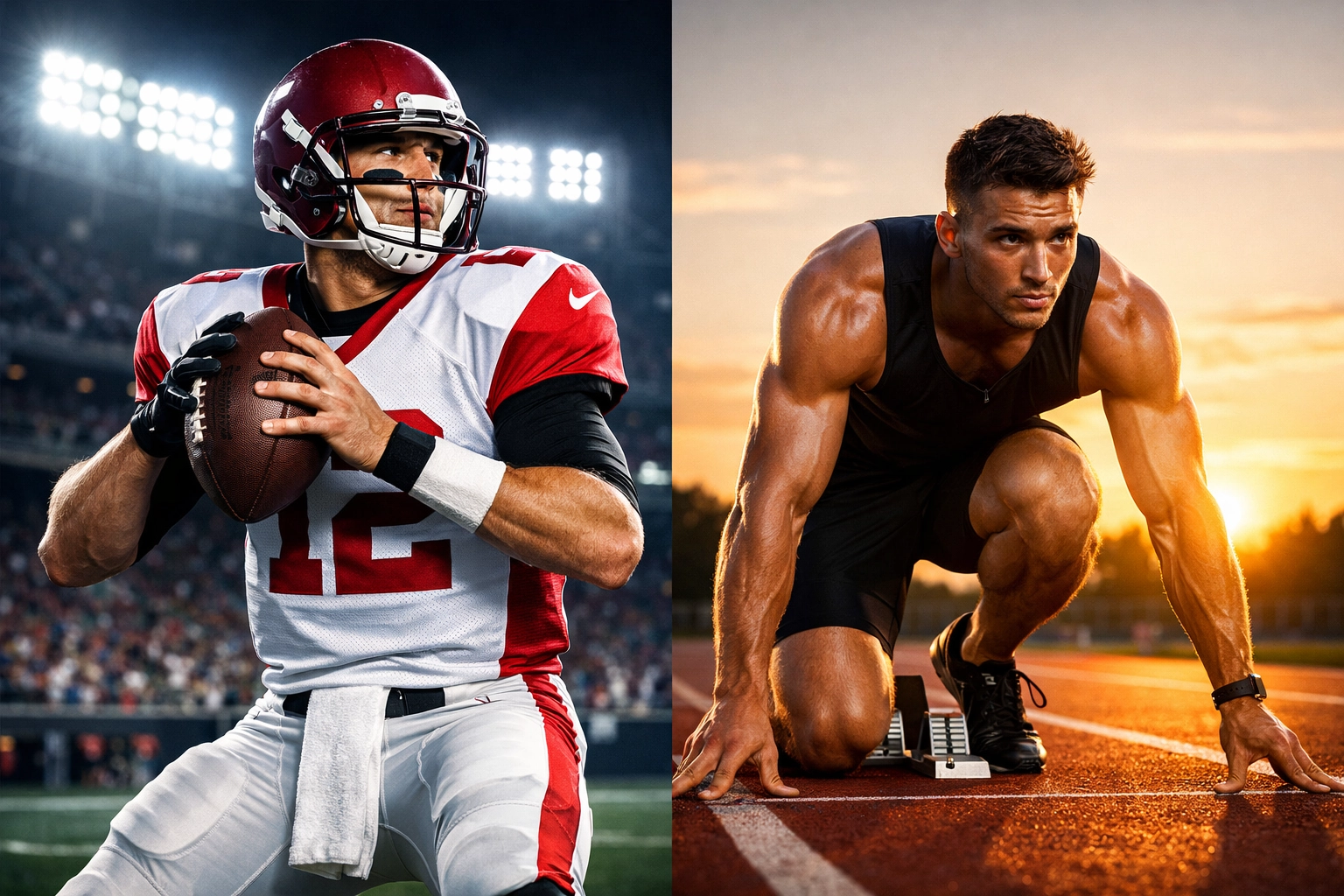
Brand managers naturally gravitate toward Heisman contenders and national championship teams. While these athletes deliver reach, Fortune 100 brands often overlook the strategic value of partnerships with athletes in non-revenue sports or smaller programs.
The Fix: Diversify your NIL portfolio. A track athlete with 50,000 highly engaged followers in a specific demographic may deliver better ROI than a quarterback with 500,000 followers spread across broad audiences. During Super Bowl week, when attention spans fragment across hundreds of competing activations, niche influence often outperforms broad reach. Consider athletes whose personal brands align with specific product lines or regional markets rather than chasing the biggest names.
Mistake #4: Missing the Regional Marketing Advantage
Fortune 100 brands typically design Super Bowl campaigns for national reach, but NIL partnerships unlock hyper-local marketing opportunities that traditional media cannot match.
The Fix: Map your NIL strategy to regional priorities. College athletes are community heroes in ways that professional athletes rarely achieve. A partnership with a beloved local athlete can drive measurable business results in key markets while national competitors waste millions on broad-reach Super Bowl spots. During game week, activate regional NIL partners to create ground-level buzz that complements national advertising rather than simply duplicating it.
Mistake #5: Underestimating Social Media Sophistication
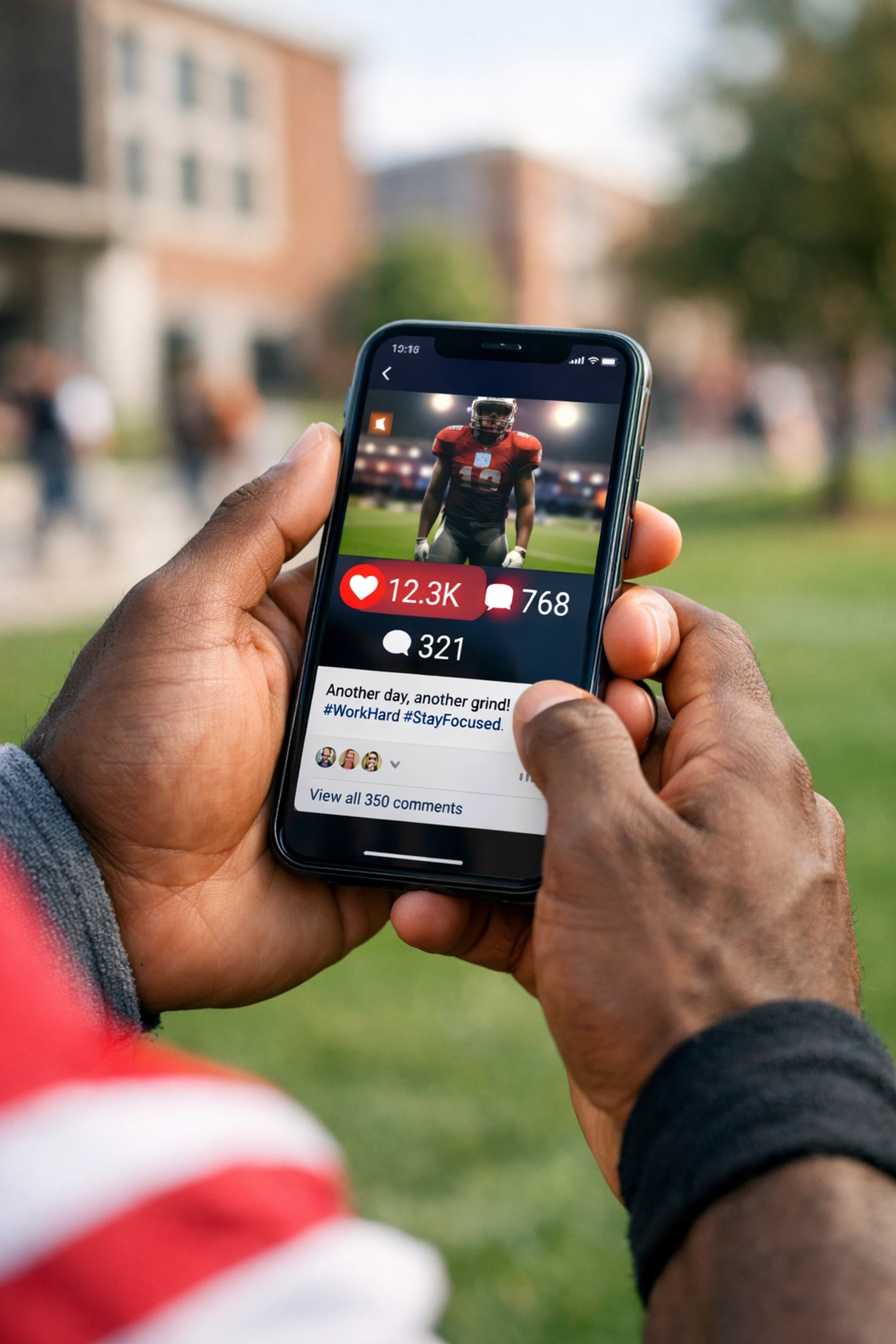
Corporate marketing teams often treat athlete social media presence as a bonus rather than the primary delivery mechanism. This represents a fundamental misunderstanding of how NIL partnerships create value.
The Fix: Structure NIL deals around social media amplification first, with traditional media as secondary. College athletes have spent years building authentic relationships with followers: their social channels aren't billboards for rent, they're communities. Successful Super Bowl-season NIL activations give athletes creative freedom to integrate brand messages into their existing content strategies. Provide brand guidelines, campaign objectives, and creative assets, then trust athletes to deliver messages in ways that resonate with their specific audiences.
Mistake #6: Ignoring Long-Term Relationship Building
Fortune 100 brands frequently approach NIL as transactional: pay for posts, receive content, move on. This short-term thinking misses the compounding value of sustained partnerships.
The Fix: Think beyond single campaigns. Athletes who become genuine brand advocates deliver exponentially more value than those executing one-off partnerships. Start relationship-building now, even if Super Bowl activation is your immediate goal. Athletes who feel invested in brand success will proactively create content, defend brands during crises, and provide authentic testimonials that money cannot buy. The most sophisticated brands are building three-to-five-year NIL strategies that develop college athletes into long-term brand ambassadors, potentially continuing partnerships as they turn professional.
Mistake #7: Failing to Establish Proper Success Metrics
Most Fortune 100 brands measure NIL partnerships using the same KPIs applied to celebrity endorsements: reach, impressions, and engagement. While these metrics matter, they fail to capture the unique value that college athlete partnerships provide.
The Fix: Develop NIL-specific measurement frameworks. Track community sentiment shifts, brand affinity among specific demographics, and conversion data from athlete-generated content. During Super Bowl week, when attribution becomes challenging amid saturated marketing environments, pre-established measurement systems become essential. Consider metrics like athlete audience overlap with target customers, message authenticity scores from sentiment analysis, and long-term brand recall compared to traditional advertising spend.
The Path Forward: Strategic NIL Integration
Fortune 100 brands that master NIL partnerships before Super Bowl LX won't just execute successful campaigns this year: they'll establish competitive advantages that compound over time. As college sports continue to professionalize and athlete personal brands grow more sophisticated, the gap between brands who understand this space and those still applying outdated models will widen dramatically.
The opportunity extends beyond marketing efficiency. NIL partnerships allow Fortune 100 brands to demonstrate genuine support for athlete welfare, align with younger consumers' values around compensation fairness, and build authentic connections with communities that traditional advertising cannot reach.
Super Bowl 2026 represents a pivotal moment. Brands investing now in sophisticated NIL strategies will shape the future of sports marketing. Those treating college athlete partnerships as afterthoughts or applying professional sports playbooks to fundamentally different relationships will watch competitors capture audiences, markets, and cultural relevance they cannot match.
The game has changed. The brands that recognize this shift and adapt their strategies accordingly won't just win Super Bowl week: they'll redefine sports marketing for the next decade.
USA Entertainment Ventures LLC provides strategic consulting for Fortune 100 brands navigating the evolving sports marketing landscape. Learn more about our approach to NIL strategy and sports entertainment partnerships.