
Super Bowl LX in February 2026 drew over 115 million viewers and generated an estimated $600 million in advertising revenue. While most brands focused their budgets on those coveted 30-second TV spots, a critical battleground went overlooked: the out-of-home (OOH) advertising environment surrounding the game itself.
The results were telling. Major brands invested millions in Super Bowl commercials yet failed to create a cohesive physical presence in the markets where their audiences actually lived, worked, and traveled. Meanwhile, innovative partners like Sporttron Digital Network demonstrated how strategic OOH placement could amplify campaign impact far beyond the broadcast window.
This disparity in approach revealed seven fundamental mistakes that even sophisticated marketing teams made during the biggest advertising event of the year: and more importantly, what brands should consider for future high-stakes campaigns.
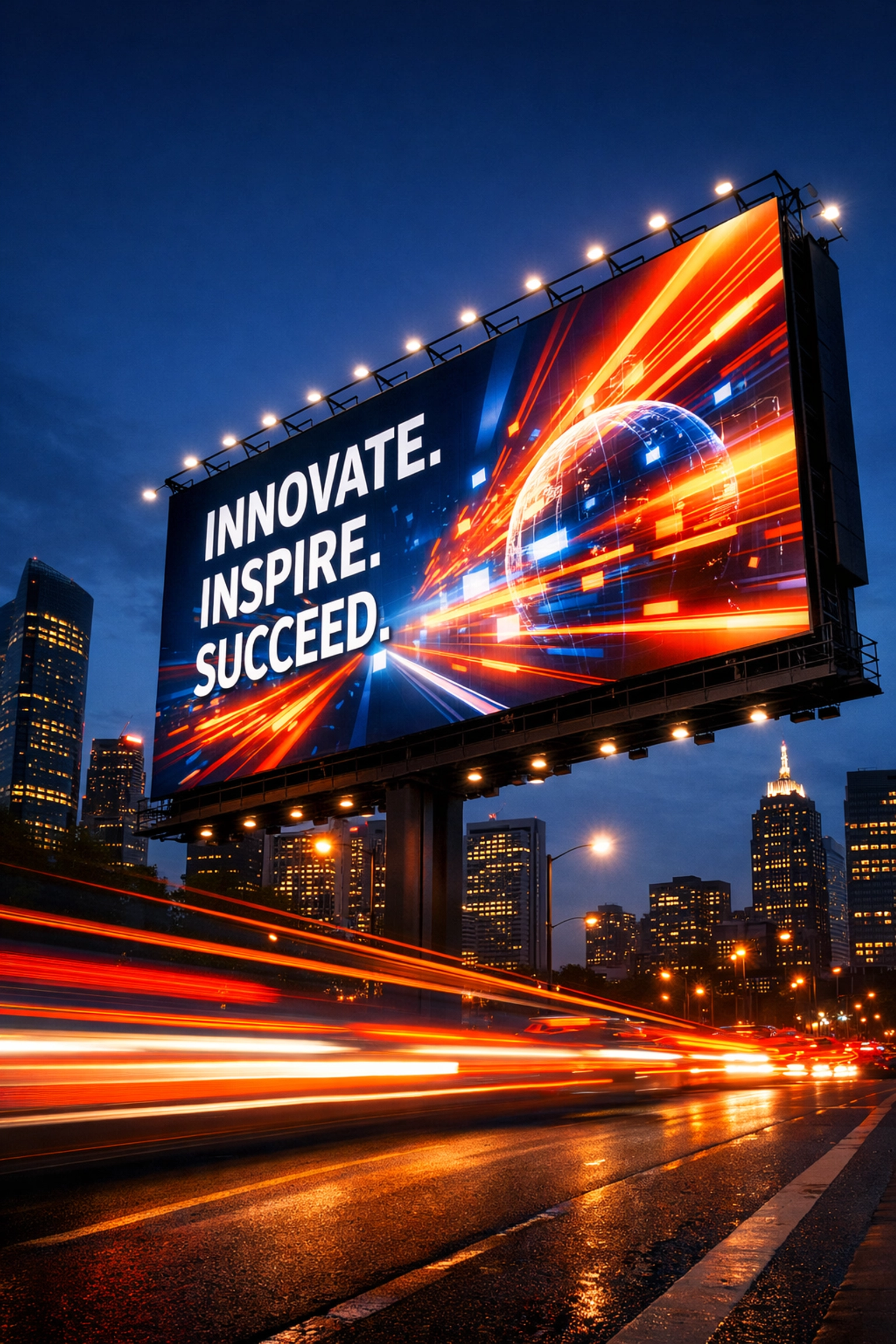
Mistake #1: Treating OOH as an Afterthought
The first and most consequential error was relegating out-of-home advertising to a secondary consideration. Brands allocated 80-90% of their Super Bowl budgets to broadcast media while treating physical advertising as merely supplementary. This backward approach ignored a fundamental reality: viewers spend only a few hours watching the game but weeks encountering outdoor messaging in their daily routines.
Industry research indicates that effective OOH campaigns require lead times of 30-45 days for optimal placement and audience exposure. Many brands finalized their outdoor strategies just days before kickoff, resulting in suboptimal locations and missed opportunities for sustained engagement.
Mistake #2: Geographic Tunnel Vision
Major advertisers concentrated their OOH efforts exclusively around the host city, missing the broader opportunity. While localized presence matters, Super Bowl audiences extend nationally. The game's cultural impact resonates in every major market, yet brands failed to activate coordinated campaigns across multiple cities.
This geographic myopia meant that a viewer in Denver or Phoenix who saw a brand's Super Bowl commercial encountered no reinforcing message in their physical environment. The disconnect between broadcast reach and OOH presence created a fragmented brand experience that diminished overall campaign effectiveness.
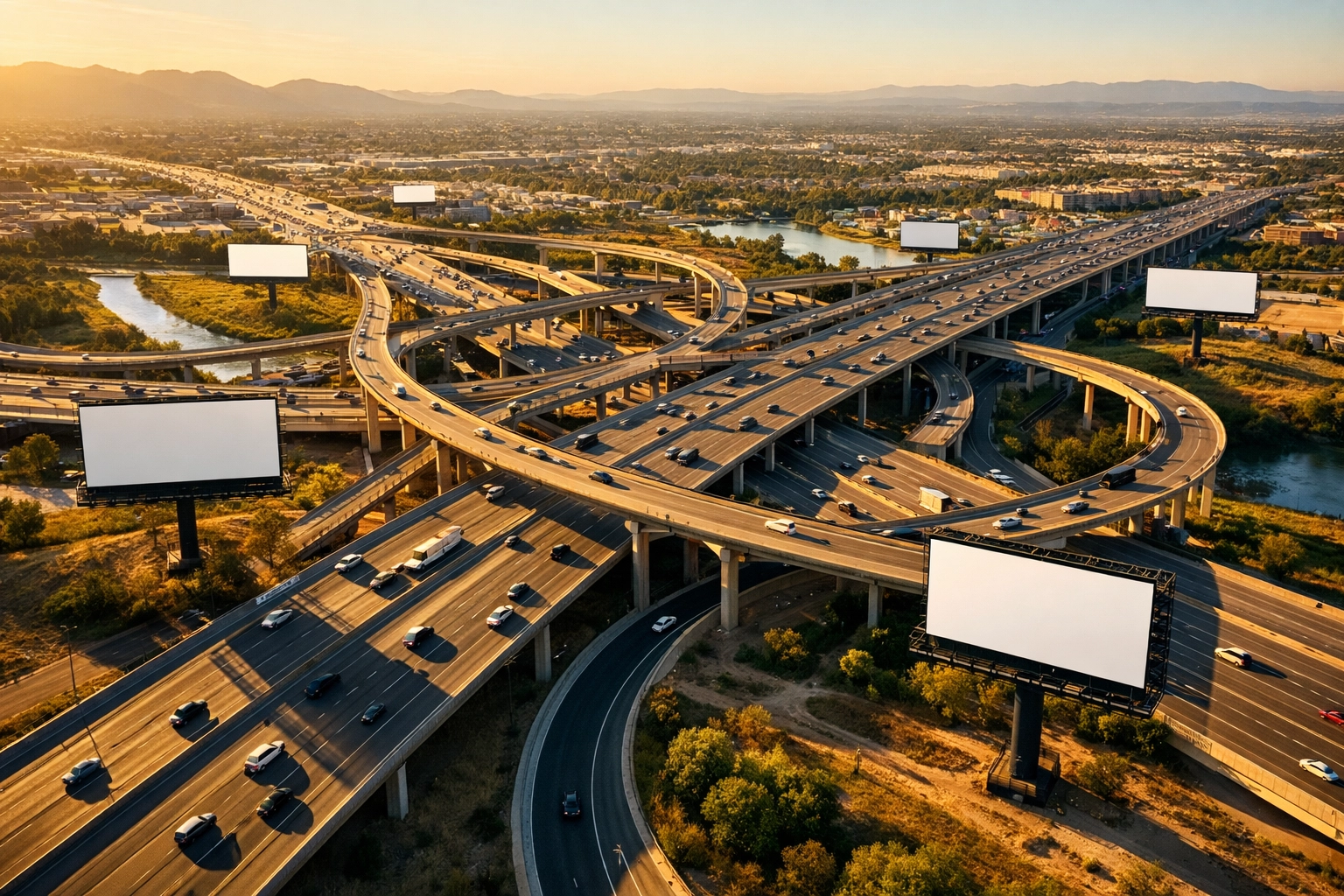
Mistake #3: Static Content in a Dynamic Environment
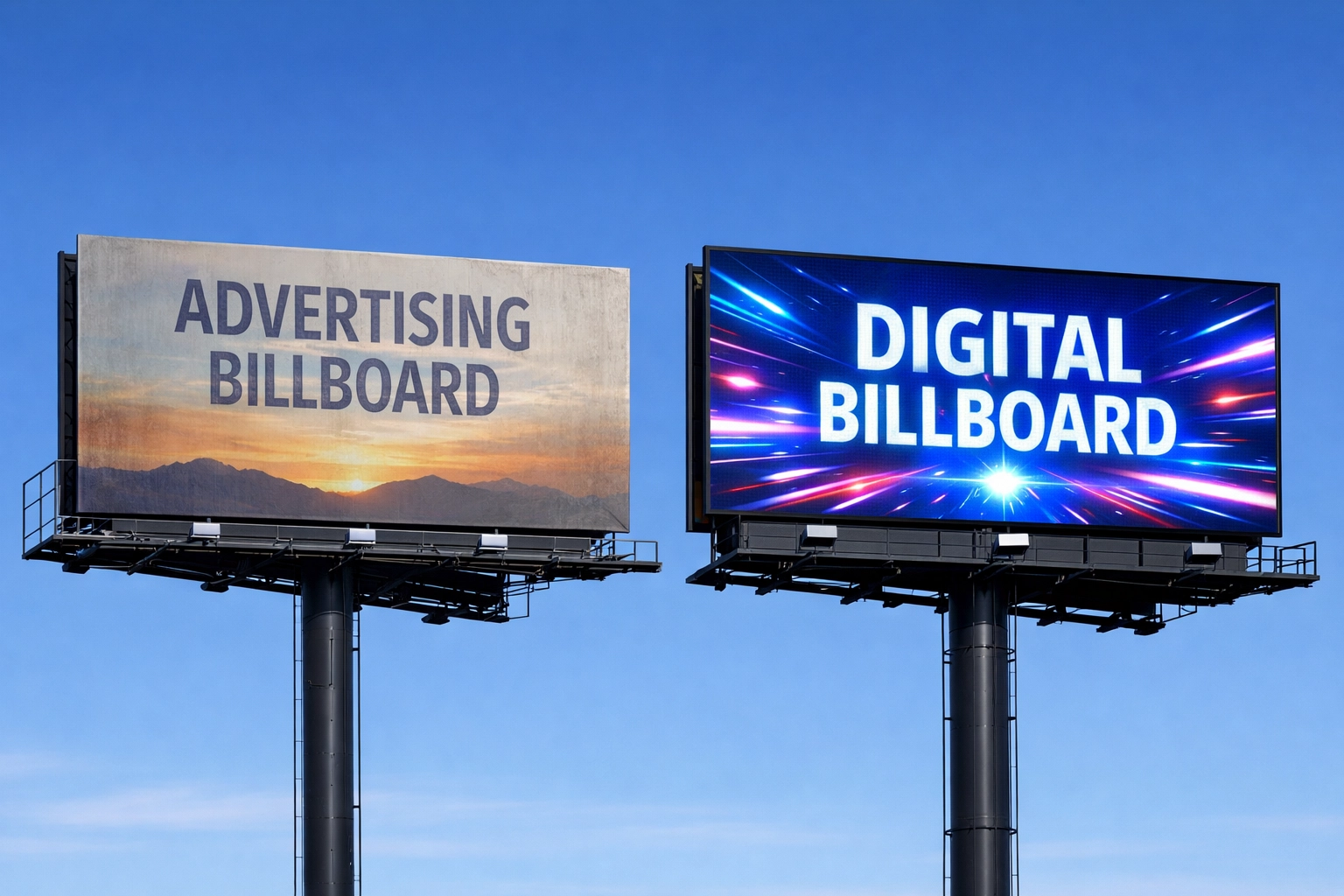
Traditional static billboards dominated brand OOH strategies, despite the availability of dynamic digital networks. Static creative cannot adapt to real-time game developments, cultural moments, or shifting audience sentiment. This inflexibility proved particularly costly during Super Bowl LX, where several unexpected game moments and cultural conversations emerged that nimble brands could have leveraged.
Digital OOH networks offer the capability to update messaging instantly, respond to trending topics, and optimize creative based on performance data. Brands that relied solely on printed billboards essentially ran 1990s campaigns in a 2026 media environment.
Mistake #4: Ignoring Dwell Time and Context
Effective OOH advertising accounts for where and how audiences encounter messaging. Many brands placed creative in high-traffic corridors where viewers passed at 60 miles per hour, using messaging designed for leisurely consumption. The mismatch between creative complexity and audience dwell time resulted in ineffective communication.
Research from the Out of Home Advertising Association of America shows that viewers spend an average of 3-7 seconds processing highway billboards. Yet numerous Super Bowl campaigns featured dense copy, multiple calls-to-action, and complex visual narratives better suited for magazine spreads. The fundamental rule of outdoor advertising: communicate one clear idea quickly: was repeatedly violated.
Mistake #5: Failing to Integrate Digital and Physical Touchpoints
The most sophisticated Super Bowl campaigns created seamless experiences across multiple channels. However, many brands treated their OOH presence as isolated from digital strategies. QR codes, social media handles, and mobile-optimized landing pages were either absent or poorly implemented in outdoor creative.
This integration gap meant that even when OOH advertising successfully captured attention, brands provided no frictionless path for audiences to take immediate action. In an era where smartphone penetration exceeds 85% and consumers expect instant gratification, this represented a fundamental strategic failure.
Mistake #6: Unclear Messaging and Brand Confusion
The same clarity issues that plagued Super Bowl commercials: documented in campaigns from Coinbase and Ai.com that received failing grades for unclear messaging: extended to OOH executions. Advertising experts emphasize that "a Super Bowl spot is about building the business and building the brand: you have to be clear about what the product is and why someone should buy it." This principle applies equally to outdoor advertising.
Multiple brands used creative concepts that seemed clever in boardroom presentations but left everyday viewers confused about the product, the value proposition, or even which brand was advertising. Successful campaigns like Anthropic's Claude chatbot, Levi's jeans, and TurboTax succeeded precisely because they communicated clear, simple messages that viewers could immediately understand and remember.
Mistake #7: No Measurement Strategy
Perhaps most surprisingly, major brands invested millions in OOH placements without establishing clear metrics for success. Unlike digital advertising with its granular analytics, OOH requires intentional measurement frameworks. Brands that failed to implement trackable elements: unique URLs, promotional codes, or attribution studies: had no way to assess return on investment or optimize future campaigns.
This measurement gap perpetuates ineffective spending patterns. Without data showing which locations, creative approaches, and messaging strategies drive results, brands continue making decisions based on intuition rather than evidence.

How Sporttron Got It Right
While major brands stumbled, the Sporttron Digital Network demonstrated a fundamentally different approach to Super Bowl OOH advertising. Their strategy centered on three core principles: strategic geographic distribution, dynamic digital capabilities, and environmental ownership.
Rather than concentrating efforts in a single market, Sporttron activated coordinated campaigns across multiple high-value locations. Their digital network infrastructure enabled real-time creative updates and responsive messaging that evolved with cultural conversations around the game. Most importantly, they understood that effective OOH advertising doesn't interrupt the environment: it owns it.
This video showcases how Sporttron's approach created immersive brand experiences that extended far beyond traditional billboard placements:
The results speak clearly. While brands running traditional OOH campaigns struggled to demonstrate impact, Sporttron partners achieved measurable increases in brand awareness, consideration, and conversion across their target markets. The difference wasn't budget size: it was strategic sophistication.
Looking Forward: The Future of Event-Based OOH
Super Bowl 2026 revealed that the gap between best-in-class OOH strategy and common practice remains substantial. As brands plan for future high-stakes events, several considerations should guide their approach.
First, OOH deserves strategic priority equal to broadcast media. Physical advertising creates sustained presence that extends campaign impact before, during, and after the event itself. Second, digital capabilities are no longer optional: they're essential for responsive, optimized campaigns in real-time environments. Third, measurement frameworks must be built into campaigns from inception, not retrofitted afterward.
The brands that will dominate future Super Bowl marketing cycles are those learning from 2026's lessons. They'll treat out-of-home advertising as a strategic cornerstone rather than a tactical supplement. They'll leverage digital networks that offer flexibility and responsiveness. And they'll understand that in an attention-scarce environment, owning the physical space where audiences live and move creates competitive advantage that broadcast media alone cannot deliver.
For organizations seeking to maximize impact in crowded advertising environments, the path forward is clear: integrate sophisticated OOH strategies that leverage digital capabilities, prioritize geographic distribution, and maintain unwavering focus on clear, actionable messaging. The alternative is spending millions to be forgotten the moment the game ends.