
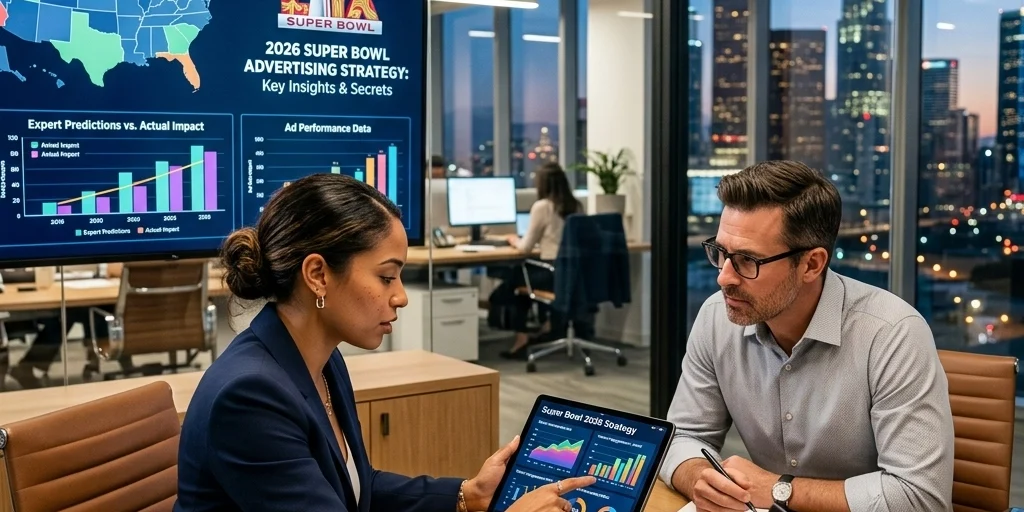
The dust has finally settled on Super Bowl 2026. While the cheers from the stadium have faded, the data from the boardroom is just beginning to tell a fascinating story. For decades, the narrative surrounding the "Big Game" has focused almost exclusively on the creative merit of 30-second television spots. However, this year revealed a paradigm shift that industry insiders have whispered about for years: the traditional television commercial is no longer the hero: it is merely the catalyst.
At USA Entertainment Ventures LLC, we have monitored the trajectory of sports media for years. What we witnessed in 2026 was the culmination of a decade-long transition from "interruption marketing" to "ecosystem integration." For brands that spent upwards of $8 million for a single half-minute of airtime, the success was not determined by the punchline of a joke, but by the sophistication of the digital infrastructure surrounding it.
The $8 Million Mirage: Why Airtime is Only the Beginning
In 2026, the cost of a 30-second commercial reached record heights, fluctuating between $7.5 million and $8.2 million depending on the slot. To the casual observer, this seems like an exorbitant gamble. To the expert, it is an entry fee into a high-stakes data-gathering exercise.
The "secret" that many advertising agencies hesitate to highlight is that the primary value of a Super Bowl ad is no longer the immediate reach of the broadcast audience. Instead, it is the creation of a massive "retargeting pool." When a brand captures the attention of 100 million viewers simultaneously, they aren't just selling a product; they are tagging millions of devices with cookies and digital identifiers that allow for precision marketing for the next six months.

The Three-Phase Strategic Framework
Experts who consistently deliver ROI on Big Game spends utilize a three-phase strategy. This framework, often referred to as "The Super Bowl Playbook," ensures that the investment lives long after the final whistle.
Phase 1: The Pre-Game Build (January 15 – February 7)
The most successful brands in 2026 didn't wait for kickoff to start their campaigns. They utilized "teaser" content to build narrative momentum. By using digital out-of-home (OOH) displays and social media snippets, brands established a "frequency of message" that made the actual Super Bowl ad feel like a season finale rather than a premiere.
Phase 2: The Game-Day Ecosystem
During the game, the strategy shifted to multi-screen dominance. Statistics show that over 80% of Super Bowl viewers engage with a second screen: typically a smartphone: during the broadcast. The secret to 2026 was "Contextual Syncing." When an ad aired on TV, AI-driven algorithms simultaneously pushed related content, discount codes, or interactive AR experiences to the social feeds of those same viewers.
Phase 3: The Post-Game Saturation (February 9 – February 15)
The week following the Super Bowl is often where the real profit is made. While competitors stopped spending once the game ended, the winners of 2026 leaned into "Search Momentum." They saturated the digital space when consumers were searching for "best ads" or "Super Bowl highlights," effectively capturing the "long tail" of the cultural conversation.
AI-Driven Personalization: The Silent Powerhouse
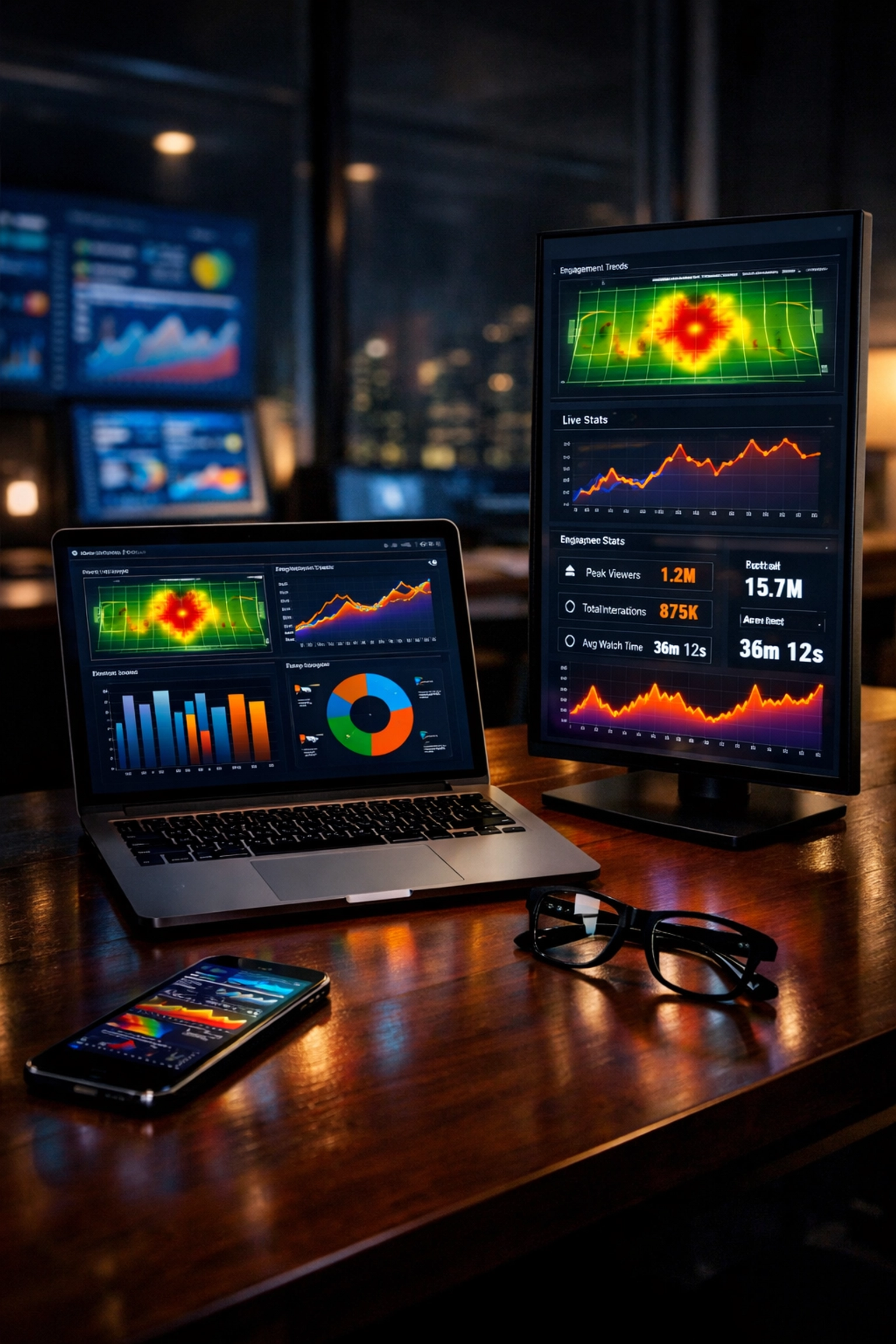
One of the most guarded secrets of the 2026 advertising cycle was the use of Agentic Marketing and AI-driven personalization. While the television audience saw a "general" version of a commercial, digital viewers on streaming platforms saw versions of the same ad tailored to their specific demographics.
For example, a beverage company might have used the same celebrity spokesperson in their Super Bowl spot, but the background setting, the featured product flavor, and the "call to action" varied based on whether the viewer was in a rural area or a major metropolitan hub. This level of variable data integration ensured that the $8 million investment wasn't a "one size fits all" approach, but a "one size fits millions" execution.
The Shift Toward Product-First Storytelling
For years, Super Bowl ads were dominated by "Celebrity for Celebrity's Sake." However, 2026 saw a return to product-first storytelling. Experts have found that while celebrities grab attention, they often overshadow the brand itself: a phenomenon known as "vampire creativity."
The most effective campaigns of the 2026 season focused on authentic connections. Take, for instance, the synergy between influencer culture and traditional fast food. By leveraging high-engagement influencers like Alix Earle, brands were able to generate double-digit growth in follower bases and engagement rates by focusing on the experience of the product rather than just a scripted joke. This transition toward authenticity is a cornerstone of modern Business Consulting in the entertainment space.
The Newsletter: The Super Bowl Playbook – Sports Media's Advertising Strategy
To truly understand the mechanics of these high-level moves, one must look at the technical breakdown of sports media. In our latest industry update, we dive deep into how these strategies are formed at the executive level.
Watching the visual evolution of these strategies is essential for any marketing professional or business owner looking to scale.
https://www.youtube.com/watch?v=l6J-0zileKE
Leveraging OOH and Digital Synergy
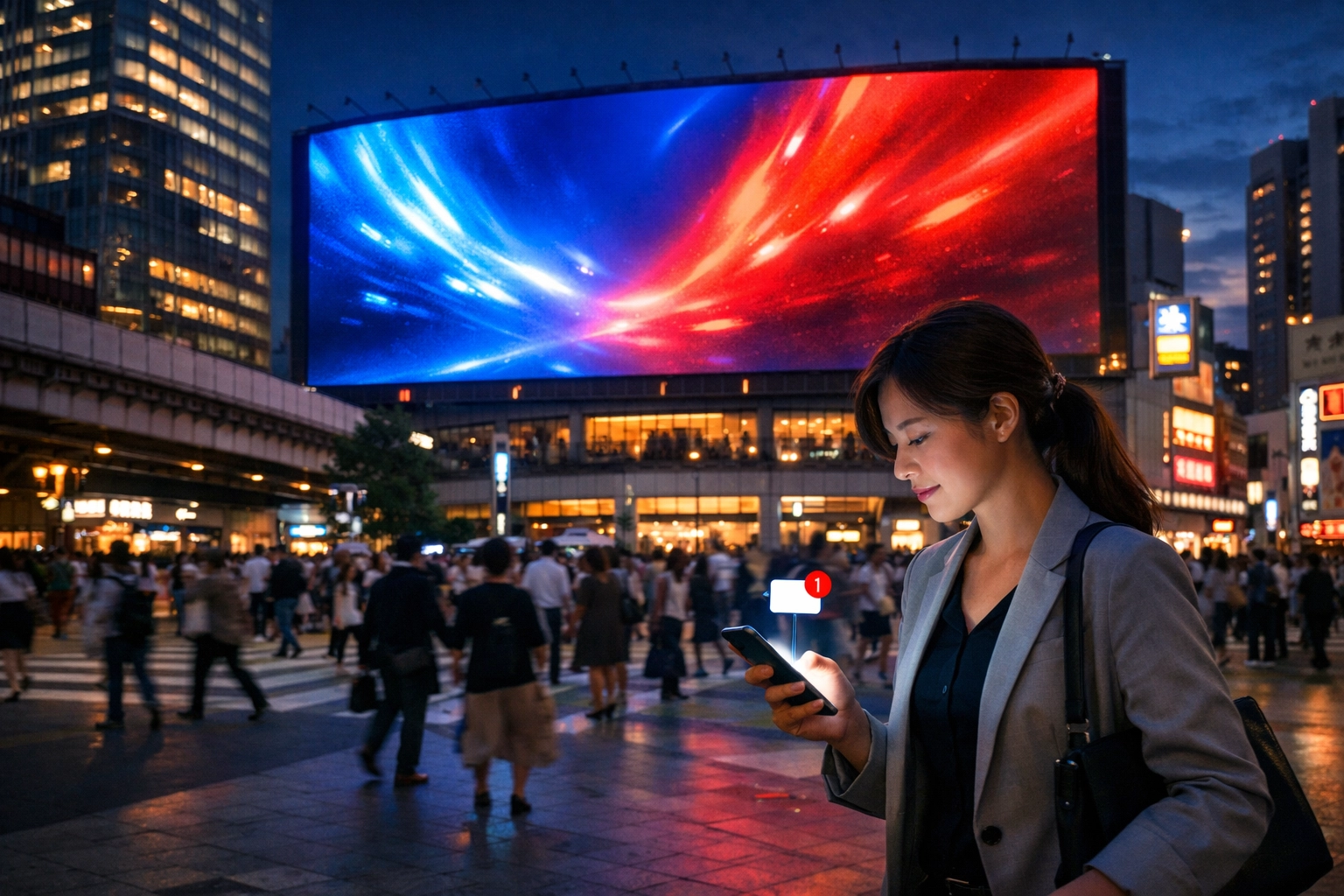
Another secret revealed in 2026 was the dominance of Out-of-Home (OOH) advertising in host cities. Brands essentially "blanketed" the physical environment of the Super Bowl with digital billboards and transit wraps. However, the secret sauce was the integration of mobile proximity messaging.
When a fan walked past a digital billboard for a specific brand, their mobile device would receive a low-energy Bluetooth or GPS-triggered notification that complemented the billboard's message. This created a localized "brand bubble" that made the company seem omnipresent. This level of Agency coordination is what separates the billion-dollar enterprises from the rest of the pack.
Actionable Takeaways for Every Business
You don't need an $8 million budget to use Super Bowl secrets. The principles of the 2026 strategy can be applied to businesses of any size:
- Stop Thinking in Single Events: Whether it’s a local festival or a national holiday, don’t just "run an ad." Create a pre-event, during-event, and post-event ecosystem.
- Focus on Contextual Relevance: Use data to ensure your message reaches people where they are. If your audience is on LinkedIn, don’t spend your entire budget on Instagram.
- Prioritize Authenticity Over Polish: High production value is nice, but a relatable, product-focused story often yields a higher conversion rate.
- Harness the Power of Retargeting: Use your initial "big splash" to identify interested customers, then use smaller, more affordable ads to follow up with them over time.
The Future of the "Big Game" Strategy
As we look toward 2027 and beyond, the integration of the "Physical" and "Digital" (often called Phygital) will only deepen. We expect to see more brands moving away from traditional 30-second spots entirely, opting instead for "Takeover" strategies that involve sponsoring every digital touchpoint of the fan experience: from the ticketing app to the stadium's Wi-Fi login screen.
The secrets of Super Bowl 2026 have taught us that the most successful advertising strategy is one that values the consumer's journey over the brand's ego. It is about being helpful, being relevant, and being present exactly when the consumer is ready to engage.
For those interested in exploring how these high-level entertainment strategies can be integrated into your own business model, we invite you to learn more about our About Us page or reach out via our Contact section.
The landscape of sports media is changing rapidly. Those who understand that the "Secret" isn't in the ad, but in the infrastructure, will be the ones who lead the market in the years to come. In the world of business consulting and entertainment ventures, the game is never really over; it’s just moving to the next phase.





