
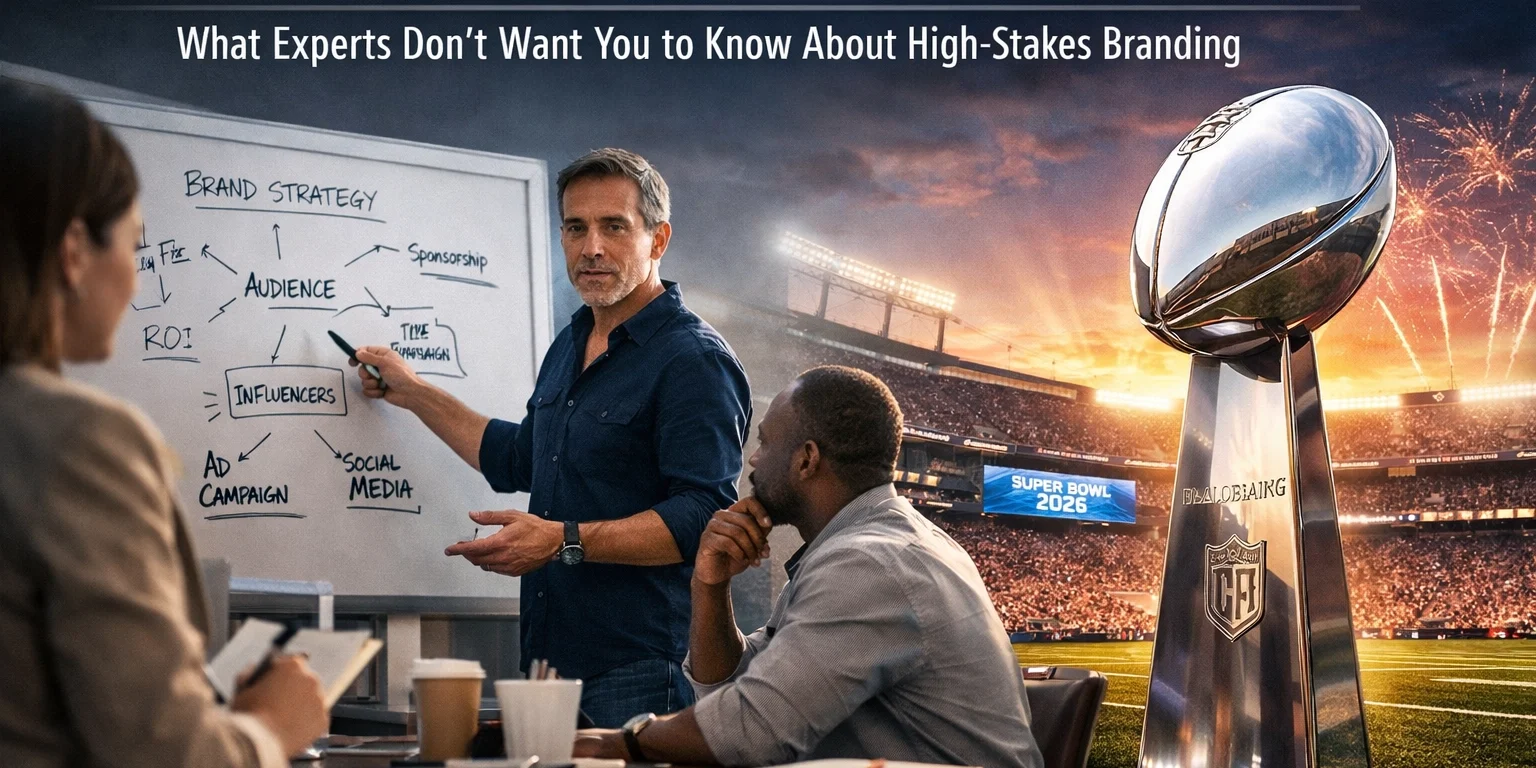
The dust has settled on Super Bowl LX, and the marketing world is still reeling from the shift in how brands approached the biggest stage in sports media. In years past, the "Super Bowl Ad" was a monolithic entity, a single, high-budget 30-second spot designed to capture lightning in a bottle. However, as we look back from the vantage point of March 2026, it is clear that the game has changed. The $7 million price tag for a broadcast spot is no longer the final cost of a campaign; it is merely the entry fee for a massive, multi-week marketing ecosystem.
At USA Entertainment Ventures LLC, we have observed that the most successful brands this year didn’t just buy airtime; they orchestrated a "surround sound" strategy that turned a fleeting moment into a sustained revenue driver. This approach requires a level of precision and foresight that goes beyond traditional creative execution. It demands a sophisticated understanding of high-stakes branding and the technical orchestration of digital, physical, and social touchpoints.
The Death of the One-Off Commercial
The most significant takeaway from the 2026 strategy shift is that the 30-second spot is no longer the centerpiece of a successful campaign. Instead, it serves as a high-profile "launch event" within a full-funnel marketing strategy. Industry experts have long hinted at this transition, but 2026 was the year it became a non-negotiable reality. Brands that treated their Super Bowl placement as a one-off event saw significantly lower returns on investment compared to those who activated their audience before, during, and long after the final whistle.
The real value proposition lies in how a brand uses that mass-market exposure to trigger a series of digital and physical interactions. This is what we call "surround sound" orchestration. When a brand spends $7 million on a spot, they must be prepared to spend significantly more on the infrastructure that supports it, from social media community management to AI-driven retargeting.

Product Clarity: The Secret Weapon of 2026
While high production value and celebrity cameos are staples of the Big Game, the true winners of 2026 were those who prioritized product clarity over abstract humor. In an era of shrinking attention spans and increased economic scrutiny, consumers responded best to brands that clearly demonstrated their value.
Take, for example, the success of campaigns that focused on "blind taste superiority" or specific functional benefits. When a brand uses humor to highlight a specific product feature, such as the precision of a delivery service or the reliability of a tech tool, the message sticks. Experts often want you to focus on the "viral" potential of a joke, but the data suggests that grounding that humor in a clear product insight is what actually moves the needle for business consulting and consumer goods alike.
The Super Bowl Playbook – Sports Media's Advertising Strategy
To understand the mechanics behind these high-stakes decisions, it is essential to look at the broader sports media landscape. The "Super Bowl Playbook" is no longer a secret held by a few elite agencies; it is a data-driven methodology that blends traditional media with cutting-edge technology.
Below is a deep dive into the strategies that defined the 2026 season:
https://www.youtube.com/watch?v=l6J-0zileKE
As highlighted in the video, the integration of video content and real-time engagement is a cornerstone of modern branding. Brands are now using their commercials as invitations to action rather than simple awareness-only moments. Whether it is a QR code leading to an exclusive digital experience or a partnership with major content creators, the goal is to move the viewer from a passive observer to an active participant.

Strategic Tactics That Delivered Results
In our showcase, we analyze how specific tactics outperformed general awareness plays. Here are the core pillars of the 2026 strategy:
- Teaser Content and Early Priming: The campaign doesn't start on Sunday. Winning brands released cutdowns and teasers on TikTok, YouTube, and Meta weeks in advance. This builds anticipation and ensures that when the commercial finally airs, the audience is already "primed" to recognize the brand and its message.
- Creator Partnerships: This year saw a massive increase in brands co-creating content with influencers and digital creators. These partnerships allow brands to enter specific communities with a level of authenticity that a traditional commercial cannot achieve. These integrations often included trackable performance metrics, making the ROI much clearer than broadcast numbers alone.
- AI-Driven Personalization: Behind the scenes, predictive analytics played a massive role. Brands used AI to place contextually relevant digital ads within a consumer’s natural browsing patterns in the lead-up to the game. This ensured that by the time the Super Bowl spot aired, the consumer had already seen the brand multiple times in a personalized context.
- Post-Game Persistence: The momentum of a Super Bowl spot must be maintained through the first quarter of the year. Successful brands followed up with aggressive email campaigns and retargeting efforts that converted the initial "spike" in awareness into sustained revenue lift.
The Tone Shift: Emotional Safety and Accessibility
In terms of creative direction, 2026 saw a notable shift away from provocative or polarizing content. Instead, the most effective brands leaned into "emotional safety" and accessibility. In a complex global environment, consumers gravitating toward brands that offered a sense of reliability and nostalgia.
Nostalgia, when used correctly, acts as a bridge between the familiar and the innovative. It creates an emotional anchor that allows a brand to introduce new technologies or services without alienating their core audience. This focus on relatability over category disruption was a calculated move to mitigate the high risks associated with $7 million investments.

Action as the New Metric
One of the "secrets" the industry rarely discusses is the shift in how success is measured. While "reach" and "impressions" are still reported, the real metric of 2026 was action.
For instance, we saw major tech firms partnering with digital creators for multi-million dollar "treasure hunts" or interactive challenges tied to their software platforms. In these cases, the commercial was simply the starting line. The true success was measured by how many people downloaded an app, joined a platform, or used a specific tool in the hours following the broadcast. This transformation of advertising into an activation mechanism is the hallmark of modern high-stakes branding.
Future-Proofing Your Brand
What does this mean for businesses that aren't quite ready to drop $7 million on a 30-second spot? The lessons of Super Bowl 2026 are applicable across all levels of marketing. The shift toward multi-channel ecosystems, the importance of product clarity, and the need for personalized engagement are universal trends.
At USA Entertainment Ventures LLC, we believe that every brand, regardless of size, can benefit from the "surround sound" approach. It is about creating a cohesive narrative that spans different platforms and keeps the consumer engaged over time. If you are looking to refine your own branding strategy, you can explore our agency resources or contact us to discuss how these high-stakes secrets can be scaled for your business.

Conclusion: The Road Ahead
As we look toward the future of sports media and advertising, the integration of technology and storytelling will only deepen. The Super Bowl will remain the premier stage for American branding, but the strategies used to conquer that stage will continue to evolve.
The winners of 2026 proved that success isn't just about having the loudest voice for 30 seconds; it's about having the most consistent presence across the entire consumer journey. By focusing on product clarity, emotional resonance, and actionable engagement, brands can turn a high-stakes gamble into a calculated victory.
For those interested in the details of our operations or more about our team, please visit our about us page or check our q-a section for common industry inquiries. The landscape of entertainment and business is changing rapidly, and staying informed is the first step toward leadership in the market.





