

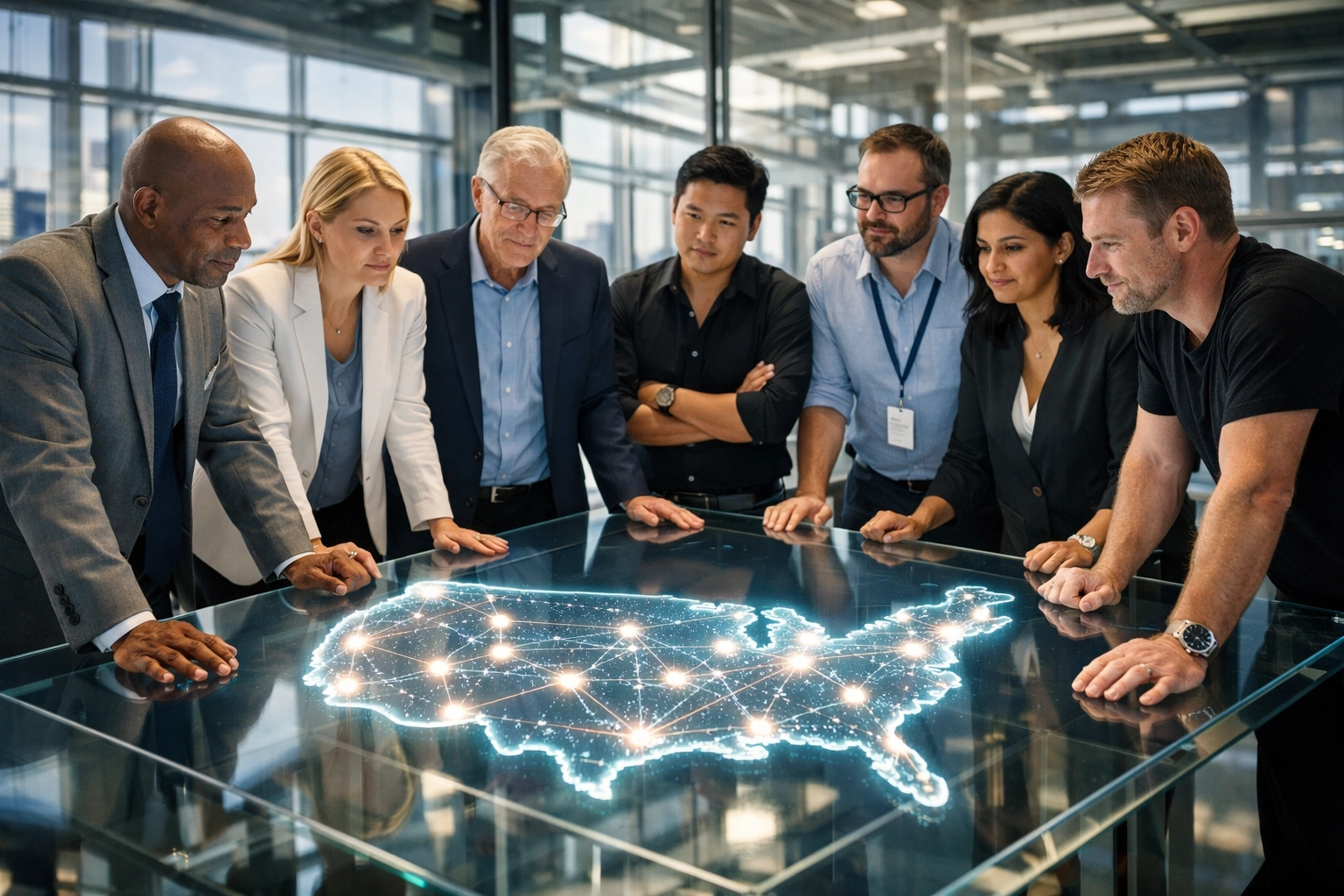
In the current economic landscape of April 2026, the primary bottleneck for Fortune 100 growth is no longer capital or consumer demand: it is the availability of a technologically literate, adaptable workforce. As traditional education systems struggle to keep pace with the exponential growth of Artificial Intelligence and cloud-based operations, a new paradigm has emerged: National Workforce Infrastructure.
For the modern executive, understanding this shift is not merely a matter of human resources; it is a matter of strategic supply chain management. Just as a corporation requires physical infrastructure: roads, ports, and power grids: to move goods, it requires a "Career-Ready Infrastructure" to cultivate and deploy human capital at scale.
The Paradigm Shift: From Training to Infrastructure
Historically, workforce development has been viewed as a series of isolated "job training" programs. These programs were often reactive, designed to fill specific roles after a labor shortage had already impacted the bottom line. Today, the conversation has shifted toward a proactive, national infrastructure model.
This infrastructure is defined by its ability to systematically connect education, employment, and technological opportunity across state lines and industry verticals. According to the National Governors Association, successful workforce infrastructure requires a "statewide ecosystem to promote continuous lifelong learning" and the investment in an "agile, technologically resilient workforce."
For a Fortune 100 organization, this means looking beyond the next quarterly hiring goal. It involves participating in the rollout of physical and digital systems that ensure a steady pipeline of talent. This is the difference between buying water by the bottle and building a reservoir.
The Physical Distribution System for Human Capital
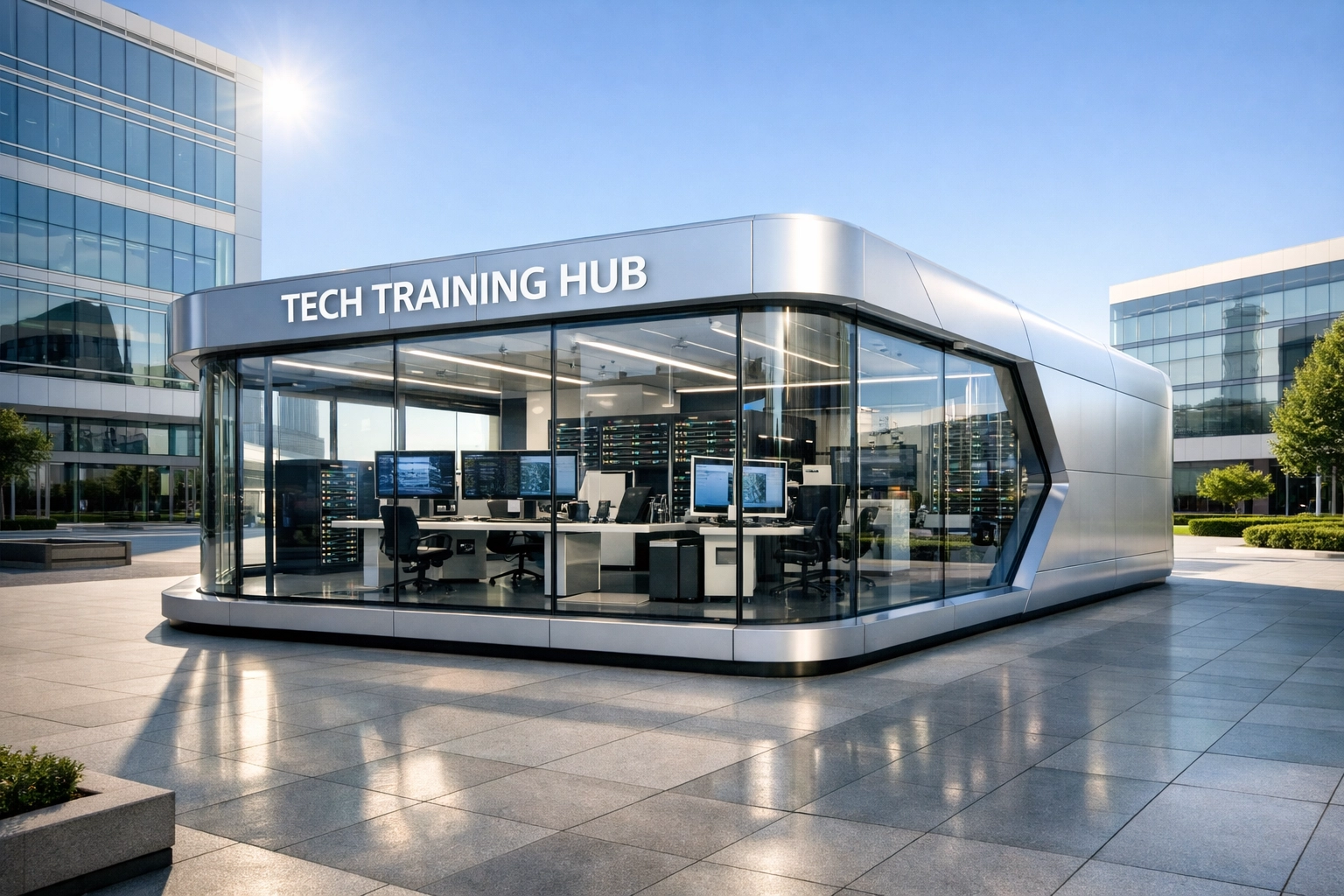
A critical, yet often overlooked, component of workforce development is the physical distribution system. Talent exists everywhere, but the infrastructure to nurture it does not. To achieve a national rollout of career-ready talent, the industry is moving toward localized hubs that serve as points of presence for high-level training.
These physical sites act as the "last mile" delivery for workforce development. By utilizing standardized distribution networks, companies can ensure that rural and underserved urban populations have access to the same cloud and AI tools as those in major tech hubs. This physical infrastructure includes:
- Mobile Training Units: Scalable, modular environments that bring high-tech hardware to the talent.
- Regional Innovation Centers: Hubs that facilitate apprenticeship programs and industry-informed credentialing.
- Synchronized Logistics: A nationwide network that ensures curriculum and hardware are updated simultaneously, maintaining a consistent standard of excellence across the country.
This logistical approach mirrors the distribution strategies of global retail and tech giants, treating "skill acquisition" as a deliverable product that must reach the end-user efficiently.
Esports: The 'Trojan Horse' for Cloud and AI Literacy
One of the most innovative strategies in the current workforce rollout is the use of competitive gaming, or esports, as a "Trojan Horse" for technical literacy. To the casual observer, esports is entertainment. To the strategic executive, esports is a high-performance training ground for the technologies that drive modern business.
The infrastructure required to run professional-level esports: low-latency cloud computing, real-time data analytics, and AI-driven performance tracking: is identical to the infrastructure used in high-frequency trading, logistics management, and remote surgical operations.
Why Esports Works for Workforce Development:
- Cloud Fluency: Participants must understand server architecture, latency management, and edge computing to compete at high levels.
- AI Integration: Modern gaming utilizes AI for everything from anti-cheat systems to strategic analysis, giving participants a natural intuition for interacting with complex algorithms.
- Data Literacy: The ability to interpret massive datasets in real-time is a core skill for both a professional gamer and a supply chain analyst.
By investing in esports-based infrastructure, organizations are effectively training the next generation of cloud architects and AI specialists under the guise of engagement and competition. This method bypasses the "friction" often associated with traditional technical education, creating a high-interest pathway into high-value careers.
Scaling Through Registered Apprenticeships (RA)
As the national goal moves toward a target of 1 million active apprentices, the Registered Apprenticeship (RA) model has become the gold standard for workforce scaling. The 2025 executive mandates established a clear framework for expanding these programs into non-traditional industries like cybersecurity, renewable energy, and AI management.
For the C-suite, the RA model offers a unique advantage: it allows for industry-informed credentials. Rather than relying on general degrees, companies can collaborate with national intermediaries to ensure that the skills being taught are the exact skills required on day one.
Recent reports from industry news outlets, such as ZooMedia News, highlight the success of these public-private partnerships. By streamlining fragmented systems and building a national intermediary infrastructure, employers can guide talent through program registration and administrative support with unprecedented speed.
The Executive Action Plan: 2026 and Beyond
For a Fortune 100 leader, the rollout of national workforce infrastructure presents a significant opportunity to secure a competitive advantage. Implementation requires a move away from "business as usual" toward a more integrated approach.
1. Invest in the Infrastructure, Not Just the Individual
Shift budget allocations from one-off training seminars to the development of permanent infrastructure. This includes supporting the physical hubs and digital platforms that enable continuous learning.
2. Leverage Emerging Gateways
Recognize the value of non-traditional pathways like esports and simulation-based learning. These are not distractions; they are the most efficient conduits for technical literacy in the current era. You can see how these initiatives are being integrated into broader portfolios at USA Entertainment Ventures Portfolio.
3. Standardize Through Collaboration
Fragmentation is the enemy of scale. Executives should advocate for national standards in credentialing and apprenticeship reciprocity. This ensures that a worker trained in Texas is equally ready to contribute to a facility in Michigan or a cloud-based project in California.

A Future-Focused Conclusion
The rollout of a national career-ready infrastructure is not a luxury; it is a systemic necessity. As we move further into 2026, the gap between organizations that have secured their talent supply chains and those that haven't will continue to widen.
By viewing workforce development through the lens of infrastructure: complete with physical distribution, innovative gateways like esports, and standardized apprenticeship models: American business can ensure its continued dominance on the global stage. The tools are available, the framework is set, and the physical distribution systems are in motion.
For those leading the charge, the message is clear: The future of work is not something we wait for; it is something we build. Leaders who wish to stay informed on the latest developments in this space can follow the USA Entertainment Ventures corporate updates to see how these rollouts are being managed at the highest levels of business consulting.

The convergence of technology, education, and logistics is creating a new era of opportunity. By adopting an executive mindset toward workforce infrastructure, Fortune 100 companies can turn the current talent shortage into their greatest long-term asset.





