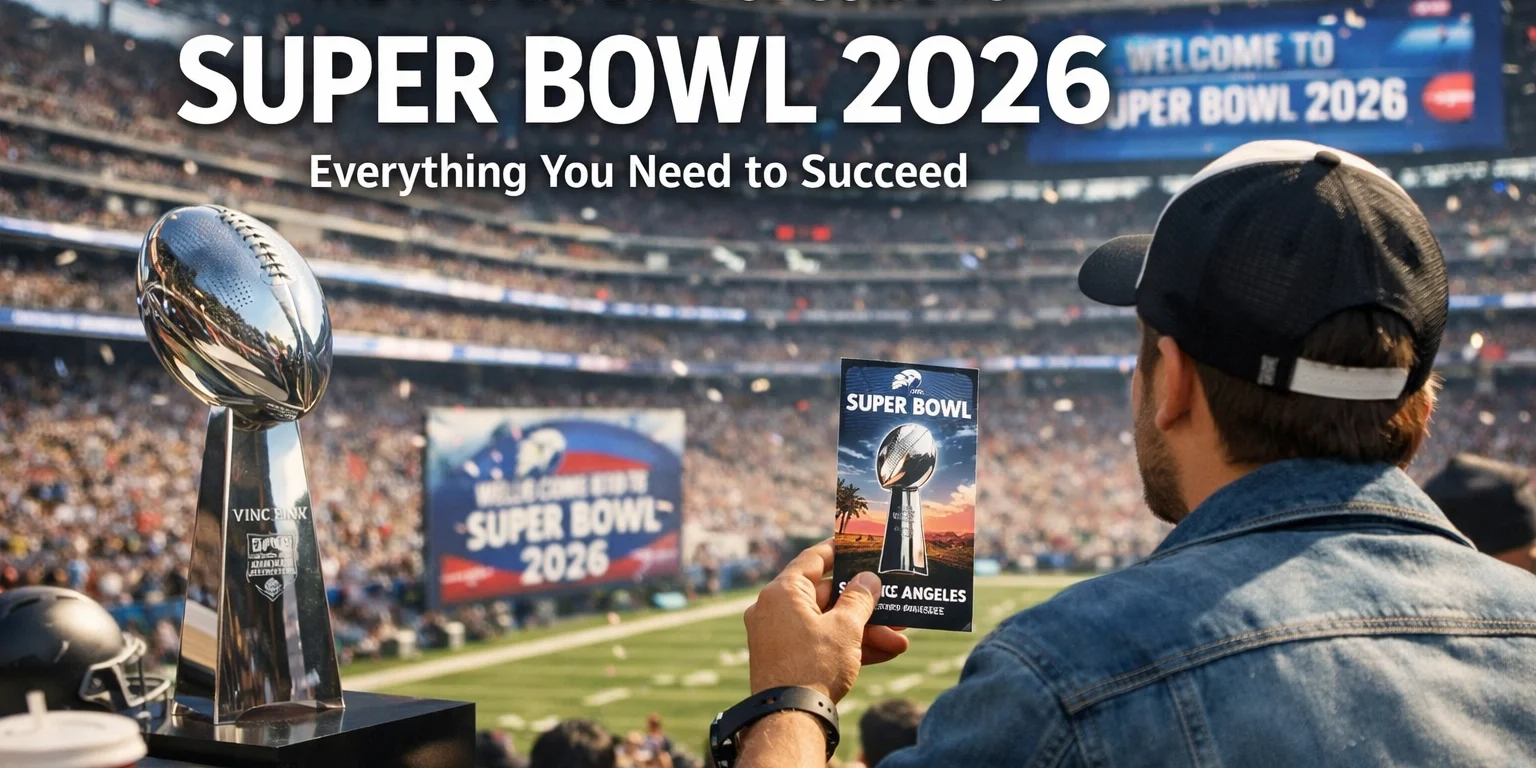
Super Bowl LX just wrapped up at Levi's Stadium in Santa Clara, California, and if you were lucky enough to attend: or if you're already planning for the next big game: you know that the Super Bowl is so much more than just three hours of football. It's an entire week of unforgettable experiences, immersive fan zones, and the kind of energy that only happens when sports, entertainment, and culture collide.
Whether you caught the game on February 8th or you're taking notes for future championship weekends, this guide breaks down everything that made Super Bowl Week 2026 a masterclass in fan engagement. From Opening Night to game day transportation, here's what worked, what attendees loved, and what you need to know to make the most of any Super Bowl experience.
The Video That Captures It All
Before we dive into the details, check out this video that perfectly encapsulates the energy and excitement of what makes Super Bowl week so special:
Watch here: https://www.youtube.com/watch?v=l6J-0zileKE
This video showcases the immersive experiences that modern sports events are all about: connecting fans to the action in ways that go far beyond the stadium seats.
Super Bowl Week: Five Days of Non-Stop Action
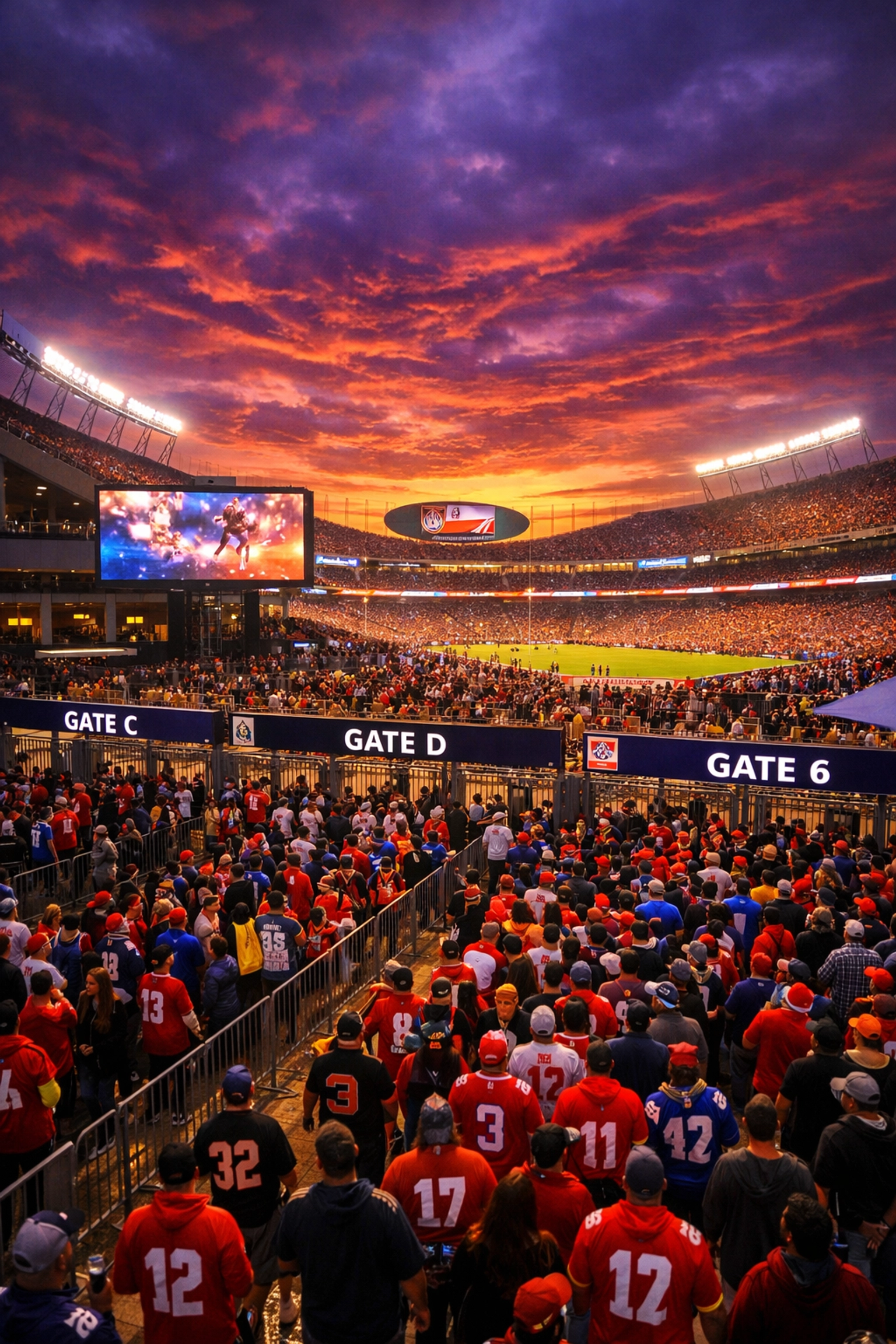
The NFL has evolved the Super Bowl into a destination experience that spans nearly a full week. From February 2nd through February 7th, the San Francisco Bay Area transformed into the epicenter of sports entertainment, offering something for every type of fan.
Opening Night set the tone immediately. The free-admission Super Bowl Opening Night Fueled by Gatorade at the San Jose Convention Center gave fans direct access to players and coaches from both teams. This wasn't a controlled, distant press conference: it was an interactive experience where fans could see their favorite athletes up close, ask questions, and feel genuinely connected to the teams competing for the championship.
Following Opening Night, San Jose's SoFA District hosted the Big Game Opening Night Concert and Opening Drone Show, creating a spectacular visual experience that merged technology with entertainment. These kinds of activations demonstrate how major sporting events are incorporating multiple dimensions of engagement rather than relying solely on the sport itself.
The Fan Zones: Where Community Met Competition
Three major fan zones defined the Super Bowl LX experience, each offering distinct flavors of engagement:
BAHC Live! San Francisco Fan Zone at Yerba Buena Gardens ran from February 3rd through the 7th, positioning itself as a community-centered celebration rather than a corporate showcase. With live music from Bay Area DJs, interactive art installations, local food vendors, and immersive activities, this zone connected the Super Bowl to the local culture of San Francisco. The extended hours: 3:00 PM to 10:00 PM on weekdays and 10:00 AM to 10:00 PM on Saturday: meant that fans with different schedules could participate.
This approach matters because it transforms a sports event into a cultural moment. Fans weren't just consuming NFL content; they were experiencing San Francisco's creative energy filtered through a football lens.
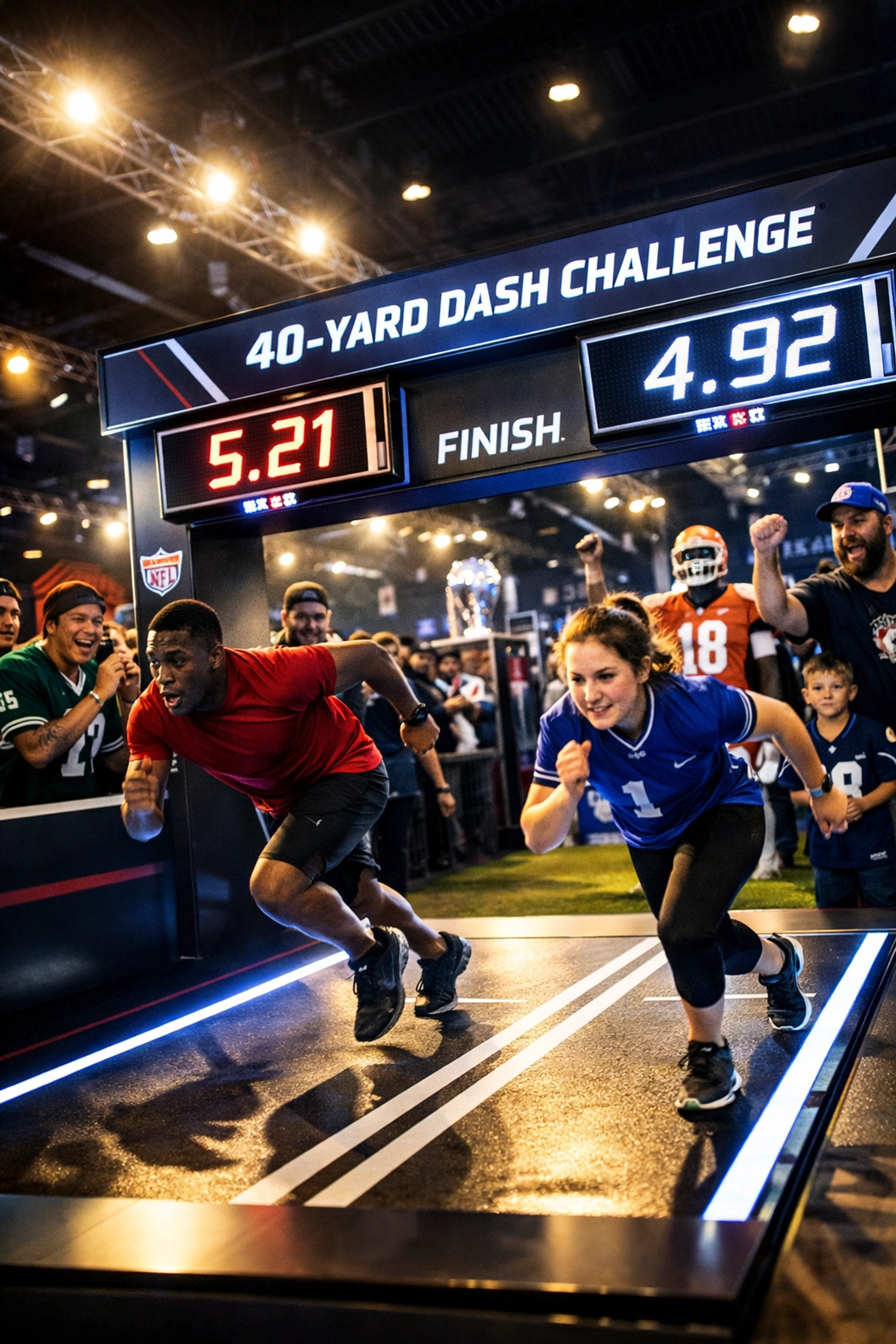
The Super Bowl Experience presented by Jersey Mike's at Moscone Center delivered the NFL's official family-friendly festival. This venue featured player appearances, an official NFL Shop, photo opportunities with the Vince Lombardi Trophy, and the chance to test your speed in a 40-yard dash against virtual NFL players. The memorabilia exhibits showcasing all 59 Super Bowl rings provided a tangible connection to the history and legacy of the championship.
For families attending Super Bowl Week, this zone served as an accessible entry point where younger fans could engage with the sport through interactive play rather than passive observation.
NFL Culture Club at The Pearl brought a four-day celebration of the intersection between sports, art, fashion, and community. Running from February 4th through the 7th, this activation acknowledged that the modern NFL fan cares about more than just X's and O's. They're interested in how football culture influences music, design, and creative expression.
The Pro Bowl Games: A New Format, A New Experience
The 2026 Pro Bowl Games marked a significant shift in how the NFL approaches its all-star event. Eighty-eight top players competed in a 7-on-7 flag football format, and for the first time, this event moved into Super Bowl Week itself on February 3rd.
This decision reflects a broader trend in sports: creating more touchpoints for fan engagement throughout the championship week rather than treating events as separate, disconnected moments. By integrating the Pro Bowl into Super Bowl Week, the NFL maximized attendance and attention, creating a fuller week of football celebration.
Getting There: Transportation That Actually Worked
One of the biggest challenges for any major sporting event is moving tens of thousands of fans to and from the venue efficiently. Super Bowl LX at Levi's Stadium benefited from Northern California's robust public transportation infrastructure.
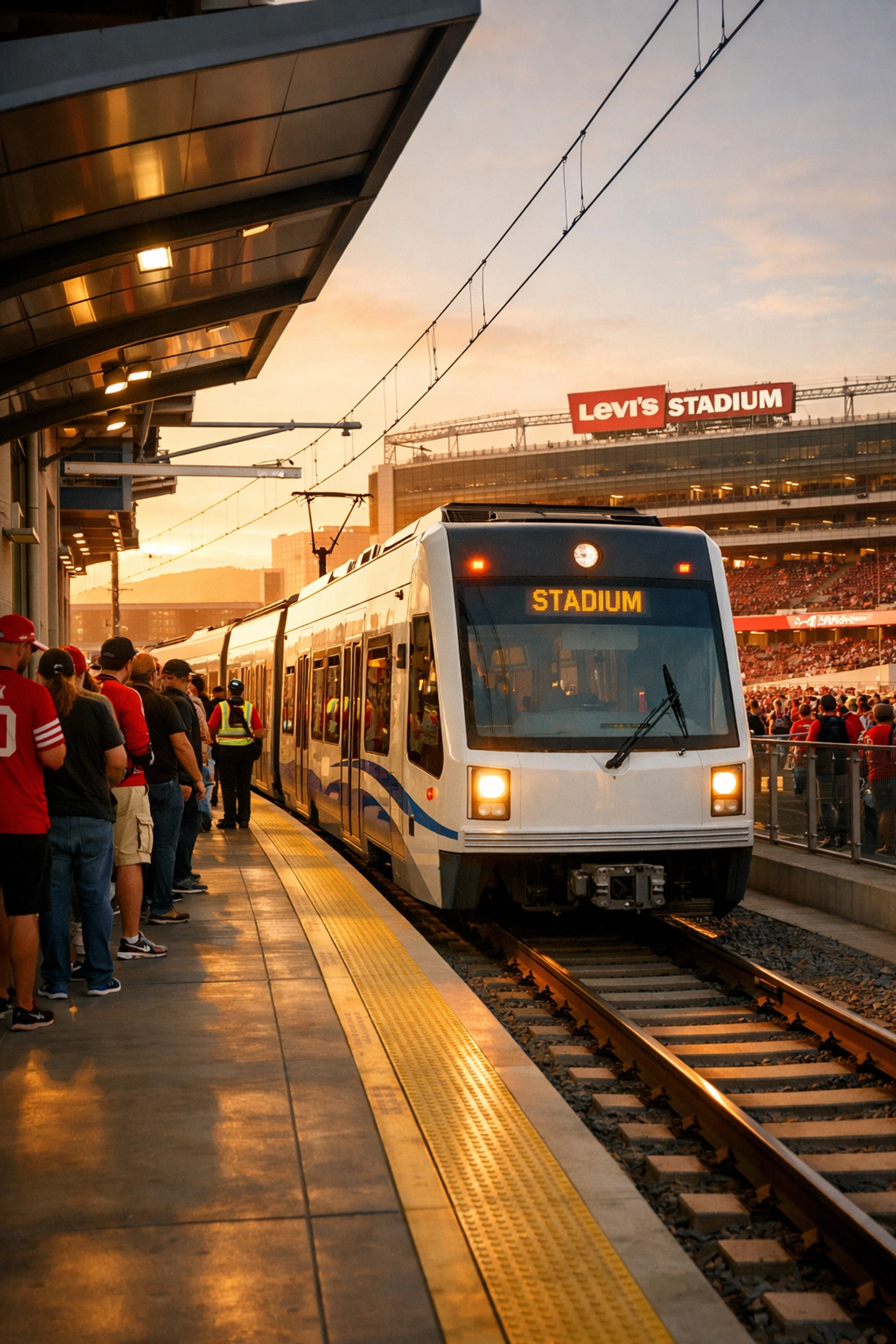
From San Francisco, attendees could take Caltrain to Santa Clara's Mountain View station, then transfer to the VTA Orange Line Light Rail, exiting at Great America Station on the north side of Levi's Stadium. Alternatively, BART to Milpitas Station connected to the VTA Orange Line toward Mountain View, with a direct stop at the stadium.
From Greater Northern California, Capitol Corridor trains provided service from Auburn, Rocklin, Roseville, Sacramento, Davis, Suisun, Fairfield, Martinez, Richmond, Berkeley, Emeryville, Oakland, Hayward, Santa Clara, Fremont/Centerville, and San Jose. The proximity of the Capitol Corridor station to Levi's Stadium meant attendees could literally walk from their train to the game.
This multi-modal transportation approach reduced traffic congestion, minimized environmental impact, and removed one of the biggest stressors from the fan experience: wondering whether you'll make it to kickoff on time.
Tailgate Culture Goes Premium
Tailgating has always been central to the football experience, and Super Bowl LX offered elevated takes on this tradition.
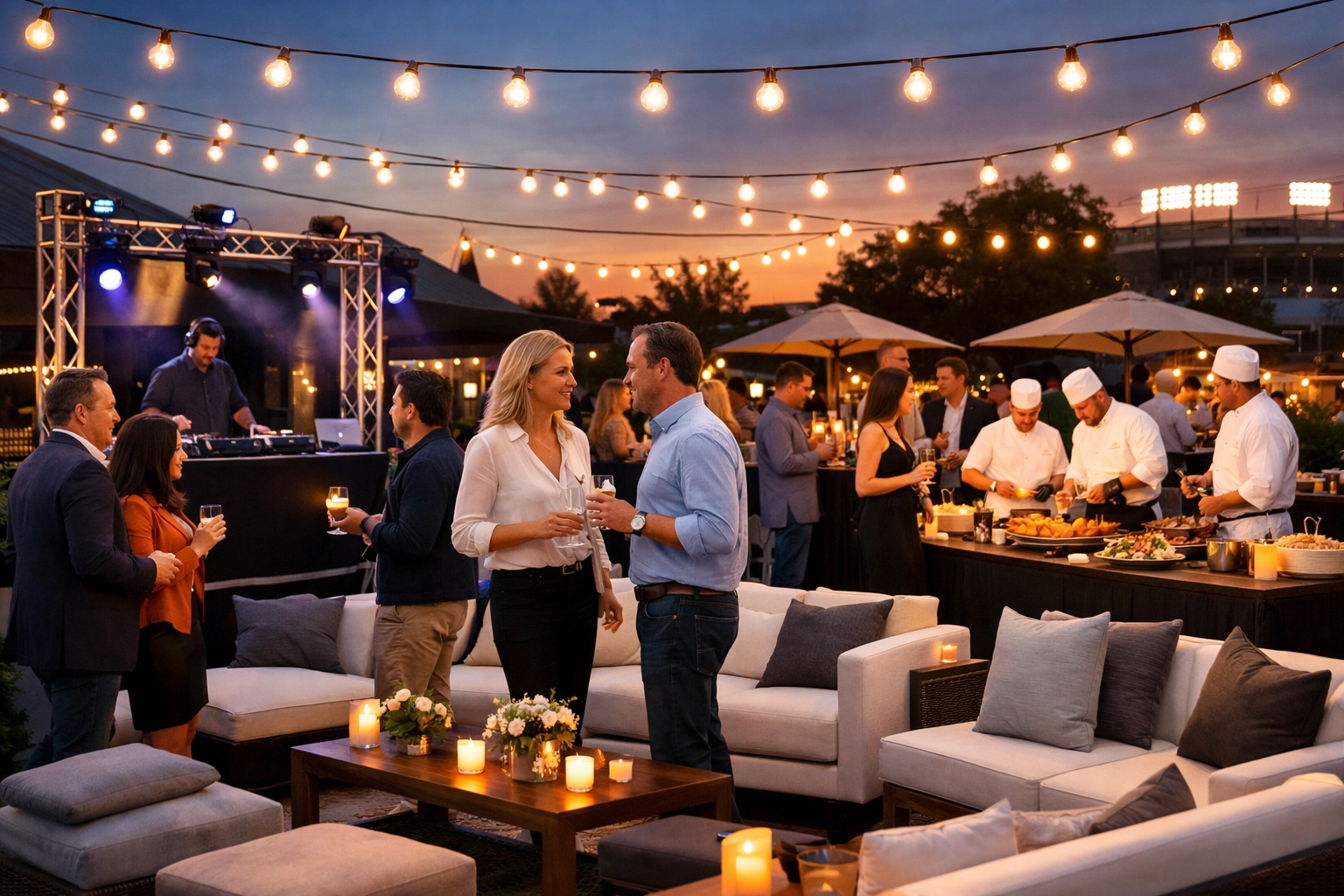
The San Jose Santana Row Super Row Big Game Tailgate featured special dining options, themed cocktails, live DJs, and an outdoor watch party just minutes from Levi's Stadium. This setup appealed to fans who wanted the social atmosphere of tailgating without the logistics of bringing their own grills and coolers.
Meanwhile, the Great Mall BIG GAME Tailgate Event on February 7th ran from 11:00 AM to 7:00 PM, offering interactive activities including bean bag toss, collectible cards, photo opportunities, retailer activations, and cooler totes for shoppers spending $175 or more. This hybrid retail-entertainment approach created value for both attendees and local businesses.
Beyond Football: The Bay Area Experience
Smart Super Bowl attendees recognized that being in the San Francisco Bay Area during championship week offered opportunities beyond the game itself. The Golden Gate Bridge, Marin Headlands, Lands End coastal views, the Palace of Fine Arts, and the Presidio all provided memorable experiences that complemented the main event.
This integration of local culture with the sporting event creates a more comprehensive tourism experience. Rather than treating the Super Bowl as an isolated moment, attendees could build a full trip that justified the travel investment and created lasting memories beyond the final score.
What This Means for Future Fan Experiences
Super Bowl LX demonstrated several trends that are likely to define major sporting events going forward:
Extended activation periods that span multiple days rather than concentrating everything into game day alone. This approach maximizes economic impact for host cities while giving fans more opportunities to engage.
Multi-dimensional experiences that acknowledge fans care about sports within a broader cultural context. Music, art, fashion, and food are no longer peripheral to the sporting event: they're integral to it.
Accessible entry points for different types of fans. From family-friendly zones to culture-focused activations to premium tailgate experiences, Super Bowl Week offered something for casual attendees and die-hard fans alike.
Sustainable transportation solutions that prioritize public transit and reduce the environmental footprint of moving massive crowds.
For business professionals in the entertainment and sports consulting space, these elements provide a blueprint for creating comprehensive fan experiences that generate value beyond ticket sales. The future of major sporting events lies in building immersive, multi-day celebrations that connect sports to the broader culture and community of host cities.
Super Bowl LX at Levi's Stadium set a high bar. As we look toward future championships, the question isn't whether fan experiences will continue to evolve: it's how quickly other events will adopt these engagement strategies to meet rising fan expectations.