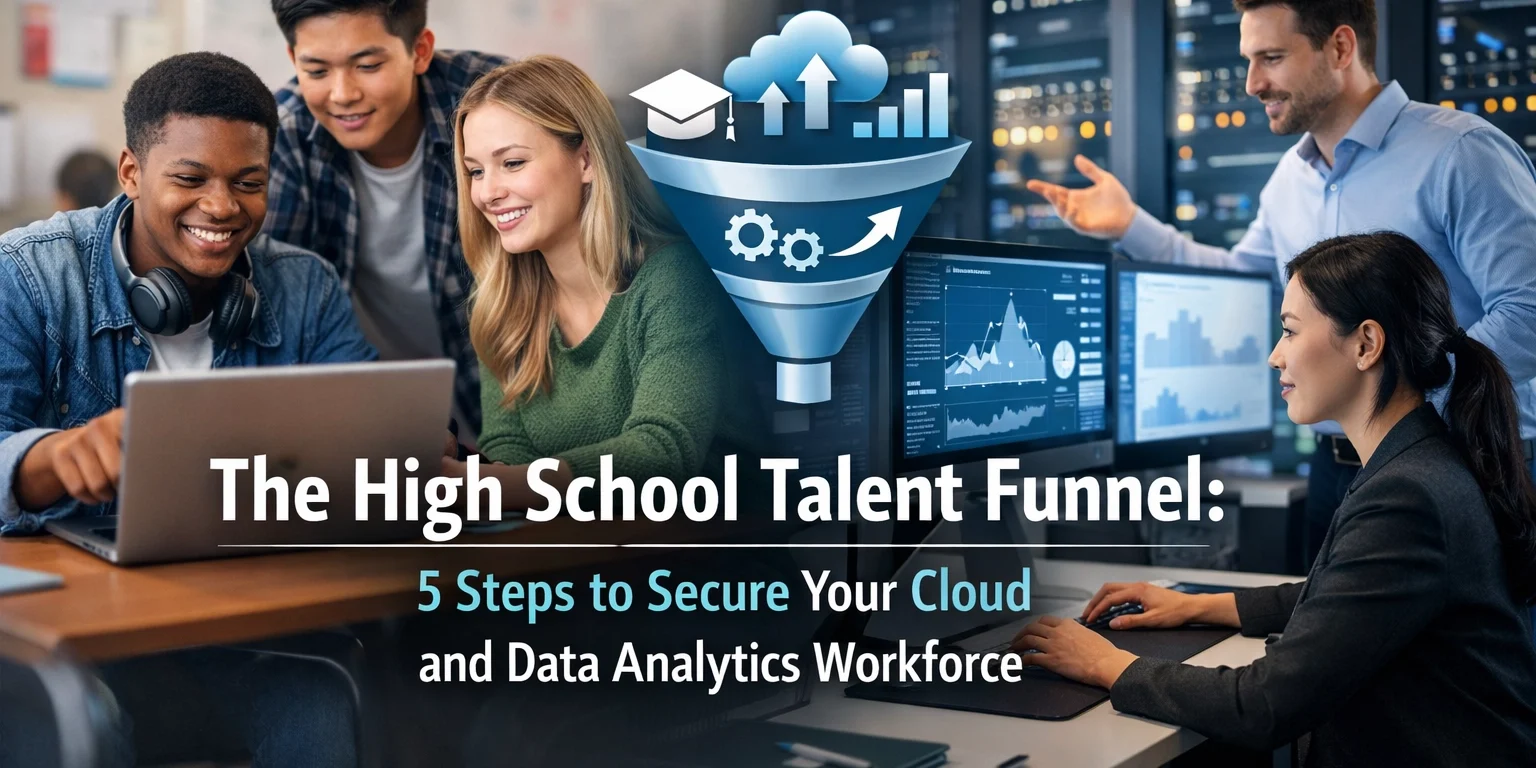
The competition for cloud computing, artificial intelligence, and data analytics talent has reached unprecedented intensity. Organizations across industries face a common challenge: by the time skilled professionals enter traditional recruitment channels, they have already been courted by multiple employers, command premium salaries, and may possess skills misaligned with specific organizational needs.
The solution requires a fundamental shift in talent acquisition strategy. Rather than competing for fully formed professionals in an oversaturated market, forward-thinking organizations are building talent pipelines that begin in high schools. This approach transforms the recruitment timeline from months to years, but the return justifies the investment. Students engaged through structured high school programs enter the workforce with skills aligned to specific technology stacks, familiarity with organizational culture, and genuine enthusiasm for their roles.
The question is no longer whether to engage high school talent, but how to do so effectively. The following five steps provide a framework for building a sustainable next-generation talent funnel.

Step 1: Establish Educational Partnerships
The foundation of any effective high school talent pipeline rests on formalized relationships with educational institutions. Identify school districts and STEM-focused programs in regions where your organization operates or plans to expand. These partnerships must be structured as genuine collaborations rather than one-sided recruitment efforts.
Schools benefit from industry expertise that enhances curriculum relevance, access to equipment and technology that budgets cannot accommodate, and connections to career pathways that motivate student engagement. In return, organizations gain early access to emerging talent and the opportunity to shape workforce capabilities before competing employers enter the picture.
The most successful partnerships involve multi-year commitments with clearly defined objectives, resource allocations, and success metrics. Approach school administrators with specific proposals rather than vague offers of support. Detail what your organization will provide, the expected time commitment from staff, and the measurable outcomes you aim to achieve. This clarity demonstrates seriousness and facilitates administrative approval processes.
Step 2: Conduct Workforce Forecasting
Educational partnerships require significant resource investments that must align with actual business needs. Before expanding engagement efforts, project your cloud computing, AI, and data analytics hiring requirements for the next five to ten years. Consider not only the number of positions but also the specific skill sets, certifications, and technical proficiencies those roles will demand.

This forecasting exercise serves multiple purposes. It quantifies the scale of talent pipeline needed to meet future demands. It identifies which technical skills deserve emphasis in educational partnerships. It provides justification for the budget and staff time required to maintain high school engagement programs.
Organizations frequently underestimate the lead time required for talent development. A student engaged as a high school freshman may not join your workforce for six to eight years, accounting for high school completion and post-secondary education or training. This timeline necessitates forecasting horizons that extend well beyond typical business planning cycles.
Step 3: Identify Geographic Priorities
Resource constraints make it impossible to engage every high school in every region. Strategic geographic prioritization ensures maximum return on talent pipeline investments. Evaluate potential regions based on three primary criteria: educational infrastructure quality, demographic trends indicating future talent availability, and alignment with your operational footprint.
Regions with established STEM programs, career and technical education pathways, and strong community college systems offer better foundations for partnership than those requiring infrastructure development from scratch. Demographic analysis should consider not only current high school enrollment but projected population trends over the next decade.
Geographic prioritization also accounts for competitive dynamics. In regions with minimal technology sector presence, your organization may become the primary pathway to technical careers, building substantial loyalty and reducing attrition. In technology hubs with intense competition, differentiation requires more sophisticated engagement strategies and potentially larger resource commitments.
Step 4: Create Meaningful Engagement Programs
Superficial interactions produce superficial results. Students can distinguish between genuine investment in their development and promotional activities disguised as mentorship. Effective engagement programs provide authentic value through structured interactions that build progressively over time.
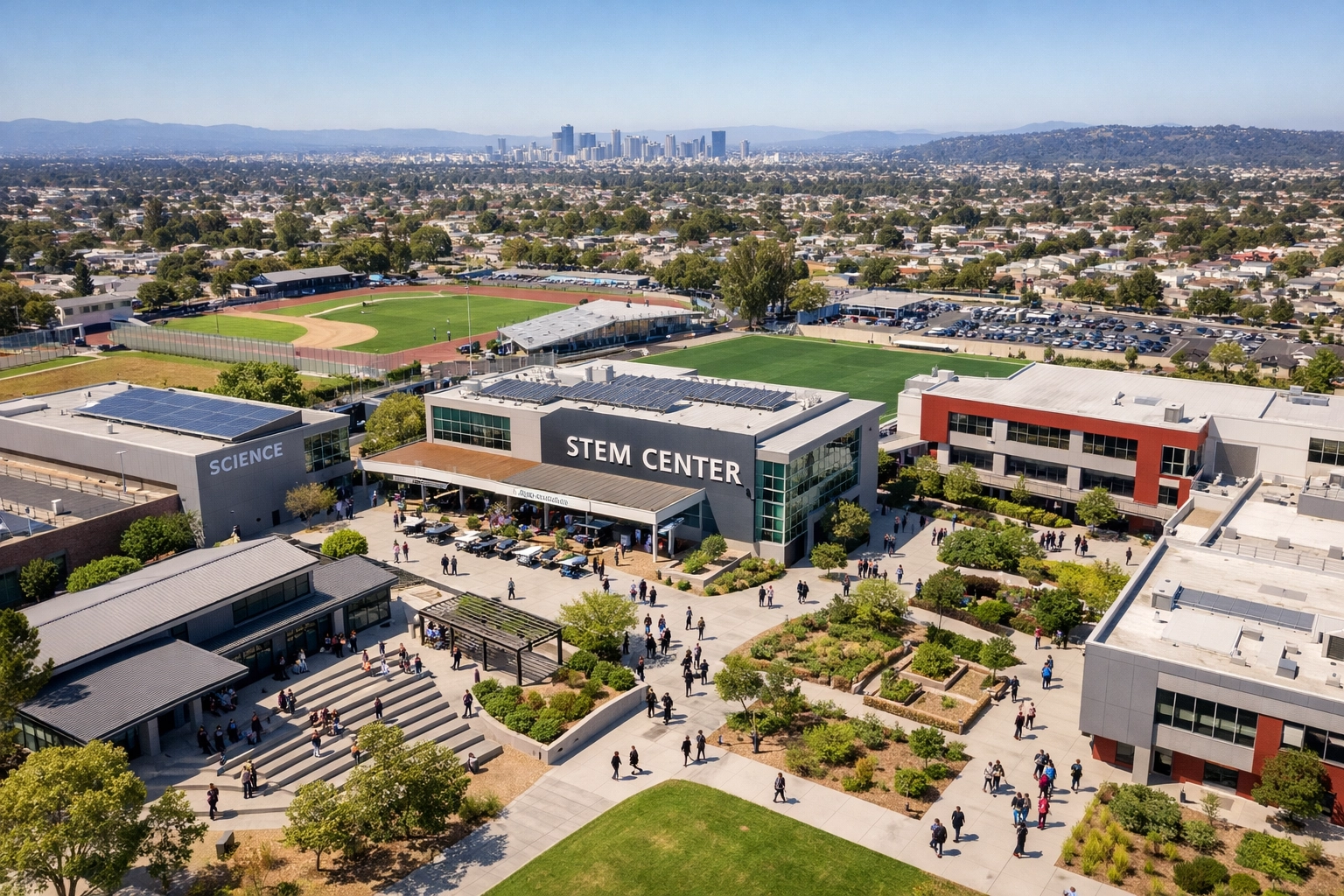
Consider implementing the following program elements:
Mentorship initiatives connecting employees with students interested in technical careers create relationships that extend beyond single interactions. These relationships allow mentors to provide guidance on educational pathways, skill development priorities, and career trajectory planning. Students gain insider perspectives unavailable through formal channels.
Summer experiences offering hands-on exposure to cloud and data analytics work provide students with practical understanding of professional environments. These should be substantive projects rather than job shadowing, allowing students to contribute to real work while developing applicable skills.
Scholarship programs supporting students pursuing relevant post-secondary education demonstrate long-term commitment while reducing financial barriers to skill development. Structure scholarships with clear expectations around skill development milestones and maintained engagement with your organization.
Project-based learning collaborations where students solve actual business challenges using cloud and analytics tools build technical proficiency while demonstrating the practical application of academic concepts. These projects also serve as extended interviews, allowing you to assess student capabilities over time.
Facility tours and job shadowing that demystify technical career paths help students visualize themselves in professional roles. Combine these with conversations about career progression, compensation trajectories, and work-life integration to address common questions and misconceptions.
Each interaction builds relationship equity that compounds over time. Students develop skills aligned to your technology stack while pursuing relevant education, entering the workforce substantially more prepared than those recruited through traditional channels.
Step 5: Deploy Learning Labs in High Schools
The most advanced talent pipeline strategy involves establishing physical spaces inside high schools that combine cloud curriculum, data analytics training, and career pathway development. These learning labs create persistent organizational presence within educational institutions.

Effective learning labs incorporate three core components. First, a cloud certification hub providing direct access to platforms students will use professionally. Students can pursue entry-level certifications during high school, entering post-secondary education or the workforce with credentials that typically require months of independent study.
Second, a data analytics dashboard teaching real-time performance metrics interpretation. Students learn to extract insights from data, build visualizations, and communicate findings: skills immediately applicable across industries and roles.
Third, a career pathways center creating direct connections to opportunities in cloud computing, AI development, cybersecurity, and related fields. This component ensures students understand how their skill development translates to specific roles, compensation levels, and career trajectories.
Learning labs require substantial initial investment but produce remarkably strong returns. By graduation, engaged students understand your business, share organizational values, and possess directly applicable skills. They represent substantially better candidates than those recruited through job fairs who lack organizational familiarity and often require extensive onboarding.
Building for the Long Term
The high school talent funnel operates on timelines that challenge conventional business planning. Results materialize years after initial investments, requiring sustained commitment through leadership transitions and budget pressures. Organizations that maintain these programs through economic cycles, however, develop competitive advantages that become increasingly difficult for competitors to replicate.
The talent shortage in cloud computing, artificial intelligence, and data analytics will intensify as digital transformation accelerates across industries. Organizations that secure talent pipelines today position themselves advantageously for the next decade of competition. Those that delay will find themselves competing for an ever-shrinking pool of available professionals at escalating costs.
The question facing business leaders is straightforward: will you compete for fully formed talent in an oversaturated market, or will you invest in developing the workforce your organization needs? The high school talent funnel offers a clear pathway forward for those willing to embrace a longer-term perspective on talent acquisition.