The global competition for high-tier talent has shifted. For decades, Fortune 100 companies relied on a reactive hiring model: posting a job description, reviewing resumes from recent university graduates, and hoping the best candidates applied. However, as the digital economy accelerates, this traditional approach is proving insufficient. The most forward-thinking organizations are no longer "buying" talent on the open market; they are building it through data-driven pipelines that begin years before a candidate enters the workforce.
To secure a sustainable competitive advantage, businesses must transition to a proactive "Future Ready" framework. This model treats talent development like a supply chain, using data analytics, media literacy training, and Name, Image, and Likeness (NIL) education to identify and cultivate the next generation of leaders while they are still in the K-12 system.
The Upstream Shift: Identifying Talent Early
The core of the Fortune 100 talent framework is the "upstream" approach. Research indicates that waiting until degree completion to engage with potential employees is a missed opportunity. By the time a student reaches their senior year of college, their career trajectory and employer preferences are often already set.
By establishing a presence in high schools: frequently referred to as "Future Ready" schools: organizations can identify technical and leadership potential early. This allows companies to "pre-order" the specific skill sets they will need in three to five years. Whether it is cloud architecture, data science, or executive communication, early engagement ensures that the talent pipeline is filled with individuals whose capabilities are perfectly aligned with corporate requirements.
Data Analytics: The Executive Dashboard
In a data-driven pipeline, the resume is replaced by a live data dashboard. For an executive, the ability to see a real-time visualization of the talent pool is transformative. These dashboards do not track just grades or attendance; they track specific competencies and "interaction data" that provide a longitudinal view of a student’s growth.
Key metrics tracked in these dashboards often include:
- Skill Acquisition Rates: The speed and proficiency with which a student masters a new technical certification or module.
- Problem-Solving Evolution: Data points gathered from coding challenges or business simulations that show how a student's logic matures over time.
- Engagement Metrics: Participation in technical webinars, workshops, and extracurricular industry projects.
This objective data allows for a "skills-first" assessment. When a company looks at the data, they aren't just seeing a student; they are seeing a verified set of capabilities. This reduces the risk of "bad hires" and significantly lowers the cost per hire by streamlining the vetting process long before the official interview occurs. Organizations can explore how these data-driven approaches integrate with human resources strategies to optimize their workforce planning.

Media Literacy and NIL: The New Corporate Competencies
In the modern business environment, technical skill is only half of the equation. As the lines between personal branding and corporate representation blur, media literacy and Name, Image, and Likeness (NIL) education have become essential components of the talent pipeline.
While NIL is often discussed in the context of collegiate athletics, the "Future Ready" framework applies these principles to all high-potential students. Teaching students how to manage their digital footprint and build a professional personal brand is a form of media literacy that pays dividends for future employers.
Why Media Literacy Matters for Fortune 100 Companies:
- Brand Protection: Employees who understand media literacy are less likely to create reputational risks for their employers.
- Effective Communication: Media-literate talent can navigate complex digital landscapes, from social media marketing to internal corporate communications.
- Digital Leadership: Students trained in NIL education understand the value of their "brand," which translates into a more professional, ownership-oriented mindset in the workplace.
By integrating these outcomes into the school curriculum, companies ensure that their future workforce is not only technically capable but also communication-savvy and prepared for the public-facing nature of modern business.
The Role of "Future Ready" Schools as Community Anchors
For this framework to succeed, the local school must act as an anchor for innovation. USA Entertainment Ventures LLC views these schools as the laboratories where the future of work is being tested. A "Future Ready" school is one that has moved beyond traditional rote learning to embrace a curriculum designed around industry-specific outcomes.
These schools provide the environment where data can be collected and where students can be exposed to real-world business consulting scenarios. By partnering with organizations that specialize in business consulting, educational institutions can ensure their teaching modules are relevant to the current economic landscape. This partnership transforms the school from a simple educational facility into a critical component of the regional and national economic infrastructure.

Measuring Success: KPIs and Economic Impact
A talent pipeline is only as good as its outcomes. Fortune 100 companies use standardized, finance-aligned metrics to measure the real economic impact of these programs. These KPIs go beyond qualitative satisfaction and look at the "hard numbers":
- Time-to-Productivity: How much faster does a "Future Ready" graduate become a full contributor compared to a traditional hire?
- Retention Rates: Data consistently shows that employees who have been engaged with a brand through a pipeline program for several years have higher loyalty and lower turnover rates.
- Diversity and Inclusion: Early identification programs allow companies to find high-potential individuals in underserved or rural areas, broadening the talent pool and meeting critical DEI goals through a meritocratic, data-driven process.
By applying these metrics, companies can turn workforce development from a "cost center" into a "value driver." This is the same logic used in technology and marketing sectors to prove Return on Investment (ROI).
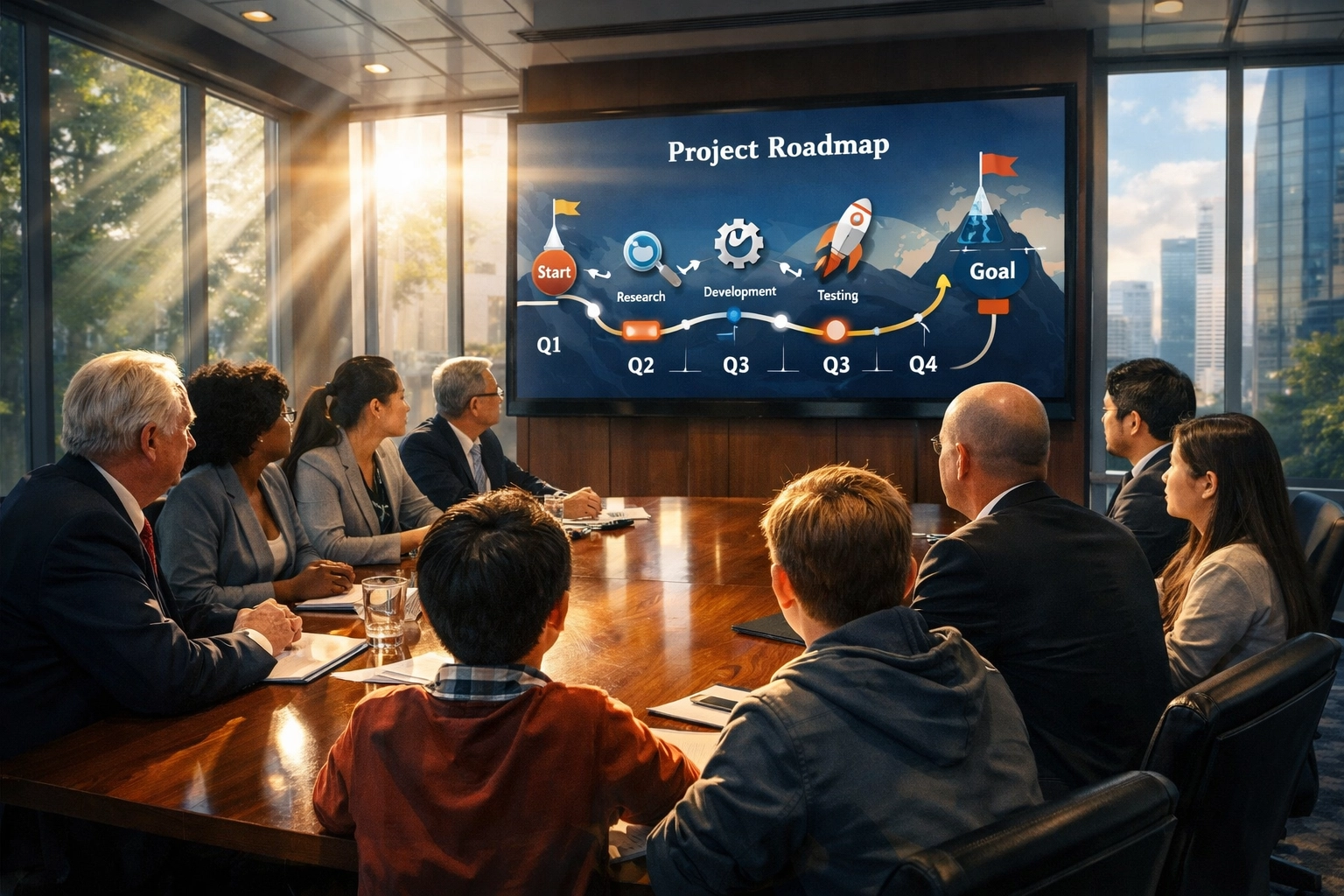
Implementing the Framework: A Practical Roadmap
Transitioning to a data-driven talent pipeline requires a shift in mindset from HR and the C-suite alike. The following steps outline the practical implementation of the framework:
- Define the Future Skill Map: Identify the specific skills the organization will need five years from now.
- Establish School Partnerships: Identify and support "Future Ready" schools that are willing to integrate media literacy and technical certification into their curriculum.
- Deploy Analytics Dashboards: Implement the software tools necessary to track student progress and engagement over a multi-year period.
- Incentivize Engagement: Use NIL education and mentorship programs to keep students engaged with the brand throughout their educational journey.
- Scale Through Hybrid Models: Use digital platforms to reach students in diverse geographic locations while reserving in-person mentorship for high-intensity, final-stage talent development.
The Future of Workforce Development
As we look toward the 2030s, the "War for Talent" will not be won by the company with the largest recruiting budget, but by the company with the most sophisticated data pipeline. The framework of early identification, media literacy, and measurable skill tracking offers a sustainable path forward.
By investing in the "Future Ready" school model, Fortune 100 companies are doing more than just filling job openings; they are fostering a more capable, media-literate, and economically productive society. This alignment of business interest and social good represents the pinnacle of modern business consulting.
The data is clear: the future of work is being built today, in classrooms that have the vision to see beyond the next test and toward the next decade of industry leadership. Organizations that adopt this framework now will find themselves with a surplus of talent while their competitors are still searching through yesterday's resumes.
For more information on how data-driven strategies are reshaping industries, explore our work in digital transformation and manufacturing.