The Super Bowl represents far more than a single sporting event. For businesses across the country, it has evolved into a marketing phenomenon that draws an expected 213.1 million viewers and generates unprecedented consumer spending patterns. While major corporations invest millions in 30-second television spots, small businesses often assume this massive opportunity lies beyond their reach. That assumption, however, misses a fundamental shift in how modern marketing campaigns achieve results.
The truth is that small businesses can access the same massive audience and consumer enthusiasm that drives Fortune 500 marketing strategies. The difference lies not in budget size, but in strategic approach and channel selection. By treating the Super Bowl as a multi-week marketing ecosystem rather than a single promotional moment, businesses of any size can generate measurable results without requiring seven-figure advertising budgets.
Understanding the Sports Media Advertising Strategy
The framework that enables small businesses to compete on this stage comes from understanding how major brands structure their Super Bowl campaigns. These organizations don't simply purchase airtime during the game. Instead, they orchestrate integrated campaigns across multiple channels, extending their messaging weeks before and after the event itself.
https://www.youtube.com/watch?v=l6J-0zileKE
This video breaks down the Sports Media Advertising Strategy that has redefined how brands approach major sporting events. The insights reveal that success stems from strategic planning and creative execution rather than sheer spending power.

The Three-Phase Framework That Drives Results
Successful Super Bowl marketing campaigns follow a consistent structure: tease, activate, and amplify. This framework transforms a single event into an extended engagement opportunity that maximizes return on investment across multiple touchpoints.
The Teaser Phase begins weeks before game day. During this period, businesses release preview content across affordable digital platforms including TikTok, YouTube, and Meta. The objective centers on building anticipation and ensuring that search queries for brand-related Super Bowl content direct traffic to owned properties rather than competitor sites. Companies working with creators and talent during this phase generate early buzz without requiring traditional media budgets.
The Activation Phase coincides with the game itself. With research indicating that 47% of U.S. adults watch primarily for the commercials, businesses have a captive audience actively seeking branded content. This presents an opportunity to deploy social media campaigns, interactive content, and promotional offers that capitalize on real-time engagement patterns.
The Amplification Phase extends beyond game day. Successful campaigns repurpose creative content across email marketing, social media follow-ups, website updates, and ongoing creator partnerships. This approach ensures that the investment in campaign development generates returns well beyond the 24-hour news cycle.
Affordable Channel Priorities That Replace Expensive Airtime
The most significant advantage for small businesses lies in channel selection. While national television advertising remains prohibitively expensive, alternative platforms offer comparable reach at accessible price points.
Social media platforms function as what industry analysts describe as "the small business Super Bowl of marketing" in terms of affordability, reach, and effectiveness. Facebook, Instagram, TikTok, and LinkedIn provide targeting capabilities that often exceed broadcast television while operating at a fraction of the cost. These platforms also enable two-way interaction that builds community engagement rather than passive viewership.
Streaming and connected TV services represent another growing opportunity. As viewing habits shift toward on-demand content, these channels offer targeting precision that traditional broadcasting cannot match. Local linear TV provides geographic focus for businesses serving specific markets, delivering relevant messaging without paying for national reach that extends beyond the target audience.
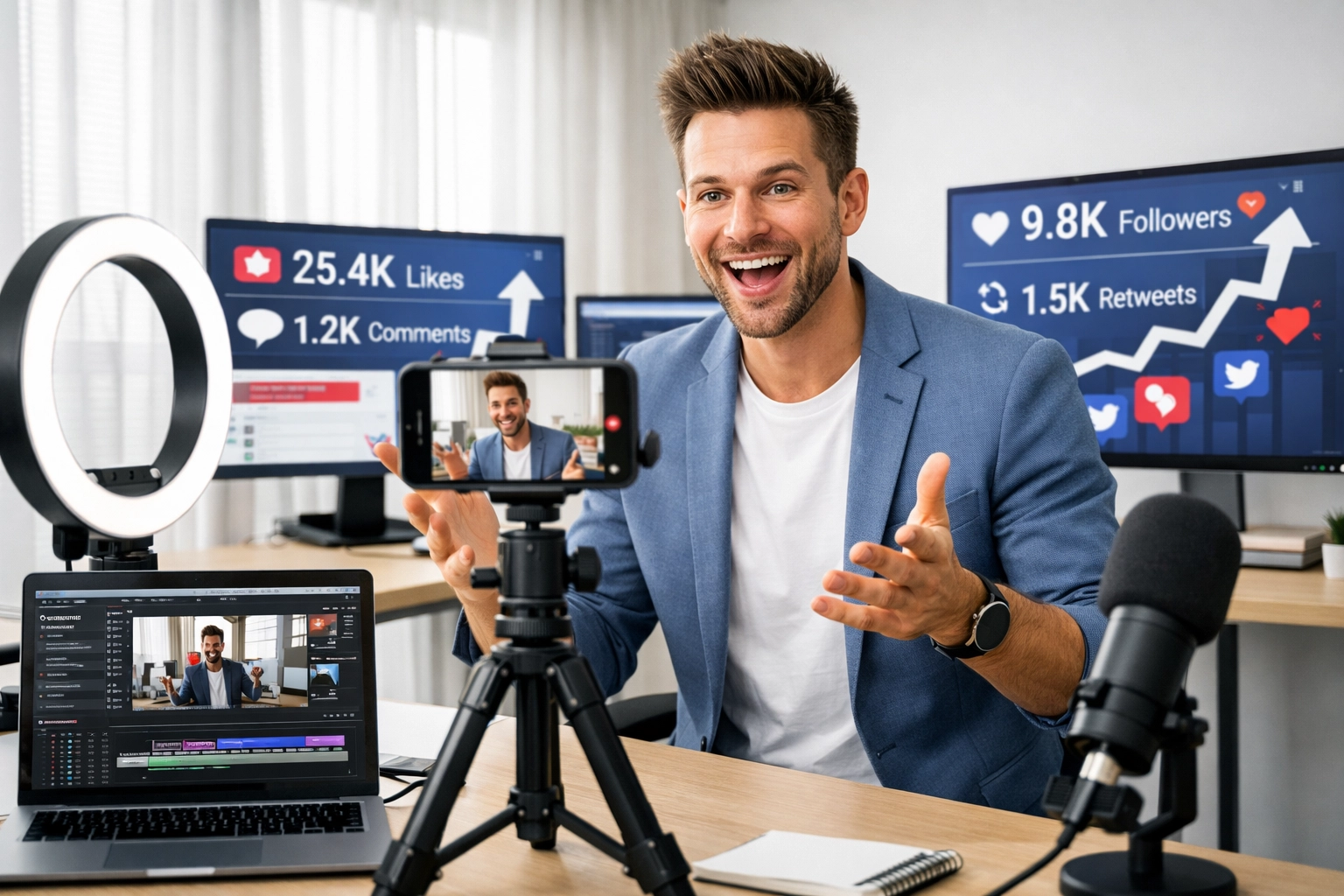
Creator and influencer partnerships deserve particular attention. Micro-influencers: those with smaller but highly devoted followings: offer engagement rates that frequently surpass celebrity endorsements. Their audiences trust their recommendations, and partnership costs remain accessible for businesses with limited marketing budgets. One campaign utilizing this approach achieved a 13-point awareness lift over two months, demonstrating that creative partnership strategies can deliver measurable results.
The Five-Phase Implementation Strategy
Translating the core framework into actionable steps requires attention to timing, channel coordination, and audience engagement tactics. The following five phases provide a roadmap that small businesses can implement with existing resources.
Phase One: Pre-Game Content Development focuses on creating teaser materials that build anticipation. This includes short-form video content, behind-the-scenes glimpses, and social media posts that hint at game-day offers or content. Optimizing search and shoppable experiences ensures that consumers searching for brand-related Super Bowl information find owned channels first.
Phase Two: Social Media Campaign Launch leverages the fact that nearly half of viewers tune in specifically for advertising content. Creating engaging posts using popular hashtags such as #SuperBowl and #GameDay expands organic reach. Interactive elements including polls, quizzes, and contests related to products or services drive participation while collecting valuable customer data.
Phase Three: Strategic Promotional Offers capitalize on consumer spending patterns. With Americans spending an average of $81 per person on Super Bowl-related items, exclusive discounts, bundle deals, and limited-time offers align with existing purchase intent. These promotions should launch before game day and extend into the following week, capturing both anticipatory and post-game spending.
Phase Four: Community Engagement Initiatives build deeper customer relationships through shared experiences. Hosting Super Bowl watch parties: whether physical or virtual: for customers and prospects creates memorable brand interactions. These events incorporate branded elements and interactive activities in relaxed settings that feel less like traditional marketing and more like genuine community building.

Phase Five: Post-Game Follow-Through maintains momentum after the final whistle. Email marketing campaigns thanking participants, social media posts celebrating game highlights, and continued creator partnerships extend the conversation. This phase often represents the most overlooked opportunity, as many businesses cease activity immediately after the game despite sustained consumer interest.
Maximizing Return Through Strategic Partnerships
Small businesses amplify their reach through collaborative arrangements with complementary organizations. Restaurants, bars, event venues, and other local businesses share audience demographics and can co-promote Super Bowl initiatives. These partnerships double exposure without doubling costs, as each partner contributes resources and audience access.
Owned media channels deserve renewed focus during major events. Business websites, email newsletters, social media accounts, podcasts, and company applications provide platforms for sharing content with complete creative control. Unlike paid advertising, which requires continuous investment, owned media represents an asset that businesses can leverage indefinitely.
Measuring Success Through Concrete Metrics
Effective Super Bowl marketing campaigns track specific key performance indicators that demonstrate return on investment. Brand awareness lifts measure changes in consumer recognition before and after campaign deployment. Consideration shifts indicate movement in purchase intent, while conversion metrics quantify actual sales or lead generation results.
The most successful small business campaigns set baseline measurements before launching activity, then track changes throughout the three-phase framework. This data-driven approach enables refinement of tactics mid-campaign and informs planning for future major events.
The Competitive Advantage of Creative Strategy
The underlying principle that enables small businesses to compete with major brands centers on a fundamental truth: creativity outperforms spending when executed strategically. The most effective Super Bowl marketing doesn't necessarily come from the largest budgets. Instead, it emerges from out-of-the-box thinking paired with compelling storytelling that resonates with target audiences.
This reality shifts the competitive landscape. Small businesses that develop innovative approaches, select appropriate channels, and coordinate multi-phase campaigns can achieve results that rival organizations with substantially larger marketing budgets. The Super Bowl provides a unique moment when consumer attention reaches its annual peak. The question isn't whether small businesses can participate in this opportunity: it's whether they choose to approach it strategically.
The proven framework outlined here provides that strategic approach. By treating the Super Bowl as an extended marketing ecosystem rather than a single event, coordinating activity across multiple affordable channels, and maintaining momentum through strategic phases, businesses of any size can think like major brands while operating within realistic budget constraints. The opportunity exists not in matching corporate spending, but in executing a coordinated, creative strategy that maximizes every available resource.