
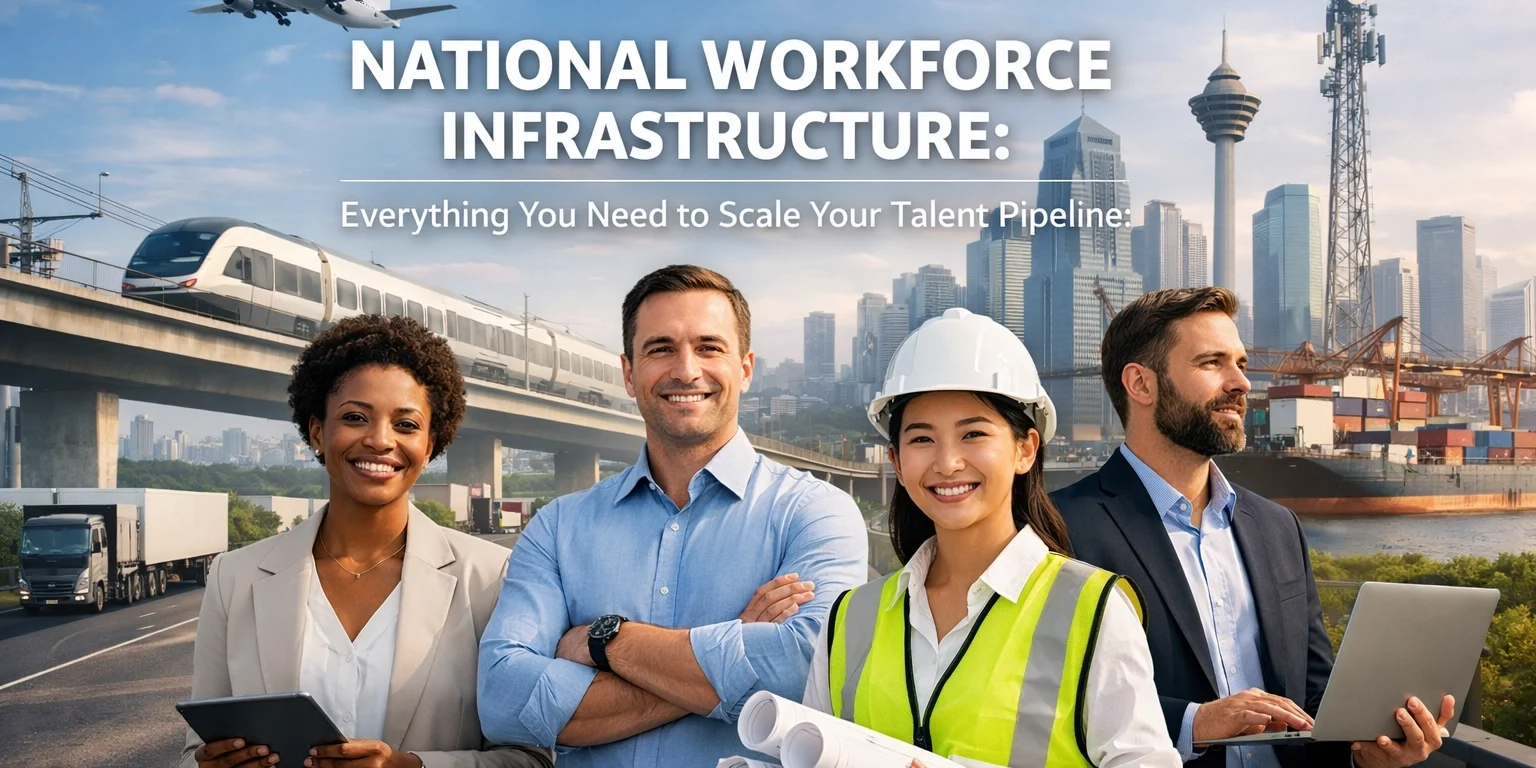
The modern corporate landscape is facing a systemic challenge that transcends simple recruitment hurdles. For Fortune 100 executives, the primary bottleneck to sustained growth is no longer capital or market access: it is the availability of a career-ready, technically proficient workforce. As the global economy pivots toward artificial intelligence, high-performance computing, and complex logistics, the traditional methods of "just-in-time" hiring are proving insufficient.
To remain competitive, industry leaders must shift their perspective from viewing talent as a commodity to be acquired and instead view it as an infrastructure to be built. This guide outlines the national rollout of a workforce development framework designed to scale talent pipelines through strategic partnerships, physical distribution systems, and innovative engagement models.
The Shift from Reactive Hiring to Infrastructure Development
Historically, workforce development has been treated as a localized HR function. However, the scale of the current skills gap requires a national infrastructure approach. Much like the interstate highway system facilitated the movement of goods in the 20th century, a National Workforce Infrastructure (NWI) is required to facilitate the movement of human capital into the high-growth sectors of the 21st century.
This infrastructure is not merely theoretical; it is a tangible system of education, physical facilities, and technological platforms. By aligning employer needs directly with educational outcomes, organizations can ensure that the talent entering the pipeline possesses the exact competencies required for immediate operational impact.

Esports: The 'Trojan Horse' for Cloud and AI Literacy
One of the most significant barriers to building a tech-literate workforce is engagement. Traditional STEM initiatives often struggle to maintain interest among younger demographics. Here, esports serves as a powerful "Trojan Horse."
While often viewed as mere entertainment, modern competitive gaming relies on the same technological backbone as the Fortune 100: cloud computing, high-speed data networking, AI-driven analytics, and low-latency hardware. By deploying esports infrastructure across national networks, we are effectively installing the hardware and software environments necessary for advanced technical training.
For an executive, an esports lab is not just a gaming center; it is a high-performance computing environment. It provides a familiar, high-engagement entry point where participants naturally develop the digital fluency required for careers in cloud architecture, cybersecurity, and AI operations. This "stealth" training model allows for the rapid distribution of technical literacy across diverse geographic regions, effectively seeding the talent pipeline long before a candidate ever submits an application.
The Three-Tier Framework for National Scaling
Building a robust talent pipeline requires a multi-layered approach. Successful implementations typically follow a structured three-tier framework that ensures sustainability and alignment with industry standards.
1. Partnership Development
The foundation of any workforce infrastructure is the network of stakeholders involved. This includes a synergy between:
- Private Sector Employers: Defining the core competencies and technical requirements.
- Educational Institutions: Translating those requirements into agile curricula.
- Workforce Development Boards: Navigating the regulatory and funding landscapes.
- Community Organizations: Ensuring the pipeline is accessible to a broad and diverse talent pool.
The goal is to move away from theoretical training and toward a "backward-mapped" curriculum where every hour of instruction is tied to a specific, high-demand job function. Organizations interested in exploring these collaborative models can view our services to understand how these partnerships are structured.
2. Planning and Procurement
This tier involves the data-driven assessment of regional needs. Fortune 100 companies must identify where skills gaps are most acute: whether in urban centers or rural hubs: and procure the resources necessary to bridge them. This includes the acquisition of hardware, software licenses, and physical space. A critical component of this phase is ensuring that the infrastructure is interoperable across different regions to allow for standardized talent output at scale.
3. Program Delivery and Wraparound Services
The final tier is the actual execution of the training. Beyond the technical curriculum, successful infrastructure must include "wraparound services." Research indicates that non-technical barriers: such as transportation, childcare, and financial literacy: are often the primary reasons for attrition in training programs. By integrating these supports into the delivery model, organizations can significantly increase the completion and placement rates of their talent cohorts.

Physical Distribution: Utilizing the National Grid
A common misconception in workforce development is that training must happen in a vacuum. In reality, the most effective talent pipelines leverage existing physical distribution systems. Interestingly, a significant portion of federal workforce-focused funding: nearly 72 percent: is distributed through transportation-related channels.
This reveals a strategic opportunity: the integration of learning centers into the physical infrastructure that communities already use. By placing training modules within transportation hubs, commercial centers, and civic spaces, companies can lower the "friction of participation." This decentralized approach ensures that workforce development is integrated into the daily lives of potential candidates, rather than being an isolated destination they must seek out.
For more information on the strategic layout of these initiatives, you can visit our about-2 page to see our commitment to national development.
Implementation Timeline: The 18 to 24-Month Roadmap
Building a national-scale talent pipeline is not an overnight process. It requires a disciplined, long-term commitment. Based on industry data and successful case studies, a standard rollout follows an 18 to 24-month trajectory:
- Months 1-6: Alignment and Strategy. Focusing on stakeholder engagement, identifying regional skill gaps, and establishing the legal and financial frameworks for partnerships.
- Months 7-12: Infrastructure Deployment. The physical rollout of training facilities (including esports/AI labs) and the finalization of the competency-based curriculum.
- Months 12-24: Cohort Execution and Refinement. The first groups of candidates enter the pipeline. This phase includes the first "graduation" of career-ready talent and the use of data analytics to refine the program for future cycles.
Organizations that begin this process now will possess a distinct competitive advantage by late 2027, while those who rely on traditional recruitment will find themselves competing for a shrinking pool of qualified individuals.
Strategic Recommendations for Executives
For Fortune 100 leadership looking to implement these strategies, we recommend the following actionable steps:
- Pilot Multi-Regionally: Do not limit your workforce initiatives to your headquarters. Launch simultaneous pilots in an urban, suburban, and rural area to identify how the infrastructure needs to be customized for different demographics.
- Prioritize Apprenticeships: Transition from traditional internships to "earn-while-you-learn" apprenticeship models. These programs have higher retention rates and provide a clearer pathway to full-time employment.
- Invest in Competency Verification: Move beyond degree-based hiring. Utilize digital badges and industry-recognized credentials that verify a candidate can actually perform the specific tasks required by your cloud or AI divisions.
- Leverage Public-Private Synergies: Explore how your organization can tap into the billions in federal infrastructure funding currently allocated for workforce transition.
For those looking to join a team dedicated to building these future-ready systems, our career opportunities page lists current openings within our consulting and management divisions.
Conclusion: The Future of the American Workforce
The establishment of a National Workforce Infrastructure is more than a business necessity; it is a foundational requirement for national economic resilience. By viewing talent development through the lens of infrastructure, and by utilizing high-engagement platforms like esports to drive tech literacy, we can create a sustainable, scalable pipeline of career-ready individuals.
The path forward requires a departure from the siloed approaches of the past. It demands a unified strategy that bridges the gap between the classroom and the corporate data center. As we look toward the 2030s, the companies that lead the way in workforce infrastructure will not only secure their own growth but will also contribute to a more robust and capable national economy.
To learn more about how USA Entertainment Ventures LLC is facilitating these national rollouts, visit our contact page to start a conversation with our consulting team.






