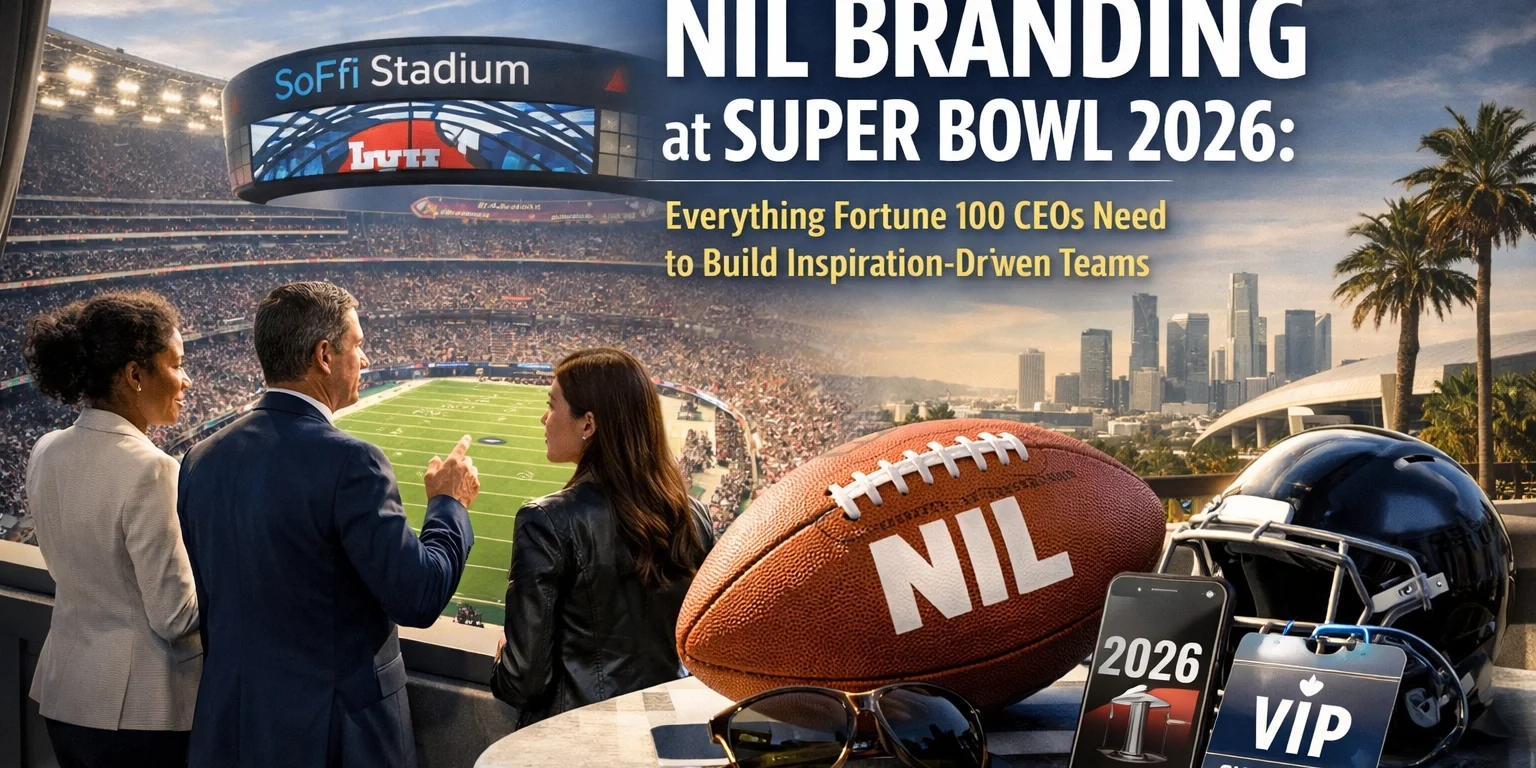
The landscape of corporate branding is undergoing a fundamental transformation, and Super Bowl 2026 represents the inflection point where traditional marketing gives way to something far more strategic: talent development disguised as brand activation. For Fortune 100 executives navigating this shift, Name, Image, and Likeness (NIL) partnerships are no longer optional marketing experiments: they are becoming essential infrastructure for building the inspiration-driven teams that will define competitive advantage in the coming decade.
The NIL Revolution: More Than Marketing Theater
The traditional Super Bowl playbook: securing celebrity endorsements, launching 30-second spots, and measuring success through impressions: is becoming obsolete. Student-athlete content creators are systematically outperforming traditional celebrity endorsements in authenticity metrics and engagement rates, a trend that accelerated dramatically following the 2021 NCAA policy changes that opened NIL opportunities.
What makes this shift particularly relevant for Fortune 100 leadership is not the marketing performance alone, but what these partnerships reveal about workforce transformation. Student-athletes managing their personal brands are developing precisely the competencies that corporations struggle to find: authentic communication, digital fluency, entrepreneurial thinking, and the ability to build trust with younger demographics.
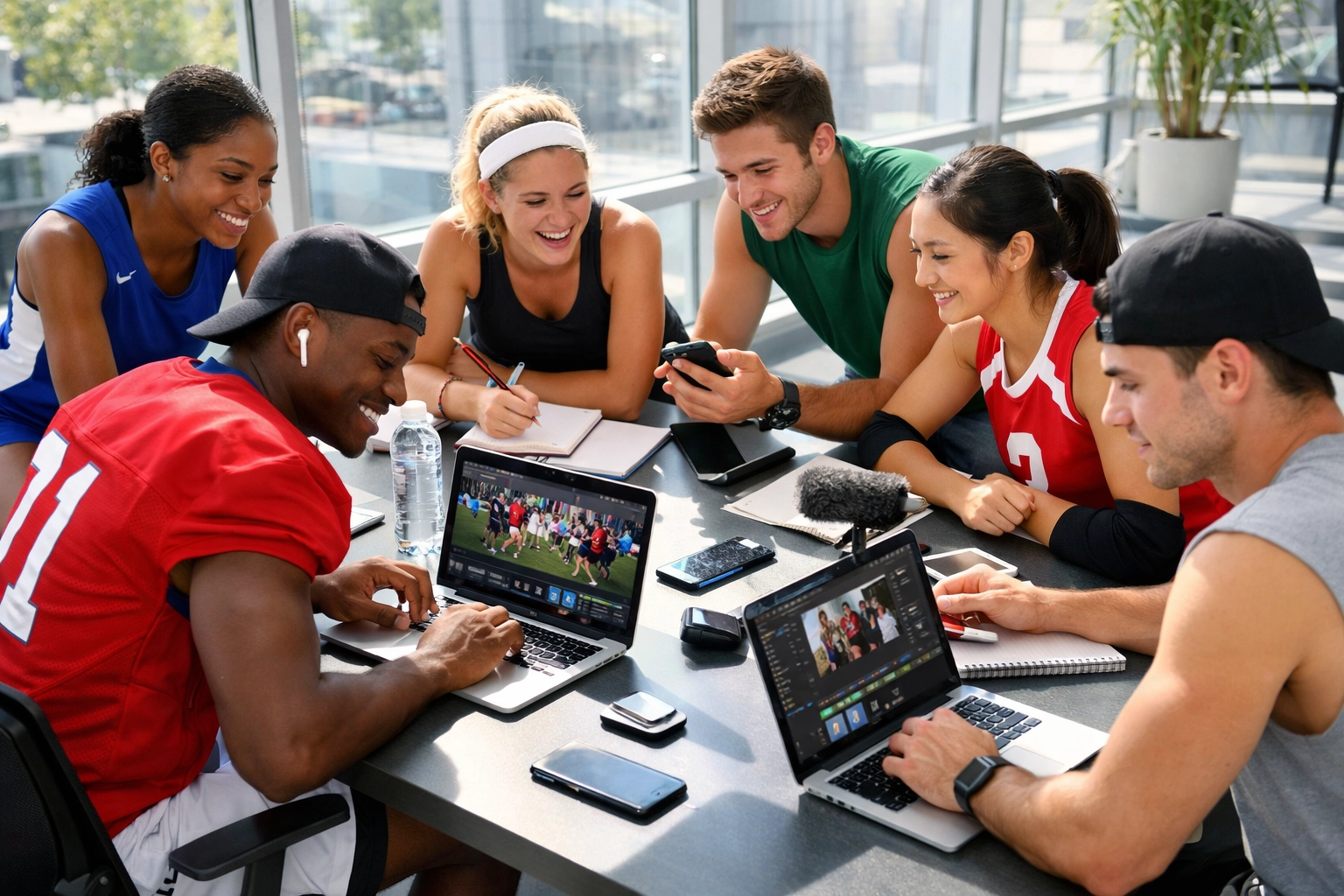
The data supports this observation. Companies treating NIL partnerships as extended job interviews rather than one-off marketing expenses are discovering a solution to two problems simultaneously: more authentic brand representation and a vetted pipeline of marketing talent that already understands your brand story before their first day of employment.
Authenticity: The Currency That Cannot Be Manufactured
Fortune 100 brands face a persistent challenge: maintaining relevance with audiences increasingly skeptical of corporate messaging. Traditional celebrity endorsements, no matter how expensive, carry an inherent credibility gap. Consumers understand these are transactional relationships, performance art designed to transfer fame into product consideration.
Student-athlete NIL partnerships operate under different dynamics entirely. These partnerships work because the athletes themselves are navigating authentic challenges: balancing academics, athletics, personal brand development, and future career planning. When a communications major who also competes in track and field creates content for your brand, audiences recognize the genuine intersection of interests rather than manufactured association.
This authenticity extends beyond consumer perception. It permeates your internal culture when these partnerships transition into employment relationships. Your marketing team gains members who already embody your brand values publicly, who have tested messaging in real market conditions, and who bring established audiences that trust their perspective.
Building Infrastructure, Not Just Campaigns
The strategic error most organizations make with Super Bowl activations is treating them as isolated events rather than foundation-building opportunities. The game itself lasts approximately three hours; the infrastructure you build around it can generate returns for years.
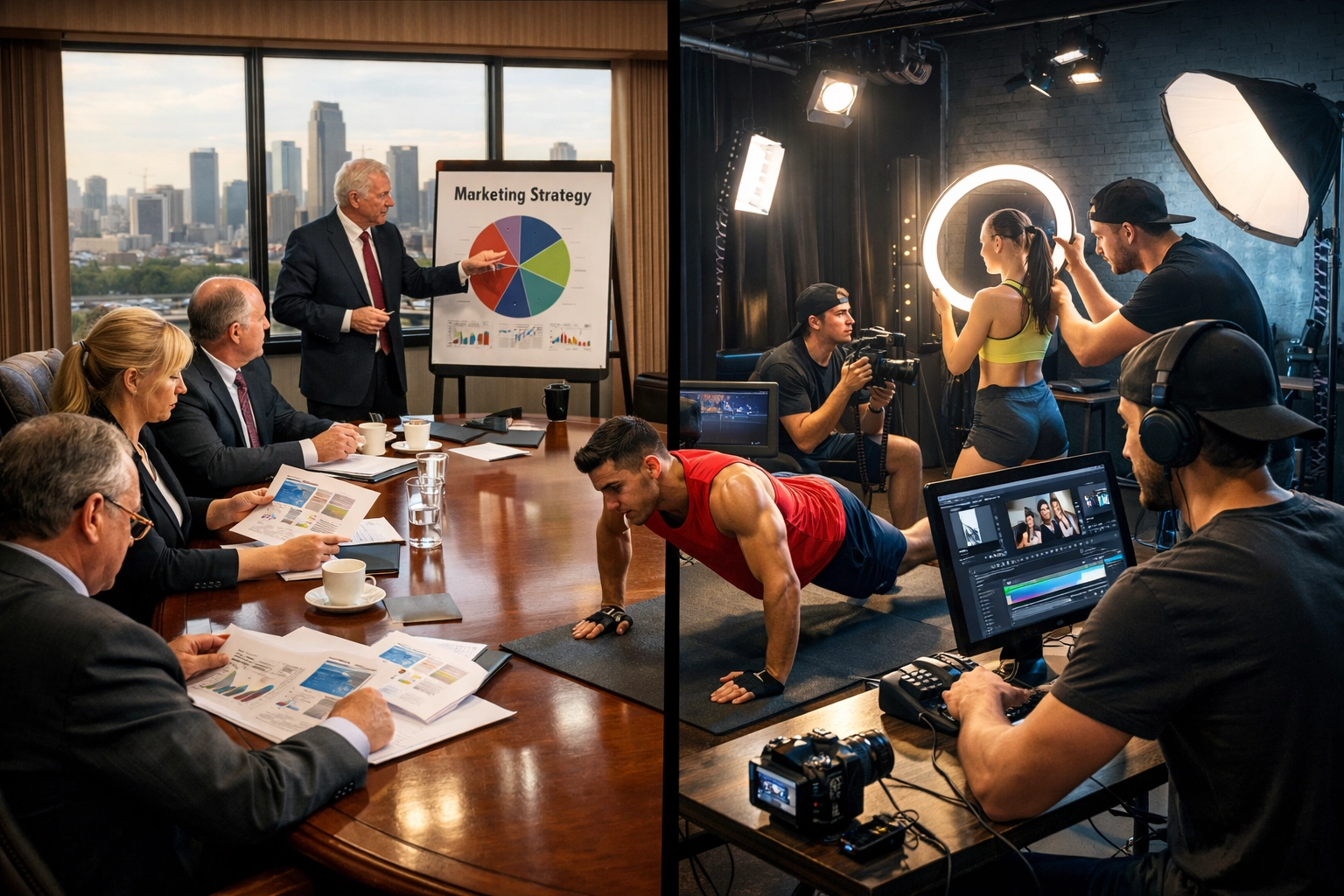
Forward-thinking Fortune 100 companies are establishing content creation studios, innovation labs, and educational development programs that use Super Bowl 2026 as a launch platform but extend far beyond it. These initiatives staff activations with communications students, coding students, and business students, simultaneously producing content for the event while evaluating and training your future marketing, technology, and strategy teams.
Consider the mathematics: a traditional celebrity endorsement might cost millions for a campaign cycle. That same investment, redirected into NIL partnerships combined with educational infrastructure, creates dozens of ongoing relationships with emerging talent, generates substantially more content across more channels, and builds recruiting pipelines that continue producing value long after the Super Bowl concludes.
The infrastructure approach also solves for another challenge facing large organizations: maintaining cultural relevance across multiple demographics and platforms. Rather than attempting to centrally control messaging across TikTok, Instagram, YouTube, and emerging platforms, you create a network of authentic voices who understand these channels natively and can adapt messaging appropriately for each context.
The Implementation Framework for 2026
Implementation requires systematic thinking rather than opportunistic deal-making. Begin with an honest audit of current activations: are you investing in relationships that could become employment pipelines, or simply renting attention for brief periods?
The most effective approach for Super Bowl 2026 involves several coordinated elements. First, identify student-athletes whose academic focuses align with your organizational needs: communications majors for marketing roles, business students for strategy positions, engineering students for technical teams. Second, structure partnerships that include content creation responsibilities, giving you extended observation of their work quality, creativity, and reliability.
Third, establish educational infrastructure that outlasts the event itself. Launch content studios, innovation challenges, or STEM-powered fan experiences that require student participation and showcase their capabilities while contributing to your activation. Fourth, create clear pathways from partnership to employment, making the talent pipeline aspect explicit rather than implicit.
Watch: The NIL Branding Revolution in Action
This video demonstrates how leading organizations are already implementing NIL strategies that extend beyond traditional endorsement models, offering concrete examples of infrastructure-focused approaches that Fortune 100 companies can adapt for their Super Bowl 2026 activations.
Measuring Success Beyond Vanity Metrics
Traditional Super Bowl activation measurement focuses almost exclusively on impression counts, engagement rates, and brand lift studies. These metrics matter, but they capture only a fraction of value when your activation doubles as talent pipeline development.
Expand your measurement framework to include talent-focused metrics: number of student-athletes in extended partnerships, conversion rate from partnership to employment, retention rates of hires who came through NIL channels, and innovation contributions from former NIL partners after hiring. Track the diversity of your talent pipeline: NIL partnerships naturally create access to demographics and perspectives that traditional recruiting often misses.
Also measure the durability of content and relationships. How much content continues generating value months after the Super Bowl? How many partnership relationships extend into year two and beyond? The most successful programs will show increasing returns over time as relationships deepen and hired talent brings additional network connections and credibility to your organization.
The Competitive Imperative
The window for establishing NIL-based talent pipelines before they become standard practice is narrowing rapidly. Early movers gain significant advantages: first access to top student-athlete talent, time to refine partnership structures and infrastructure investments, and the cultural cachet of being recognized as innovation leaders in this space.
For Fortune 100 CEOs, the question is not whether NIL partnerships belong in your Super Bowl 2026 strategy, but whether you are approaching them with sufficient strategic sophistication. The brands that win in this new environment will be those that recognize NIL partnerships as what they truly are: recruiting investments that happen to generate exceptional marketing returns as a secondary benefit.
Super Bowl 2026 offers a unique opportunity to demonstrate this approach at scale, building infrastructure and relationships that will strengthen your organization for years to come. The teams you inspire today become the employees who drive your innovation tomorrow.
For more insights on building next-generation business strategies, visit USA Entertainment Ventures.