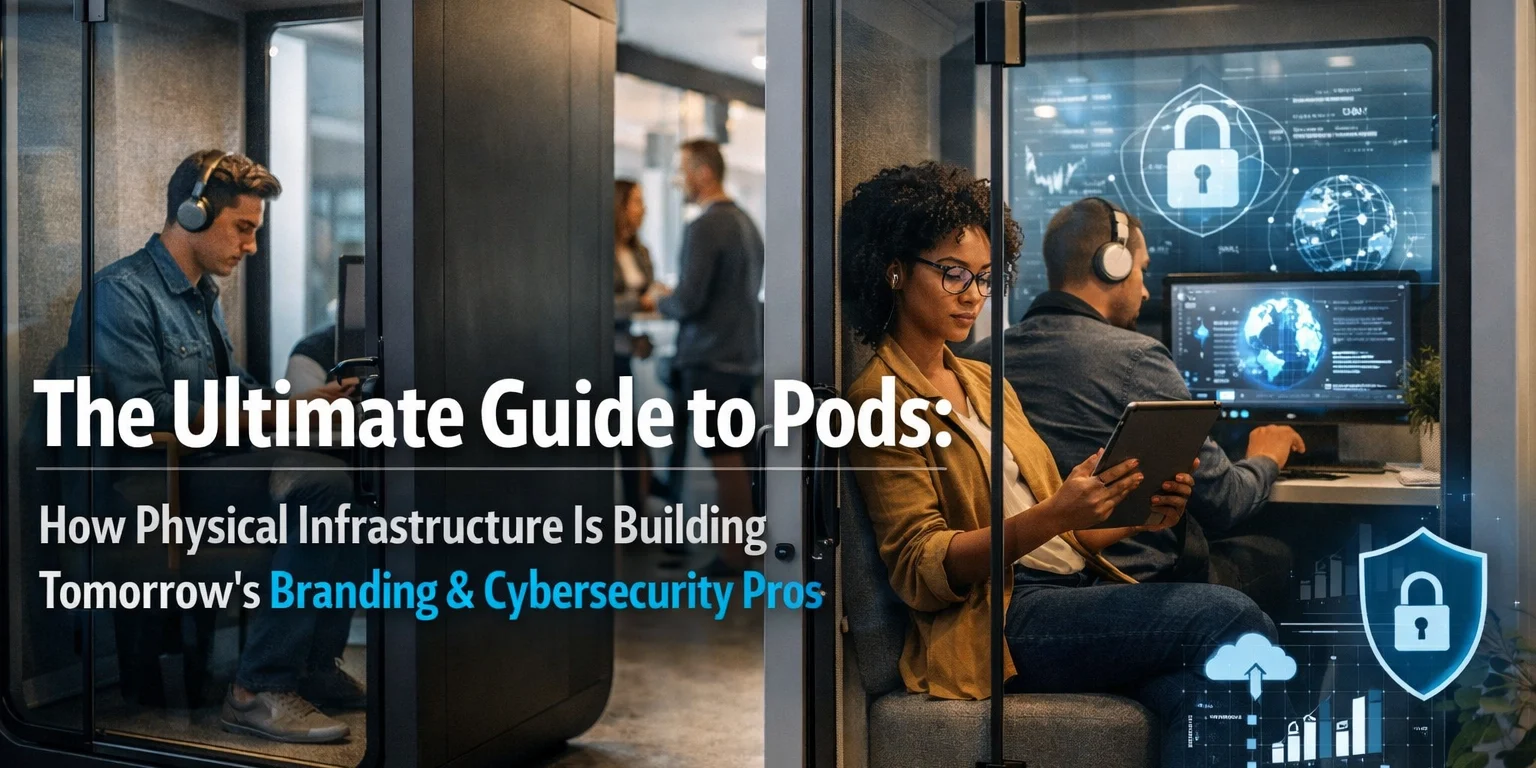
Remember when "computer lab" meant thirty identical beige boxes lined up in neat rows, all running the same outdated software? Those days are rapidly disappearing. The modern workforce development landscape is embracing something far more sophisticated: pods. These aren't your standard tech spaces: they're specialized, self-contained training environments that are reshaping how we prepare professionals for careers in cybersecurity, content creation, and even logistics management.
What Makes Pods Different
Pods represent a fundamental shift in how we think about physical training infrastructure. Rather than creating one-size-fits-all computer labs, organizations are deploying modular workspaces designed for specific career outcomes. Each pod functions as a self-contained ecosystem with specialized hardware, industry-standard software, ergonomic workstations, and networking infrastructure that mirrors actual professional environments.
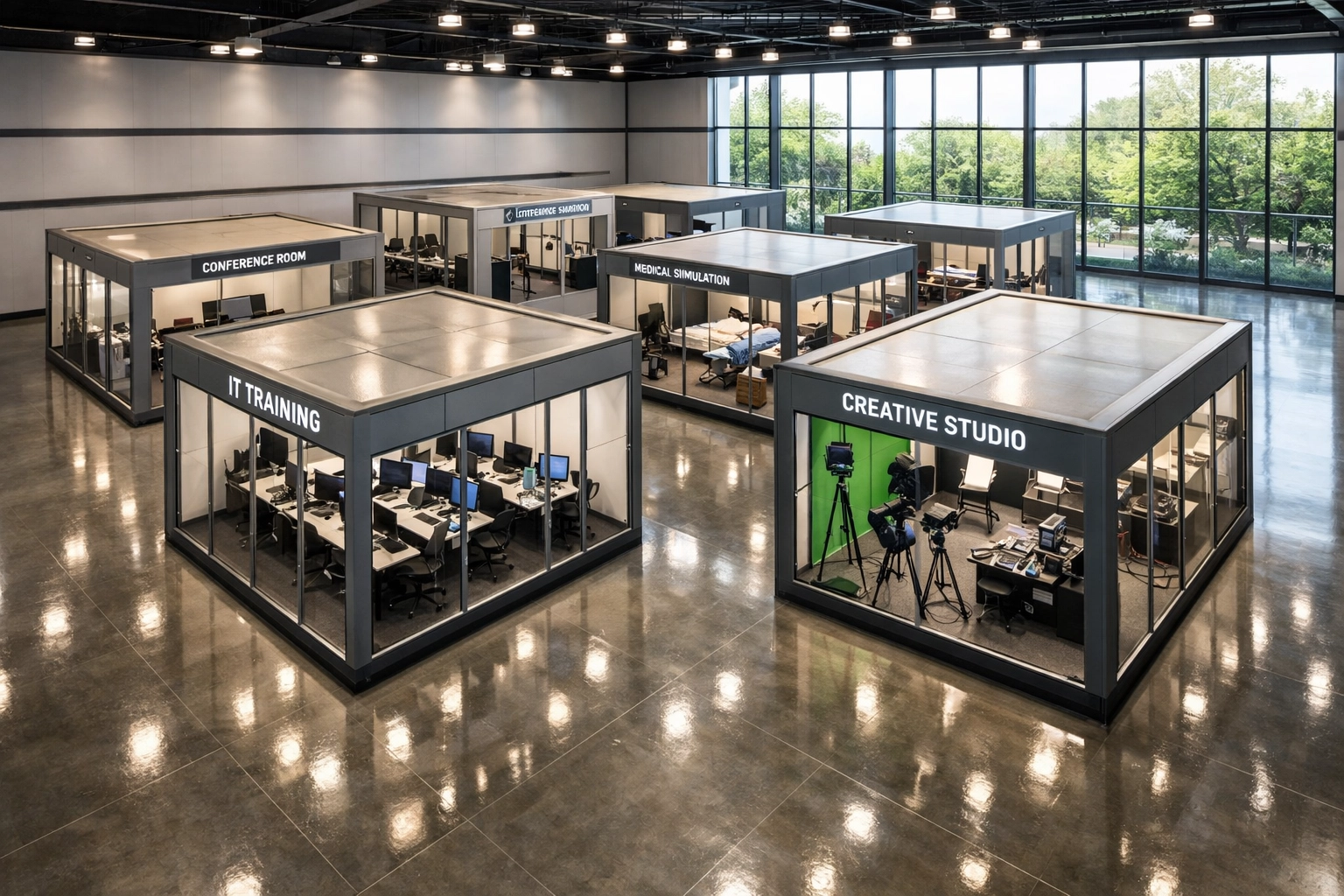
The distinction matters because modern careers demand more than general computing literacy. A cybersecurity analyst needs access to virtual machines, penetration testing tools, and network monitoring systems. A content creator requires high-performance rendering capabilities, color-accurate displays, and studio-grade audio equipment. Traditional computer labs can't efficiently serve both audiences simultaneously, but pods can coexist within the same facility, each optimized for its specific purpose.
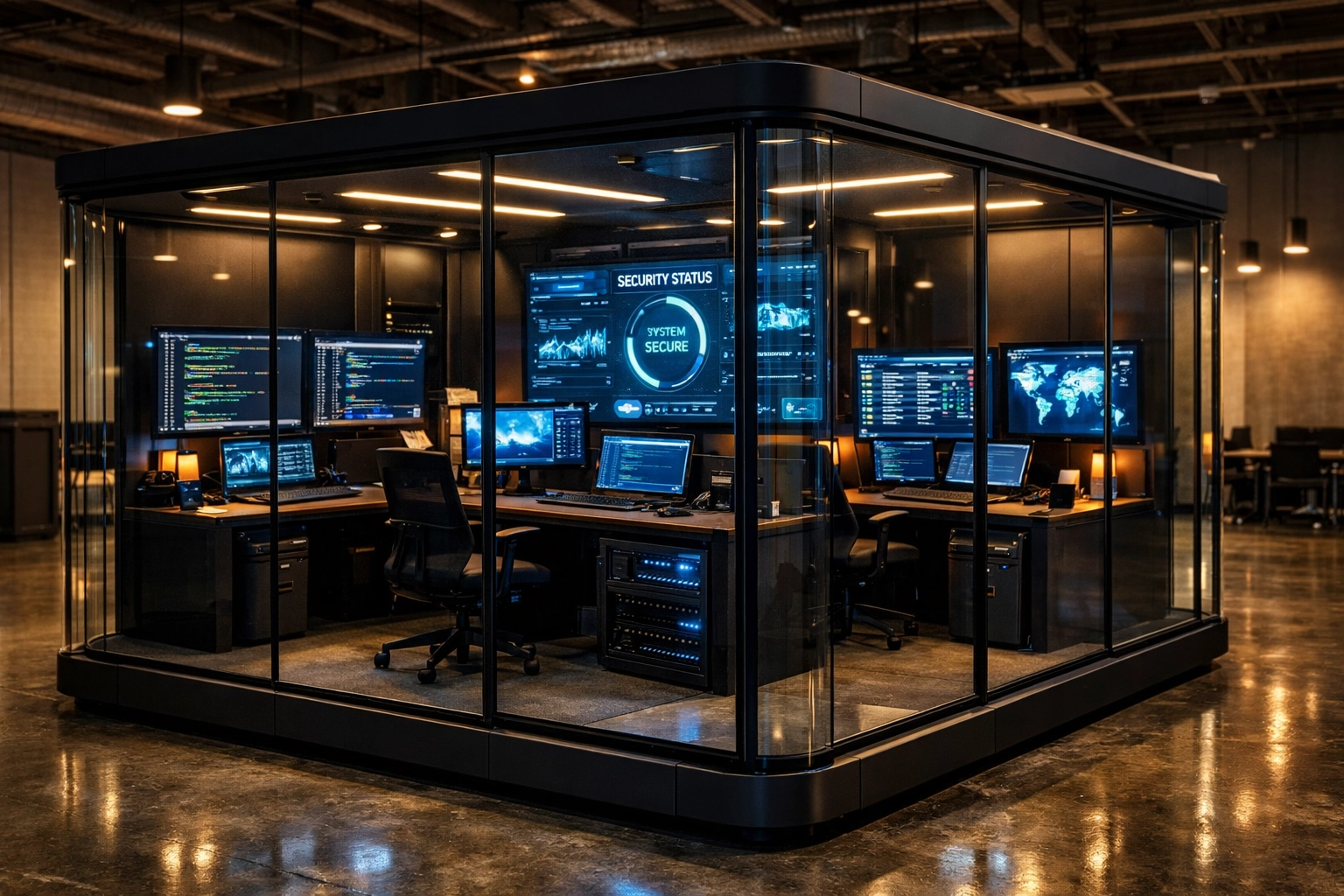
This modular approach delivers scalability that traditional labs struggle to match. Organizations can expand capacity by adding new pods as demand grows, without retrofitting entire facilities or disrupting existing training programs. When certification requirements change or new technologies emerge, individual pods can be updated independently rather than overhauling comprehensive infrastructure.
The Cybersecurity Pathway: Building Digital Defenders
Cybersecurity pods are perhaps the most technically demanding installations, requiring robust computing power and sophisticated networking configurations. These environments typically house multiple high-performance workstations capable of running virtual machines simultaneously, enabling trainees to practice threat detection, incident response, and vulnerability assessment in isolated network environments.
The physical infrastructure requirements extend beyond raw computing power. Cybersecurity pods often require VLAN segmentation and dedicated bandwidth allocations to create realistic training scenarios without compromising broader network security. These pods may operate on completely separate network infrastructure, allowing trainees to conduct penetration testing exercises and deploy potentially disruptive security tools without affecting production systems.
Heat generation becomes a significant consideration in cybersecurity pod design. Multiple workstations running processor-intensive virtual environments generate substantial thermal output, necessitating enhanced cooling systems beyond what standard office spaces typically provide. Facilities planning for cybersecurity pods must account for these elevated power and cooling requirements during initial design phases to avoid costly modifications later.

The career pathway itself moves from foundational network concepts through increasingly specialized domains. Trainees begin with basic security principles and network architecture before progressing to hands-on experience with security information and event management (SIEM) systems, intrusion detection platforms, and forensic analysis tools. The pod environment enables this progression by providing access to enterprise-grade security tools that would be prohibitively expensive or logistically challenging to deploy in traditional educational settings.
Content Creation: Where Technology Meets Storytelling
Content creation pods serve a distinctly different purpose, focusing on media production, branding, and digital storytelling. These environments integrate streaming studio capabilities with editing workstations and collaboration spaces, creating comprehensive production environments within compact footprints.
The physical layout of content creation pods emphasizes both individual focus work and collaborative production. Workstations feature color-calibrated displays essential for accurate visual content creation, while acoustically treated zones provide controlled audio environments for voiceover recording and podcast production. Lighting infrastructure supports video creation, from basic webcam streaming to more sophisticated multi-camera productions.
Unlike cybersecurity pods that emphasize isolated computing power, content creation pods benefit from integrated workflows connecting capture, editing, and distribution tools. Cloud connectivity enables collaborative editing and version control, while local storage provides the high-speed access necessary for working with large video files. This hybrid architecture balances the need for responsive local performance with cloud-based collaboration and distribution capabilities.

Career progression in content creation pods spans technical proficiency with creative development. Trainees develop practical skills in video editing, graphic design, and audio production while simultaneously building understanding of brand strategy, audience analytics, and content marketing principles. The pod environment facilitates this dual focus by housing both creation tools and analytics dashboards that track content performance in real time.
The Logistics Connection: Physical Infrastructure for Supply Chain Careers
The relationship between pods and logistics careers might seem less obvious than cybersecurity or content creation pathways, but physical infrastructure management provides essential foundational knowledge for supply chain professionals. Understanding how modular systems deploy, scale, and integrate offers direct parallels to distribution center operations, fleet management, and warehouse optimization.
Pods themselves represent miniature case studies in logistics planning. Each installation requires careful consideration of equipment procurement, space utilization, power distribution, network connectivity, and maintenance workflows. These same principles govern larger-scale logistics operations where efficiency, scalability, and resource optimization determine success.
Training programs focused on logistics can leverage pod environments to teach supply chain software systems, inventory management platforms, and transportation coordination tools. The modular nature of pods allows organizations to simulate different operational scenarios, from small distribution centers to complex multi-site networks, providing hands-on experience with the systems that drive modern supply chains.
Implementation: Beyond Equipment Purchasing
Successfully deploying pods requires comprehensive planning that extends well beyond acquiring hardware and software. Facilities must be assessed for electrical capacity, cooling requirements, and network infrastructure capabilities before installation begins. A cybersecurity pod with ten high-performance workstations demands dramatically different power and cooling specifications than a content creation pod optimized for intermittent high-intensity rendering.
Networking design deserves particular attention during the planning phase. While traditional computer labs might function adequately with basic switched networks, pods often require more sophisticated configurations. Cybersecurity pods need network segmentation that enables isolated training environments. Content creation pods benefit from high-bandwidth connections supporting large file transfers and cloud collaboration. Logistics training pods require stable connectivity for supply chain software that may integrate with external systems.
The most forward-thinking pod implementations address a challenge often overlooked in workforce development: inconsistent internet connectivity. By housing core computing resources locally and using cloud connectivity to enhance rather than enable the experience, pods maintain baseline functionality even when networks fluctuate. This hybrid architecture proves especially valuable in rural and underserved areas where reliable high-speed internet remains inconsistent, ensuring training programs continue regardless of external connectivity issues.
Career Pathway Integration
Pods excel at supporting career pathways because they align physical infrastructure with specific professional outcomes. Traditional computer labs teach general computing skills, but pods prepare trainees for particular roles with industry-standard tools and realistic work environments. This specificity matters in competitive job markets where employers value demonstrated proficiency with relevant technologies over general technical literacy.
Analytics dashboards integrated into pod environments track learner progress in real time, providing both trainees and instructors with visibility into skill development. These systems identify knowledge gaps, suggest additional practice areas, and document achievement of competency milestones. For career pathway programs leading to industry certifications, this data-driven approach helps ensure trainees are prepared for credential exams.
The modular structure also supports flexible career exploration. A trainee might begin in a content creation pod developing branding and digital marketing skills before transitioning to a cybersecurity pod to understand how digital assets require protection. This cross-functional exposure reflects modern workplace reality, where professionals increasingly need foundational knowledge across multiple domains.
Looking Forward
As workforce development evolves to meet changing economic demands, physical infrastructure must evolve accordingly. Pods represent one answer to the challenge of preparing professionals for specialized careers without the inefficiency of single-purpose facilities. By creating modular, scalable, and outcome-focused training environments, organizations can respond to shifting market needs while maintaining cost-effective operations.
The convergence of cybersecurity, content creation, and logistics expertise will define many emerging career opportunities. Professionals who understand how to protect digital assets, communicate brand narratives, and manage physical and digital supply chains simultaneously will find themselves well-positioned in an increasingly integrated business landscape. Pod-based training infrastructure makes developing this multidisciplinary expertise more accessible and effective than traditional educational approaches.
For organizations planning workforce development initiatives, pods offer a practical path forward: one that balances specialization with flexibility, technology with accessibility, and current needs with future adaptability.