Remember the old computer labs where you'd spend hours learning basic programming or graphic design? Well, welcome to their cooler, more sophisticated cousin: pods. These modular physical infrastructure units are reshaping how we think about technology training, and they're quietly becoming the launchpad for some of the most in-demand careers of 2026.
If you've been wondering where the jobs of the future are hiding, you might want to look inside these unassuming boxes of innovation. Pods aren't just tech buzzwords, they're physical spaces packed with cutting-edge equipment that create real opportunities in logistics, cybersecurity, and content creation. Let's break down why understanding pods could be your ticket to a thriving career.
What Exactly Are Pods, Anyway?
Think of pods as self-contained mini data centers or specialized workstations that pack serious punch in a compact, modular format. Unlike traditional sprawling server rooms or computer labs, pods are designed for rapid deployment and flexibility. They contain everything needed to run complex operations: power systems, cooling infrastructure, networking equipment, and the actual computing hardware, all in one neat package.
The beauty of pods lies in their modularity. Organizations can deploy them in weeks rather than the months or years required for traditional infrastructure buildouts. Need more capacity? Add another pod. Want to upgrade? Swap out a module. This plug-and-play approach has made pods the go-to solution for companies scaling their operations quickly.
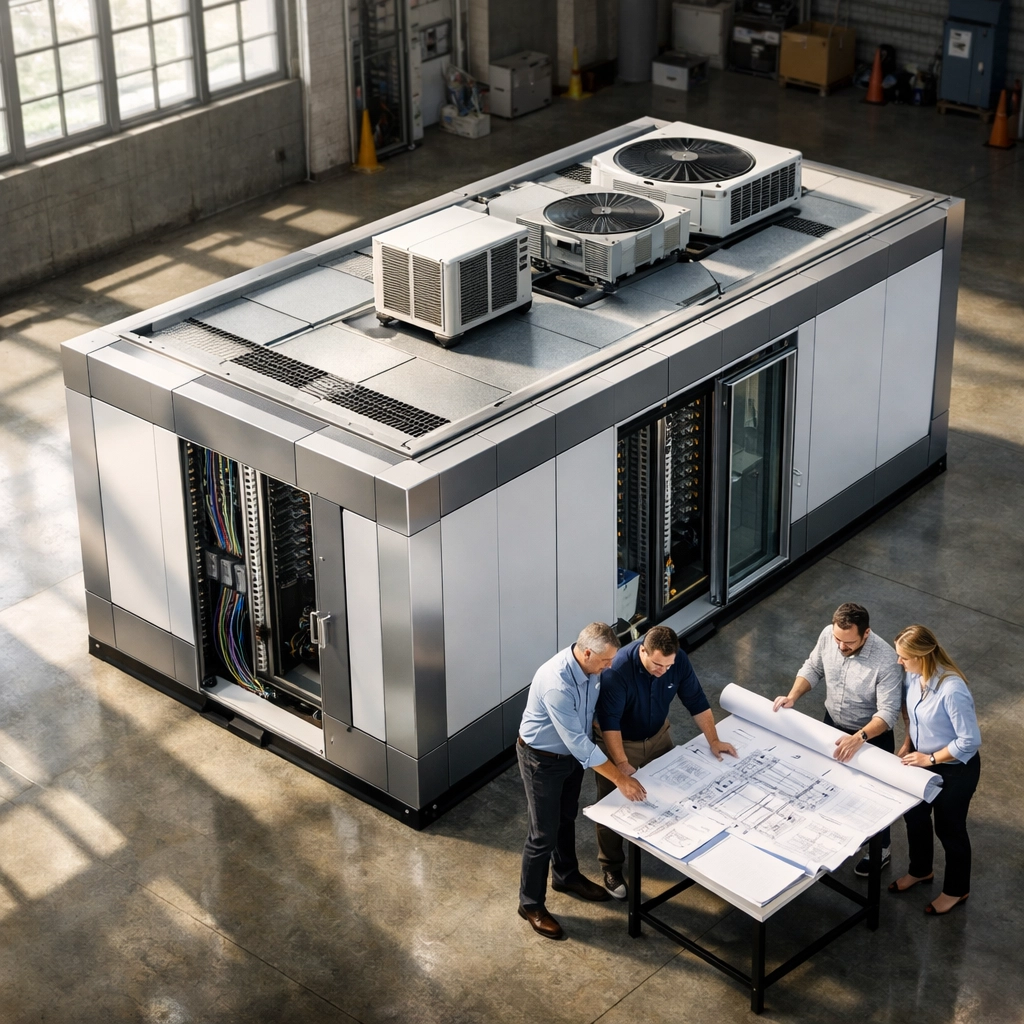
But here's where it gets interesting for job seekers: pods create diverse training environments that mirror real-world work scenarios across multiple industries. Whether you're managing the physical logistics of deploying these units, securing the data flowing through them, or creating content using their powerful processing capabilities, pods represent a convergence point for several high-growth career paths.
The Logistics Connection: Moving and Managing Physical Infrastructure
Let's start with the obvious, pods are physical objects that need to get from point A to point B. This simple fact has created an entire ecosystem of logistics opportunities that blend traditional supply chain management with cutting-edge technology understanding.
Deploying a data center pod isn't like shipping a pallet of office supplies. These units can weigh several tons, contain sensitive equipment worth hundreds of thousands of dollars, and require precise installation procedures. Logistics professionals working with pods need to understand not just transportation and warehousing, but also the technical requirements of what they're moving.
This specialization has spawned roles like infrastructure deployment managers, technical logistics coordinators, and data center supply chain analysts. These positions command higher salaries than traditional logistics roles because they require both operational excellence and technical knowledge. You need to know how to negotiate with freight carriers and understand why the cooling system specifications matter.
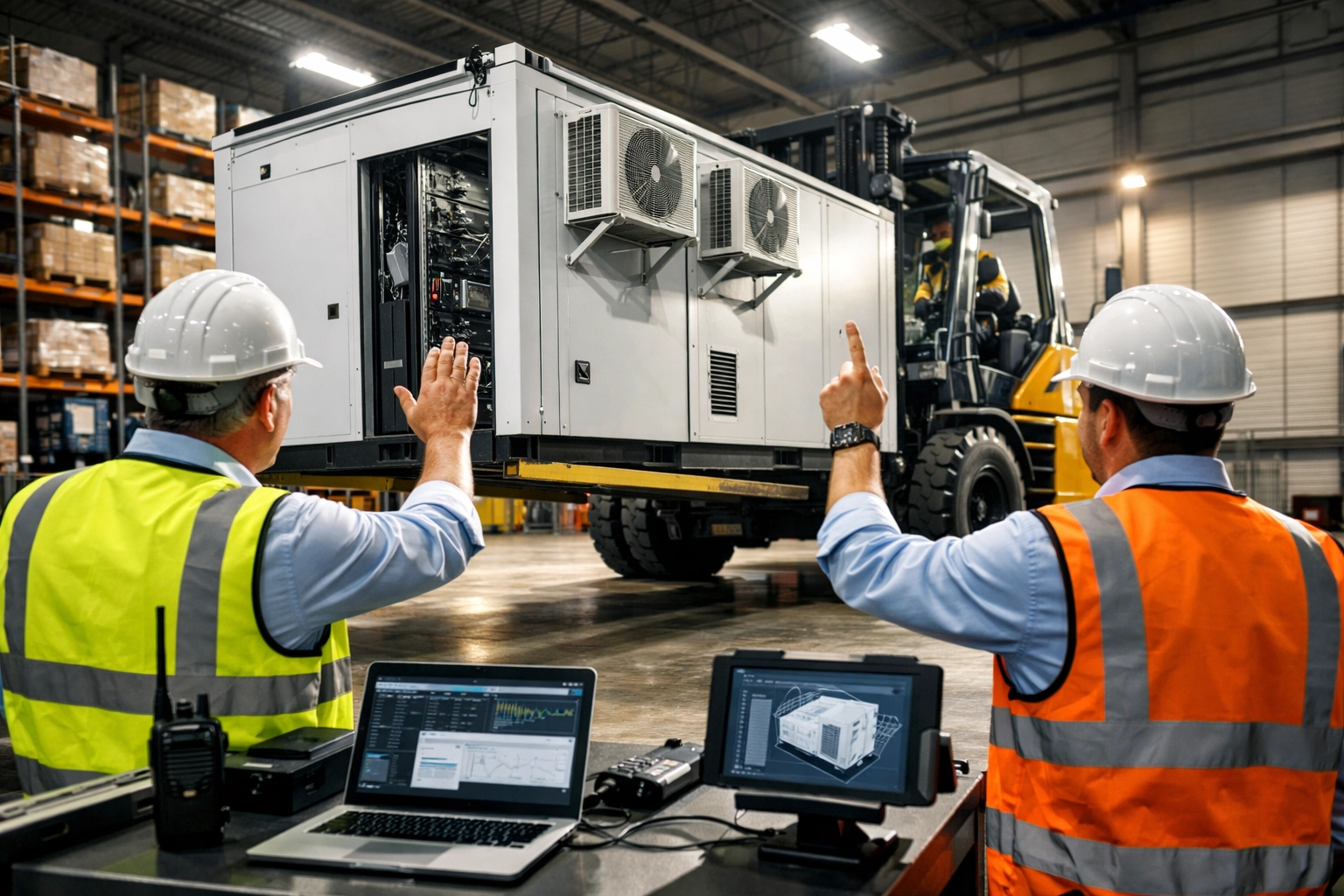
The scalability of pod architecture means companies are constantly expanding, relocating, or upgrading their physical infrastructure. Each move creates opportunities for professionals who understand both the physical and digital aspects of these deployments. According to industry observations, the modular data center market continues expanding as organizations seek faster, more flexible infrastructure solutions.
For those entering logistics, specializing in technology infrastructure gives you a competitive edge. You're not just moving boxes, you're enabling digital transformation. That distinction matters when companies are looking for logistics professionals who can speak the language of both the loading dock and the server room.
Cybersecurity: Protecting the Pod Ecosystem
Now let's talk about what happens once those pods are up and running. Every pod represents a potential entry point for cyber threats, and securing these distributed, modular systems requires a unique skill set that traditional cybersecurity training often overlooks.
Pod infrastructure creates interesting security challenges. Unlike centralized data centers with established perimeters, pods can be deployed at edge locations, remote sites, or customer facilities. Each deployment creates new attack surfaces that need protection. Cybersecurity professionals working with pod infrastructure need to understand physical security, network segmentation, access control, and the specific vulnerabilities that come with modular, rapidly deployed systems.
The containerized nature of modern pod deployments: particularly when they're running Kubernetes or similar orchestration platforms: adds another layer of complexity. Securing containerized applications requires understanding how pods (in the Kubernetes sense) communicate, how to implement proper isolation, and how to monitor for suspicious activity across distributed deployments.

This creates opportunities for security professionals who can bridge the gap between infrastructure and application security. Roles like pod security architects, edge security specialists, and infrastructure penetration testers are emerging as companies realize their modular deployments need specialized security expertise.
The hands-on nature of working with physical pod infrastructure also provides excellent training opportunities. Unlike purely virtual environments, working with pods gives you tangible experience with the hardware-software interface that's often missing from traditional cybersecurity education. You learn how physical access controls integrate with digital security measures, how cooling system failures can create security vulnerabilities, and how to secure infrastructure that might be deployed in less-than-ideal locations.
Content Creation: Harnessing Pod Processing Power
Here's where things get really interesting for creative professionals. The same pod infrastructure that supports enterprise operations is increasingly being leveraged for high-performance content creation workloads. GPU pods: units packed with graphics processing units interconnected through high-speed networks: are enabling content creators to do things that would have been impossible just a few years ago.
Video editors working with 8K footage, 3D artists rendering complex scenes, and AI-assisted content creators all benefit from the massive parallel processing power that GPU pods provide. But accessing this power requires understanding how to work with pod-based infrastructure, submit jobs to distributed systems, and optimize workflows for modular computing environments.
Content creation professionals who understand pod architecture can work more efficiently and take on more ambitious projects. They're not limited by the processing power of their local workstation: they can tap into shared resources that dramatically accelerate rendering, transcoding, and AI model training.
This knowledge gap creates opportunities for technically-minded creative professionals. Studios and production companies need people who can manage their rendering infrastructure, optimize content workflows for distributed systems, and train other creatives on how to leverage these resources effectively. Roles like render farm administrators, content pipeline engineers, and technical directors increasingly require understanding of pod-based infrastructure.

The democratizing effect of pod infrastructure also means smaller creators can access enterprise-level resources. Cloud providers offer pod-based rendering services, AI platforms run on GPU pod clusters, and content creation software increasingly assumes you have access to distributed computing resources. Understanding how to work within these systems becomes a core competency, not a specialized skill.
Getting Started: Your Pod Education Path
So how do you actually gain experience with pod infrastructure? The good news is that the modular nature of pods makes them accessible for training purposes. Many technical schools and community colleges are starting to deploy small pod setups as teaching labs, giving students hands-on experience with real infrastructure.
For logistics professionals, consider seeking certifications in data center operations alongside your traditional supply chain credentials. Understanding the technical requirements of what you're moving makes you infinitely more valuable. Look for opportunities to work with technology-focused logistics providers or pursue roles with cloud infrastructure companies.
Cybersecurity professionals should seek out training that includes physical infrastructure security, not just application or network security. Certifications that cover data center security, industrial control systems, or IoT security provide relevant knowledge. Better yet, look for opportunities to work with companies deploying edge infrastructure or managing distributed pod deployments.
Content creators should explore cloud rendering services, experiment with distributed processing tools, and learn about containerization technologies. Understanding how to package your workflows for distributed execution opens up new possibilities. Many rendering platforms offer free tiers that let you experiment with pod-based processing without major investment.
Why This Matters Now
The shift toward modular, pod-based infrastructure isn't a future trend: it's happening right now. Companies are deploying pods to meet scaling demands that traditional infrastructure can't accommodate quickly enough. This deployment wave creates immediate opportunities for professionals who understand how these systems work.
The convergence of logistics, security, and creative work around pod infrastructure also reflects broader changes in how we think about technology careers. The old model of strict specialization is giving way to hybrid roles that require understanding multiple domains. The logistics professional who understands cooling requirements, the security specialist who knows hardware, and the content creator who understands distributed systems: these are the professionals commanding premium positions.
Pods represent physical infrastructure with very real career implications. They're not abstract cloud concepts or distant data centers: they're tangible systems being deployed, secured, and utilized right now. Getting in on the ground floor of this infrastructure wave positions you for career growth as the technology matures and becomes even more ubiquitous.
The ultimate takeaway? Start thinking of pods not as obscure technical infrastructure, but as the training grounds and workspaces that will define the next generation of logistics, security, and creative professionals. Your career gateway might just come in a modular, self-contained package.