On February 8, 2026, the world watched as Super Bowl LX unfolded, marking another historic chapter in sports and entertainment. Now, as we sit in April 2026, the data is in, the commercials have been dissected, and the branding lessons are clear. For business leaders and marketers, this event remains the ultimate litmus test for high-stakes engagement.
At USA Entertainment Ventures LLC, we specialize in navigating the complex intersection of entertainment and business strategy. Success on this scale is never accidental; it is the result of meticulous planning, legal precision, and an unwavering commitment to brand authenticity. Whether you are looking to recap your performance or planning for the next major sporting milestone, this guide provides the framework for success in the elite tier of sports branding.
Navigating the Legal Minefield: Protecting Your Brand
The first step to any successful campaign centered around "The Big Game" is understanding the strict legal parameters set by the NFL. Since 1969, the league has held federal trademark protection over the term "Super Bowl," and they are notoriously vigilant in defending it.
Understanding Trademark Restrictions
As we observed during the 2026 season, the NFL strictly enforces its rights over several key terms and images. Protected elements include:
- The Terms: "Super Bowl," "Super Sunday," "Gameday," and "Back to Football."
- The Logos: Team helmets, the NFL shield, and the specific Super Bowl LX logo.
- The Players: Using an athlete's name or likeness without a specific Name, Image, and Likeness (NIL) agreement or league approval.
Businesses that failed to adhere to these guidelines often found themselves on the receiving end of cease-and-desist letters, even for something as seemingly innocuous as a social media post or a local event flyer.
The "Big Game" Alternative
To navigate these restrictions, successful brands utilized generic terminology. Terms like "The Big Game" or "The Championship Sunday" allow businesses to capture the excitement of the event without infringing on intellectual property. Utilizing generic football imagery, such as yard lines, whistles, or generic turf, helped maintain the "football feel" while staying legally compliant.
For a deeper dive into how your business can navigate these complexities, visit our Services page to learn about our strategic consulting.

The Three-Phase Winning Strategy
The most impactful campaigns of 2026 did not just happen on game day. They followed a three-phase "Playbook" that maximized visibility and return on investment (ROI) over a two-month period.
Phase 1: Pre-Game Hype (January)
The smartest brands began their campaigns three to four weeks prior to kick-off. During this phase, the goal was audience building. By using "teaser" content, brands were able to identify and segment interested consumers.
Data from the 2026 season shows that brands that utilized social listening during this phase saw a 22% higher engagement rate on game day. These companies created a "warmed-up audience," meaning their game-day advertisements weren't cold calls, they were the continuation of a narrative already in progress.
Phase 2: Game Day Execution and the "War Room"
On February 8, 2026, the successful brands operated with a "brand war room" mentality. This required real-time agility. Advertisers had to be ready to pivot based on the game's flow, whether it was a blowout, an overtime thriller, or a viral moment during the halftime show.
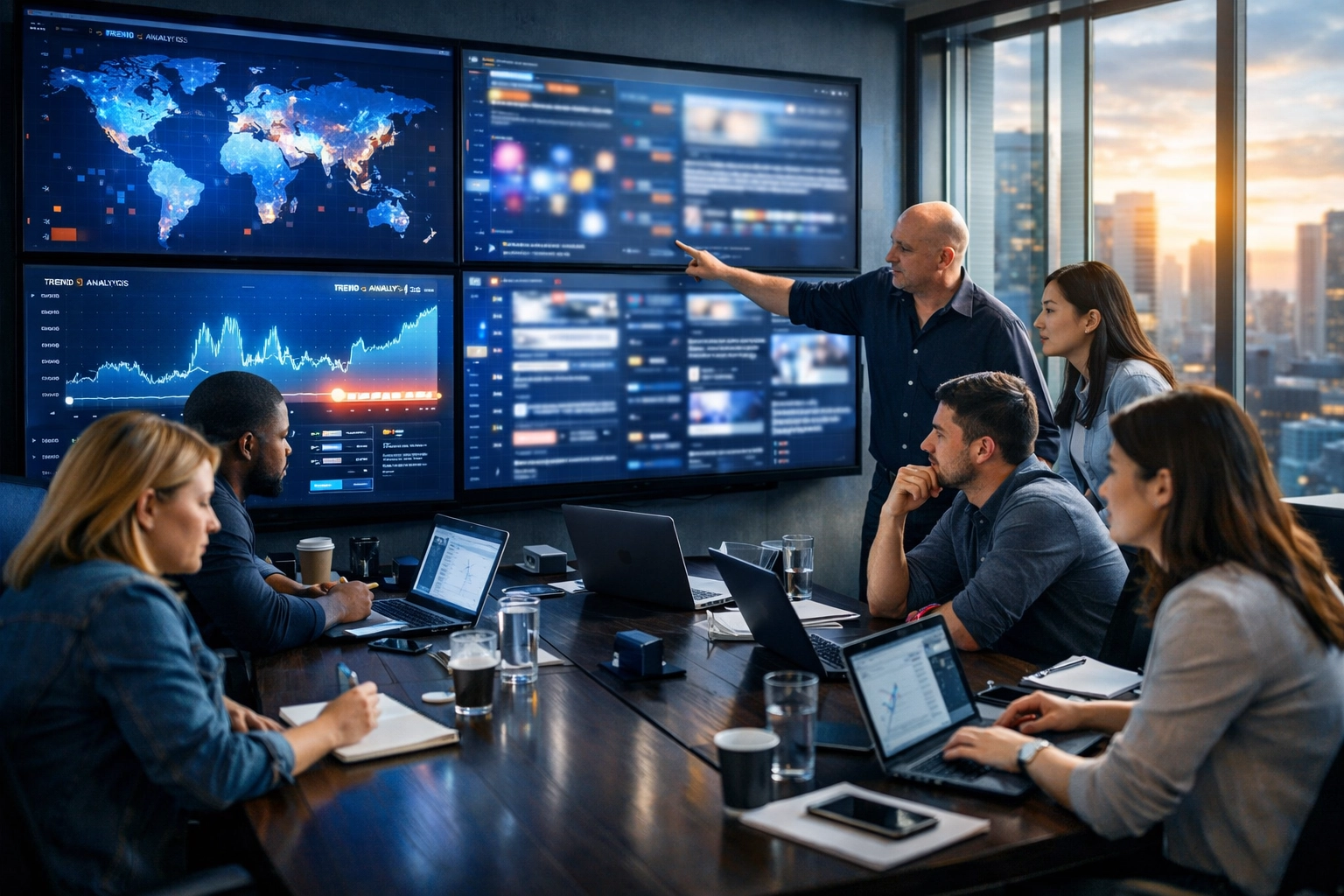
Success in this phase relied on having pre-approved creative assets for various scenarios. Brands that waited for approval cycles during the game missed the window of relevance. In 2026, the speed of social media required responses within seconds, not minutes.
Phase 3: Post-Game Retention (The 30-Day Window)
Perhaps the most overlooked aspect of Super Bowl branding is the post-game strategy. The real ROI often happens in the 30 days following the final whistle. This is the "Winner’s Circle" phase.
In 2026, we saw brands successfully use transit corridor branding, placing advertisements in airports and major transportation hubs, to capture the attention of fans traveling home. Retargeting the audience built in Phase 1 with "post-game recaps" or exclusive offers ensured that the brand remained top-of-mind well into the first quarter of the year.
The Super Bowl Playbook: Sports Media’s Advertising Strategy
To truly understand the mechanics of these high-level campaigns, one must look at the broader sports media landscape. Our newsletter, The Super Bowl Playbook, highlights how top-tier agencies coordinate multi-channel strategies to ensure their message is inescapable.
As Dan Kost, CEO of USA Entertainment Ventures LLC, often notes, the goal isn't just to be seen; it's to be remembered. For a visual breakdown of how these strategies are implemented, watch the video below:
https://www.youtube.com/watch?v=l6J-0zileKE
This video illustrates the sheer scale of the advertising machinery involved. It emphasizes that while the 30-second spot is the centerpiece, the surrounding digital and physical infrastructure is what drives conversion.
Authenticity in NIL and Athlete Branding
The 2026 season was a landmark year for Name, Image, and Likeness (NIL) deals. However, the market also showed signs of "endorsement fatigue." Consumers in 2026 became increasingly adept at spotting inauthentic partnerships.
Narrative Depth Over Novelty
The most successful athlete-led campaigns prioritized narrative depth. Instead of a simple "product shot" with a star quarterback, brands focused on behind-the-scenes preparation or personalized game-day rituals. This transparency built trust with the audience.
For athletes and brands alike, the lesson from 2026 is clear: authenticity drives conversion. If a partnership feels forced, the audience will tune out. For more examples of how we manage these high-level relationships, see our Showcase.

Practical Implementation Checklist for Future Success
If you are looking to implement these lessons for future major events, consider this checklist derived from the successes of the 2026 season:
- Lead Time: Start at least four weeks out. Audience building takes time and cannot be rushed in the final 48 hours.
- Simplicity: Keep messaging clear. If a consumer cannot understand the value proposition in 10 seconds, the message is too complex for the fast-paced environment of a major sporting event.
- Scenario Planning: Create content for at least five different game outcomes (the blowout, the comeback, the controversial call, the overtime, the underdog win).
- Multi-Channel Presence: Do not rely solely on social media. Integrate physical touchpoints and email marketing to create a 360-degree brand experience.
- Legal Review: Ensure every piece of creative is vetted for trademark compliance. The cost of a legal battle far outweighs the benefits of using a protected term.
Why Branding Strategy Matters More Than Ever
As we look toward the future of business consulting and entertainment management, the scale of these events will only continue to grow. The competition for attention is fierce, and the cost of entry is high. However, with a disciplined approach and a clear understanding of the "Playbook," the rewards are significant.
At USA Entertainment Ventures LLC, we are committed to helping our clients navigate these high-stakes environments. From legal compliance to real-time execution, our team provides the expertise needed to turn a "Big Game" moment into a long-term business success.
If you are ready to elevate your brand's presence in the world of sports and entertainment, we invite you to reach out to us. Whether you need consulting on NIL deals, media strategy, or brand positioning, our team is here to guide you.
For more information, please visit our About Us page or Contact us directly to start a conversation about your next big move.
The 2026 championship may be over, but the branding season never truly ends. By applying these lessons today, you ensure that your business is not just a spectator, but a major player in the global entertainment economy.
USA Entertainment Ventures LLC provides expert business consulting at the intersection of sports, media, and corporate strategy. Based in the United States, we help brands and talent achieve sustainable growth through innovative marketing and strategic management.