

Super Bowl LX, held on February 8, 2026, at Levi’s Stadium in Santa Clara, was more than just a championship football game. For the world of sports media and advertising, it represented a monumental shift in how brands connect with audiences. In a landscape where the traditional 30-second television spot is no longer the final destination but rather a launchpad for a multi-channel experience, understanding the mechanics of this event is crucial for any business looking to dominate the sports media space.
At USA Entertainment Ventures LLC, we specialize in navigating these complex media ecosystems. Whether you are a blue-chip corporation or a growing enterprise, the lessons learned from the 2026 Super Bowl cycle provide a blueprint for high-impact marketing.

The $8 Million Benchmark: Understanding the Investment
In 2026, the price for a 30-second television advertisement reached a staggering $8 million. This premium price point reflects the Super Bowl’s status as the last remaining "monoculture" event in American media: one of the few times tens of millions of people watch the same content simultaneously.
However, raw reach is only part of the equation. A high price tag does not guarantee a return on investment (ROI) if the creative execution lacks strategic depth. For many brands, the barrier to entry for a national broadcast spot is too high. This has led to a surge in venue-based advertising. By focusing on the physical environment of Levi’s Stadium and the surrounding Santa Clara area, savvy marketers utilized billboards and jumbotron displays to capture the attention of the hundreds of thousands of fans visiting for the festivities. These geotargeted efforts offer a fraction of the cost while providing "inescapable" attention from a high-value live audience.
The Three-Phase Strategic Framework
The most successful campaigns of 2026 did not view the Super Bowl as a single day. Instead, they executed a three-phase strategy that turned a four-hour game into a month-long brand odyssey.
Phase 1: Pre-Game Hype (January 15 – February 7)
Success begins weeks before kickoff. This phase is about building anticipation. Brands that dominated in 2026 used platforms like TikTok and YouTube to release "teasers" of their commercials, creating a sense of mystery and excitement. This period is also critical for search engine optimization (SEO). By ensuring that branded queries lead directly to owned media properties, companies captured early intent.
Phase 2: Game Day (February 8)
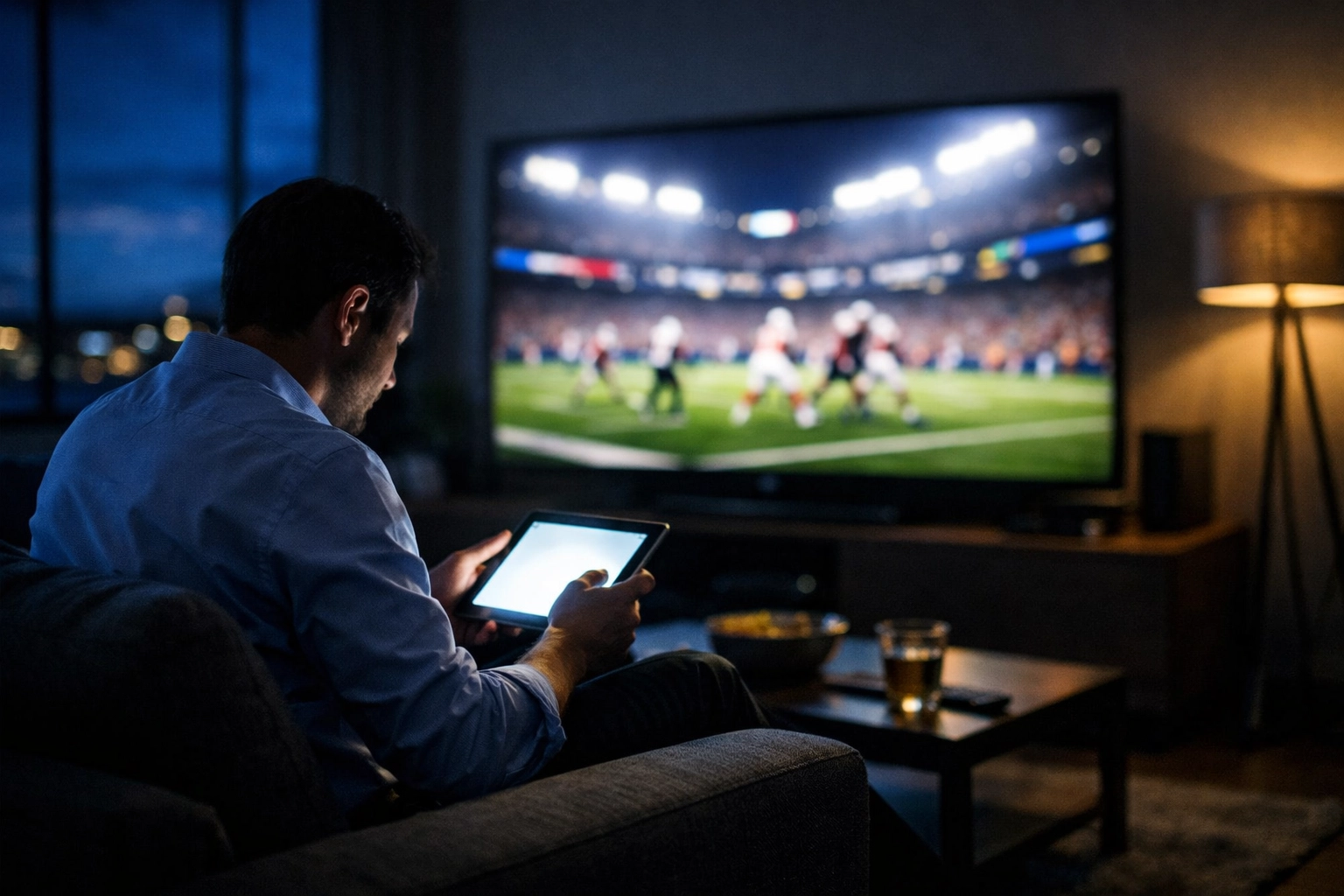
On the day of the event, agility is the most valuable asset. The "Second Screen" phenomenon reached new heights in 2026, with over 70% of viewers engaging with a smartphone or tablet while watching the game. Successful advertisers prepared "standby" ad sets: creative content ready to be deployed based on game outcomes, such as a specific team winning or a viral halftime moment. Real-time social media reactions allowed brands to stay relevant as conversations shifted from the field to the digital world.
Phase 3: Post-Game Saturation (February 9–15)
The week following the Super Bowl is often referred to as the "hangover" period, but for advertisers, it is a time of high-intent search activity. Millions of people search for commercial recaps, highlight reels, and expert commentary. By aggressively retargeting audiences who engaged with pre-game or game-day content, brands extended their visibility and moved consumers further down the sales funnel.
The Multi-Screen Audience: A Force Multiplier
The shift toward multi-screen behavior has fundamentally reshaped sports media advertising. Consumers are no longer passive observers; they are active participants. They scroll through TikTok during commercial breaks, check sports betting apps for real-time odds, and share memes about the halftime show.
This behavior means that social media is a "force multiplier." When a competitor spends $8 million on a TV spot, the audience immediately turns to social platforms to discuss it. If your brand is present in those digital spaces with clever, contextual content, you can effectively "piggyback" on the massive attention generated by the television broadcast without the eight-figure price tag.
For a deeper dive into how these strategies are formulated, we invite you to view our newsletter insights:
Newsletter: The Super Bowl Playbook – Sports Media's Advertising Strategy
https://www.youtube.com/watch?v=l6J-0zileKE
Creative Trends: What Resonated in 2026?
Data from the 2026 cycle shows that four specific creative pillars drove the highest engagement:
- Health and Wellness: As consumer consciousness shifts toward longevity and mental well-being, brands that aligned themselves with these values saw significant positive sentiment.
- Authenticity Over Celebrity: While major stars still appeared, the most "viral" moments often featured real people or authentic stories that felt relatable rather than manufactured.
- Nostalgia and Unexpected Collaborations: Brands that tapped into the 90s and early 2000s aesthetics or paired unlikely partners created "Monday morning conversations" that lasted long after the game ended.
- Emotional Connection: Ads that moved beyond humor to create a genuine emotional tie with the viewer fostered stronger brand loyalty.
The Venue Advertising Advantage
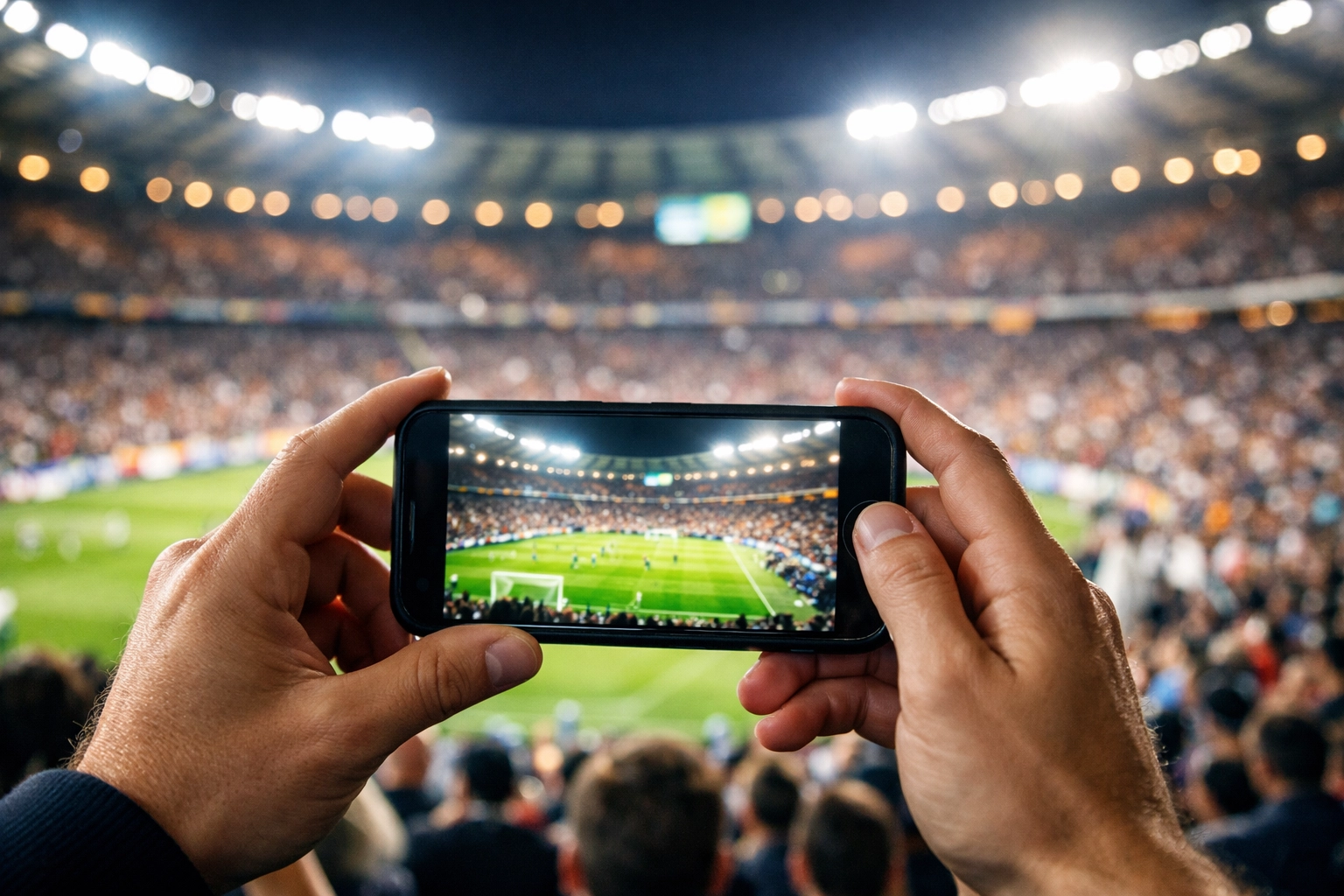
While digital and broadcast channels are vital, the physical space should not be overlooked. Venue-based advertising in 2026 proved particularly effective for non-endemic brands: those not traditionally associated with sports. By utilizing large-scale billboards in high-traffic corridors and jumbotron displays within the stadium district, brands maintained a constant presence that was impossible for attendees to "swipe past" or "skip."
This approach is part of what we offer at USA Entertainment Ventures LLC. We help businesses identify these high-impact, physical touchpoints that complement their digital strategies. You can see examples of our work in our Showcase section.
Actionable Takeaways for Future Success
To succeed in the modern sports media landscape, consider the following practical steps:
- Audit Your Digital Presence: Ensure your website and social channels can handle a surge in traffic and are optimized for mobile users.
- Implement Contextual Targeting: Don't just target "sports fans." Target fantasy football participants, betting enthusiasts, and fans of specific teams to ensure your message is relevant.
- Balance Traditional and Digital: Use the reach of traditional media to build awareness, but use the precision of digital media to drive conversions.
- Plan for Real-Time Engagement: Have a team ready to respond to live events. The difference between a "good" campaign and a "legendary" one is often a well-timed tweet or post.

Looking Ahead
The 2026 Super Bowl demonstrated that the future of advertising is integrated, interactive, and intelligent. The lines between the physical and digital worlds are blurring, and brands that can successfully bridge that gap will be the ones that thrive.
As we look toward future major sporting events, the importance of a structured, data-driven approach cannot be overstated. At USA Entertainment Ventures LLC, we remain committed to helping our clients navigate these changes with simple, effective, and authoritative consulting services.
If you are ready to take your sports media strategy to the next level, we encourage you to explore our Services or Contact us directly for a consultation.
The game is changing, and it is time for your brand to step onto the field. Whether through national broadcast or targeted venue-based displays, the opportunities for growth in sports media have never been greater.
About USA Entertainment Ventures LLC: We provide expert business consulting with a focus on the entertainment and sports media sectors. Our mission is to help brands navigate the complexities of modern marketing with clarity and precision.
Visit our About Us page to learn more about our vision.


