
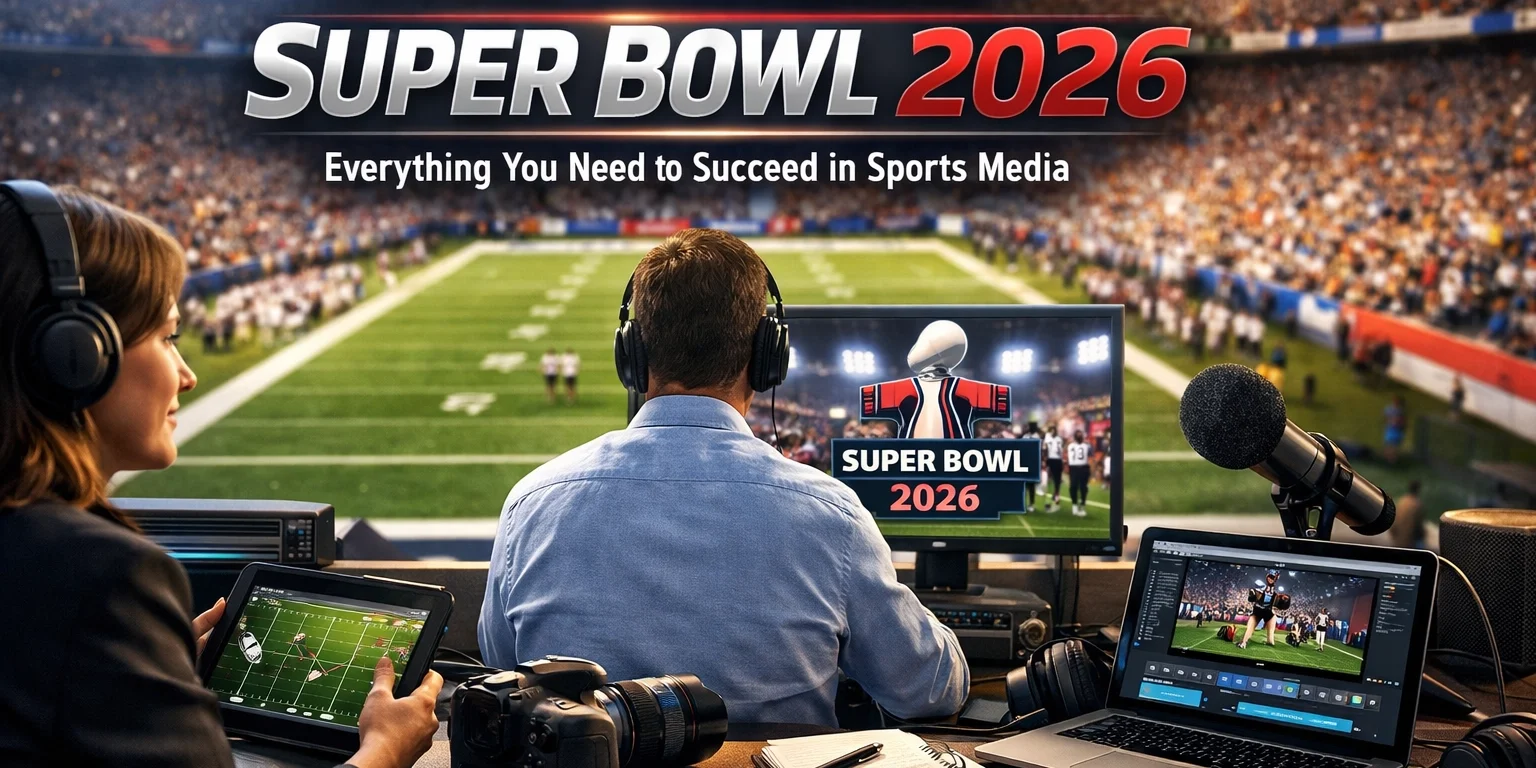
The dust has settled on Super Bowl LX, and the data paints a clear picture: the intersection of sports, entertainment, and media has reached a new zenith. On February 8, 2026, the world watched as the Seattle Seahawks secured their second franchise title with a 29–13 victory over the New England Patriots. While the action on the field at Levi’s Stadium was the primary draw, for those of us in the business of sports media and advertising, the real story was happening in the broadcast booths and on digital screens across the globe.
As we look back from the vantage point of mid-March, the lessons learned from Super Bowl 2026 provide a definitive roadmap for brands, advertisers, and media professionals looking to navigate the complex landscape of high-stakes sports marketing. At USA Entertainment Ventures LLC, led by CEO Dan Kost, we believe that understanding these trends is not just about looking backward: it is about preparing for the next evolution of engagement.
The Multimedia Evolution: NBC and Peacock’s Unified Front
Super Bowl LX was more than just a televised game; it was a masterclass in hybrid broadcasting. With NBC handling the linear television broadcast and Peacock managing the digital stream, we witnessed the most seamless integration of traditional and digital media in sports history. The announcers: Mike Tirico, Cris Collinsworth, Melissa Stark, and Kaylee Hartung: provided a narrative that bridged the gap between old-school sports analysis and new-age viewer expectations.
For media professionals, the primary takeaway is the "omni-channel" necessity. In 2026, a consumer's attention is rarely on a single screen. The broadcast utilized interactive overlays and real-time statistics that were exclusive to the streaming experience, creating a reason for viewers to engage with the digital platform even if they had the game on a big screen.

Advertising Strategy: The Super Bowl Playbook
One of the most critical resources released this season was our newsletter, The Super Bowl Playbook – Sports Media's Advertising Strategy. This guide highlighted the shift from "viral moments" to "sustained engagement." The most successful advertisers in 2026 didn't just buy a 30-second spot; they built a narrative ecosystem that began weeks before the kickoff.
The strategy involves a three-tier approach:
- Pre-Game Anticipation: Using social media teasers to build a community around the ad’s concept.
- In-Game Execution: High-production value commercials that leverage emotional triggers or high-energy spectacle.
- Post-Game Conversion: Directing viewers to specific landing pages or interactive experiences to capture data and build long-term loyalty.
For those looking to understand the visual and strategic components of these high-level campaigns, we recommend reviewing the insights shared in this informative video:
https://www.youtube.com/watch?v=l6J-0zileKE
The Venue and the Value: Santa Clara as a Media Hub
Levi’s Stadium in Santa Clara proved once again why the San Francisco Bay Area is a premier destination for global events. Hosting 70,823 fans in person is a logistical feat, but hosting tens of millions of digital "visitors" through sophisticated stadium infrastructure is where the true value lies. The 2026 game was the second time this venue hosted the Super Bowl, and the technological upgrades since Super Bowl 50 were evident.
From a business consulting perspective, the infrastructure of the venue: including high-speed connectivity and dedicated media zones: is a major factor in the success of the broadcast. Brands that partnered with Sports Media and utilized specialized advertising placements within the stadium's digital ecosystem saw a significant uptick in brand recall.

Halftime and the Global Reach of Entertainment
The selection of Bad Bunny as the halftime performer was a strategic masterstroke by the NFL and its partners. By choosing an artist with massive global appeal and a strong foothold in the Latin American market, the league ensured that Super Bowl LX would resonate far beyond North American borders.
This highlights an essential trend in sports media: the "entertainment crossover." We are no longer just selling a football game; we are selling a cultural event. For businesses, this means that sports-related marketing must incorporate broader cultural elements: music, fashion, and technology: to remain relevant. Consulting firms like USA Entertainment Ventures LLC often emphasize this convergence when helping clients build their brand presence.

Key Data Points: Super Bowl LX by the Numbers
To understand the success of 2026, we must look at the hard data. The facts provide an objective measure of the event's impact:
- Final Score: Seattle Seahawks 29, New England Patriots 13.
- Total Attendance: 70,823 (exceeding standard capacity).
- Weather Conditions: A fair 67°F, which allowed for optimal outdoor broadcast quality.
- Ad Pricing: The cost of a 30-second spot reached record highs, driven by the demand for Peacock’s targeted digital inventory.
These statistics suggest that the appetite for live sports remains the single most powerful driver of audience aggregation in the world. For those interested in how these numbers translate to business opportunities, exploring Zoomedia News can provide further context on industry trends.
Actionable Takeaways for Sports Media Success
As we project current trends into the future, several actionable strategies emerge for businesses looking to capitalize on the "Super Bowl effect":
1. Prioritize Mobile Integration
With the rise of mobile viewing and second-screen engagement, advertising must be "mobile-first." This means ensuring that call-to-actions are easily clickable and that video content is optimized for smaller screens. Innovations in Mobile Highway Ads have shown that reaching consumers in transit or on the go is a vital part of a holistic strategy.
2. Leverage High-Impact Visuals
In a crowded media environment, the quality of your visual assets can make or break a campaign. Utilizing advanced display technologies, such as those provided by Sportrons, ensures that your brand message is seen clearly, whether on a stadium jumbotron or a home television.
3. Focus on Data-Driven Consulting
The complexities of modern sports media require an expert touch. Professional business consulting is no longer a luxury; it is a necessity for navigating contract negotiations, media buys, and brand positioning. USA Entertainment Ventures LLC specializes in providing these insights to help businesses maximize their return on investment.

Looking Toward Super Bowl LXI and Beyond
The success of the 2026 game has set a high bar for future events. We are seeing a move toward more personalized viewing experiences, where AI-driven analytics will allow viewers to choose their own camera angles or receive personalized ad content in real-time.
As we continue to monitor the landscape through Zoomedia, it is clear that the future of sports media is bright, optimistic, and filled with opportunity. The key to success is staying informed and being willing to adapt to new technologies as they emerge.
Conclusion
Super Bowl LX was a landmark event that demonstrated the enduring power of the NFL and the innovative potential of modern media. From the Seahawks' dominant performance to Bad Bunny’s electric halftime show, every element of the day was designed for maximum impact.
For brands and media professionals, the takeaway is simple: the game is changing, and the "playbook" must change with it. By focusing on multi-channel engagement, cultural relevance, and data-driven strategies, any business can find its place on the world's biggest stage.
If you are looking to refine your own sports media strategy or need expert guidance in the world of entertainment ventures, we invite you to explore our resources and join the conversation. The road to the next Super Bowl starts now.





