The Super Bowl has long represented the pinnacle of advertising opportunity: a moment when millions of viewers gather simultaneously, creating an unparalleled platform for brand messaging. Yet as we examine the 2026 landscape, business leaders face a fundamentally transformed advertising ecosystem. The stakes have never been higher, and the playbook has been rewritten.
According to advertising professionals analyzing recent campaigns, the margin for error has effectively disappeared. "If you show up at the Super Bowl and your ad is just OK and nobody talks about you, you've wasted millions of dollars," industry experts warn. This statement underscores a critical reality: mediocrity in Super Bowl advertising represents not just missed opportunity, but active financial loss. For business leaders allocating substantial budgets to these campaigns, understanding what drives success has become essential.
The Foundation: Emotional Connection Over Product Messaging
The most successful Super Bowl advertisements share a common characteristic that transcends industry or category: they prioritize emotional engagement over direct sales messaging. Research consistently demonstrates that ads which "either pull on your emotional heartstrings or make you laugh" generate significantly higher performance metrics than those focused on product features or pricing.
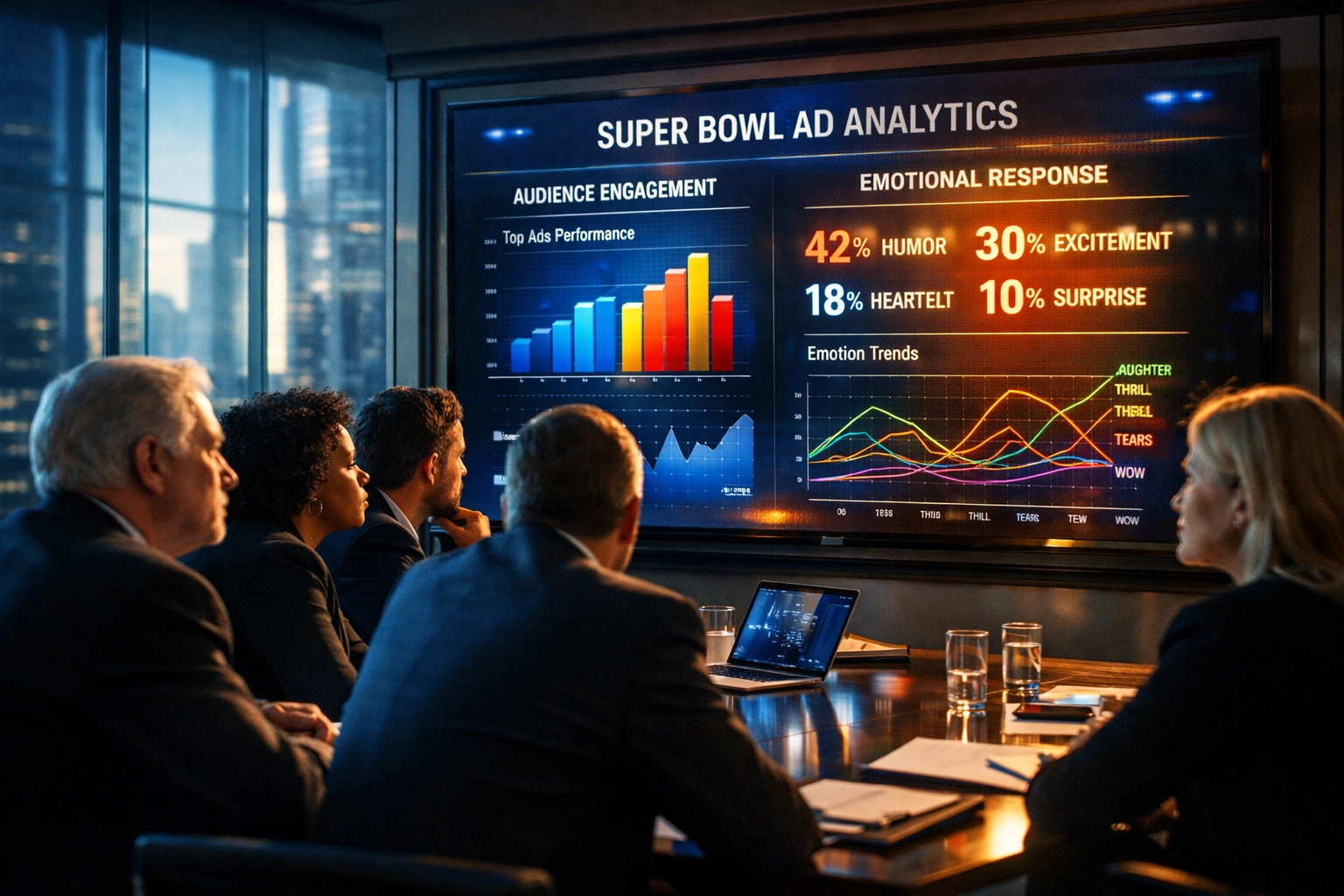
This principle manifests clearly when examining high-performing campaigns. Coca-Cola's polar bear initiative generated nine million engagements with an average viewing time of 28 minutes precisely because it built brand affection rather than pushing product attributes. The lesson for business leaders is straightforward: Super Bowl audiences are primed for entertainment and connection, not traditional sales pitches.
The challenge lies in execution. Creating emotional resonance requires authenticity and creative risk. Brands operating in highly competitive categories: beer, automotive, soft drinks: face particular pressure to differentiate. The Super Bowl serves as an opportunity to stand out through bold creative choices rather than conforming to category conventions. However, memorability requires substance behind the creativity. As one advertising executive noted, "You can't just be weird without any kind of a message." Business leaders must balance distinctive creative approaches with clear brand positioning.
The Technology Revolution: AI's Operational Integration
The 2026 Super Bowl marks a watershed moment in advertising technology adoption. For the first time, artificial intelligence transitioned from novelty feature to operational standard. Svedka produced what industry analysts identify as the first "primarily" AI-generated national Super Bowl commercial, while Artlist.io created an entire spot in five days using generative AI tools. Industry estimates suggest 50% or more of 2026 advertisements utilized AI in some capacity during production.
https://www.youtube.com/watch?v=l6J-0zileKE
This technological shift carries strategic implications beyond production efficiency. The brands that successfully integrated AI into their 2026 campaigns shared a common messaging approach: they positioned humans as heroes rather than depicting technology as a replacement. OpenAI's 60-second spot featured real people using their hands to create, design, and build, with AI technology remaining "present but invisible, implied rather than shown." This creative choice directly addresses widespread consumer anxiety about technological displacement in the workforce.

Google employed a similar strategy, using AI to help a mother and son visualize their dream home while centering the emotional human story. The technology enhanced creativity rather than replacing it. For business leaders considering AI integration in their advertising strategies, this represents a critical learning: audiences respond positively to AI when it amplifies human capability and creativity, not when it suggests human obsolescence.
The operational benefits of AI extend beyond creative production. Virtual and dynamic ad placement has evolved from experimental technology to standard practice. Rather than increasing traditional commercial load, broadcasters now leverage AI-powered contextual placement and virtual signage that appears during natural gameplay moments without interrupting the viewing experience. As one industry analyst observed, "For fans, this makes the NFL easier to watch. For broadcasters, it unlocks value without increasing ad load." This evolution benefits all stakeholders while creating new opportunities for strategic placement.
Strategic Format Innovation: Adapting to Viewer Behavior
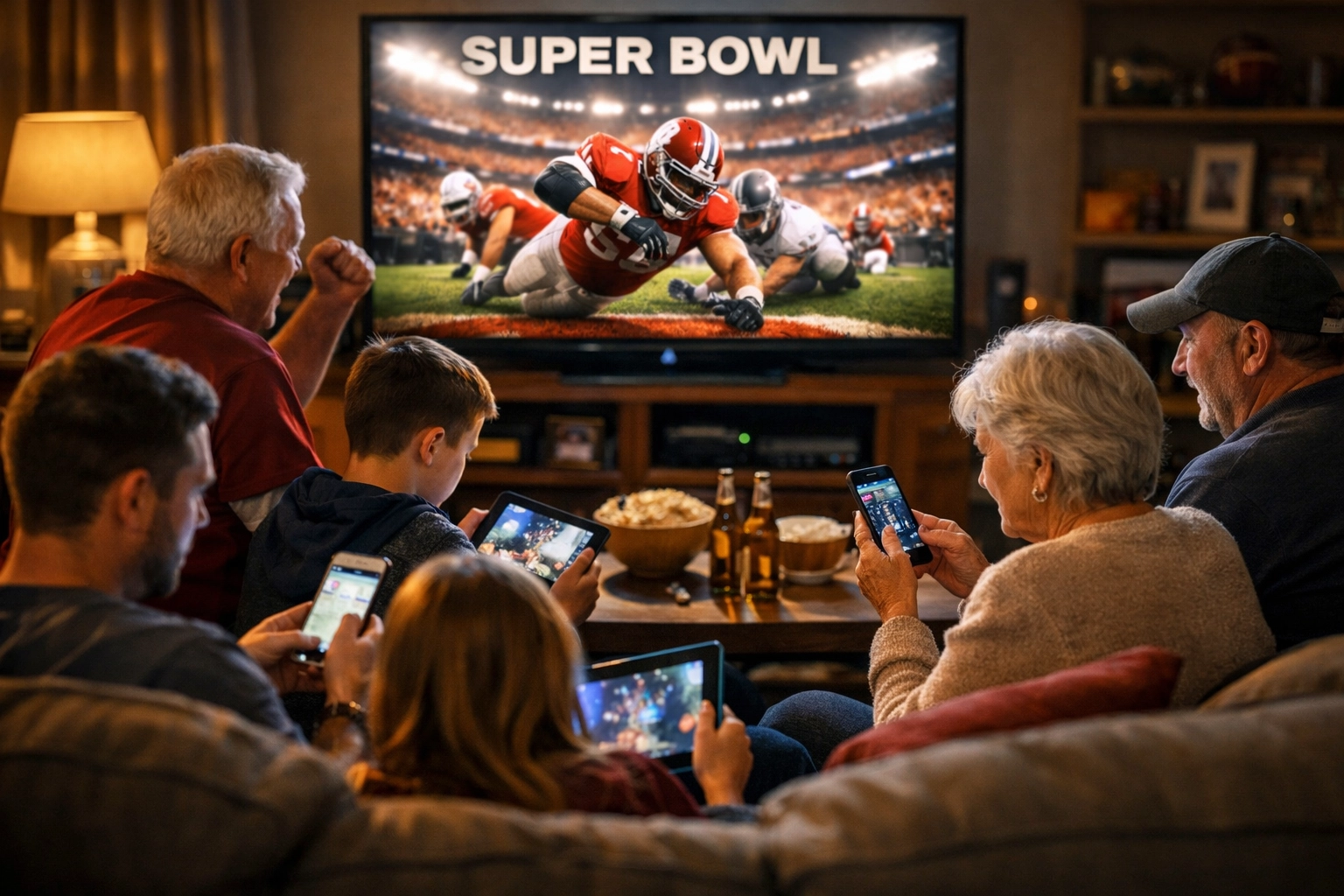
Understanding viewer behavior during live sporting events has become essential for maximizing advertising effectiveness. During Super Bowl broadcasts, audiences naturally multitask: opening tabs, checking scores, and navigating between content platforms. Forward-thinking advertisers have adapted their strategies to align with these patterns rather than fighting against them.
Pop-under advertisements represent one tactical innovation that leverages natural viewing behavior. These formats load quietly in the background during organic breaks in viewer attention, appearing when users return to their primary content rather than interrupting active viewing. This approach respects the viewing experience while maintaining brand presence during the extended Super Bowl event window.
Interstitial advertising strategies similarly recognize that Super Bowl viewing extends beyond the game itself. Pre-game shows, halftime analysis, and post-game coverage all represent opportunities for strategic messaging that reaches engaged audiences without competing directly with the most expensive in-game inventory.
Maximizing Return: The Extended Campaign Approach
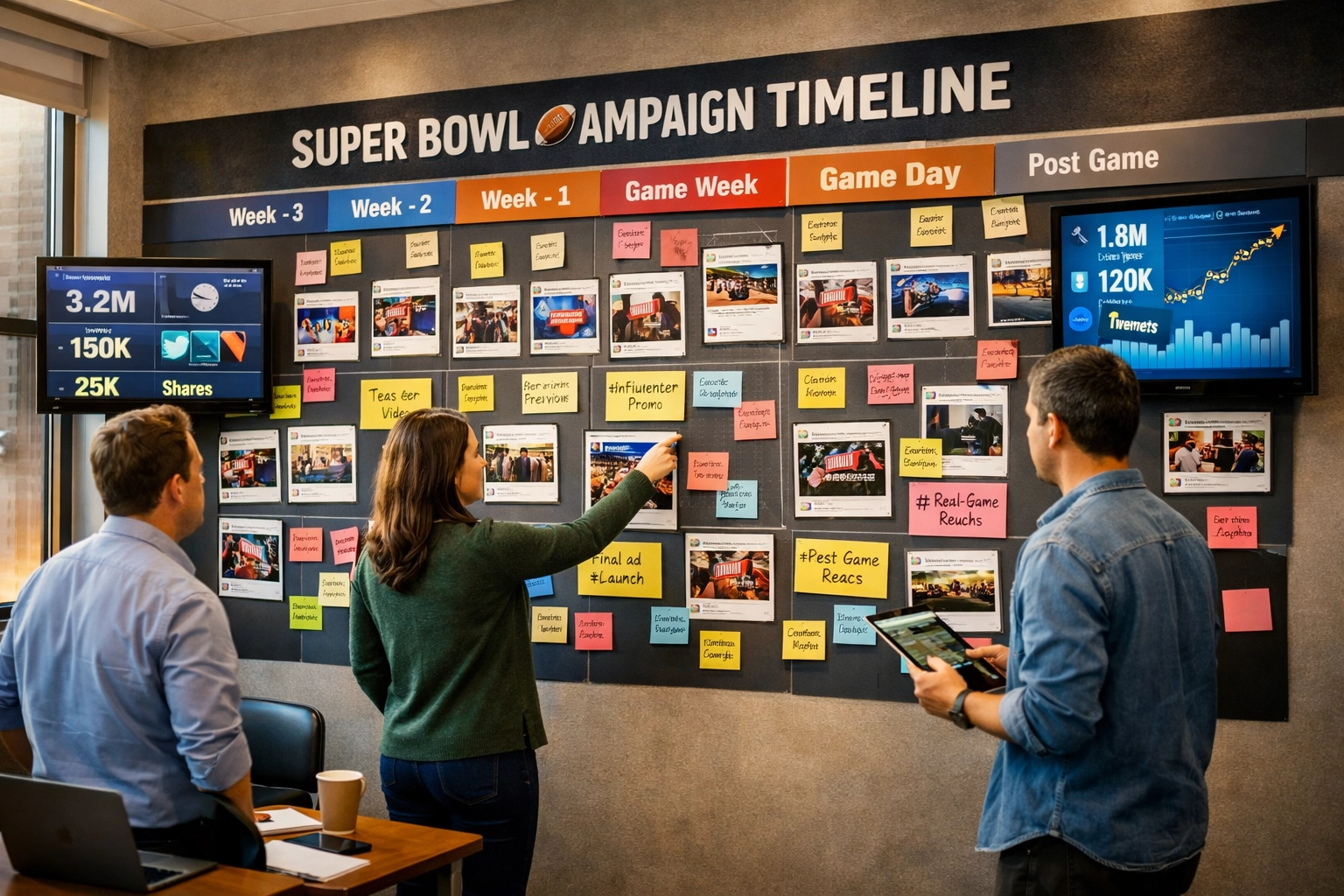
A critical evolution in Super Bowl advertising strategy involves reconceptualizing the campaign timeline. The most sophisticated advertisers no longer view their Super Bowl spot as a standalone event. Instead, they design integrated campaigns that extend engagement across multiple platforms and touchpoints.
Branded content extensions allow companies to re-engage viewers through YouTube, social media platforms, and owned channels in the days and weeks following the game. This approach transforms a single expensive media buy into a sustained engagement opportunity. The Super Bowl advertisement becomes the anchor point for a broader conversation rather than the entire campaign.
For business leaders at USA Entertainment Ventures LLC, this approach aligns with broader trends in entertainment and media strategy. The goal involves creating memorable brand experiences that generate ongoing conversation and engagement rather than momentary visibility.
The Competitive Reality: Risk Versus Safety
The advertising industry has reached consensus on a fundamental principle: playing it safe during the Super Bowl represents the highest-risk strategy. In an environment where audiences actively seek entertainment and share memorable content, failing to generate conversation effectively wastes the entire media investment.
This reality creates particular pressure for brands in crowded categories. The highest-performing campaigns often generate divided reactions: some audiences love them while others express criticism. This polarization indicates genuine emotional engagement, which drives the conversation and sharing that justify Super Bowl advertising costs. Campaigns that leave audiences neutral have failed regardless of production quality or creative excellence.
Business leaders must therefore embrace calculated creative risk. This doesn't mean abandoning brand values or strategic positioning, but it requires permission to push beyond safe, conventional messaging. The brands that succeed at the Super Bowl are those willing to take creative positions that generate authentic reactions.
Looking Forward: Embedding Innovation as Standard Practice
The evolution evident in 2026 Super Bowl advertising represents more than temporary experimentation. Agencies are now operationalizing AI-assisted placements, virtual signage, and dynamic inventory management as repeatable components of sports media strategies. These innovations include embedded performance measurement and cross-season deployment frameworks.
For business leaders planning advertising strategies, this shift carries important implications. The technologies and approaches pioneered during Super Bowl campaigns are becoming foundational to sports advertising more broadly. Organizations that view these innovations as one-off experiments risk falling behind competitors who integrate them into ongoing operations.
The path forward requires balancing technological adoption with creative excellence and emotional authenticity. AI tools enable more efficient production and sophisticated placement strategies, but they cannot replace the human creativity that generates emotional connection. Virtual placement expands inventory without degrading viewer experience, but it requires strategic thinking about context and timing.
As we move beyond 2026, successful Super Bowl advertising will increasingly depend on this integration: leveraging technological capabilities while maintaining focus on the emotional storytelling and bold creative positioning that have always defined breakthrough campaigns. Business leaders who master this balance will find the Super Bowl continues to offer unmatched opportunities for brand building and market impact.