
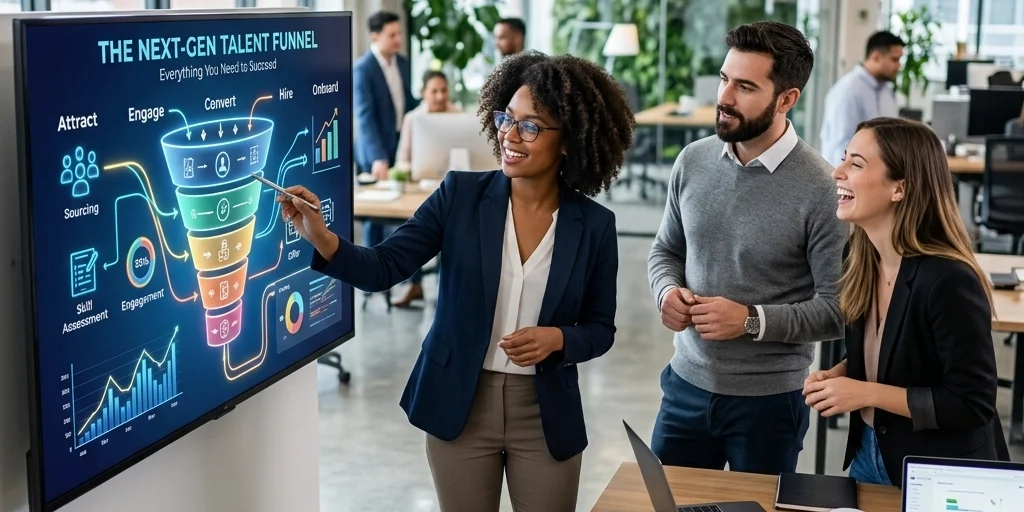
The landscape of recruitment has undergone a seismic shift as of April 2026. For years, companies followed a predictable pattern: wait for students to graduate from four-year universities, filter through resumes, and hope to land a "rockstar." Today, that model is not just outdated: it is a recipe for talent insolvency.
The most successful organizations have realized that the talent funnel no longer begins at the college career fair. It begins in high school classrooms. As Cloud computing, Artificial Intelligence (AI), and Data Analytics become the bedrock of every industry, the competition for skilled individuals has moved upstream. To secure the future of your business, you must rethink how you identify, engage, and nurture the next generation of professionals.
The Shift: Why High School is the New Front Line
In 2026, the digital divide has closed, but the skills gap remains wide. High school students today are not just tech-savvy; they are tech-native. They have grown up alongside generative AI and decentralized data systems. However, without direct intervention from the business community, their academic paths may not align with the specific technical needs of the modern enterprise.
Waiting until a student is 22 years old to introduce them to your brand or your industry’s technical requirements is a missed opportunity. By that time, the top-tier talent has already been scouted or has chosen a path dictated by traditional: and often lagging: academic curricula.
Forward-thinking companies are now establishing "pre-funnel" programs. These initiatives involve partnering with secondary education institutions to provide workshops, mentorships, and early-access internships. By doing so, companies aren’t just looking for employees; they are participating in the creation of their future workforce.

Prioritizing Skills Over Traditional Credentials
One of the most significant trends in this next-gen funnel is the transition from credential-based hiring to skills-based hiring. According to recent industry insights, the foundation of a successful talent strategy in 2026 centers on prioritizing what a candidate can do over where they went to school.
Traditional degrees still hold value, but they are no longer the sole gatekeeper for entry-level roles in tech-heavy sectors. In fields like Cloud architecture or Data Analytics, a high school graduate with a specialized certification and two years of project-based experience can often be more effective than a fresh college graduate with a generalist degree.
Organizations that have adopted data-driven candidate funnels report impressive results:
- 19% lower cost-per-hire due to reduced reliance on expensive third-party recruiters and headhunters.
- 28% higher candidate satisfaction as applicants feel valued for their actual capabilities.
- 37% higher offer acceptance rates, as candidates who have been nurtured since their teenage years feel a stronger cultural alignment with the brand.
For businesses looking to overhaul their approach, consulting with experts in human resources can provide the framework necessary to move away from legacy hiring practices.
The Three Pillars of the Next-Gen Talent Pool
To build a robust funnel, companies must focus their early-outreach efforts on three core areas that are currently driving the global economy:
1. Cloud Infrastructure
The cloud is no longer just a place to store files; it is the operating system of modern business. Students who understand cloud-native environments, serverless architecture, and cybersecurity at a foundational level are ahead of the curve. Engaging high schoolers in cloud-computing competitions or offering "cloud-first" summer intensives ensures that your future hires understand the infrastructure that keeps your business running.
2. Artificial Intelligence and Machine Learning
In 2026, AI is a tool used by every department, from accounting to creative design. The next-gen talent funnel seeks out individuals who don't just use AI, but understand its ethics, its prompts, and its integration into workflows. By introducing AI literacy programs in schools, companies can demystify the technology and identify students who have a natural aptitude for algorithmic thinking.
3. Data Analytics and Visualization
Data is the new oil, but it requires refining. Companies need talent that can translate complex datasets into actionable business strategies. High school students often have a raw interest in statistics through gaming, social media metrics, or sports. Tapping into this interest early allows businesses to steer that curiosity toward professional data analytics.

Implementing AI in the Recruitment Process
While we are scouting for AI talent, we must also use AI to improve the scouting process itself. The next-generation talent funnel utilizes artificial intelligence to enhance candidate matching and reduce unconscious bias.
Modern recruitment tools can scan thousands of early-stage interactions: such as performance in a company-sponsored coding challenge or participation in a webinar: to identify high-potential individuals. This allows your consulting and HR teams to focus their energy on the candidates most likely to thrive within your specific corporate culture.
However, the human element remains vital. AI identifies the "what," but human engagement determines the "who." Using AI to handle the administrative load of the funnel allows your team to spend more time on mentorship and personalized communication, which are key to retaining Gen Z and Gen Alpha talent.
Addressing the Expectations of Gen Z and Gen Alpha
The younger generations entering the workforce have different priorities than their predecessors. They value transparency, flexibility, and a sense of purpose. A minimalist, professional approach to branding is often more effective than "flashy" marketing. They want to know exactly what the job entails, how they can grow, and what the company stands for.
To succeed in this environment, your talent funnel must be:
- Mobile-First: Every interaction, from the first touchpoint to the final application, must be seamless on a smartphone.
- Transparent: Be clear about salary ranges, remote work policies, and technical requirements from the very beginning.
- Engagement-Focused: Use personalized communication. Generic, automated emails are often ignored by a generation that is used to high-quality, tailored content.
Building the Pipeline: A Step-by-Step Approach
If your organization is ready to move into the high school space, follow these actionable steps:
- Identify Local Partnerships: Connect with vocational schools and high schools that have strong STEM programs.
- Create "Micro-Internships": Offer short, project-based experiences that give students a taste of your industry without requiring a full-time commitment.
- Develop Skills-Based Assessments: Move away from the resume. Create challenges or tasks that allow students to demonstrate their proficiency in Cloud, AI, or Data.
- Leverage Your Current Experts: Encourage your senior engineers and data scientists to act as guest speakers or mentors. This not only aids in recruitment but also boosts morale among your current staff.
- Monitor and Iterate: Use data to track which outreach efforts result in the highest quality of long-term hires.

The Long-Term Vision
The "Ultimate Guide" to the talent funnel isn't a static document; it's a philosophy. It requires a commitment to long-term growth over short-term filling of seats. By investing in high school students today, you are essentially "future-proofing" your organization.
As we look toward the 2030s, the companies that will dominate their respective markets are the ones that saw the value in early education and skills-based development years ago. They are the ones who didn't wait for talent to find them: they went out and helped build it.
The current date is April 9, 2026. The world is moving fast, and the tools available to your business are more powerful than ever. Whether you are in manufacturing, digital media, or distribution, your most valuable asset will always be your people. Start building your next-gen funnel today, and ensure that when the next big technological shift occurs, you already have the team in place to lead the way.
Summary of Key Takeaways
- Start Early: Engage with talent at the high school level to build brand loyalty and technical alignment.
- Skills Over Degrees: Focus on demonstrable ability in AI, Cloud, and Data Analytics rather than just university credentials.
- Leverage Technology: Use AI to streamline the funnel and reduce bias, but maintain a human-centric approach to mentorship.
- Be Transparent: Adapt to the expectations of Gen Z and Gen Alpha by offering clear, mobile-friendly, and purposeful career paths.
By adopting these strategies, USA Entertainment Ventures LLC and our partners can stay at the forefront of business consulting and talent management. The future of talent is already here; it’s just waiting for an invitation to join your team.





